NVIDIA Pitches Local AI on One Laptop as Tesla–SpaceX Tie-Up Remains Speculative
NVIDIA’s RTX Spark campaign places local AI alongside gaming and creative work on a single laptop, while leaving its technical capabilities unspecified. Separately, Bloomberg Intelligence analyst Matthew Bloxham sees Tesla and SpaceX’s existing AI and data links as part of a possible merger story, but Tesla has made no deal announcement.
AI comes to the personal computer
NVIDIA’s RTX Spark campaign presents one laptop as a place to game, do creative work and build AI locally. Its central pitch is breadth: these activities belong on the same machine, rather than requiring separate devices or treating creative work as a replacement for play. The campaign moves among a design application, an AI creation interface and a driving game, then gathers them under the phrase “all on one powerful laptop.”
The sequence makes that combination feel like a change in the PC’s role. It opens on an old CRT monitor showing the Quake III menu, with a voiceover asking, “Do you remember your first PC?” The computer first appears as a way to enter someone else’s world. The narration then turns to the possibility of imagining your own: “The idea got bigger. So did everything it asked of you.” The PC is cast not only as a way to participate in games, but as a tool for developing ideas.
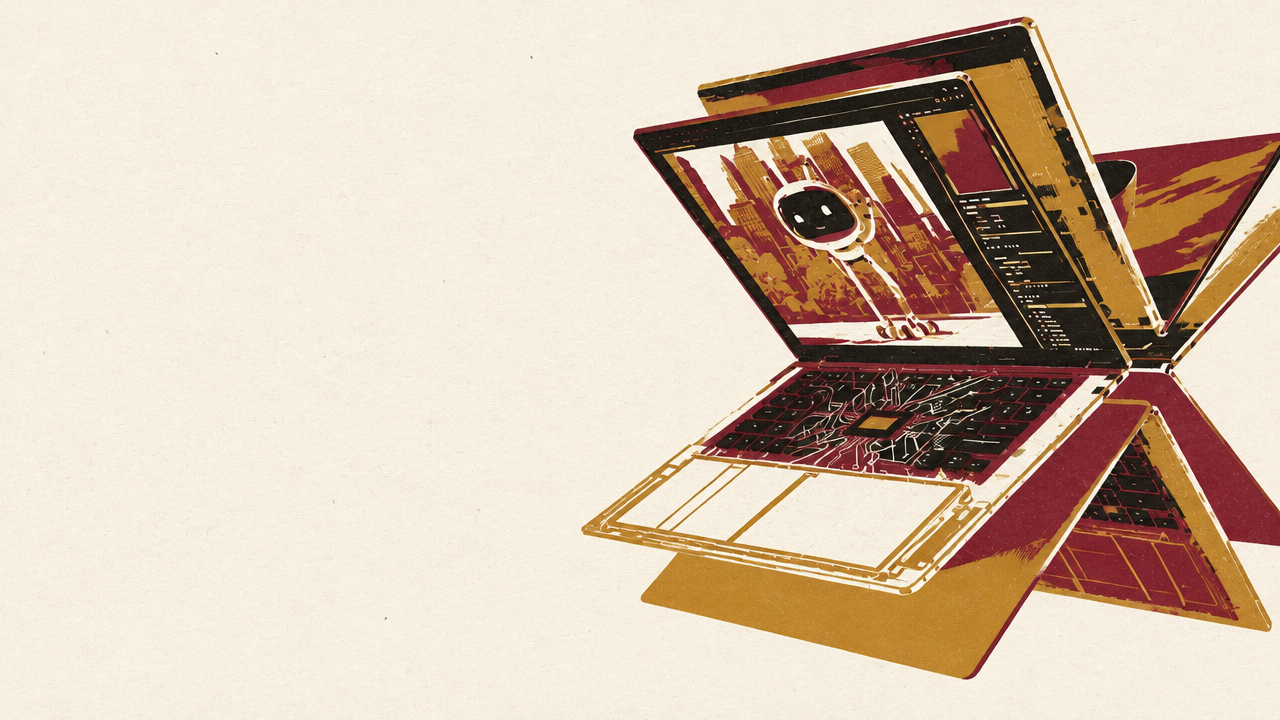
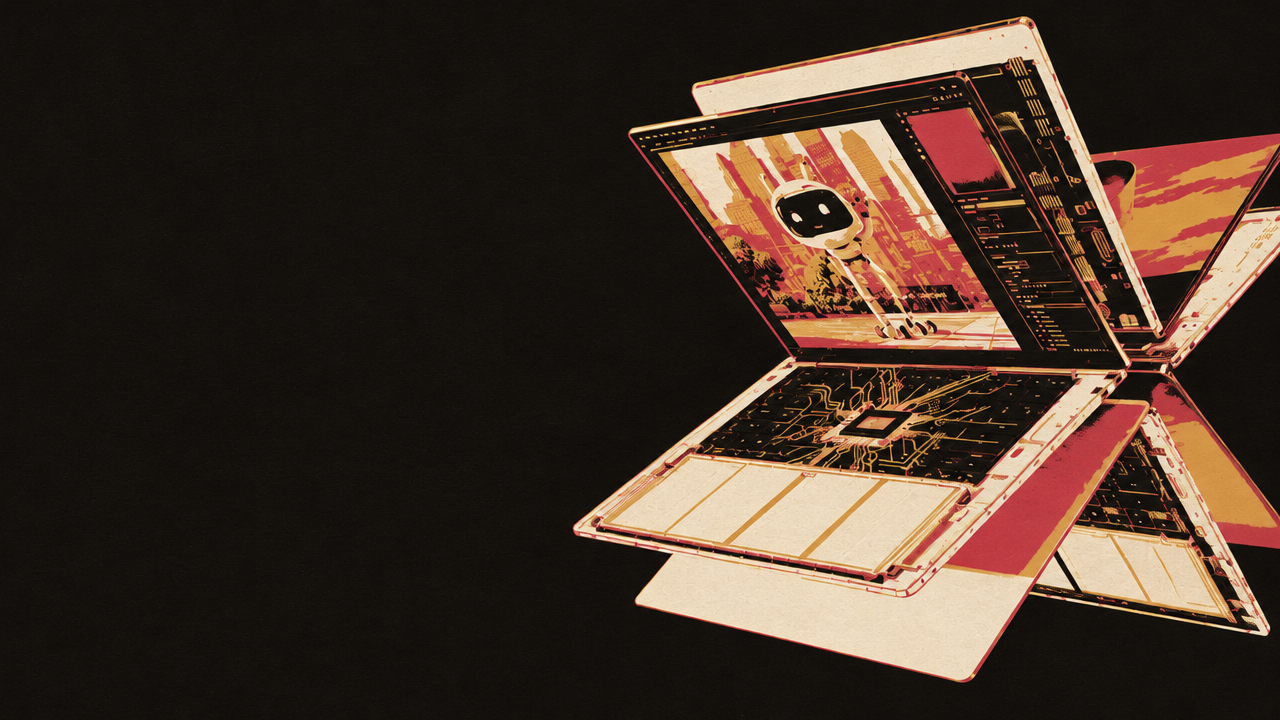
The sketch-to-scene example gives that creative ambition its clearest shape. A prompt asks to bring a sketch to life as a photorealistic scene and animate it; the screen shows sketches and a rendered robotic character. That sequence makes AI part of the campaign’s idea of creative work: a path from an initial drawing toward a visual result. NVIDIA also describes the intended use as building AI locally, placing that work on the personal computer rather than presenting AI only as a remote service or a separate specialist activity.
The images do not, however, establish how that process works or what the laptop can reliably produce. The campaign supplies no details about hardware, software or performance. Its design application, AI interface and game are evidence of the uses NVIDIA wants to associate with RTX Spark, not a technical demonstration that the device meets every demand those uses might place on it. The proposition is clear; the capabilities behind it are not specified.
That boundary matters to how the campaign should be read. The sketch-to-scene prompt is a concrete illustration of intended use, but not a benchmark, a disclosed workflow or a measure of output quality. Likewise, the driving game keeps gaming inside the offer, but the sequence provides no performance figures. NVIDIA’s claim is about a broader role for the PC and a single laptop intended to accommodate these activities. The campaign leaves the practical details of that combination unanswered.
Corporate overlap remains a possibility, not a deal
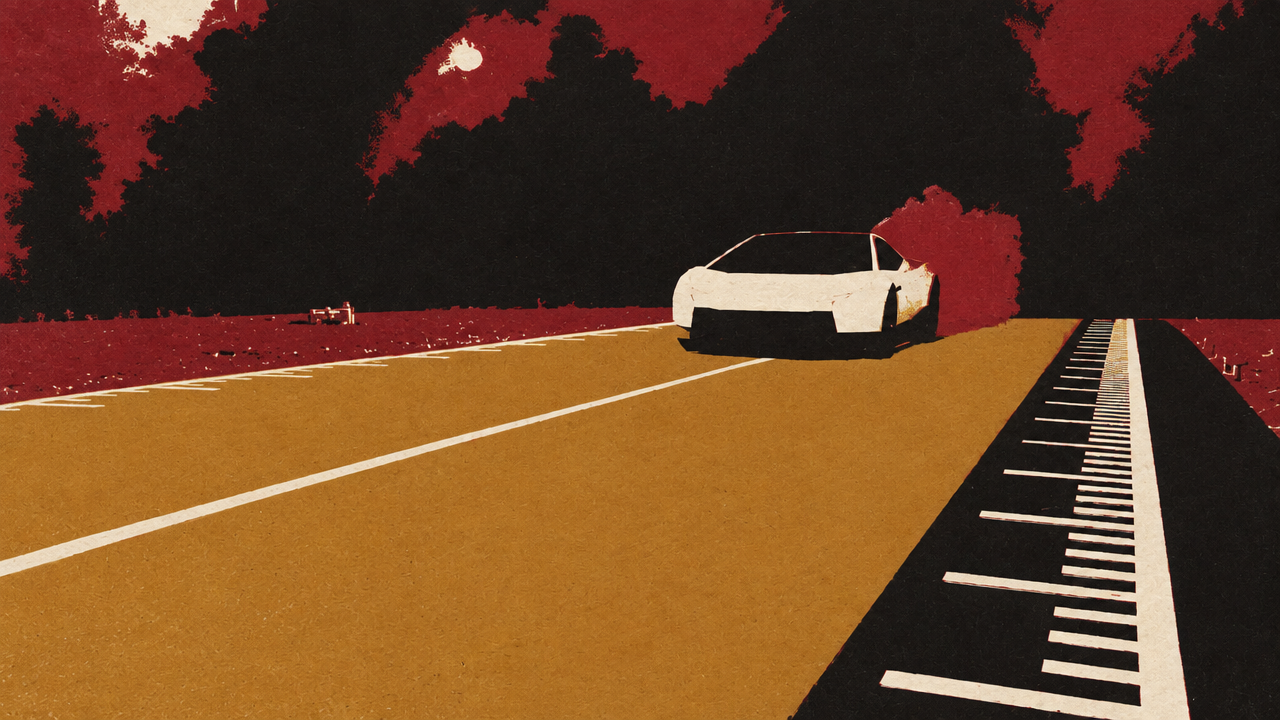
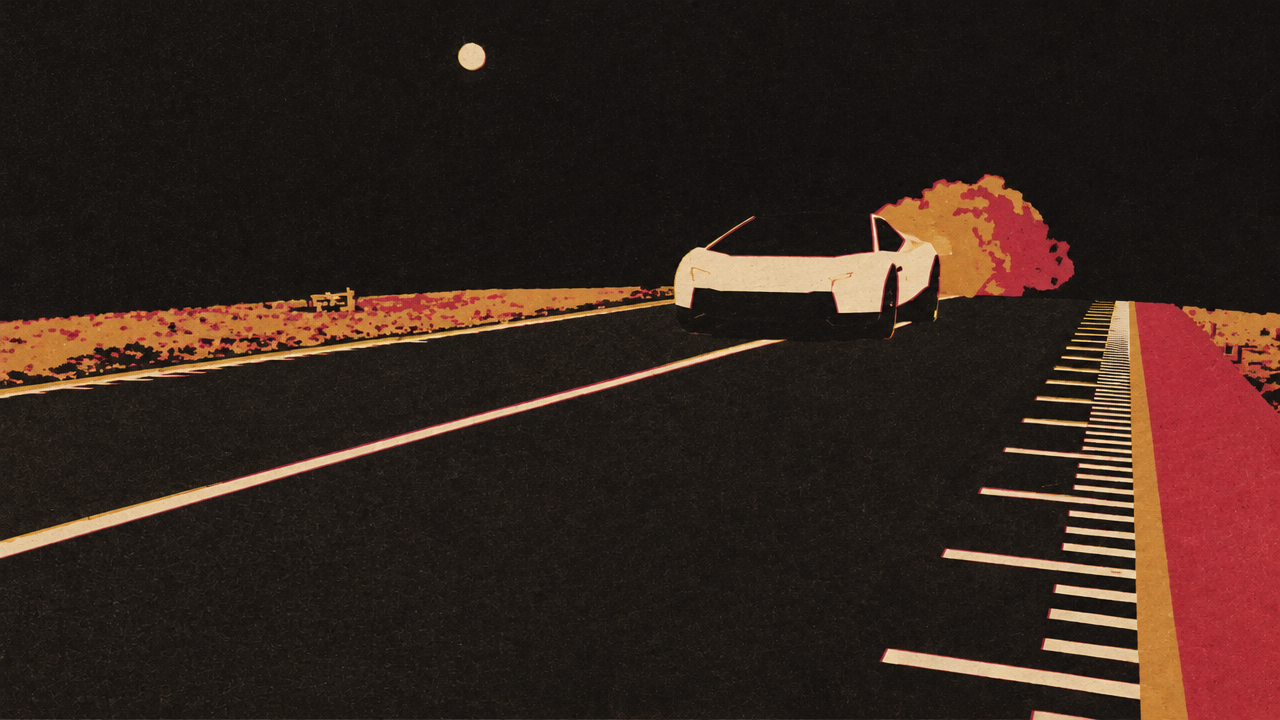
The Tesla Roadster unveiling put the two companies in the same frame: Tesla showed the long-delayed car at a SpaceX facility in Texas. Bloomberg Intelligence analyst Matthew Bloxham interpreted the setting and display as part of a story Elon Musk has been building around a possible tie-up. Asked whether the unveiling supported an argument for a merger, Bloxham said it was “certainly part of the story” and “definitely kind of teasing in that direction.”
For Bloxham, the potential connection is not limited to the symbolism of the venue or the Roadster’s thrusters. He pointed to existing collaboration on Terrafab, which he described as a large data-center and AI initiative, and to the potential value of Tesla’s data for SpaceX’s AI platforms. Those are the strategic links in his account: collaboration already exists, and data and AI platforms could provide areas of overlap. He said more serious discussion of a Tesla–SpaceX combination had been under way for some time.
That account helps explain why some investors anticipate a merger announcement, but it does not establish that one is planned. Tesla has made no official announcement. Bloxham presented the Roadster display as adding visibility to a discussion already in circulation, not as confirmation of a deal. His remarks describe a possible rationale for a tie-up, not evidence that the companies have decided to pursue one.
The car’s timing is another limit on what the event can show. Bloxham noted that the Roadster is not expected to be available until 2028. He also said the “space version” could seem gimmicky if it became a real car. The unveiling may have made the companies’ association more conspicuous, but the vehicle remains years from availability, and its presentation cannot settle the question of a merger.
The distinction between the two uses of AI is consequential. NVIDIA’s campaign puts local AI inside a product story about one person’s computer, alongside gaming and creative work; it demonstrates the intended scope of the offer while leaving performance and implementation unspecified. Bloxham’s analysis puts AI and data among possible strategic connections between two companies; it identifies reasons investors may consider a merger while leaving the existence of any deal unconfirmed. One is a marketing claim about intended use, the other an analyst’s interpretation of corporate signals. Neither, on the evidence presented, answers the technical or corporate question it raises.