Curiosity Helps Teachers See Beyond Student Data and Circumstances
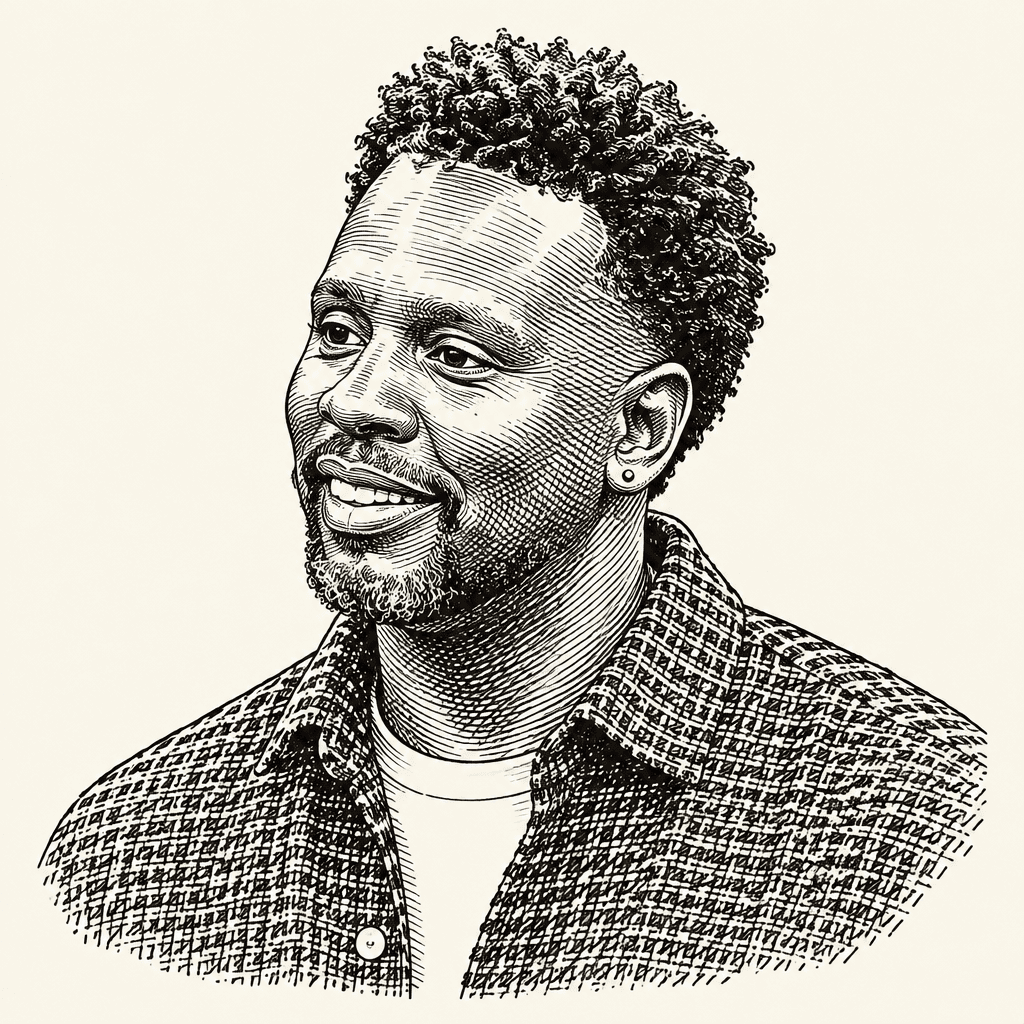
Educator Stephen Nobles argues that curiosity helps teachers see students as more than their circumstances or the data attached to them. In his account, withholding judgment can make room for students’ questions, abilities and ambitions to emerge—and help them take greater ownership of their learning.
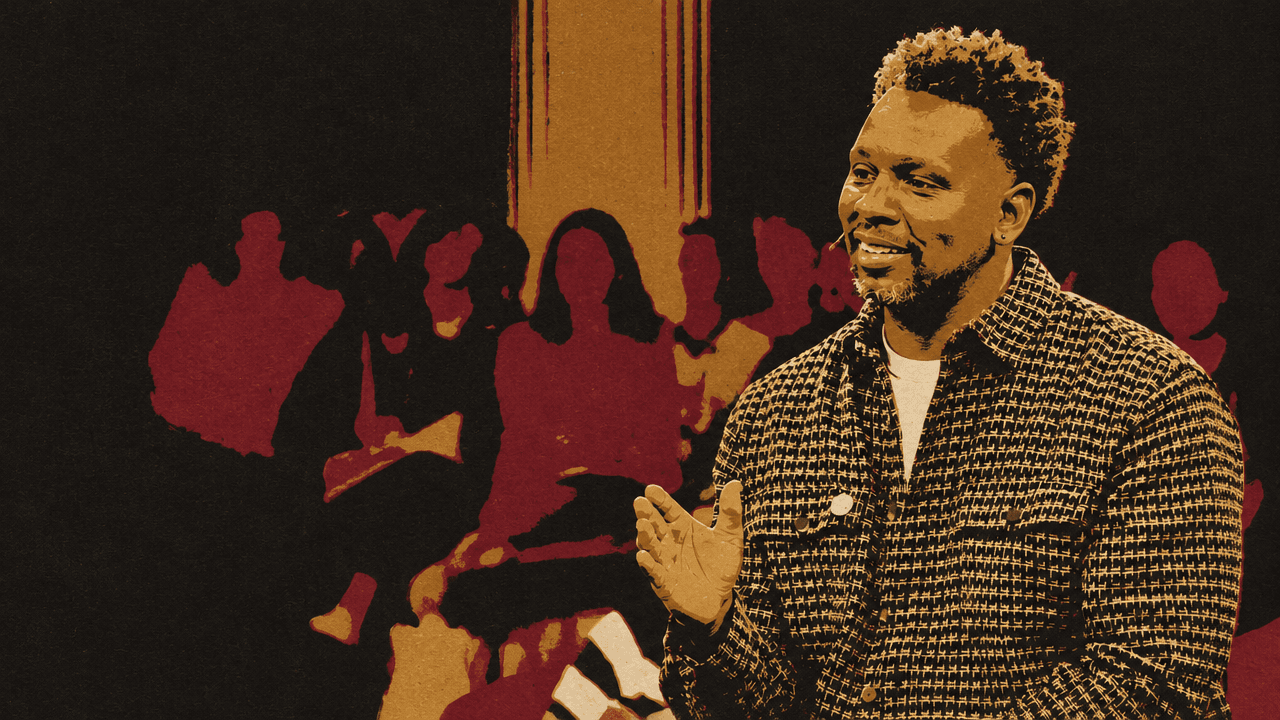
Curiosity asks adults to see more than the data
For educator Stephen Nobles, curiosity is not an exercise in collecting interesting questions. It is a way to see students as more than the circumstances or data associated with them—and to make room for what they might become.
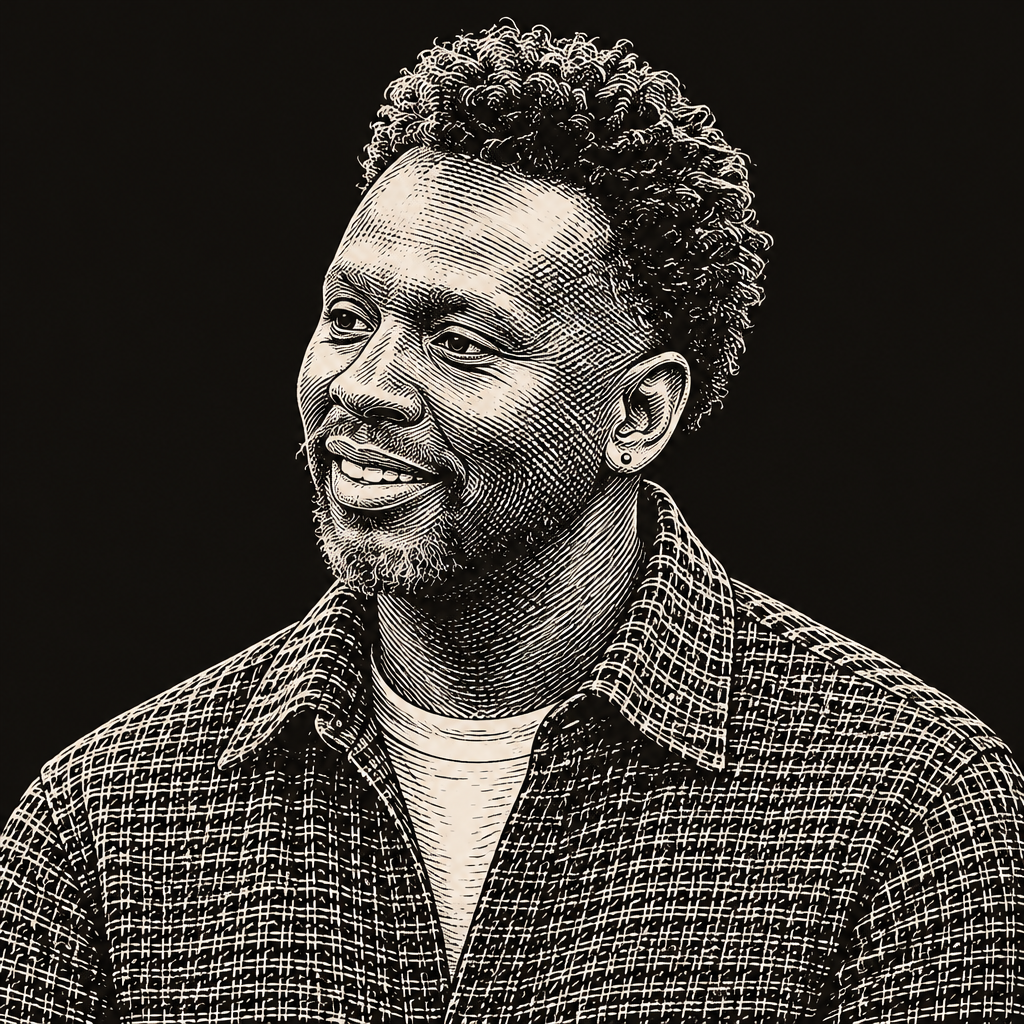
Nobles says his district has seen a practical sequence: when students feel seen, heard and empowered, they engage and connect with their work. Attendance follows; performance follows attendance. That sequence depends, he argues, on adults resisting the urge to judge students before they understand them. He borrows the phrase “be curious, not judgmental” and applies it as a standard for educators.
Seeing students beyond the data means being careful about what the data describes. Nobles points out that a child living in poverty is not, in his formulation, a poor child: the parents are poor, and the child lives with them. The same distinction applies to a child whose parents are wealthy. Household circumstances do not settle what a student is capable of. Teachers, he says, should meet students where they are while holding expectations for what they might do.
Nobles describes curiosity as a bridge across differences: it can turn disagreement into dialogue. He imagines a world that celebrates the best questions as well as the answers. Data, he says, should prompt better questions and deeper inquiry rather than end the inquiry.
That approach pushes against a public discourse in which people can be quick to give a definite answer and deliver it with confidence. Nobles says curiosity brings humility and empathy to those exchanges. Asking what another person thinks, rather than doubling down on an existing position, gives people a chance to understand one another. In his account, curiosity can build connection, and connection can lead to friendship and partnership.
A student’s unexpected subject changed what adults saw
A TED-Ed Student Talk program in Nobles’s district gave him a concrete example of what can change when adults suspend their assumptions. The program began at an elementary school and later ran at a middle school he describes as “kind of tough.” Before the students spoke, he told the adults not to judge them or set limits on what they could talk about. The task was to give students space to be themselves, then provide the tools to meet the standard.
One student appeared disengaged to the adults: he wore a hoodie, had his hair in his face, and was writing to himself. When asked what he wanted to speak about, he chose trash in space—specifically, what might happen if debris from damaged satellites and other objects in orbit were pulled into Earth’s gravitational pull.
The adults had not expected that subject from him. Nobles says the student met the standard and surprised them. Their relationship continued to grow after the program; the student is now in high school, and Nobles says he still greets him when they meet.
Nobles says the adults gave the student space and tools rather than judging him or steering him toward a topic. The student chose the subject and met the standard. For Nobles, the experience showed what adults might miss when they mistake an initial impression for a full account of a student.
The program also gave students a safe place to voice opinions and connect in ways their home lives, grades or behavior might not have connected them. At the district level, Nobles has seen a similar value in leaders becoming curious: adults do not always need to supply the answer, and some of their growth may come from the people they lead.
Curiosity becomes a culture when adults model it
Nobles argues that a classroom or community cannot become curious through slogans alone. Adults have to show students that learning does not end with school, and that it is possible to approach a problem through what it might become—not only through how it currently looks.
A narrow focus on present conditions can feel daunting, he says, and may be enough to make people want to quit, academically or in life. Adults who remain curious model lifelong learning and a willingness to see possibilities. Students can carry that behavior into their own work. Nobles says he has begun to see that culture extend beyond the school district and into the city.
The difficult part, in his account, is getting people to see beyond what is immediately in front of them, including beyond what data says students are capable of. Once that shift takes hold, he says, support can compound: leaders encourage young people, young people grow into leadership, and adults support their ideas, hopes and ambitions.
His advice to people trying to bring curiosity into a space where others feel frustrated or shut down is to remain open and look at people in terms of where they might hope to be, not only where they are now. Nobles says this requires people to step back from their individual perspective and see things collectively. Getting people to that starting point is the hardest part; once the approach catches on, he says, it can become contagious.
For Nobles, student voice also means being open to students questioning how decisions are made. He describes it as eye-opening when students ask why adults decide what they should do next, or ask students what they should become without giving them real say in the process. Taking those questions seriously, he says, gives students room to voice opinions and take ownership of their academic experience.
His mother taught him to grow where he was not expected
Nobles traces his commitment to curiosity to his mother, who encouraged him to ask questions and read. She offered him a cruise if he read The Odyssey. He finished the book quickly and, as he jokes, enjoyed the cruise.
He grew up in a small Georgia town, in what he describes as a tough environment. His friends were more interested in sports than reading. After reading Lord of the Flies, he tried to tell them that the story showed how things could end badly. They were not interested. When they came over to play, he eventually asked his mother to tell them he was asleep so he could keep reading. His nickname became “Sleepy.”
When Nobles asked his mother why reading was not popular in his neighborhood, she explained her idea of a weed: a plant is called a weed because it is growing somewhere people do not expect it. In a jungle, she told him, a rose could be a weed. She was raising him to grow in an environment where people might not expect him to.
They see you different because I’m raising you to be a weed. I’m raising you to grow in an environment that you’re not supposed to be in.
Nobles says his mother’s curiosity helped make that possible, and that he now encourages students to be weeds—to keep growing, especially in places where others do not expect them to.
Use data to ask better questions
Nobles sees curiosity as relevant beyond schools. In a data-driven society, he says, data should prompt better questions and deeper inquiry. His advice for people outside education is to use the data in their own lives to ask a question, then ask the next one.
He is hopeful about students’ willingness to question the world around them. Students have enormous access to information, he says, and are asking why things are the way they are—including politically and in relation to crime. Their questions may look to adults like resistance to what they expected students to do or become. Nobles sees that questioning as a reason for hope.
He describes life not as a race but as a relay: his responsibility is to take things as far as he can and pass the baton to the next generation. He is encouraged, he says, by seeing students begin to take it. Curiosity, he argues, can bridge the distance between where people are and where they hope to be.