Four Dam Removals Reconnected the Klamath River and Revived Its Salmon Run
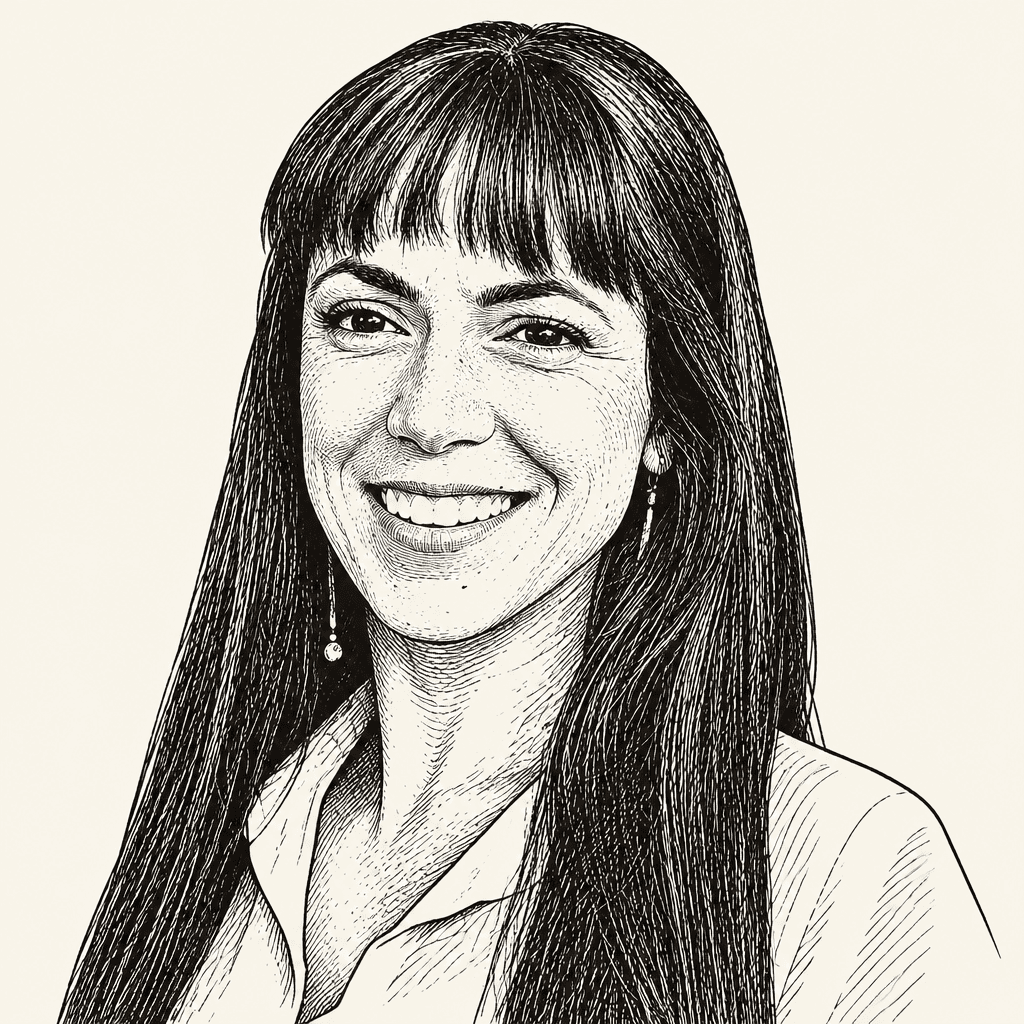
After the Klamath River’s salmon runs fell to five percent of their historical abundance, Yurok advocate Amy Bowers Cordalis argued that removing four dams was necessary to restore the river and sustain Yurok life. She says the removal—the largest dam-removal project in US history—became possible through tribal rights, litigation and a coalition of Indigenous nations and other allies. Three days after the first dam breach, salmon moved upstream past historical spawning grounds they had not reached in a hundred years.
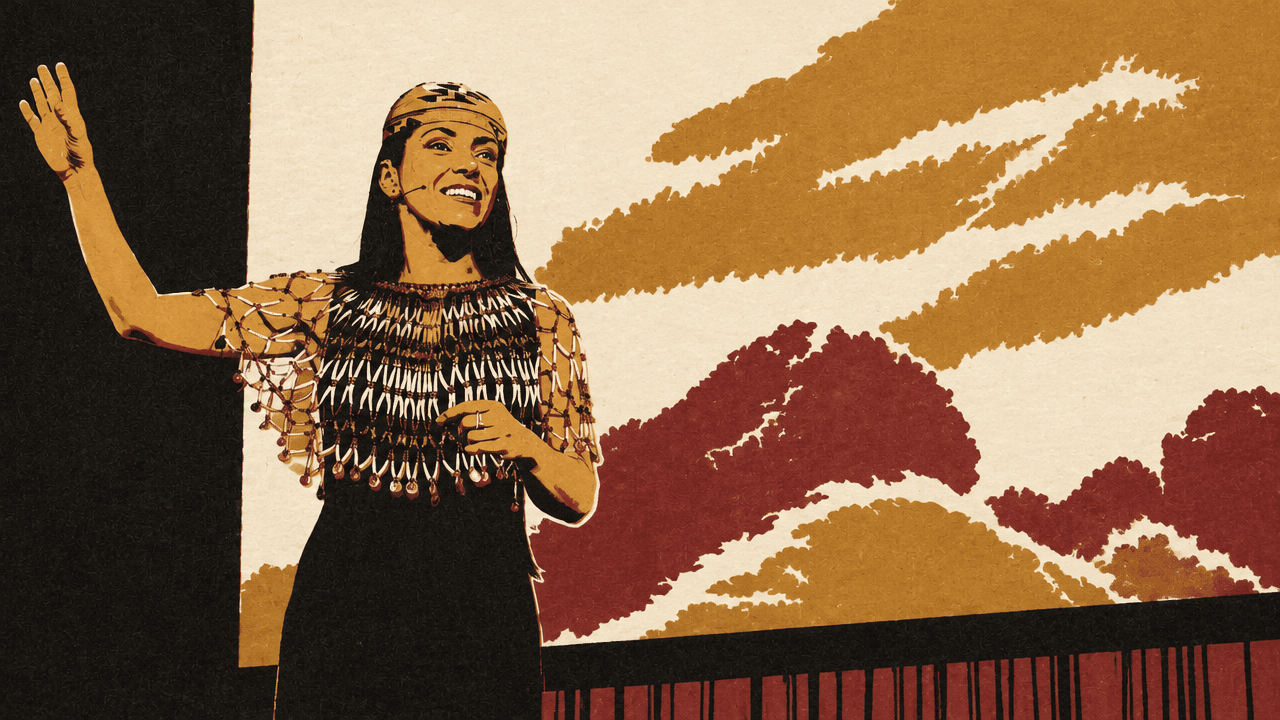
The salmon collapse made dam removal a matter of survival
Amy Cordalis begins with the Yurok creation story: the creator made the earth as a place for life to exist together, on the condition that its inhabitants care for it. The instructions her ancestors received were practical: live in balance with the natural world, take no more than needed, give thanks, and protect what gives life. For Cordalis, this is not a parable but a guide to how people should live.
The lower Klamath River in what is now Northern California was the Yurok homeland and lifeblood. Under Yurok stewardship, she says, its salmon runs became the third largest in the continental United States, sustaining an abundant fishing way of life.
That balance was disrupted as newcomers arrived in the 1800s and treated the region as a source of gold, timber, water, land and people. Cordalis describes the resulting violence as genocide: by 1910, she says, more than 90 percent of California’s Indigenous population had been slaughtered. Over the following century, dams, habitat loss, water diversions and warming, polluted water transformed the Klamath. The images accompanying her account show an algae-filled reservoir behind a dam and four dams along the river. Built without fish passage, the dams blocked salmon from more than 400 miles of historical spawning grounds. The runs fell to five percent of their historical abundance.
Cordalis says the reservoirs behind the dams emitted methane equivalent to 64,000 cars on the road each year. In 2002, the river’s decline became a mass die-off: more than 70,000 adult salmon died within the Yurok Reservation, the largest salmon kill in US history. Cordalis was working for tribal fisheries that summer. For two weeks, salmon died; their bodies lined the banks, and the river, she recalls, looked and smelled like a war zone. Photographs shown during the account capture the dead fish floating in shallow, murky water.
The loss carried more than ecological meaning. Cordalis remembered a Yurok story that if the Klamath salmon die, the Yurok people die too, because their purpose and way of life depend on the fish. In that moment, she says, she felt her great-grandmother tell her, “It’s your turn to fight.” She went to law school, later becoming the first tribal member and woman to serve as her nation’s general counsel.
Tribal rights and unlikely allies made removal possible
The 2002 fish kill, Cordalis says, renewed Indigenous peoples’ duty to share their original instructions and restore balance. Indigenous people on the Klamath were the first to call for dam removal, a proposal many considered impossible. Powerful corporations and industries opposed it, warning that removing the dams would release toxic sediment and destroy the river.
Cordalis and her allies organized, protested and litigated. She co-founded the Ridges to Riffles Indigenous Conservation Group with Karuk activist Molli Meyers, an effort she says moved money and power to better serve the river. The coalition brought together Indigenous nations—including the Karuk, Hupa and Klamath tribes—alongside commercial fishermen, environmental groups, states and farmers.
In court, the tribes asserted reserved rights and combined them with modern environmental, power and energy law. Cordalis says they won on almost every count. The power company was required to install fish ladders to keep operating the dams. Removing the dams, she explains, was cheaper than installing those ladders, giving former opponents and allies a practical common interest in finding a path forward.
For Cordalis, that shift mattered. Empathy overcame fear, she says, and newcomers accepted shared responsibility for restoring balance. The result was a $500 million settlement agreement for dam removal, which she says equally valued the rights of nature, business and Indigenous peoples.
The river reconnected—and salmon returned
Four dams were removed in 2023 and 2024, in what Cordalis calls the largest dam removal project in US history and part of the world’s largest salmon restoration project. Restoration across thousands of acres has begun and will continue through 2028. Footage shown during her account follows a dam breach: explosives open the concrete structure and water surges through the gap.
Cordalis stood with tribal leaders when the first dam was breached. Water rushed into a stretch of river that had been dewatered for more than a century. At Iron Gate, the lowest dam, an excavator removed the final dirt. Water first crossed the structure as a sparkle, then a ribbon, and the river reconnected with itself. Three days later, salmon moved upstream past historical spawning grounds they had not reached in a hundred years. Footage of clear water and salmon swimming upstream accompanies her account.
The salmon remembered.
Recovery, Cordalis reports, has been rapid. A year after removal, she found the river cleaner and colder, and described it as “fiercer” than she had known it. About 7,000 salmon passed the former dam site in the first year after removal.
In 2025, those salmon also went farther into historical spawning grounds from which they had been denied access. Cordalis describes the river as smelling sweeter, and says the salmon are “literally jumping for joy.”
Restoration is changing the land and the work available to people. The Yurok Tribe and other tribes are employing tribal members and non-members in living-wage restoration jobs. Crews have planted 20 billion native seeds. Cordalis points to returning flowers, plants and animals as signs of ecosystems that can again support Indigenous foods and medicines. She singles out the poppies covering the restored landscape as one visible sign of that change. Over time, she says, these ecosystems also have the potential to prevent 800,000 metric tons of carbon dioxide a year.
Restoration is a strategic priority, not an obstacle
Cordalis’s recommendations follow from the responsibilities she describes in the Yurok creation story. She urges people to treat Indigenous rights not as obstacles to progress but as critical to it, and to build mutually beneficial solutions to complex problems. She also calls for ecosystem restoration to be valued as a strategic priority in addressing the most pressing problems of the time.
The Klamath’s recovery, she argues, shows that people can help nature heal. The river and the life it supports are remembering how to be in balance. Cordalis asks listeners to remember that what they do—and what they do with their life force—makes a difference. “When we work with it,” she says, “it works with us.” In her account, restoring balance brings life back, and hope with it.