Reginald Dwayne Betts Has Opened More Than 600 Prison Libraries
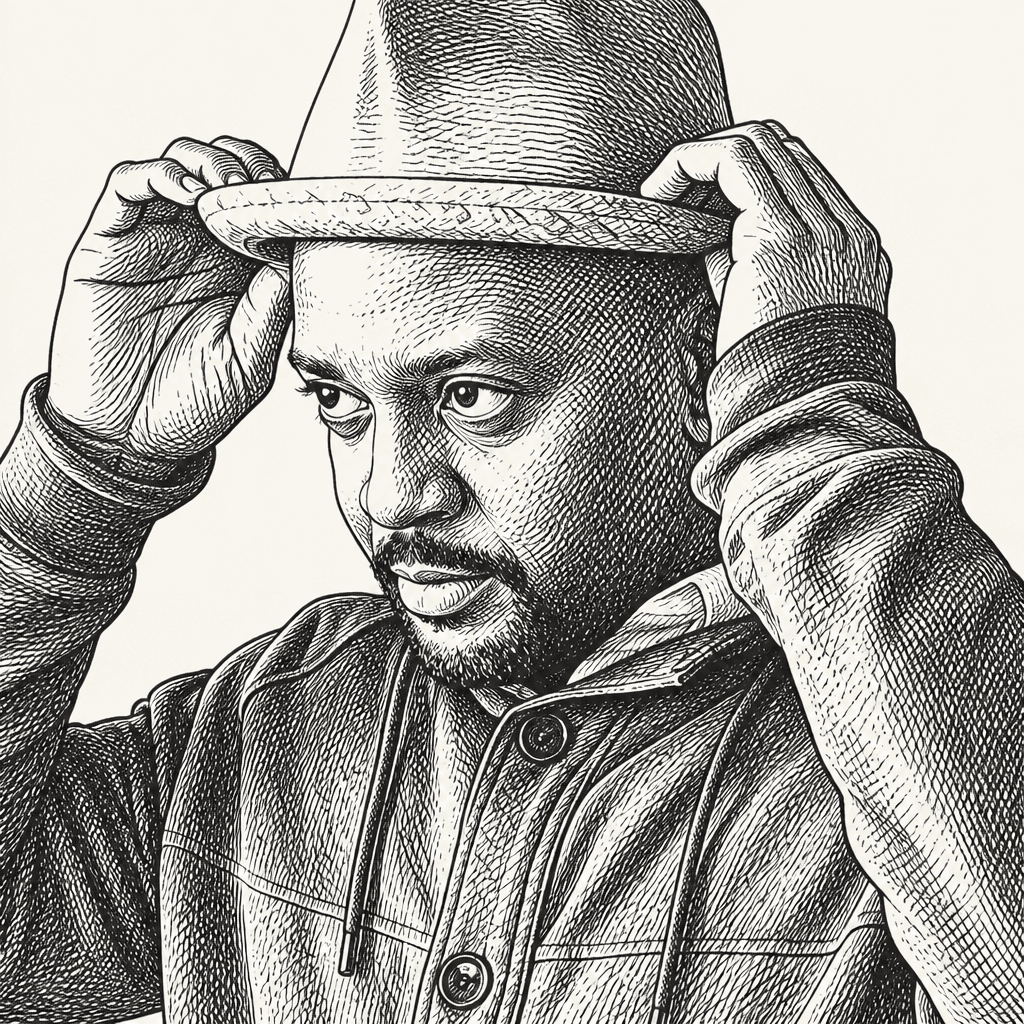
Reginald Dwayne Betts argues that prison libraries put books—and the possibility of imagining who a person could become—within reach, while hope passes from one person to another. Sentenced to nine years at 16, Betts says books helped him imagine himself as someone who could choose a different path; he has since opened more than 600 Freedom Libraries in prisons, with former friends and fellow prisoners helping carry the work to others.
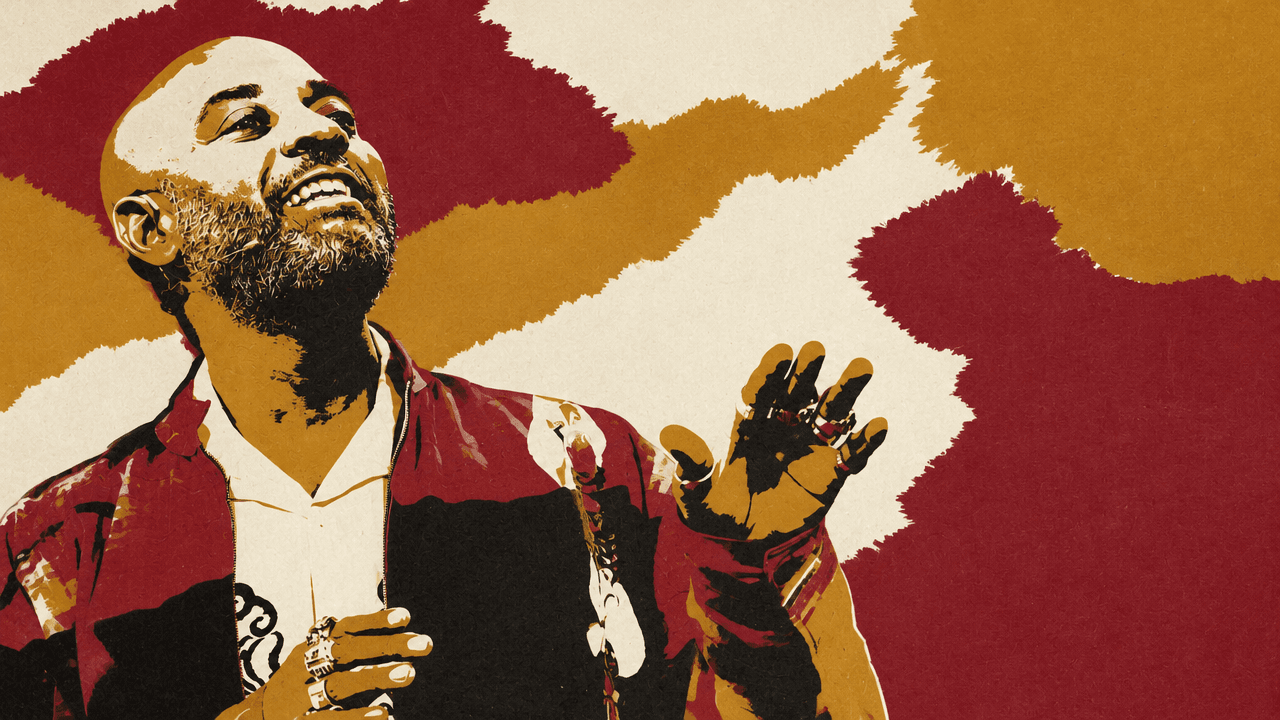
A library puts a book within reach
Reginald Betts says the first Freedom Library opened in a gutted cell at MCI-Norfolk a little more than a year after the idea was still “all a dream” in 2020. The second opened at Louisiana’s Angola State Prison. The libraries are placed on cell blocks so that men, women and children can step away from their bunks and reach for a book.
The photographs make the work concrete: one shows a man sorting books onto a short, curved wooden shelf in a plain room; another shows several men moving a shelf outdoors near a chain-link fence. In a third, men in a prison facility browse books on a shelf. Betts says the project has opened more than 600 Freedom Libraries, putting books he once dreamed of reading into other people’s hands.
The project began with a question about what he would do for people in prison if money were no issue. Betts answered:
We put millions of people in prison. I would put millions of books inside.
Asked how, he said, “One library at a time.”
What a shelf can mean in a prison dayroom comes through in a letter from Hillary, one of the first women in prison to receive a Freedom Library. Incarcerated for 20 years and serving a life sentence, she wrote that the smell of the wood and a new book could take her out of the place. She described herself as a lifelong reader and said the shelf was in her dayroom. After she was able to check out a book, she chose one that made her feel free.
The letter’s account is specific: the bookcase and the smell of a new book gave Hillary a moment of escape, while the delay before she could borrow one made access feel newly tangible. Betts reads her words aloud, including her hope that freedom would come soon.
Looking for possibility in a place built to confine
Betts says his idea that “you find what you look for” began with fruit. In solitary confinement, he mistook a mango for an apple and ate it until he chipped a tooth scraping the seed. Before he started juggling, he had tossed the mostly rotten apples he was served without a second glance. Juggling gave those apples a new purpose: he imagined keeping his troubles aloft in an orbit he had made. He did not learn the fruit’s name until he was home, in his mother’s kitchen.
Betts was 16 when he was sentenced to nine years for carjacking. He says he was small and had not won a fight since second grade; becoming a brawler was not an option he could count on. He remembers waiting for the judge to say the sentence was a dream. Instead, the judge acknowledged that prison would not help him, then told him he could “make the best of it, or not.” Betts took that as a choice about what to look for. On sentencing day, he decided he would be a writer, even though becoming a computer engineer or earning a college degree from prison seemed unlikely.
I thought not only of what I would lose, I was 16 years old planning who I would be when I left.
Books helped Betts imagine himself and others as people who could choose to be heroes rather than villains. In adjacent solitary cells, he and Star talked about their pasts and fantasy novels such as The Lord of the Rings. Star was a boxer; he taught Betts how to train and breathe, and how not to let frustration and a lack of discipline lead to a costly mistake.
Solidarity mattered beyond those conversations. When a lieutenant threatened to send Betts to solitary for crossing a yellow line to get a new book, Luke—whom Betts barely knew—pushed his belongings out of his cell and said, “If Shahid go to the hole, I go to the hole.” Other men began banging on their doors and demanding to be sent to solitary too. Betts was not sent back. Luke knew him mainly from playing basketball, but, Betts says, that was enough for Luke to see him as worth standing up for.
A paralegal course opened a route from prison work to parole
Betts’s legal path began with an argument. Mike G. asked whether someone who slipped at McDonald’s could sue if a wet-floor sign was present. After an hour of disagreement, Mike showed him a page about torts in a faded yellow book and told him he was wrong. Later, Betts spotted an advertisement for a paralegal course in Prison Legal News. His mother paid for it—not because he wanted to be a lawyer, he says, but because he did not want to be anybody’s fool.
The course led to jailhouse legal work. Betts recalls helping someone reduce a prison sentence by five years in exchange for a pack of tuna, a box of crackers and ramen noodles. After leaving prison on March 4, 2005, he tried to enroll at the University of Maryland, but did not know what “semester” meant. A counselor suggested community college. Betts earned an associate degree, a bachelor’s degree and an MFA, and published a memoir and a collection of poetry. He still could not get an interview for a teaching job.
At 33, with two young sons and a felony record, he was unemployed. The jailhouse work gave him another direction: he decided to go to law school. He says he was admitted to as many law schools as prisons where he had served time, including Harvard, Yale, the University of Pennsylvania, Georgetown and Michigan.
Betts went to Yale intending to become a public defender, but says he could not stomach seeing his young clients locked up. They reminded him of friends serving 30, 40 or 50 years, or life. He began representing friends, and says he failed repeatedly. Then Luke found him again. Betts went to the parole board with Luke’s blind mother, as if he were her son. Luke made parole, followed by Keith, Fats, Juvey, Terrell and Dempsey. All six, Betts says, had been sent to prison as teenagers.
He kept returning to prisons for friends, clients and poetry readings. When someone asked what he would do for people inside if money were no issue, he answered with the idea that became Freedom Reads: millions of books, delivered one library at a time. Luke and Terrell now return with him to open libraries. The men who helped him hold on to hope are, in Betts’s words, “handing it out to others. Unnamed. Unannounced. One book at a time.”