The Dignity Index Scores Political Language, Not the People Using It
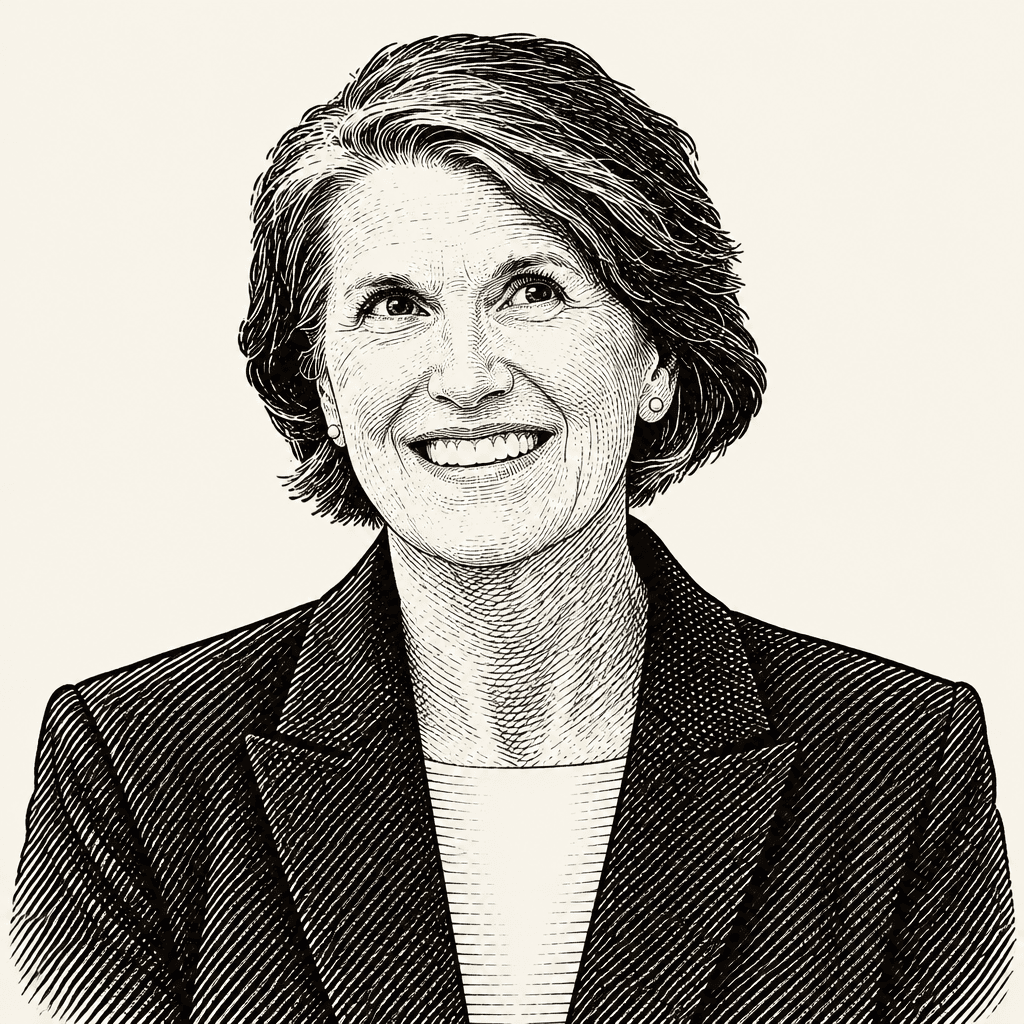
Tami Pyfer argues that political disagreement becomes dangerous when it turns into contempt: the belief that people on the other side are not merely wrong but evil or undeserving of a place in the community. Drawing on her experience as a former Utah policy adviser and a mother of five children with different political views, she and her colleagues developed the Dignity Index, an eight-point scale for assessing language in political disputes. Pyfer says the tool can help people recognise contempt in their own words and make room for disagreement without denying one another’s dignity.
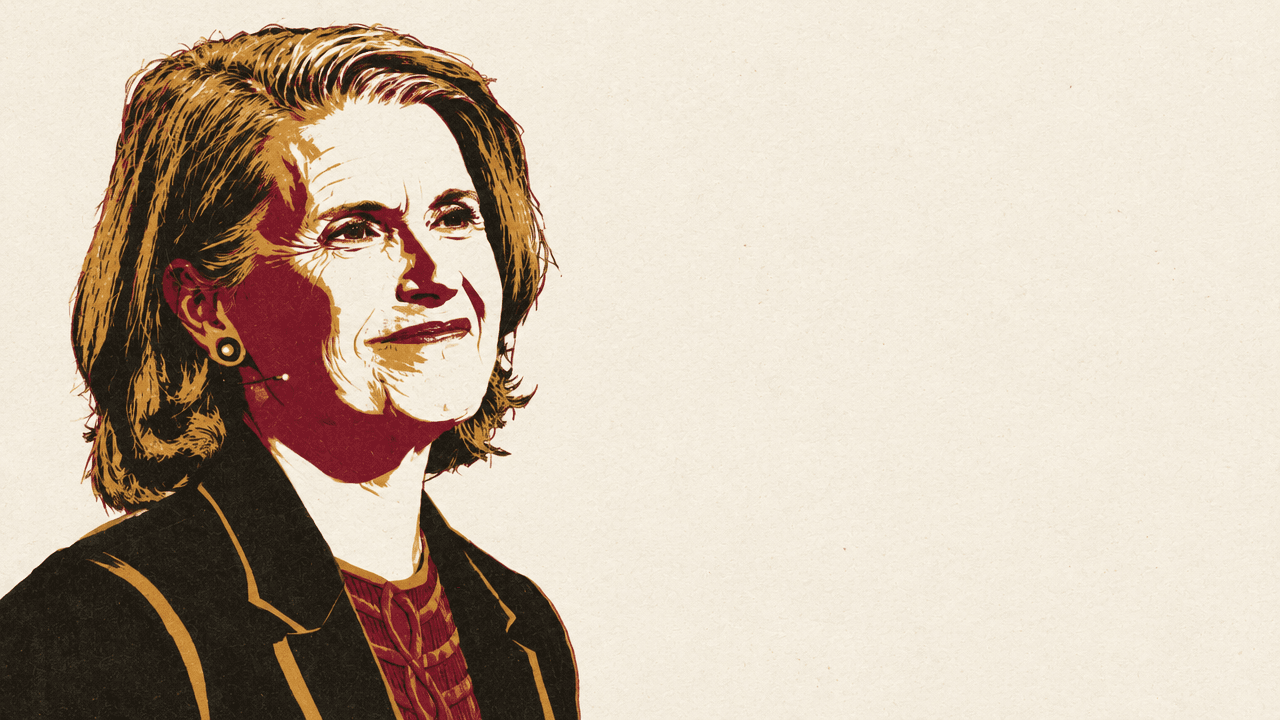
Political disagreement became contempt at home
Tami Pyfer Pyfer once saw raising children with independent political views as a parenting win. Then political differences began changing how her family treated one another. Her five children identify as independent, Democrat, democratic socialist, libertarian and Republican; her husband is an unaffiliated conservative, and she is a moderate Republican.
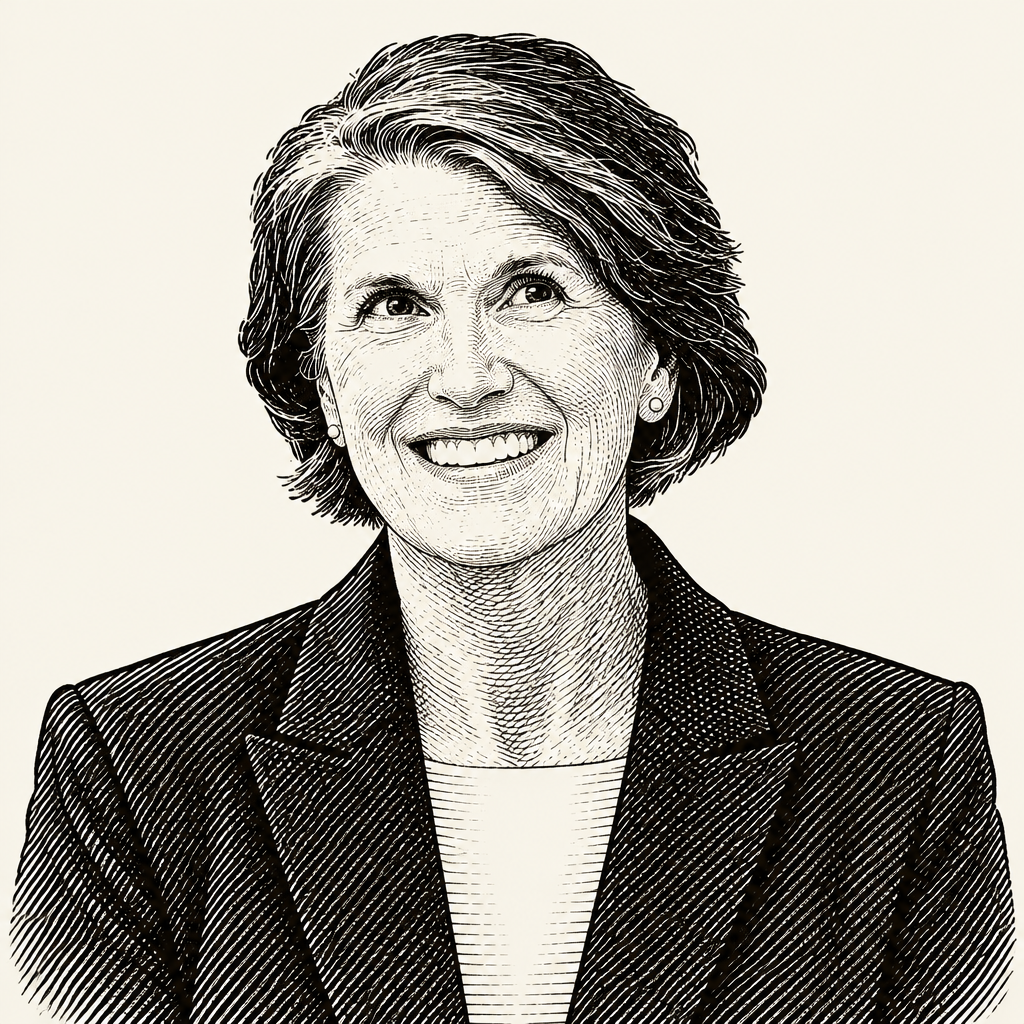
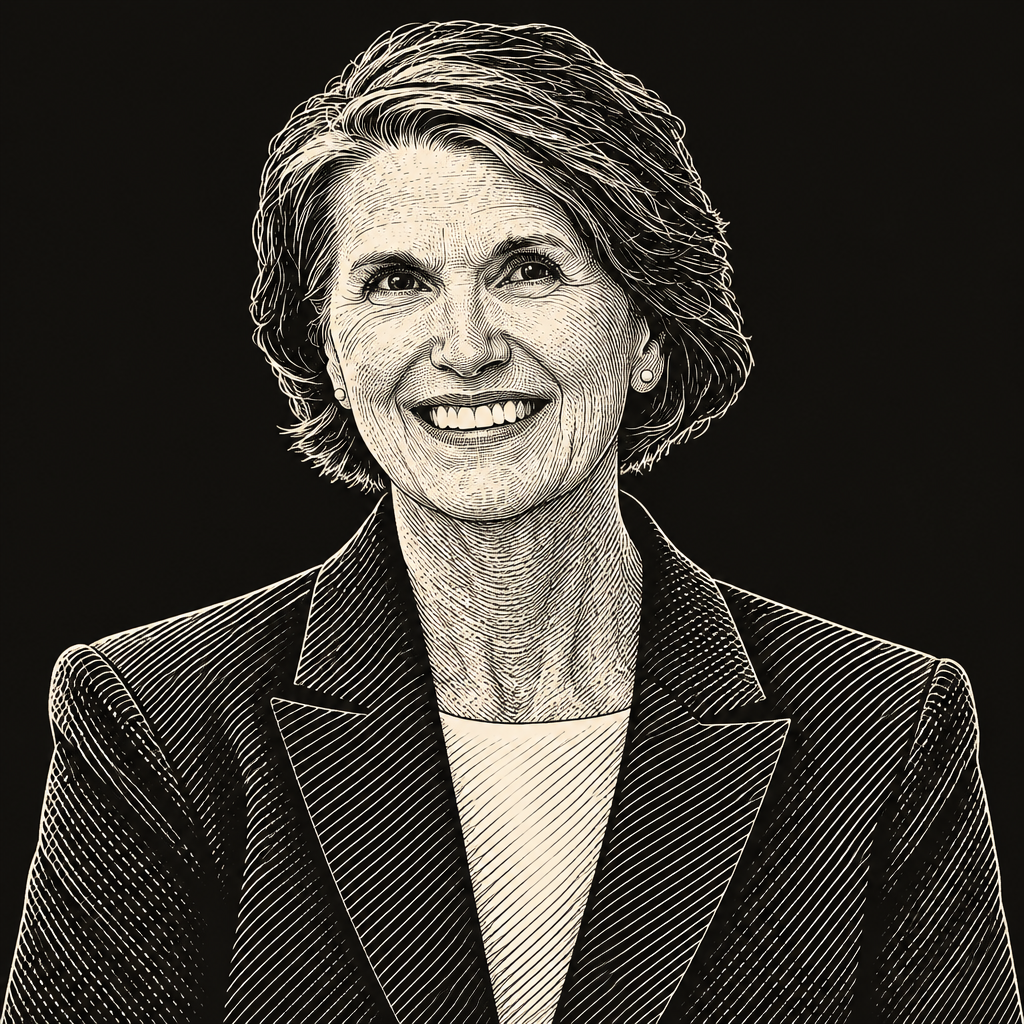
Their conversations grew tense. They argued sometimes, but more often avoided subjects that might stir controversy. Thanksgiving came with a no-politics rule, though one unguarded remark could break the truce. Pyfer eventually recognized something beyond disagreement: contempt, the sense that the other side is not merely wrong, but dangerous or evil. She says contempt erodes trust, weakens relationships and divides communities; over time, it damages democracy.
Her understanding of perspective took shape in a less political setting. As Utah’s education policy adviser, she supported elementary students who had started a portrait business. The drawing they made from a photograph of her musician son gave him a vivid blue beard. He loved it and hung it in his studio. A drawing of Pyfer and her husband, however, made her wince: a favorite photograph looked very different through the children’s eyes. The gap was uncomfortable, she said, but seeing yourself through another lens can create room for growth.
The scale distinguishes belonging from engagement
Tami Pyfer Pyfer and her colleagues created the Dignity Index to make the difference between contempt and dignity easier to see. It scores language used in disagreement on a scale from one to eight—not the people speaking. As she puts it, “No one is a three, no one is a seven.” People can move up and down the scale in different moments.
| Level | Language or stance |
|---|---|
| 1 | The other side is not human; destroying them is a moral duty. |
| 2 | The other side is evil and will ruin everything; it is us or them. |
| 3 | We are the good people and they are the bad people. |
| 4 | We are better than those people; they do not belong. |
| 5 | The other side has a right to be here and heard; they belong too. |
| 6 | Talk with the other side, looking for values and interests you share. |
| 7 | Engage fully, including over values and interests you do not share, while staying open to mistakes or changing your mind. |
| 8 | Treat everyone with dignity because each person has inherent worth. |
The transition from contempt to dignity is not simply a shift from hostility to politeness. At level five, the other side is recognised as having a right to belong and be heard. Level six goes further: people talk across the divide and look for shared values and interests. At seven, they engage even with values and interests they do not share, while remaining open to error or a change of mind. Level eight grounds that practice in the belief that every person has inherent worth, regardless of what they believe or achieve.
Pyfer illustrates the scale with three quotations. She scores a line from Senator John McCain’s 2008 concession speech to Barack Obama as a six: “I’ve always believed that America offers opportunities to all who have the industry and will to seize it. Senator Obama believes that, too.” For Pyfer, the sentence looks for shared values across political disagreement.
By contrast, a political fundraising email describing the American Dream as “under attack” by the “woke left” or “radical right,” and saying the fight has entered people’s homes, scores two. It portrays the other side as evil and as a danger to everything its audience values. A line attributed to Benjamin Franklin earns a seven: he said he had often been obliged by better information or fuller consideration to change opinions, even on important subjects. Pyfer reads that as a willingness to engage with people who disagree and remain open to being wrong.
The mirror effect turns the tool inward
Tami Pyfer The index was initially designed to score political speech. People often approach it as a way to assess someone else—a senator, a boss or a spouse. But they may then remember dismissing or mocking someone because of their views, or rolling their eyes, and recognise contempt in their own conduct. Pyfer calls this the “mirror effect.”
The index can shift from a way to judge opponents to a way of seeing one’s own role in division. Once people recognise contempt in their own behavior, Pyfer says, it becomes harder to use.
She also revises the way she describes her family. Political labels capture only a small part of who her relatives are: thoughtful, loyal, creative, generous and genuine, among other qualities. Family members have to remind themselves of these humanising traits amid their political differences. They still do not agree on politics, but they agree that they should treat one another with dignity.
Dignity makes it possible to cross a divide
Tami Pyfer Pyfer describes a political event where she was invited to give her first formal presentation on the Dignity Index. The speeches and topics were the same ones that had caused tension between her and her husband. Sitting at the back of the room, she worried that a talk about dignity would not land with the audience and told him she felt she did not belong there.
Her husband encouraged her to speak, then coached her on how to connect with the group and help them feel understood without compromising her beliefs. Pyfer calls the experience a breakthrough: a few years earlier, she says, they would not have known how to cross either the divide in the room or the one between them.
Pyfer’s conclusion is that democracy depends on healthy debate, and healthy debate depends on treating one another with dignity. The work can start, she says, with looking in the mirror.