Whole-Genome Embryo Screening Can Reveal Risks Standard IVF Tests Miss
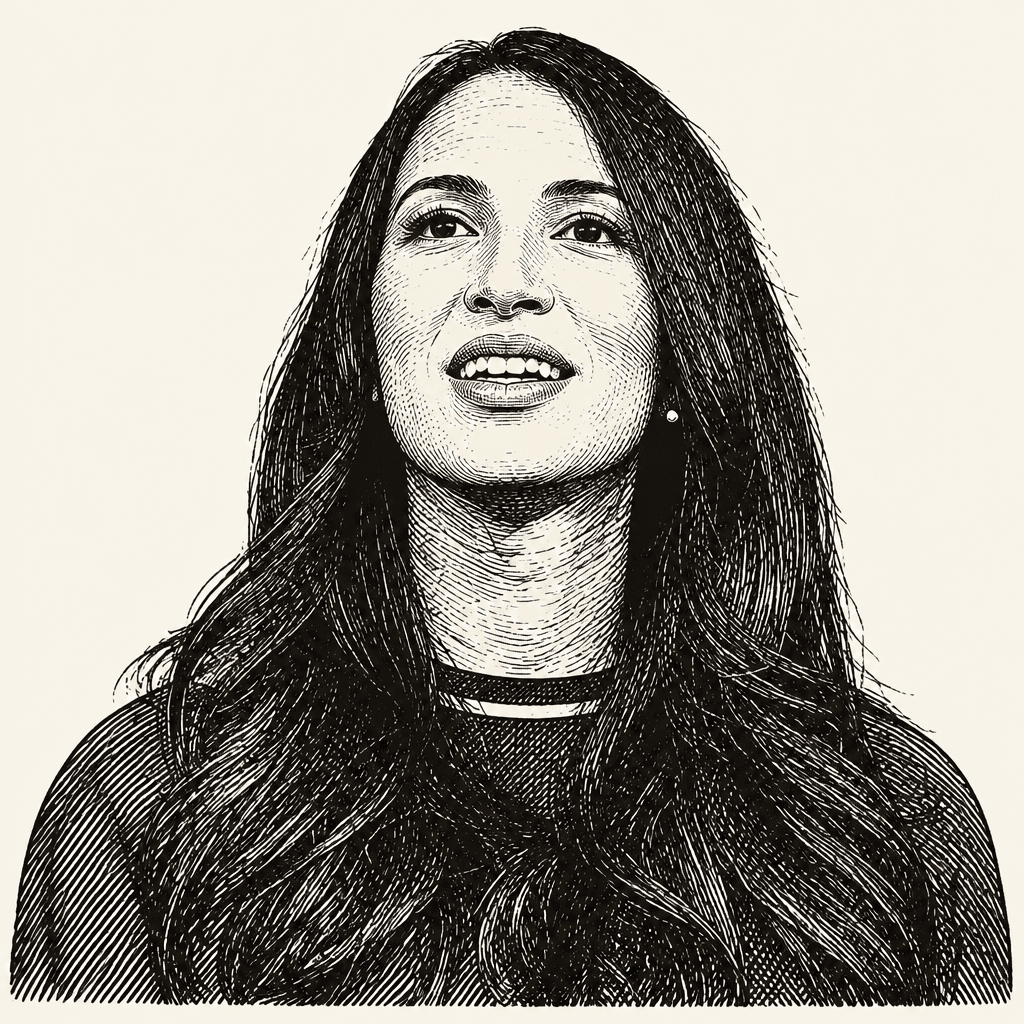
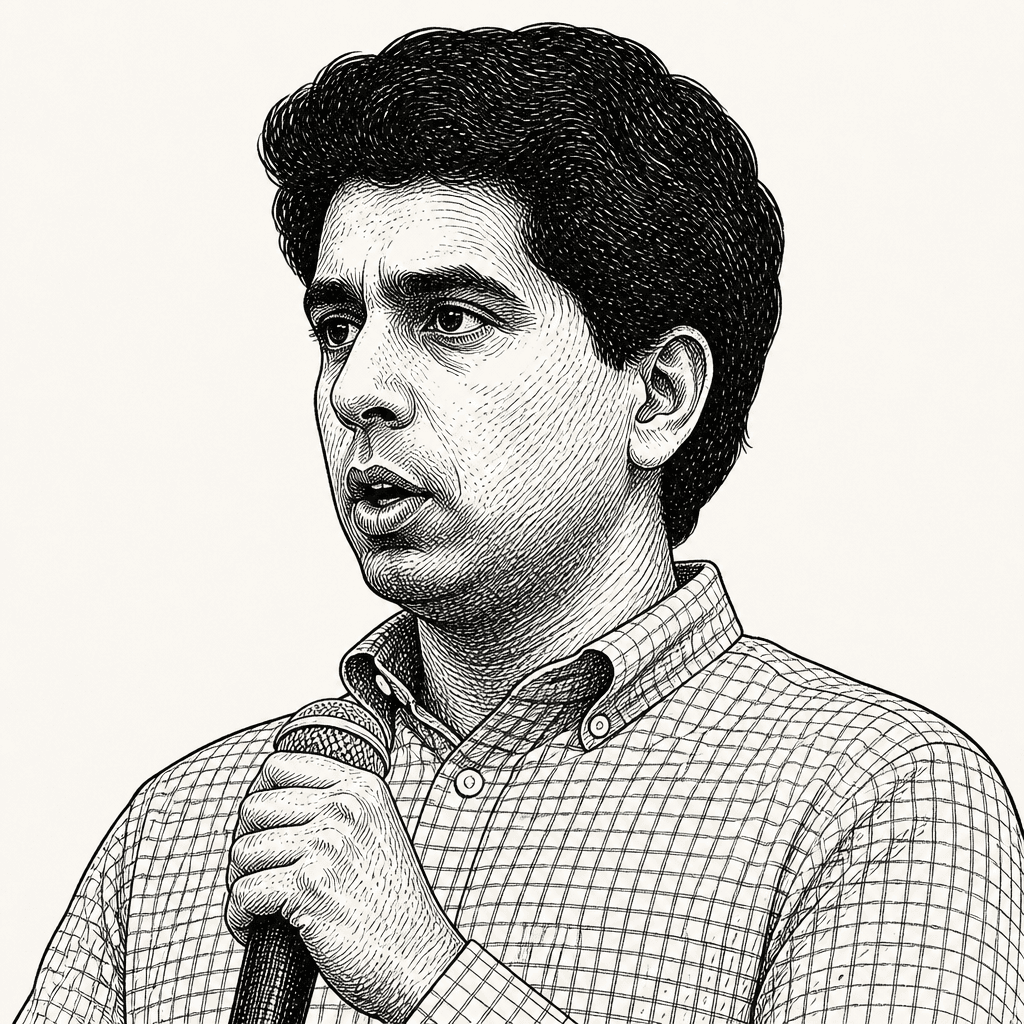
Noor Siddiqui argues that whole-genome sequencing can give parents using IVF information about embryo health risks that standard tests leave unread. Her company, Orchid, uses the technology to help parents choose among embryos; Siddiqui says this could reduce the risk of serious inherited disease. In her talk, she also discusses traits such as endurance and bone density, while leaving open where society should draw the line between disease screening and selecting for other characteristics.
Whole-genome sequencing reads what chromosome tests leave unread
For Noor Siddiqui Noor Siddiqui, embryo screening changes the role chance plays in inherited disease. In IVF, she says, parents can sequence an embryo’s entire genome and use that information to choose among embryos—not to alter DNA, but to learn more about it before pregnancy.
IVF clinics may create five to 15 embryos in a cycle. Siddiqui says the choice among them is made either by looking at how they appear under a microscope or by using the limited genetic information available from current tests. The distinction between chromosome testing and whole-genome sequencing is central to her case:
| Test | What it checks | What it can reveal |
|---|---|---|
| Chromosome testing | Whether each chromosome is present, missing or extra | An extra chromosome 21, for example, which Siddiqui identifies as trisomy 21 or Down syndrome |
| Whole-genome sequencing | The DNA letters across all three billion bases | Changes in the letters that chromosome-level testing does not read |
She compares the genome to a book of three billion letters arranged in 23 chapters. Chromosome testing checks whether the chapters are present; it does not read the letters within them. A chromosome can appear intact while carrying a change in its sequence. Whole-genome sequencing, she says, reads those letters, where a change of only a few can make a difference to whether a child develops a serious condition.
Siddiqui describes Orchid as the first company able to sequence an entire genome from an IVF embryo. The technical obstacle is the tiny amount of DNA available: an embryologist sends five cells, containing about 30 picograms of DNA. She says her team developed a method to copy that DNA hundreds of thousands of times without corrupting it. To show that the method works, she says, the company matched embryo results to babies born from those embryos nine months later.
The strongest case is for diseases current tests miss
Siddiqui’s motivation is personal. She watched her mother lose her night vision, then peripheral and central vision, before receiving a diagnosis of retinitis pigmentosa. By then, Siddiqui says, there was nothing clinicians could do. She founded Orchid because she did not want her own children to face a similar illness simply because of a genetic change no one had detected.
She puts the scale of the problem at 400 million people worldwide living with genetic disease, half of them children; she says 95 percent of those affected have no FDA-approved treatment. Scientists, she adds, have cataloged more than 3,000 genetic diseases. Many are not detected by existing IVF testing, carrier screening or prenatal tests such as NIPT, which she says examine less than one percent of the genome.
Whole-genome screening could allow parents to screen embryos for conditions including birth, heart and skeletal defects, neurodevelopmental disorders and genetic forms of autism. Siddiqui also describes a further use: estimating predisposition to complex diseases such as schizophrenia, bipolar disorder and heart disease. These risks arise from the cumulative effects of many genetic variants. Using datasets that pair genetic sequences with medical records, she says, models can rank embryos as having higher or lower genetic predisposition.
Siddiqui estimates that even a cycle with only five embryos could yield a 30 to 50 percent risk reduction under these models. She says the models will improve as more data become available, allowing parents to reduce more risk with fewer embryos.
A story about one family gives her argument its most direct form. Mia was born with lissencephaly, a terminal brain disorder. Siddiqui says Mia’s mother had carrier screening and NIPT, tests that evaluate less than one percent of the genome and cannot identify the vast majority of genetic diseases she discusses. She does not say those tests specifically ruled out or missed Mia’s mutation. Now pregnant again after screening embryos with Orchid, Mia’s mother, Siddiqui says, has more confidence that her next child will not suffer in the same way.
Same mother, same love, different outcome. Not because of luck, because of a choice.
Siddiqui also describes Lydia, who was born with a serious neurodevelopmental disorder caused by a single base-pair mutation in the KCNQ2 gene. Her parents used Orchid when they wanted another child; Siddiqui says their younger daughter, Lucy, will not have the same disorder. She frames the two outcomes as a contrast between a child who became a patient and one who gets to be a kid.
Health screening leaves the boundary unsettled
Siddiqui’s argument is not limited to avoiding disease. She describes traits that she calls “superpowers”: a Finnish Olympic skier with a single-letter change affecting red blood cell production and endurance; a Midwestern family with unusually high bone density; and women with four color receptors, able to distinguish far more colors than most people. She argues that wanting to protect a child and reduce suffering is a natural human impulse. She also says sex and reproduction have separated: sex is for pleasure, while embryo screening is for having children.
In the brief exchange after the talk, Sal Khan Sal Khan asks two questions: whether a technology that costs money will give an advantage to families with more resources, and where to draw the line between health screening and selecting for traits such as enhanced sight, bone density or endurance. He also raises CRISPR in asking where that boundary belongs.
Siddiqui answers the cost question by comparing screening with the expense of treating disease: the first approved gene therapy for her mother’s condition, she says, costs a million dollars per eye. She describes IVF and screening as affordable by comparison. On the boundary question, she does not set a limit or propose a rule. She says the decision requires a wider societal conversation because the technology and its capabilities are advancing quickly.
I think that's going to be a really big societal conversation that needs to be had because the technology is moving so quickly and the capabilities are moving so quickly.