Waymo Frames Driverless Cars as a Safety Imperative, Not a Novelty
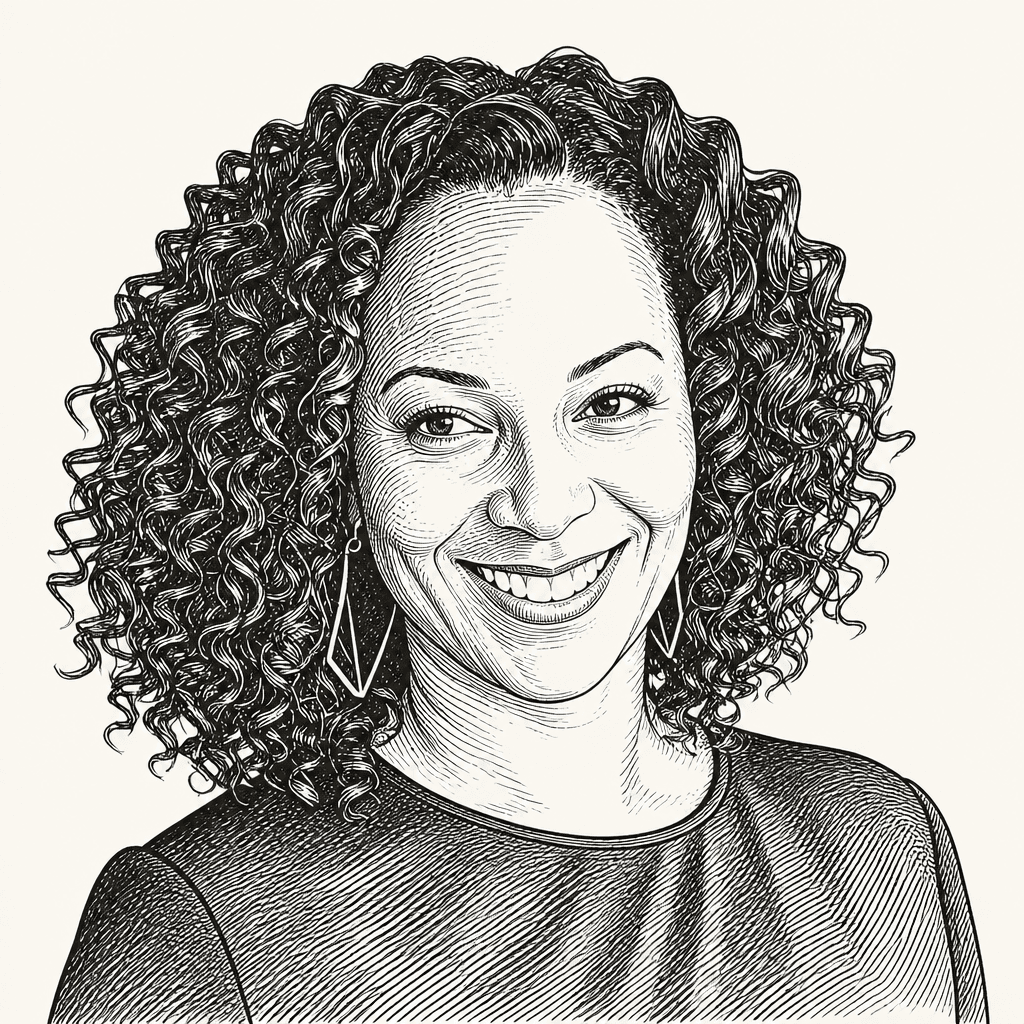
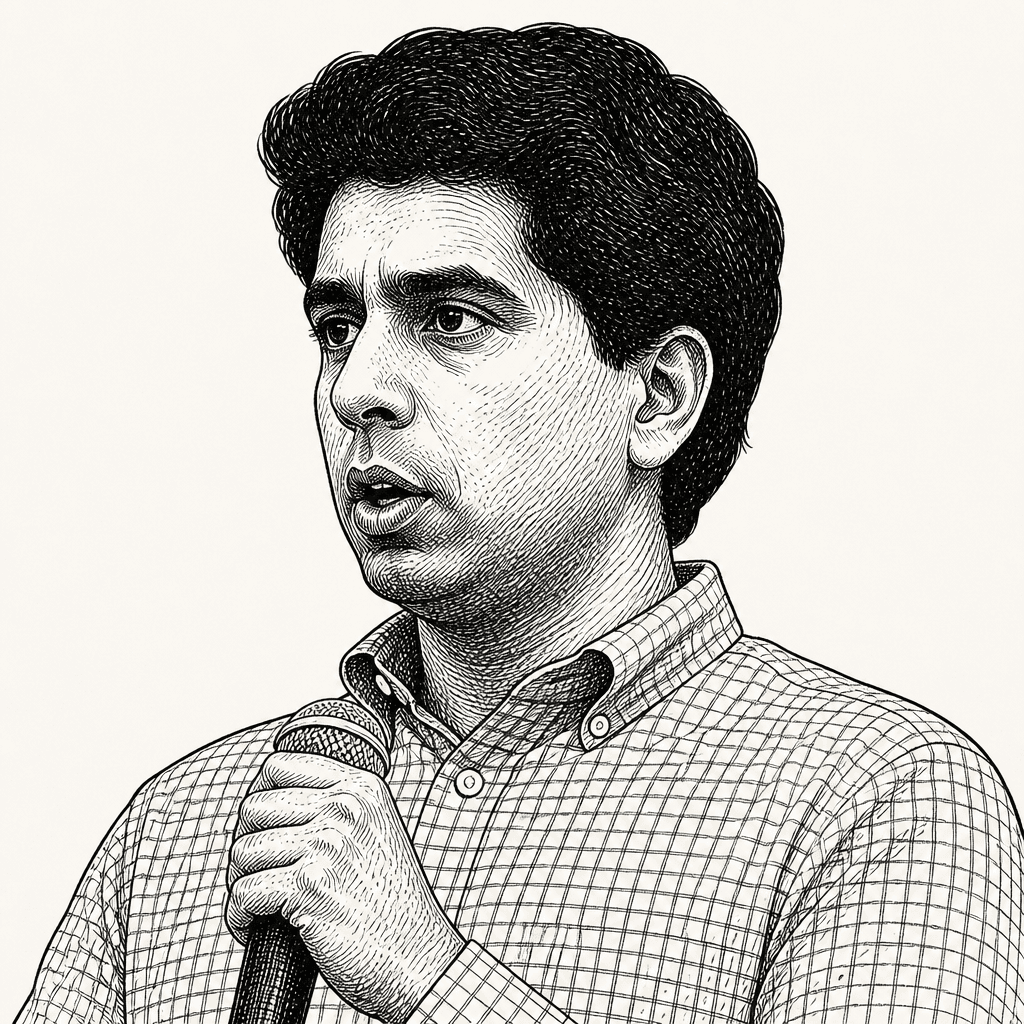
Waymo co-CEO Tekedra Mawakana tells TED’s Sal Khan that the case for fully autonomous vehicles is no longer mainly about whether the technology can drive, but whether cities and regulators will allow it to scale. Her argument is that Waymo’s safety data should be judged against the existing human-driving system, which she says society has grown too willing to accept despite tens of thousands of deaths in the US each year and far more globally.
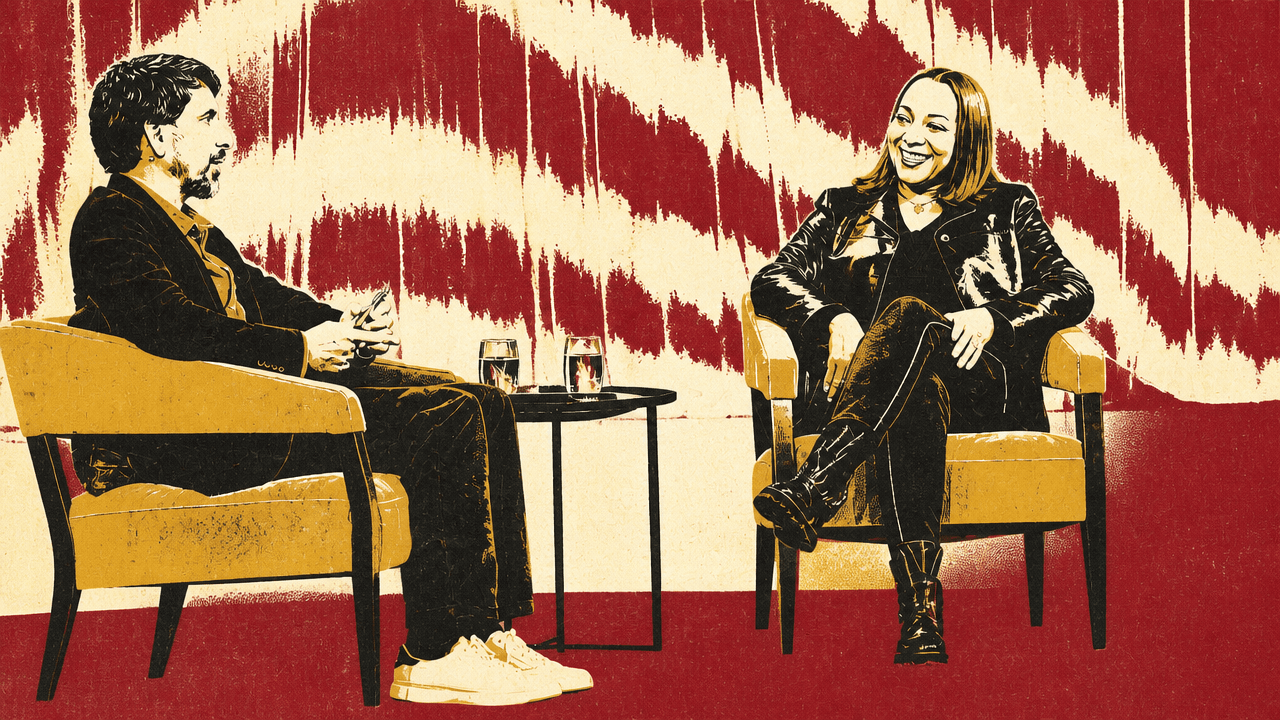
Waymo’s threshold is no longer whether the car can drive, but whether cities will let it scale
Waymo has moved, in Tekedra Mawakana’s telling, from the question that defined much of autonomous-vehicle development — whether the technology can work well enough to deploy — into a scaling phase where the limiting factor varies by market.
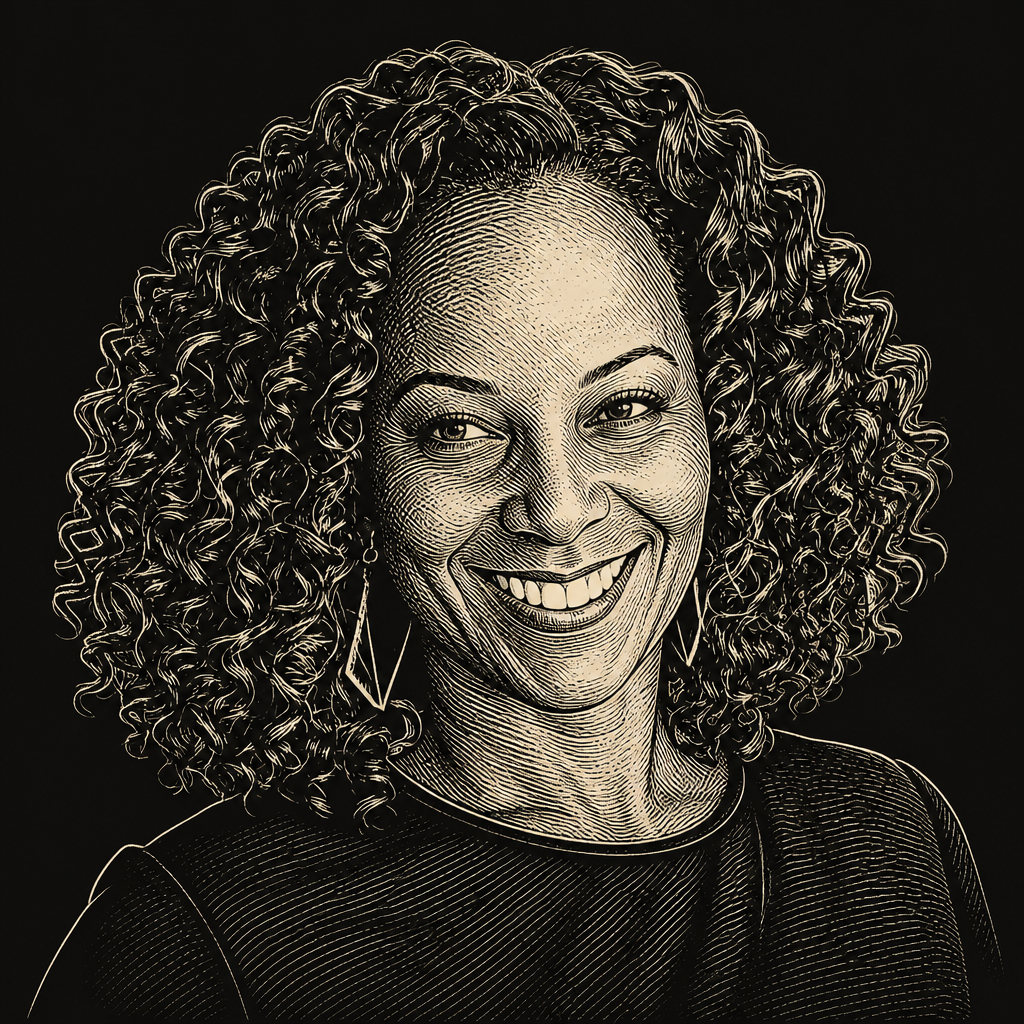
The company is operating in 11 cities, providing 500,000 trips per week in the United States, and aiming to reach one million trips per week by the end of the year. Mawakana said its fleet is about 3,000 vehicles, and that the “single Waymo driver” — the company’s term for the autonomous driving system — drives more than four million miles per week. She compared that to a human driver’s lifetime total of roughly 700,000 miles, describing Waymo’s current weekly volume as “six lifetimes of human driving per week.”
The consumer experience behind those numbers is meant to feel ordinary precisely because the underlying shift is not ordinary. Sal Khan showed a backseat video of his family’s first Waymo ride: two of his children in the rear seats, no driver present, the steering wheel turning on its own, and a passenger screen showing “Start ride,” “Hello from Waymo,” and “Dropoff in ~ 1 min.” Khan joked that they were “being driven by a ghost.” The demonstration was brief, but it established the product claim Waymo is trying to normalize: a car that arrives, drives and drops passengers off without asking anyone in the vehicle to supervise the road.
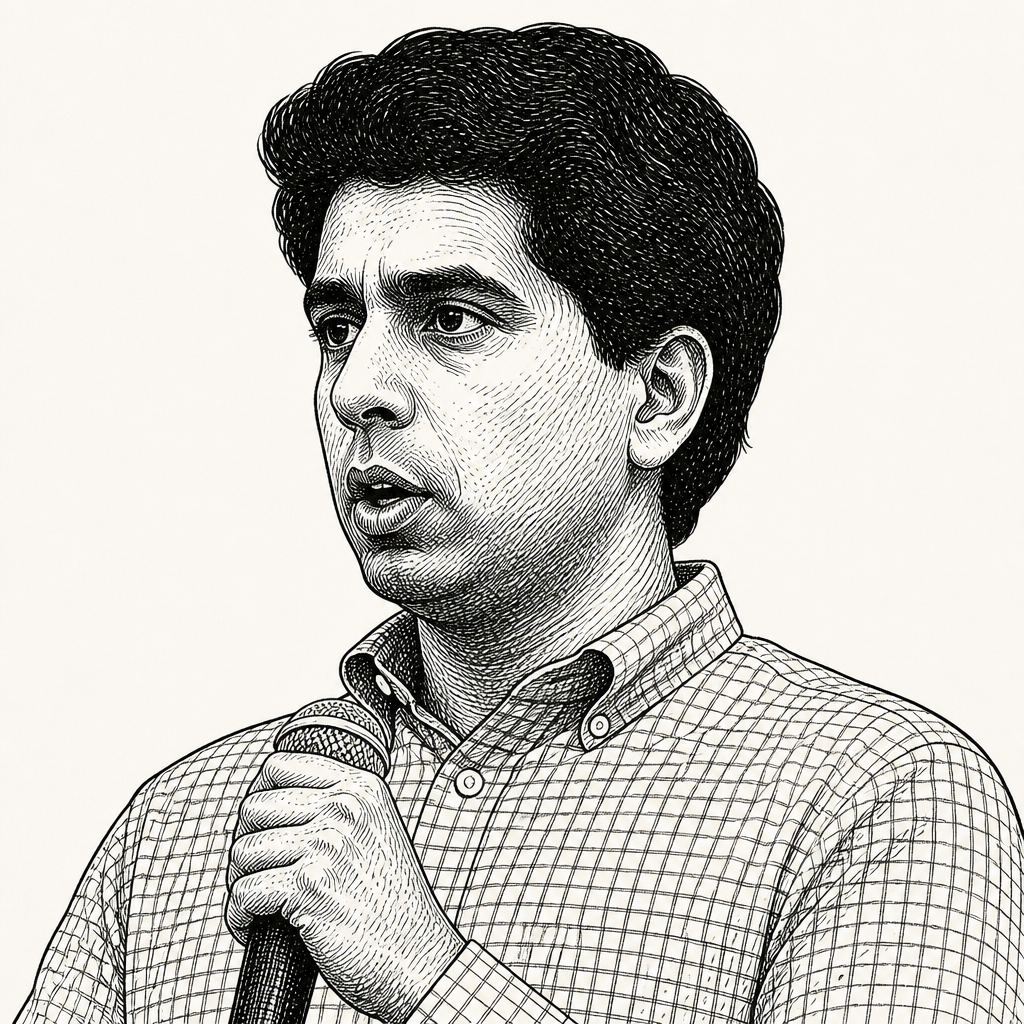
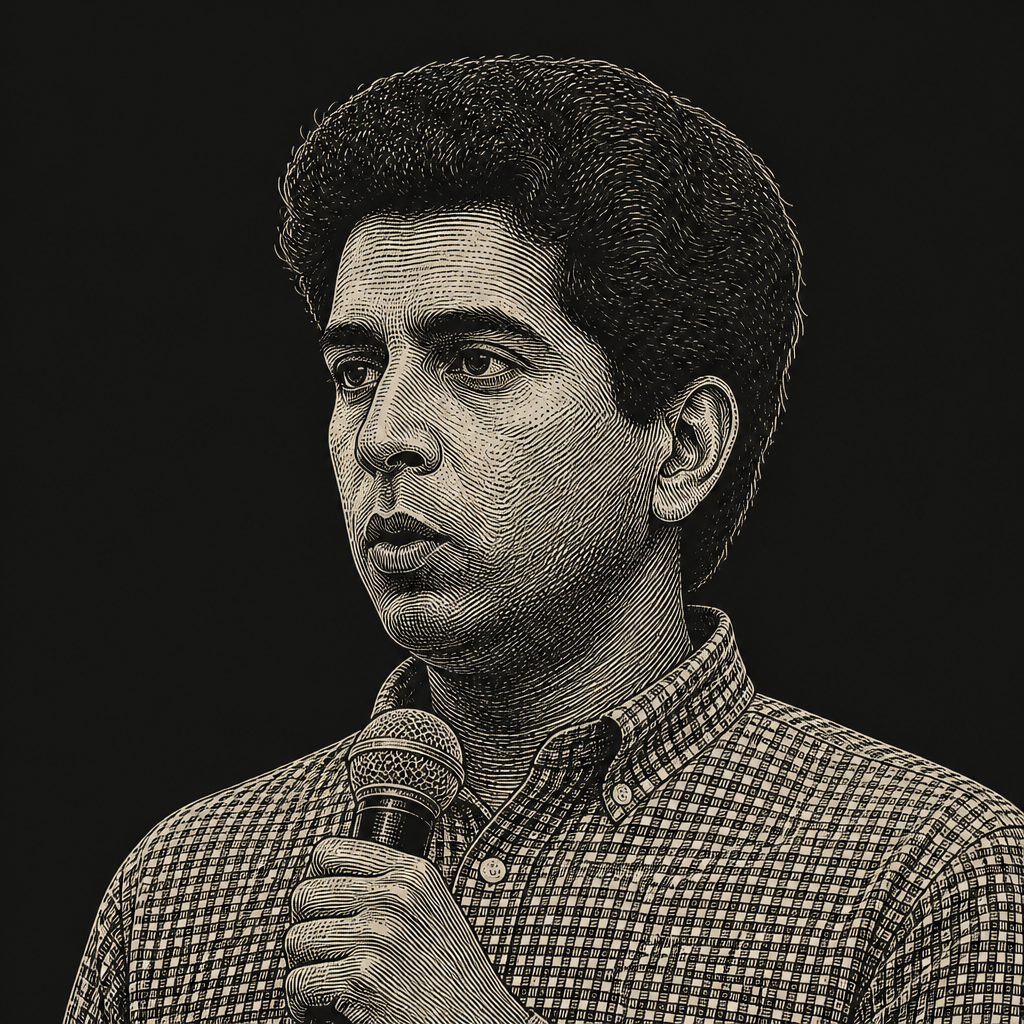
Waymo also operates at four airports, according to Mawakana: San Antonio, Phoenix, San Francisco and San Jose. In London and Tokyo, she said Waymo has moved from manual driving to fully autonomous driving, though people remain behind the wheel and “we haven’t launched a service yet.” She described those two cities as Waymo’s first planned international markets.
Asked what is slowing wider deployment — safety, regulation, or something else — Mawakana said the answer depends on the market. In some places, regulation is the constraint. More broadly, the company first needed to show that the autonomous driver could produce the safety outcomes Waymo wanted.
The company has driven more than 200 million miles over its lifetime, she said. Based on 170 million miles of data, she said Waymo can now claim a 13-fold reduction in serious injury-causing crashes compared with a human driver, and the same level of reduction for injuries involving pedestrians. Her summary was that Waymo is “just over 10 times safer than a human” at that mileage base.
Khan emphasized the scale of the claim. He said Waymo had driven the equivalent of roughly 300 lifetimes; Mawakana corrected the figure to 240 lifetimes. Khan also stated that a Waymo had not caused a death. Mawakana agreed.
Those stated safety claims are central to Waymo’s deployment case because Mawakana’s argument is not merely that autonomous vehicles are convenient or novel. It is that road deaths are an accepted mass-casualty problem, and that a technology the company believes can materially reduce them should be treated with urgency. Scaling, in this account, is institutional work as much as technical rollout: Waymo has to work with cities, regulators and first responders in markets that may be open, closed or somewhere in between.
The safety argument depends on making the status quo feel unacceptable
The most forceful part of Tekedra Mawakana’s case was not a claim about novelty. It was a claim about social tolerance: people have become too comfortable with deaths and serious injuries on roads. Sal Khan put the potential upside in blunt terms: roughly 40,000 people die every year in car accidents in America, and around one million globally. If the technology became universal and performed at the level Mawakana described, Khan suggested, it could save hundreds of thousands of lives globally and tens of thousands in the United States.
Mawakana answered that this logic “undergirds” the company: “safety is urgent.” If the technology can perform at this level, Waymo has a responsibility to figure out how to deploy it. But she also described active resistance. Policymakers do not always welcome the service, so the burden falls on Waymo to demonstrate its safety record.
She pointed to several ways Waymo tries to make that case: a public safety hub, data transparency, and handing data to researchers so they can make their own arguments. She also cited Dr. John Slotkin, a neurosurgeon, who she said calculated that $900 billion to $1.25 trillion could be saved if every car on the road were a Waymo.
But Mawakana’s deeper argument was cultural. People do not experience traffic deaths as a single catastrophe, even when the aggregate loss is comparable. They experience them as isolated tragedies: “this person’s mom,” “my uncle,” one family at a time. Because of that, she argued, society does not respond with the collective outrage it would show if the same number of people died in a more visibly concentrated way.
People are really comfortable with the number of people who die on the roads.
Her comparison was aviation: if road deaths were experienced as “737s falling out of the sky every day,” they would be understood as mass casualties. Because they are distributed across neighborhoods, highways, cities and families, she said, people have accepted a status quo that she considers “totally unacceptable” — especially if technology can reduce the harm.
Khan raised a concrete example that, in his view, showed the difference between a headline and the actual safety performance being described. He recalled a “clickbaity” headline about a Waymo hitting an eight-year-old outside a school. His description was that a child darted into a street from behind or near a parked car, where traffic was coming, and observers assumed the child would die. The Waymo stopped rapidly and made contact at low speed; Khan remembered the speed as “like four miles an hour or something,” and said the child fell to his knees, brushed it off and looked at the car.
Mawakana supplied Waymo’s account of the Santa Monica incident. The Waymo had been traveling 17 miles per hour, she said, and slowed to six miles per hour before contact. “Obviously, we want to make no contact,” she added. But she described the response as “superhuman performance,” and said bystanders told Waymo the child would not have survived otherwise.
For Mawakana, incidents like that can change community perception because they put the autonomous system’s behavior beside the human-driving status quo Waymo is trying to displace. The comparison she pressed was not between a driverless car and perfect safety, but between a driverless car and ordinary human driving — including people who are distracted, drunk, tired, angry, or simply fallible.
Waymo wants a hard line between driver assistance and autonomy
The competitive question was less important to Tekedra Mawakana than the category distinction. Sal Khan asked how she views competitors, including Tesla’s robotaxi efforts and Amazon’s entrance into the sector, and how she thinks about the economics of the industry. Mawakana did not offer a detailed competitor-by-competitor analysis. Instead, she drew a hard line: if a person does not need a driver’s license to ride alone from point A to point B, the system is fully autonomous. In the “geeky sense,” she said, that is level four or level five autonomy. If the person must sit behind the wheel, respond to a beep, or take over at some point, she described that as level three, level two, or level one.
That distinction matters to Waymo’s strategy because the company sees partial automation as a behavioral trap. In 2012, Mawakana said, Waymo had what she called a “super cruise” capability: the system could drive ramp to ramp, but required human attention on surface streets. Employees were told to pay attention, and the company had cameras in the car for those internal tests.
Her account was that employees “immediately unplugged from the driving task.” They shaved, curled eyelashes, reached into the back seat, plugged things in, and behaved as though the car no longer required them to supervise it. That experience helped persuade Waymo that the company should not build a system that invites the human to disengage and then demands peak attention at the hardest moment.
They need an attentive human, after inviting the human to be inattentive, to be the most attentive at the moment when being most attentive is least convenient.
Mawakana described the history of vehicle safety as a series of attempts to patch around the problem: airbags, seatbelts, and other improvements developed in response to deaths. Those have made cars safer, she said, but “what hasn’t gotten safer is the human.” Waymo’s premise is that the way to reduce the danger of a multi-ton vehicle is to remove the dependency on a distracted or impaired human operator.
That does not mean she dismissed all driver-assistance systems as useless. They may produce safer driving when the human is attentive, she said. But she argued they are still “patching around the problem” rather than solving it as level-four autonomy. In her formulation, the key product difference is not branding — “autonomous,” “robotaxi,” or anything else — but whether the person in the vehicle is truly no longer responsible for driving.
The rider experience moves from fear, to boredom, to new uses for the car
The adoption curve Tekedra Mawakana described begins with the question, “Is it safe?” Then the person gets in. Then the ride becomes “kind of boring and amazing.” Soon it feels “not a big deal,” and the rider becomes the “coolest person” in their friend group for having used it. After that, imagination opens up: people begin asking what else they could do in a vehicle if they no longer had to drive.
That sequence was visible in the family ride video Sal Khan showed. The backseat view showed a steering wheel turning with no driver present, a rear-seat screen displaying ride progress and the children reacting to the car’s automated greeting. The visible interface included “Good afternoon, Gohan,” “Start ride,” “Hello from Waymo,” “Riding tips,” “Dropoff in ~ 1 min,” and “Dropoff at 3:55 PM.” When the car reminded passengers not to forget their “phone, keys, or wallet,” Khan added: “And sons. Don’t forget your sons.”
Khan asked what the world might look like in 10 or 15 years if fully autonomous vehicles become common: whether they could replace parts of traditional public transportation, change roads, and turn parking lots into parks.
Mawakana was careful not to present a definitive forecast. “Who knows,” she said. But she described several possibilities Waymo is already exploring or being asked about.
First, Waymo has partnered with transit from the early days and sees autonomous rides as a way to reduce some congestion in cities. Mawakana mentioned “kiss and ride” patterns from suburbs into urban cores, where Waymo rides could connect people to public transit. In Los Angeles, she said, Waymo has offered discounts when riders combine public transit and Waymo in either direction. The goal, as she framed it, is for the service to become part of a city’s mobility fabric rather than simply another private ride option layered on top.
Second, she pointed to land use. In dense cities, cars sit parked for much of the day, and many parking lots are centrally located. If fewer vehicles needed to sit idle in prime urban space, parts of cities could be recaptured. City planners have contacted Waymo, she said, to ask whether they need to keep making parking investments for the next 10 or 15 years, or whether they can begin imagining parking structures moving out and parks or community life returning to central areas.
Third, the rider experience itself could change. Once commuting time is no longer driving time, people begin proposing new uses for vehicles. Mawakana’s example was a pitch for a “yoga studio on wheels.” The point was not that Waymo is planning such a vehicle, but that autonomy changes the mental model of the car: it becomes a space where the rider can do something other than supervise the road.
Job displacement is real, and Waymo’s answer is still partial
Sal Khan raised the employment question directly. His uncle drives an Uber in New Orleans, he said, and driving is one of the largest job categories globally, especially for men but not only men: taxis, ride-share, long-haul trucking and other vehicle-based work. If autonomy succeeds, he asked, what happens?
Tekedra Mawakana answered partly from the same personal register. Her uncle was a truck driver, too, and the job was important to him. It was also, in her words, a hard job. She acknowledged the difficulty of sitting onstage as someone “building the world’s most trusted driver” while also addressing what happens to people whose work is driving.
Her answer was that the transition requires a thoughtful approach, and that Waymo is already seeing new jobs emerge around autonomous-vehicle operations. She named fleet technicians, fleet operators and “smart depot” professionals as AV-focused roles that did not exist 10 years ago. Waymo and its partners also hire everyday drivers, she said, because the company needs people to validate software and accumulate miles in different parts of the world.
Beyond those roles, Mawakana pointed to depot construction and operation, EV charging infrastructure, and fleet-operator partnerships as areas driving job growth as Waymo scales. She did not claim to have a full accounting of net job effects. “We’re just too early to be able to really quantify it,” she said.
She also cited specific training efforts. Earlier in the year, Waymo partnered with TechForce Foundation to help people studying to become mechanics train for autonomous-vehicle work. The goal, she said, is for that transition not to pass people by. Waymo is also running apprenticeship programs, including one in Los Angeles, and working on curriculum development with Bronx Community College at the City University of New York.
Her argument was that some workers can move from logistics into adjacent autonomous-vehicle roles with existing skills, while others may need training. She did not present that as a complete solution to displacement. She described it as one part of a larger transition that Waymo takes seriously.
She also broadened the economic effect beyond direct employment. In San Francisco, she said, Waymo’s first year of service drove $40 million in economic development for local businesses from out-of-town visitors. Her explanation was that trying a Waymo became a top tourist activity, and those riders then went to coffee shops and restaurants.
The labor answer, then, was not that autonomous vehicles create no disruption, and not that the new roles she listed fully offset driving jobs that may be displaced. Mawakana offered examples of job creation, training and adjacent work; she also acknowledged that the field is too early to quantify the net effect. Waymo’s position is that it has responsibilities in the transition, but her answer left the larger distributional question open.