Harmony Changes a Note’s Emotional Meaning Without Changing Its Pitch

Musician Jacob Collier argues that music derives its expressive force from “the wiggle”: movement and changing relationships rather than fixed notes or technical precision. Using Louis Armstrong’s “What a Wonderful World,” he shows how melody gains meaning through contour, rhythm through phrasing and space, and harmony through the way an unchanged note can take on a different emotional color when its chord changes. For Collier, musical structure matters not because it stays rigid, but because it allows tension, difference and return to register.
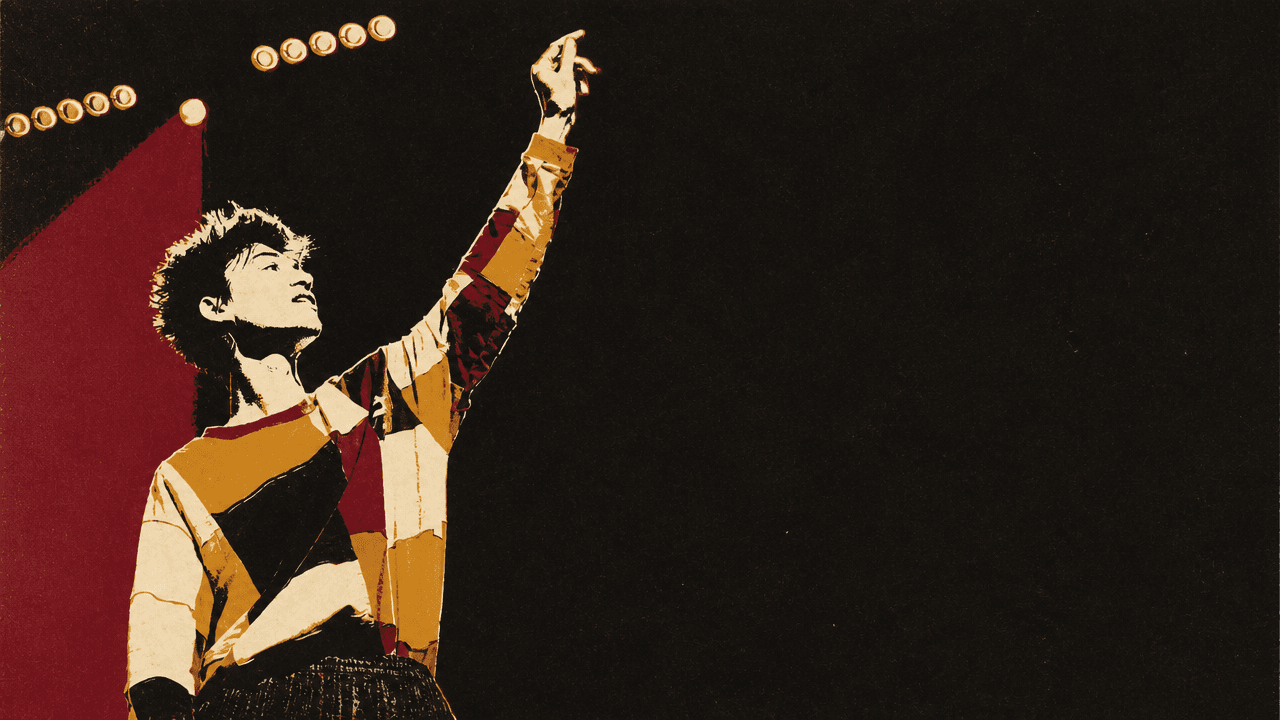
Music’s meaning lies in what moves and what relates
Jacob Collier calls the force that makes music feel alive “the wiggle.” The term is deliberately opposed to the straight line: something rigid, fixed and unyielding, like a Roman road or the hand of a clock. A wiggle, by contrast, is flexible, fluid and always changing shape.


That contrast is not just a visual metaphor. Collier’s account of music is that its expressive force does not reside in isolated notes or in technical correctness. Music is “wiggling air,” continually moving between high and low, loud and quiet, thick and thin. Meaning emerges through trajectory, timing and relationships among sounds.
The three familiar musical categories—melody, rhythm and harmony—are therefore not separate lessons so much as three ways movement produces meaning. Melody gives a line direction. Rhythm gives it bodily motion and temporal shape. Harmony changes the emotional significance of what is already being played.
Collier’s performance of “What a Wonderful World” makes the point in miniature. The song’s words describe trees, sky, clouds, daylight and night, but he argues that Louis Armstrong’s melodic contours help make those images felt. “I see trees of green,” sung with a shaped rise and fall, has a different effect from the same words delivered flatly. A melody is not merely a sequence of pitches; it is a line that travels and tells a story as it goes.
Rhythm makes that line inhabitable. Collier contrasts an even, stiff delivery of the lyric with Armstrong’s phrasing, which pauses, leans and leaves room. The difference is physical: as he demonstrates it, members of the audience begin to move. Rhythm is about time, but it is also about the body. It gives melody something to answer, rather than forcing every word into an uninterrupted sequence.
The central claim is that music becomes expressive not because every element is settled, but because elements remain capable of affecting one another.
An unchanged note can become a different feeling
Jacob Collier locates the strongest version of that argument in harmony, which he calls “the wiggles between the wiggles.” Harmony concerns relationships: the combinations of notes beneath and around a melody that determine how its movement feels.
His demonstration turns on a single pitch in the phrase, “And I think to myself.” The melody note stays exactly the same. Collier first places it over a chord that could comfortably continue underneath it, then changes the chord while holding the vocal note in place. Nothing about the sung pitch changes, but its emotional color does.
This note just completely changed color, yeah? Didn’t it? That’s the power of harmony.
The demonstration is more consequential than a lesson in chord voicings. It shows that musical meaning is relational. A note does not arrive with one permanent emotional identity; it is heard through its setting. Collier says a chord can “squint,” reassure, enchant, purify or terrify. The same melodic material can become warm, dark, lighter, sadder or more unsettled according to the harmonic ground beneath it.
Harmony is about relationships. It’s the wiggles between the wiggles.
That is why the song’s return “home” carries more weight than simply repeating its opening position. Collier hears the music beginning at home, moving through neighboring warmth, darkness and sadness, then returning after a journey. The final homecoming is more beautiful, he says, because it has traveled somewhere new. Tension and release, dissonance and consonance, are not distractions from the destination; they are what make arrival register.
The alternative to rigidity is not disorder
Jacob Collier extends the musical mechanics into a broader account of how to live with change. His point is not that music works without form. Melody still draws a line; rhythm still organizes time; harmony can still create a sense of home. But none of those forms depends on remaining fixed.
Being “in harmony” with the world, in his formulation, does not mean that everyone sings the same note at once. It means accepting dissonance while retaining the possibility of finding one’s way home. Being “in time” does not mean stepping into line; it means moving, recognizing when one’s time is right and leaving space for others. Being “in tune” is not perfection, but following a line while remaining open to where it leads.
Life does not work in straight lines. Life is full of curveballs, full of ups and downs. And either we yield and we bend and we soften, or we stiffen up and we break.
Collier’s “wiggle” is therefore not a case against structure. It is a case against treating structure as immobility. Music supplies the practical model: a line can have direction without becoming rigid; rhythm can create order without flattening motion; and difference can produce coherence without requiring sameness.