Free Time Is a Civil Right, Not a Reward for Work
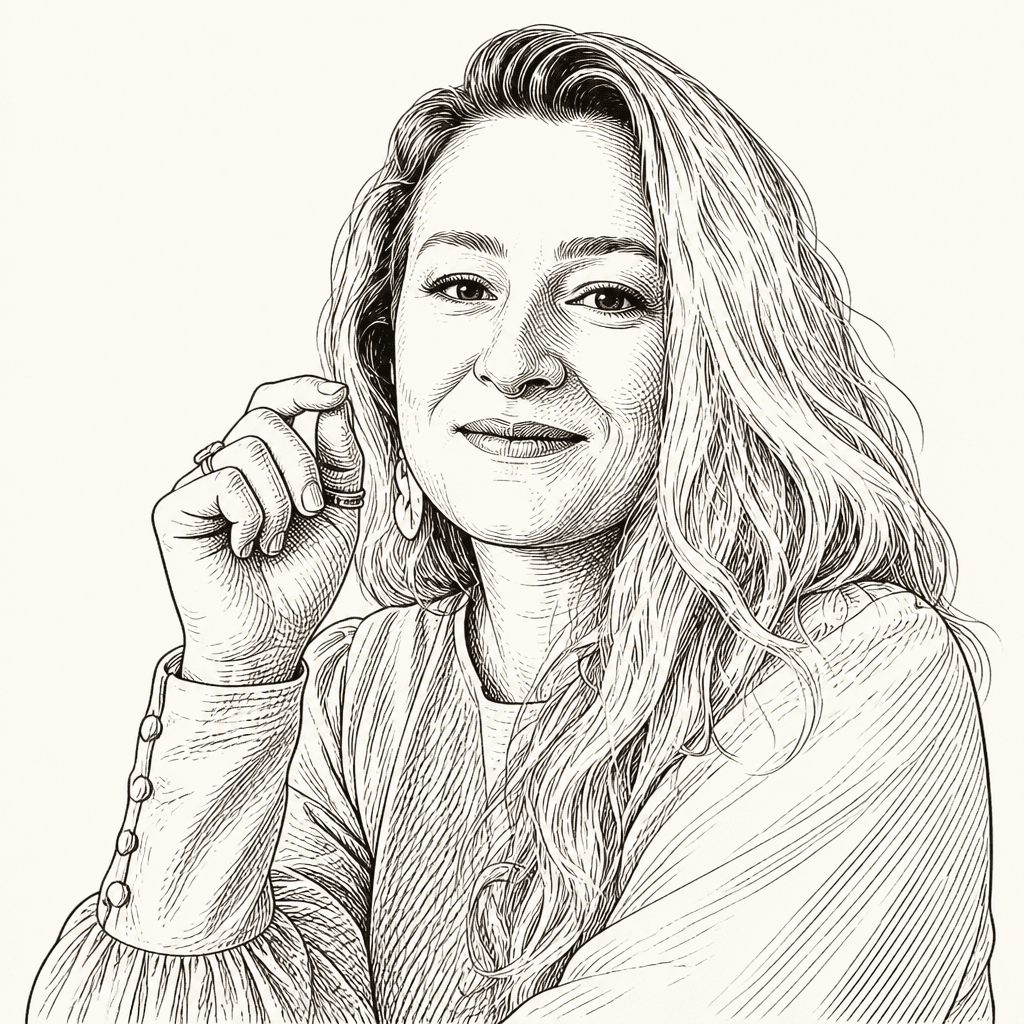
Writer and work expert Danielle Roberts argues that free time is a civil right, not a reward for hard work or a benefit to postpone until retirement. She warns that unequal access to time raises a question for democracy: whether citizens can participate when they do not control their own hours. Rest, she says, is infrastructure for civic life and for pursuing happiness.

Time, joy and rest are conditions of civic life
Danielle Roberts proposes a “time amendment” built on three resolves: time is a civil right, joy is evidence of a functioning democracy, and rest is infrastructure rather than a reward for a lifetime of work. Together, the principles challenge the idea that people must earn free time by working hard enough—or wait until later in life to claim it.
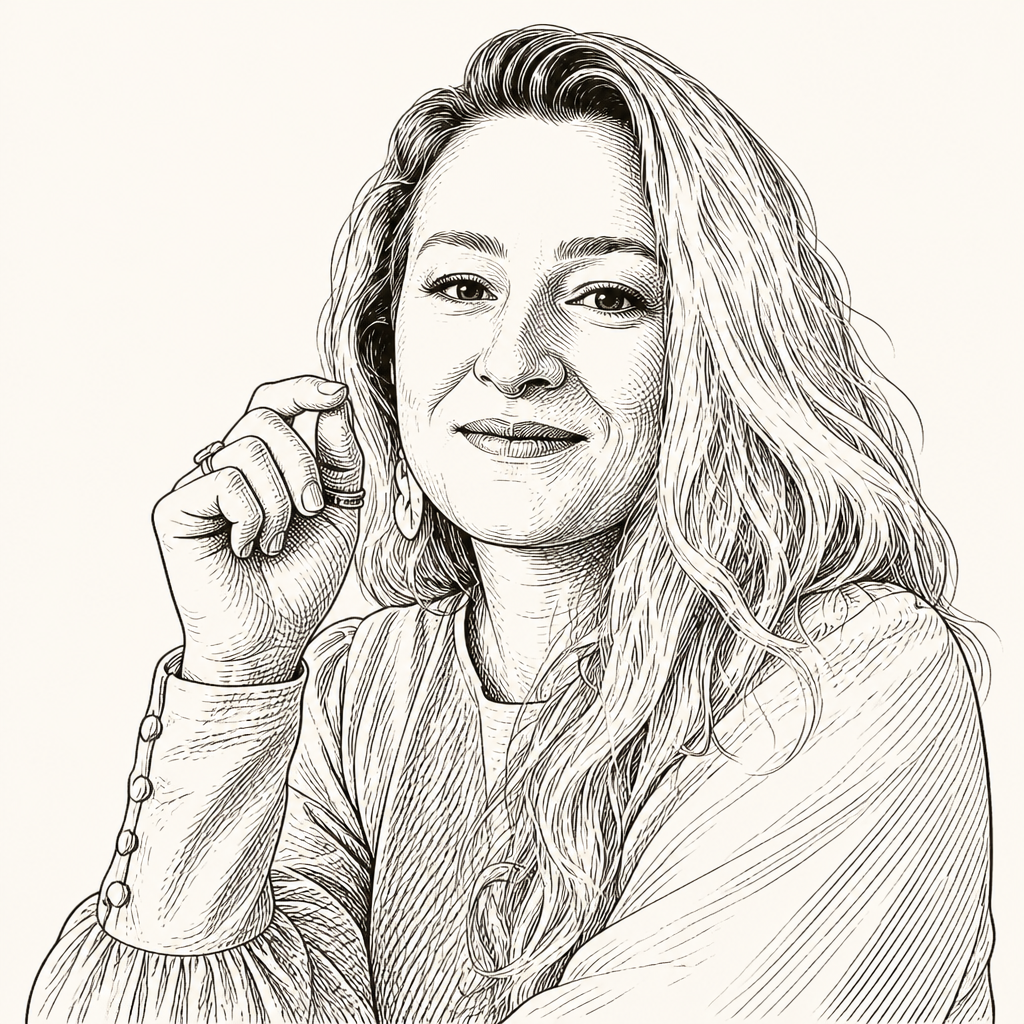

Roberts’s first resolve is that access to time should not depend on how much money someone makes or who they are. The second treats joy not as a distraction from political struggle but as part of what that struggle protects. Recalling Dan Savage’s account of the AIDS crisis, she quotes: “we buried our friends in the morning, we protested in the afternoon, and we danced all night.” The dance, Roberts says, helped people continue the fight because it was also what they were fighting for.
Her third resolve is that rest gives people the capacity to imagine and participate in a shared future. That makes rest, in her formulation, part of the infrastructure of civic life—not compensation reserved for people who have completed a lifetime of work.
The time-management frame hides who controls the hours
Roberts argues that the problem is not simply how people manage their schedules. More Americans are working multiple jobs to survive than ever recorded, she says. In that situation, advice about managing time misses the prior question: who owns the time being managed?
How are you supposed to manage time that's not even yours to begin with?
She calls unequal access to time a civil-rights issue and asks whether a democracy can survive when its citizens no longer have time to participate in it. Her concern is not limited to the number of hours available. It also includes the pace of daily life: moments of connection, she says, have been replaced by convenience. People get things delivered, rideshare to the airport rather than ask a neighbor, and elevate productivity to maximize the minutes they do have.
A claim to free time includes time with no assigned purpose
The model Roberts invokes is the labor movement’s fight, more than a century ago, for “eight hours for work, eight hours for rest, eight hours for what you will.” She emphasizes the last phrase: time that is neither work nor rest, and need not be put to another use.
Her examples are ordinary and specific: letting the sun hit your face, flipping cars when a Philadelphia sports team wins, or doing nothing without feeling guilty. The point is not to make every free hour meaningful or productive. Roberts warns against optimizing the life out of life while betting on a later that is not promised.
Her father’s retirement gives that warning a personal edge. He laid tile for 40 years; what he got for retirement, Roberts says, was knee surgery. He told her he thought he might get another job to keep busy. Roberts notes how uncomfortable being out of work can feel, then contrasts that discomfort with never having time to truly live.
The pursuit of happiness depends on more than a promise
Roberts begins from the distinction between a guarantee of happiness and the pursuit of it. She understands that pursuit as the freedom to choose how to spend one’s days, the space and focus to follow a passion, or the ability to be present with people one loves. Each, she says, requires time.
She returns to the founding promise as a promissory note written in gorgeous penmanship. A note is worth something only if somebody pays up; Roberts’s call is for people to show up and collect. In that argument, free time is not a prize for finishing work or a benefit postponed until retirement. It is part of what makes the pursuit of happiness—and participation in democracy—possible.
Rest is infrastructure, not a reward for a lifetime of hard work.