Imagination Builds Shared Worlds When the Script Breaks

Professional child actor Suki Hillier argues that imagination is not an escape from reality but a way people build a shared world, onstage and beyond it. Drawing on her experience playing Matilda in *Matilda The Musical*, Hillier says the work depends on disciplined rehearsal, trust among performers and an audience willing to enter the story. When a mid-scene mishap disrupted a performance, she says, that collective imagination allowed the cast to adapt without breaking the world they had made.

Imagination holds when the plan breaks
Suki Hillier describes imagination not as a private escape from reality, but as the work of making a shared reality with other people. The clearest test came during a performance of Matilda The Musical at London’s Cambridge Theatre, where Hillier shares the title role with three other girls.
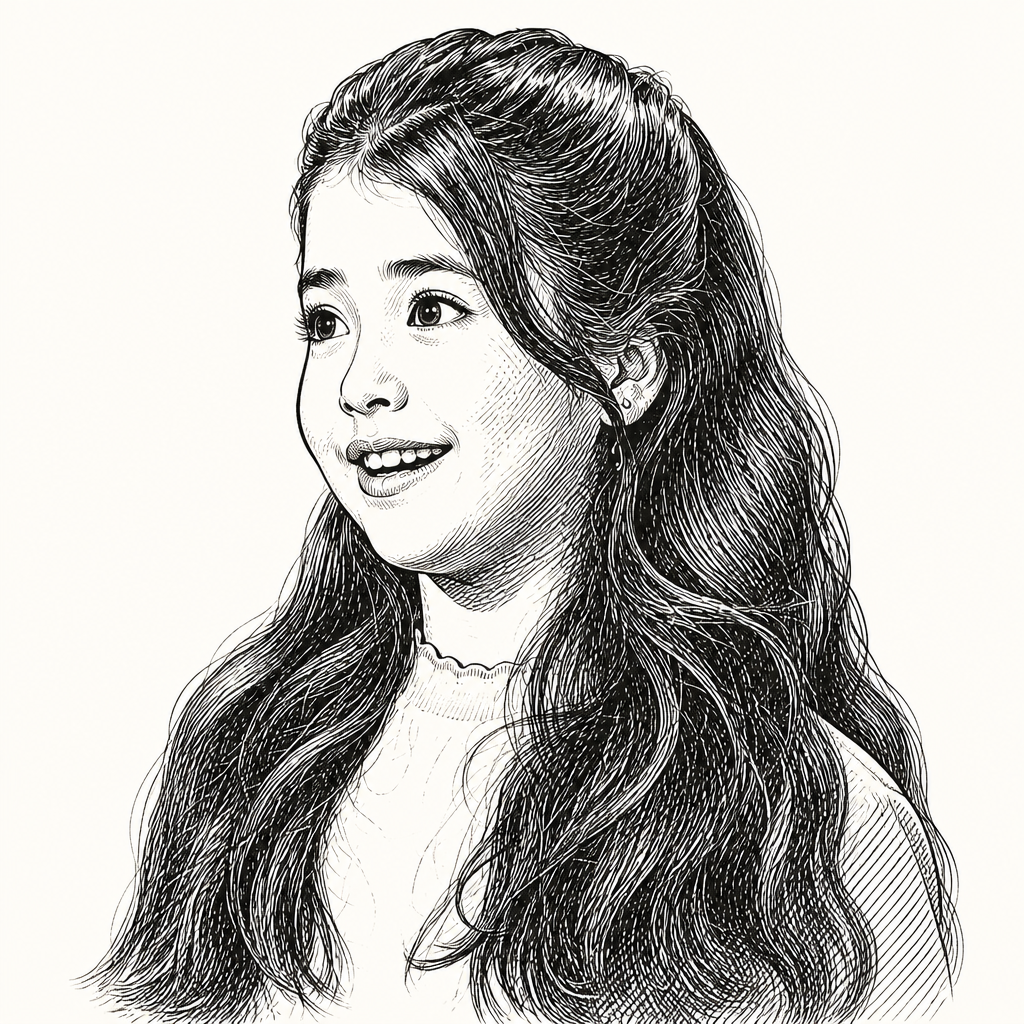
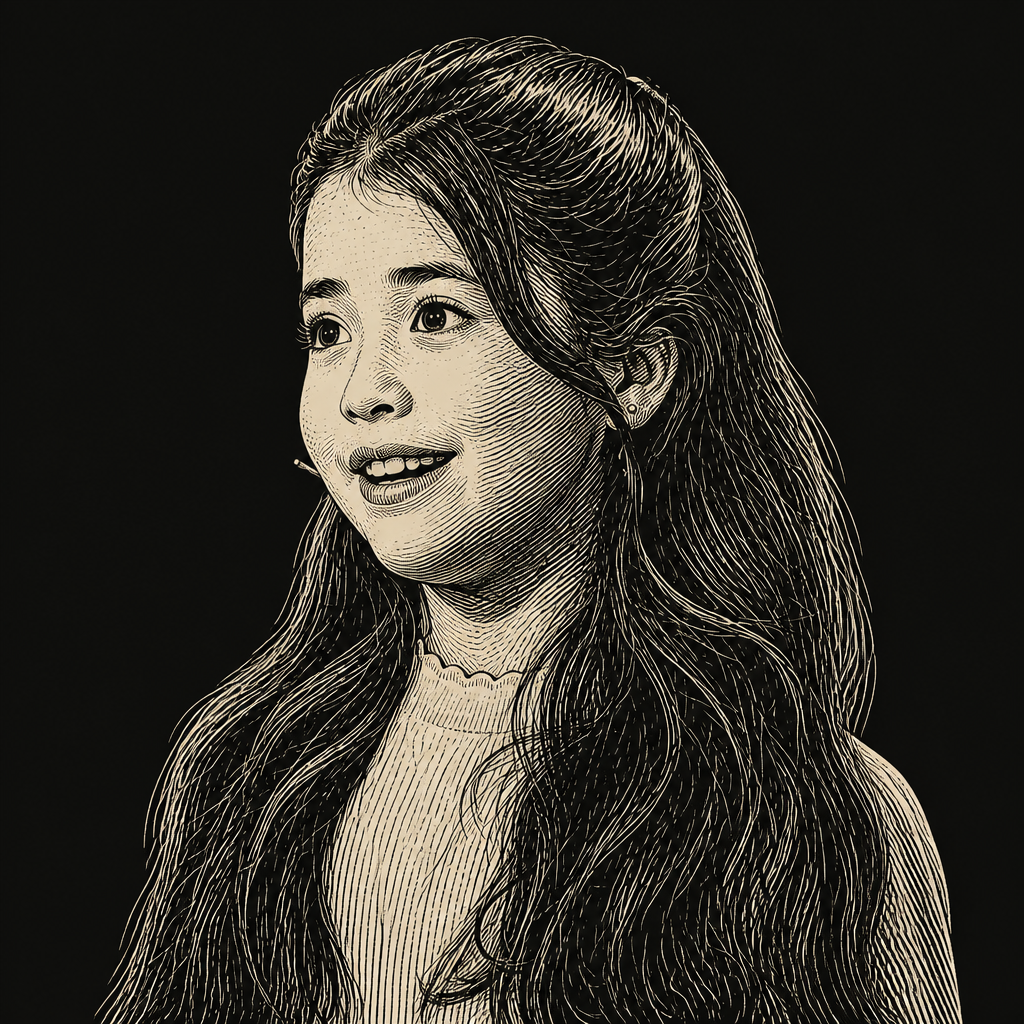
In one scene, Matilda hugs Miss Honey after receiving something she has not had from anyone else: kindness. Miss Trunchbull is then meant to burst in, prompting the two characters to spring apart. One night, they could not. Hillier’s hair had tangled in Miss Honey’s necklace.
The problem lasted only a few seconds, but Hillier says five seconds of stage time feels long. Neither performer panicked. They remained in character, quietly worked themselves free, and continued the scene. Hillier lost some hair; Miss Honey lost the necklace. The audience, Hillier says, never noticed—and Miss Trunchbull did not catch them.
The incident exposes what it takes to sustain a fictional world in a 1,249-seat theatre. A practical mishap had to be dealt with without abandoning the scene. Hillier and the actor playing Miss Honey relied on calm and mutual awareness, while the audience remained with the story.
Hillier’s claim is broader than theater technique. Life, like a performance, does not always proceed according to plan. Imagination does not remove disruptions; it helps people make something with others when the original script no longer fits.
Imagination isn't about escaping the real world. It is a way of building one.
The character emerged through discipline, not make-believe
Hillier’s connection to Matilda began long before she stood on a professional stage. She watched the 1996 film repeatedly from the age of three and would sit staring at objects around the house, trying to make them wobble with her mind as Matilda does. When she eventually won the role, that childhood identification changed how she understood the task before her.
Getting there had required two complete runs through a six-round audition process. In spring 2024, Hillier reached the final round but developed a bad cold and could neither sing nor perform. Six months later, she started again. After the second process, she waited four weeks for an answer—a stretch she says felt like four years—before receiving the offer. Her response was to laugh and cry at the same time.
The role still did not arrive fully formed. Hillier spent three months in intensive rehearsal, repeating every line, step and movement until they no longer required conscious thought. She credits the patience of the cast and coaches. Rehearsal gave her not just technical fluency but a different understanding of the character: she stopped treating Matilda as somebody external she needed to imitate.
I stopped trying to find Matilda, because I realized she had been inside me the whole time.
That does not mean Hillier presents imagination as spontaneous self-expression. The identification with Matilda had been there since childhood, but it became playable through repetition, direction and shared work. In her account, the details of performance—learning when to move, where to stand, and how to deliver a line without having to think about it—make room for the character’s emotional life.
The result is not the ability to perform Matilda’s magic literally. Hillier jokes that years of staring at cups did not let her move objects with her eyes. What rehearsal does allow is an enactment of Matilda’s courage, anger and resilience: standing up to Miss Trunchbull, absorbing the hurt of having books destroyed, or taking private satisfaction in the character’s revenge on her father.
A stage world exists only when others enter it
For Suki Hillier, becoming Matilda each night involves an intentional return to the character’s inner life. Before going onstage, she thinks about Matilda’s love of books, her hatred of bullies and her determination to find her own way to fight back. She breathes, then steps into the light.
The physical setting gives that inner life form: lights, painted walls, desks, swings, window frames and a library in which Matilda can read with Mrs. Phelps. There is Miss Honey’s kindness, the obnoxious parents watching television with Matilda’s brother, and Miss Trunchbull lurking as a threat. The setting supplies the world; the performer supplies its stakes.
Hillier describes “Quiet” as one concentrated version of that process. Standing on an elevating book stand, she is outwardly still while her heart pounds and Matilda’s anger, as she puts it, bursts through her eyes. The effect rests on visible restraint and felt intensity. Imagination here is not leaving the body behind; it is using the body precisely enough for an audience to recognize what is happening inside a character.
The audience is not passive in Hillier’s account. From the stage, she sees shining faces, smiles and tears, and hears applause that sounds as though people do not want to leave Matilda’s world. Cast and crew create the conditions for the performance, while the audience accepts and responds to them. Together, Hillier says, they bring every character onstage alive.
The tangled-hair mishap illustrates that collective work at its most practical. The performers adjusted without breaking the scene, and the audience continued to receive it as a scene. Imagination, in Hillier’s telling, is the capacity to enter a constructed world with others and continue building when something goes wrong.