Public Health Must Treat Misinformation as an Outbreak
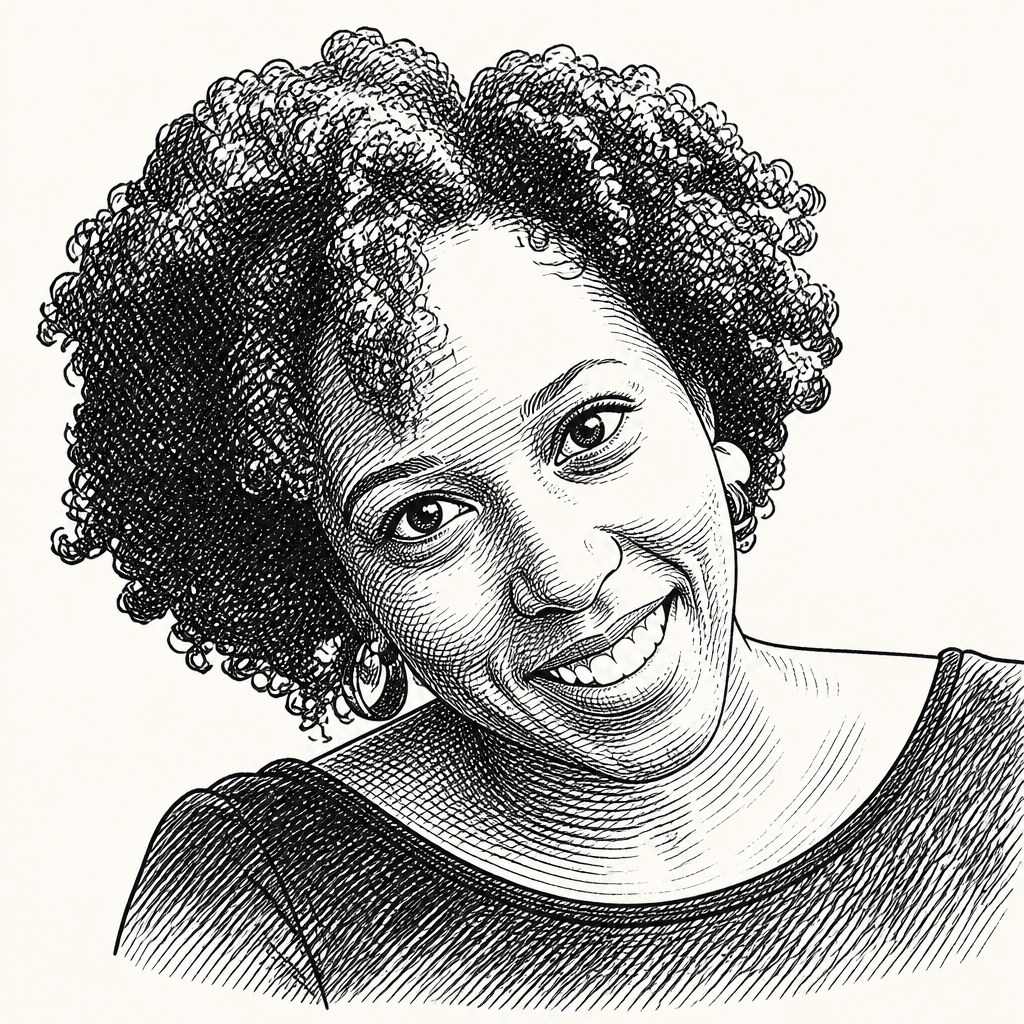
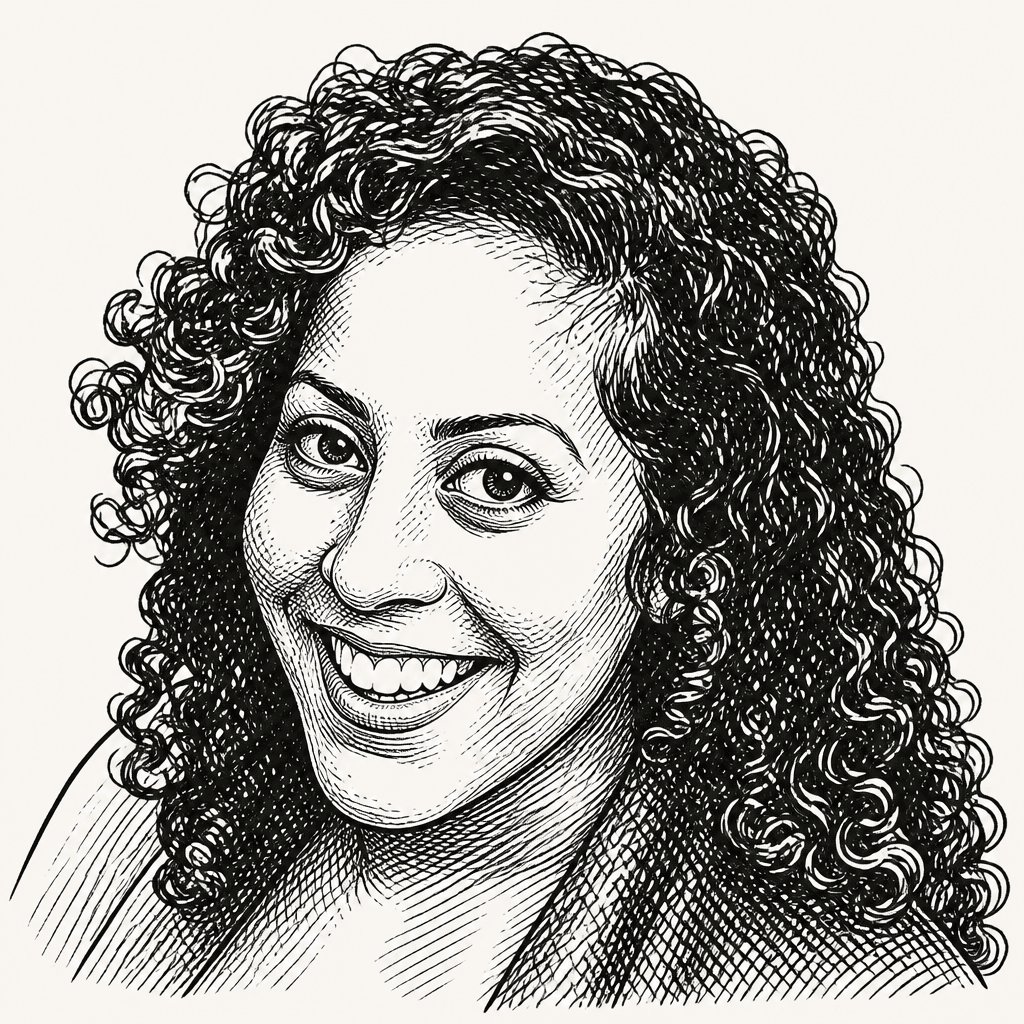
Epidemiologist and science communicator Jessica Malaty Rivera argues that public-health emergencies involve two outbreaks: the pathogen itself and the information surrounding it. In conversation with TED’s Whitney Pennington Rodgers, she says trust cannot be assumed or commanded through expertise; it must be earned through listening, transparent explanation of evidence and uncertainty, and messages that account for people’s histories and fears. Rivera’s case is that communication is not an add-on to prevention but part of the intervention.
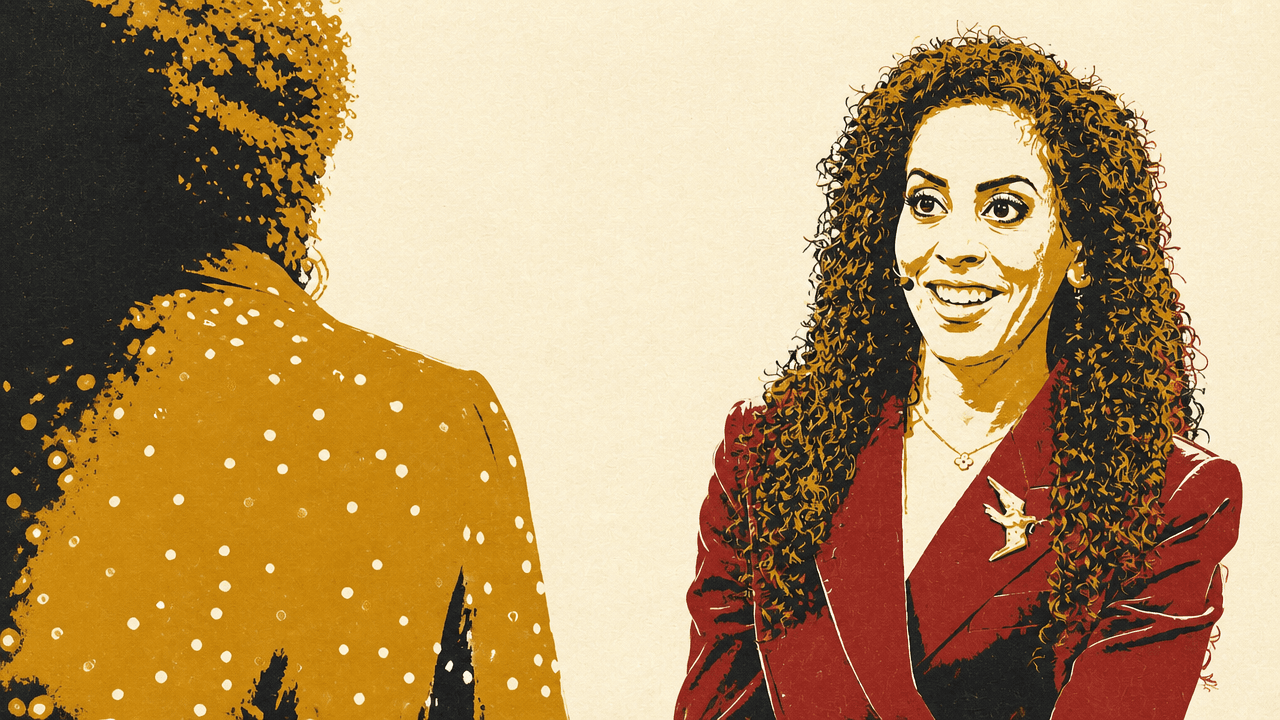
Public health has two outbreaks to manage
Jessica Rivera defines public health by its obligation to reduce harm, prevent disease, and expand people’s opportunity to live long, thriving lives. That mission gives her a threshold for intervention: harmful health information warrants a response when it jeopardizes those aims.
In an emergency, Rivera argues, the threat is not only biological. There is an outbreak of a pathogen and an outbreak of information, operating at the same time. Information is not neutral; it can accelerate an epidemic. A response that concentrates only on biomedical interventions while overlooking fear, exclusion, institutional injury, and the information people encounter is incomplete.
When we are experiencing public health emergencies, we're kind of dealing with two outbreaks. We're dealing with an outbreak of a pathogen and an outbreak of information.
The practical question is not simply which intervention exists. It is who does not understand it, and why. Are people scared? Do they feel forgotten? Have they been hurt by the system before? Rivera treats the work of listening for those conditions—and working to regain trust—as part of the intervention itself, not a communications layer added after the science is settled.
That makes public-health communication necessarily specific to the people being served. Rivera describes “ground-level listening” rather than a one-size-fits-all appeal to expertise. People’s decisions are shaped by relationships, history, identity, and the risks they believe they are managing. Population-level evidence may guide an intervention, but the route by which someone comes to use it is personal.
Trust is earned through explanation, not asserted through expertise
For Jessica Rivera, the central communications failure is treating messaging as an afterthought. She is skeptical of bare declarations such as “vaccines work” or “vaccines save lives” when they are offered without the explanation that lets people understand what is being asked of them. Her distinction is deliberately exact: a vaccine is not the same thing as a vaccination. What connects the biomedical product to the act of receiving it is a message—and, specifically, a message from someone the recipient considers trustworthy.
Clinical-trial data must be made legible, she says. The path from research to intervention needs to be transparent and clear, including the processes and potential conflicts that people will scrutinize. Rivera says billions of dollars may be appropriately invested in the research and development behind lifesaving interventions, while comparatively little goes toward helping people understand and use them. The result is a mismatch: public health can produce a tool without creating the conditions under which that tool becomes usable.
Trust should not be assumed. Trust is a determinant of people's decision-making and their health.
Rivera’s concern is not that the public should be expected to learn everything an epidemiologist knows about biology or immunology. She wants people equipped with enough literacy to navigate a dangerous information environment and make sense of complex claims. That is different from dumbing science down; it is giving people tools they can use.
It also requires experts to ask whether they deserve trust rather than demanding it. People may abandon conventional expertise for sources that feel familiar or reinforce an identity. Rivera’s response is not simply to insist more forcefully on scientific authority.
I think a lot about the difference of trust and trustworthiness. Are am I even worthy of the trust of the people I'm speaking to to say these things instead of asking them, just trust me, I'm a scientist. Trust me, I'm an expert.
Storytelling is part of how she addresses that gap. Rivera accepts the maxim that the plural of anecdote is not data, but says anecdotes still strongly influence decision-making. An individual story can help connect scientific evidence to an actual choice in someone’s life. Ignoring that influence does not remove it from the information environment.
She uses her own experience as a mother of three young children. Rather than appearing only as a scientist and “sensemaker,” she discusses doubts and concerns surrounding her children’s health decisions, including how postpartum anxiety affected her thinking. She says it did not lead her to reject choices she fully supports, but she shares the thought process transparently. The purpose is not to substitute autobiography for evidence. It is to make visible the humanity of the expert and the reality that decisions about health can carry emotional weight.
Institutions must bridge science, policy, and repair
Jessica Rivera does not regard science and politics as separable. Science should inform politics, she says, because data should shape the policies and systems available to the public. The problem is not that evidence affects public decisions. It is that science becomes politicized instead of informing them.
Policy is where evidence becomes lived conditions: laws and public systems determine which protections, services, and interventions people can access. When researchers and policymakers remain siloed, Rivera argues, they leave room for “dangerous mistruths and false claims and conspiracies” to fill the distance between research and public decision-making. Scientists need to translate their work for lawmakers and advocates as well as for the people whose votes and voices help determine policy.
Whitney Rodgers describes this as leadership under unfavourable conditions, when science and public health are being questioned or attacked. Rivera says speaking uncomfortable truths has come at a cost to her safety and family, though she would not choose to undo the work. Her sources of grounding are its purpose, her children, and solidarity with other scientists working to make science understandable.
Repair, in her account, cannot be accomplished by infectious-disease experts alone. It takes less time to break trust than to restore it, she says, and restoration must recognize the hurt and trauma of the preceding five years. She calls for social scientists, psychologists, therapists, politicians, and strategists to work alongside scientific experts in deciding what regaining trust actually requires.
Her concern is that the language of trust itself has become unstable. She sees a “tug of war over trust,” in which terms including trusted, evidence-based, and gold standard are losing settled meaning. People have felt excluded from scientific processes and then expected merely to follow recommendations or obey. Rivera’s answer is to show more of the process behind scientific conclusions.
That does not mean discarding expertise. Experts should influence recommendations, she says. But expertise should not be presented as certainty beyond question. Saying “I don’t know” or “I don’t know yet” can be part of rebuilding credibility, even if uncertainty makes scientists uncomfortable. For Rivera, uncertainty is not a defect in scientific practice; it is what prompts a hypothesis, an investigation, and a conclusion. Explaining that process offers an alternative to binary thinking and to demands for unquestioning deference.
The message has to travel beyond the institution
Jessica Rivera sees reason for hope in the growing recognition of science communication, “infodemic,” and “infodemiology” as identifiable fields of work. Research is incomplete, in her view, if it remains behind closed doors at prestigious institutions. It becomes useful when a person can explain it to someone else at the dinner table.
That standard shifts the goal from one-way delivery of expert conclusions to building a community able to carry accurate messages onward. Rivera describes becoming a personal scientist to people who could say they heard something from “Jessica” and repeat the explanation to others. Not everyone needs identical scientific training. But messages need to be clear enough, credible enough, and human enough to be repeated without losing their meaning.
I don't want to dumb anything down for anybody. I want to elevate people's literacy in science and complex things.
Rivera acknowledges the violence, death threats, antagonism, and other dangers faced by people who communicate publicly about health. Some online hostility comes from people who may be less brave offline than they appear on the internet, she says, though she does not minimize genuine threats. Her encouragement to people who want to continue the work is that the good outweighs the bad—and that public-health claims are grounded in evidence and data.
The difficulty is that public health often succeeds through events that never occur. When people are not dying or becoming sick at scale, interventions can disappear from view. Successful prevention becomes a victim of its own success: systems that work can look unnecessary. Rivera argues for continued explanation, repetition, and invitation into the work because invisibility makes public health easier to defund, devalue, and deprioritize. She connects that neglect to the position public health faced in 2020.
Sense-making connects health, injustice, and the possibility of repair
Jessica Rivera describes her own reason for continuing through the identities she carries: epidemiologist, science communicator, mother, and first-generation American. Those identities, she says, help explain why some people trust her and why she speaks when it feels frightening—whether opposing an administration, a politician, or an individual making harmful health claims.
Her public-health frame also extends to injustice. Rivera says she has spoken about Gaza as a public-health issue connected to children, and as a mother of young children she does not treat those concerns as separate from the rest of her work. The relevance, in her account, is not biographical breadth. It is that health, harm, systems, and the people living within them are connected, and communication must make those connections intelligible.
A visit to Rwanda with UNICEF reinforced that view of repair. Rivera notes that Rwanda is 30 years past the genocide and recalls visiting two decades earlier, 10 years after the genocide, when she wondered how hope or repair could be possible. On a later visit, she says, she saw both. The experience grounds her conviction that damaged systems and relationships can be repaired, even when the route is difficult and slow.
Rivera calls her particular strength “sense-making”: helping different people understand difficult, complicated, and uncomfortable realities. That is why she links speaking up about science with speaking up about injustice. In her account, making prevention visible, explaining uncertainty honestly, and helping people understand the systems that affect their health are all parts of the same work.