External Validation Cannot Sustain a Creative Life

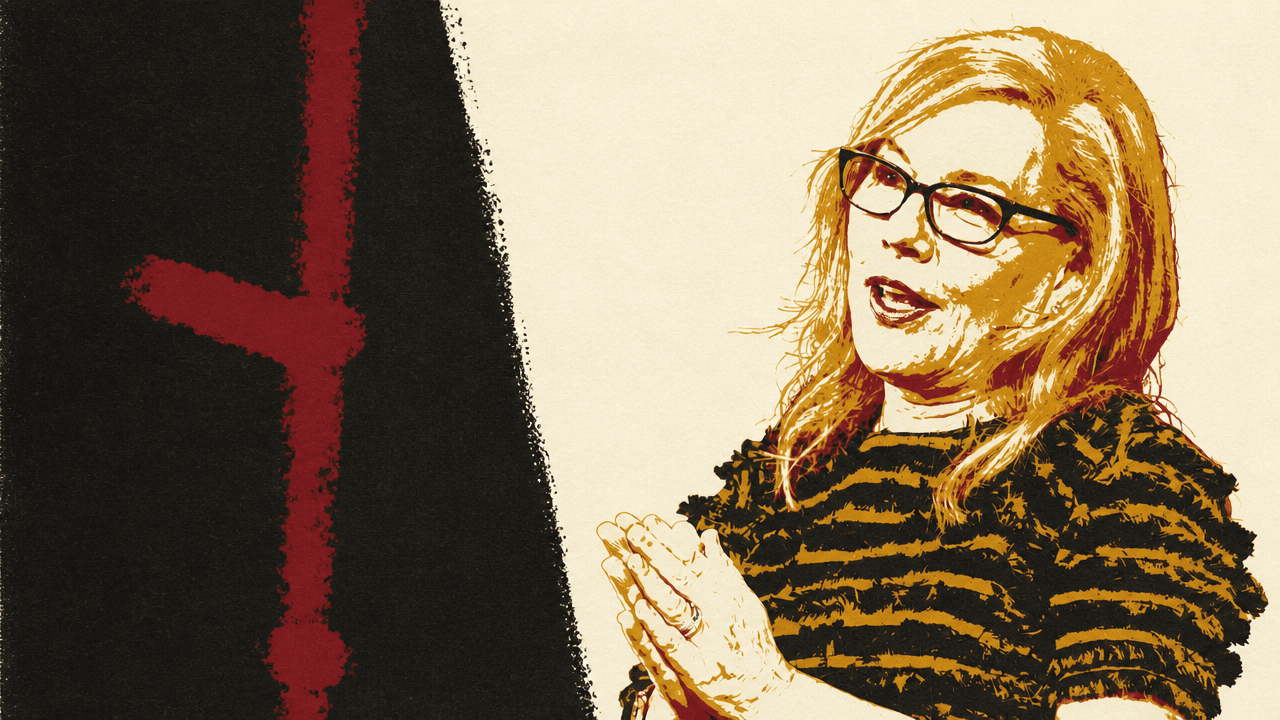
Debbie Millman’s TED talk argues that the emotional reward of creative success is often far shorter than creators expect, sometimes lasting only minutes after years of work. Drawing on two decades of interviews and her own career, Millman says external markers such as awards, sales and visibility cannot sustain a creative life; the more durable reward is the act of making itself.
Achievement delivers a short-lived reward
Debbie Millman arrived at the problem through interviews with creative people, but also through her own experience: the pride of finishing significant work often disappears far faster than the achievement seems to warrant. In one interview, she asked a famous painter how long the feeling of pride lasted after opening a major exhibition that had taken years to create. The painter answered, “About 11 minutes.”

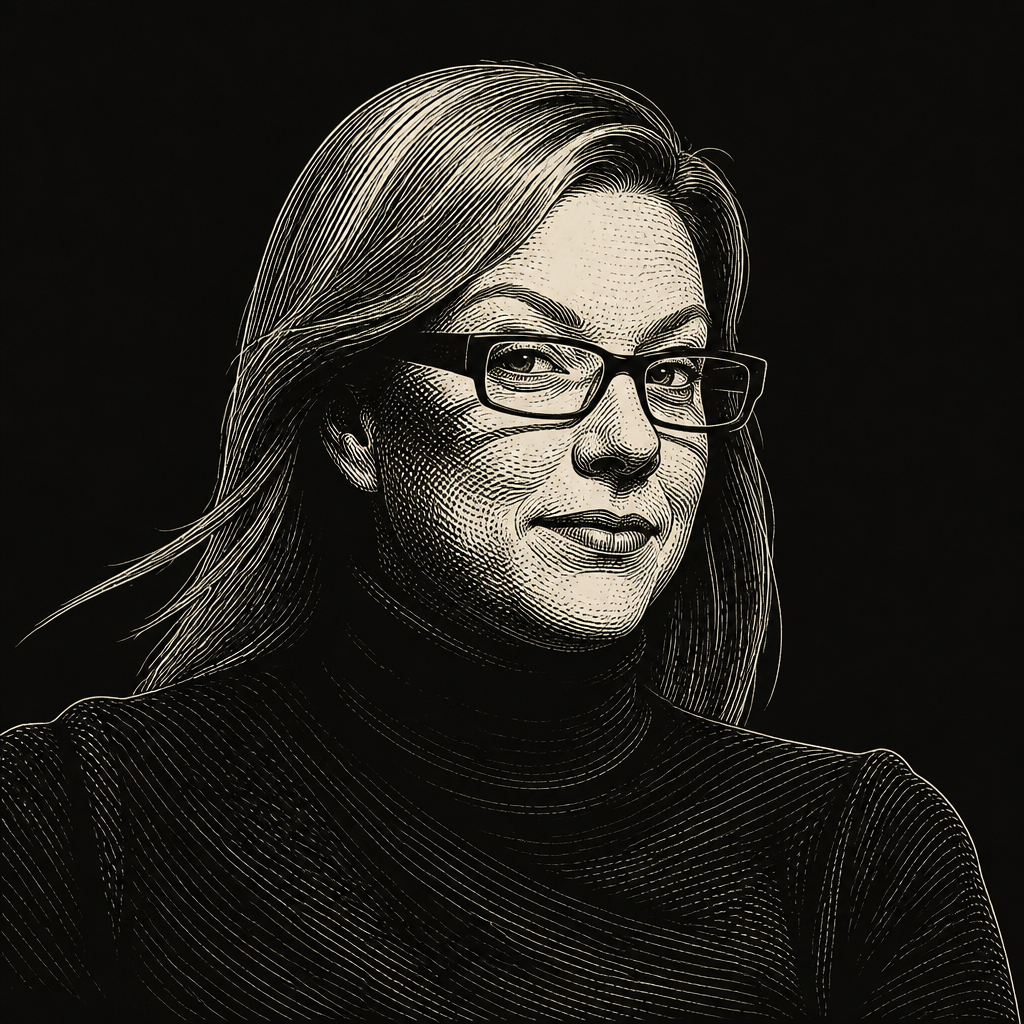
Millman first thought the painter was joking. She later came to see the answer as unusually concise, not unusual. Over four years, while conducting a 10-question questionnaire for Print Magazine with hundreds of creative people, she included a version of the same question: “How long does the feeling of pride and joy at accomplishing something last for you?” Reviewing those responses alongside two decades of interviews, she saw a recurring pattern: for many creative people, accomplishment produces a high that “dissipates almost as quickly as it manifests.”
The examples she gives are working confessions rather than grand theories of creativity. A poet said the high of publishing a book lasted only until she sent in the final manuscript. A designer admitted to feeling restless on the very night of an award ceremony. A musician told her that peace came only in the studio: “Not on stage, not after. Only while I’m making.”
Millman includes herself in that pattern. After publishing a book, mounting an exhibition, giving a TED talk, or reaching milestones she had imagined for decades, the joy could evaporate “within days, sometimes hours, and once terrifyingly within minutes.” The expected emotional payoff does not reliably arrive, and when it does, it does not stay.
Metrics can obscure the calling to make
The question she puts to the pattern is direct: why does the feeling of creative achievement slip away almost as soon as it is grasped? Millman considers the obvious explanations — ego, ambition, addiction to attainment — but does not settle on them as sufficient.
She places creative work inside a culture “obsessed with achievement,” where success is measured by “likes, views, followers, awards, trophies, sales.” The public language around success celebrates hustle and grind, and visibility is often treated as a proxy for value. In that environment, it is easy to confuse external markers with the reason to make anything at all.
But after more than 1,000 interviews over 20 years, Millman says she has come to believe another force is at work. The creative people she admires most appear to be answering a calling: “create, shape, build, imagine, express.” The point is not necessarily to be seen, she says, but “to be.”
That distinction is central to the argument. Finished products and the trappings of creative accomplishment are often treated as the goal. Millman asks whether the actual reward is not accomplishment but the act of creating itself.
The act of making is like oxygen. When the making stops, it becomes hard to breathe.
Millman rejects the familiar advice to “fake it until we make it.” Her alternative is “make it until I make it.” “Fake it” asks a person to pretend toward success. “Make it,” in Millman’s formulation, keeps the emphasis on the work itself.
External markers cannot carry the full weight of a creative life
Millman does not present herself as cured of the need for recognition. She says she still craves it, still measures herself by external markers, and still races toward multiple finish lines. Artists may not be able to opt out of ambition or stop caring about reception. The problem is that the finish lines themselves will not be enough.
Those moments “will never, ever be enough,” she says, because they represent scarcity. Making, by contrast, is the “actual abundance” in her account. The completed work is a moment of arrival; the act of making is the condition in which many creative people feel most alive.
This is why the fleeting nature of accomplishment is not a personal defect. It is not proof that the creator is ungrateful, broken, or incapable of happiness. Millman treats it as part of the creative condition: the pride and joy of accomplishment may fade quickly, while the calling to “create, shape, build, imagine, express” remains.
The peak is not necessarily where a creative life should aim
Millman draws her sharpest image for the danger of success from a 2019 interview with David Lee Roth, the former frontman of Van Halen. In her telling, Roth had reached a peak of public success: the band’s album 1984, she says, went five-times platinum, sold more than 12 million copies, produced four singles, and reached number two on the Billboard charts, behind Michael Jackson’s Thriller.
That scale matters because Roth’s answer was not triumphal. When she asked what it felt like to reach “the peak of the tallest mountain” in his career, he told her: “You have to be really careful when you reach that peak, as it’s always cold, you’re often alone, and there’s only one direction to go.”
For Millman, the comment changed how she understood the image of a peak. It can sound like triumph from below; from the top, it can mean exposure, isolation, and descent. Her conclusion was that she did not want to peak until “the day before I die.” She wanted to take her time walking up the mountain, making new things along the way.
The counsel that follows is deliberately modest. When a person finishes a book, poem, song, or painting and the feeling of accomplishment fades, Millman says not to despair. The evaporation is not necessarily a flaw in the person or the work. The better response is to return to the calling, keep making, and “take your time becoming the creative being that you want to be.”