Salehe Bembury Builds Sneaker Stories Through Form, Function, and Place

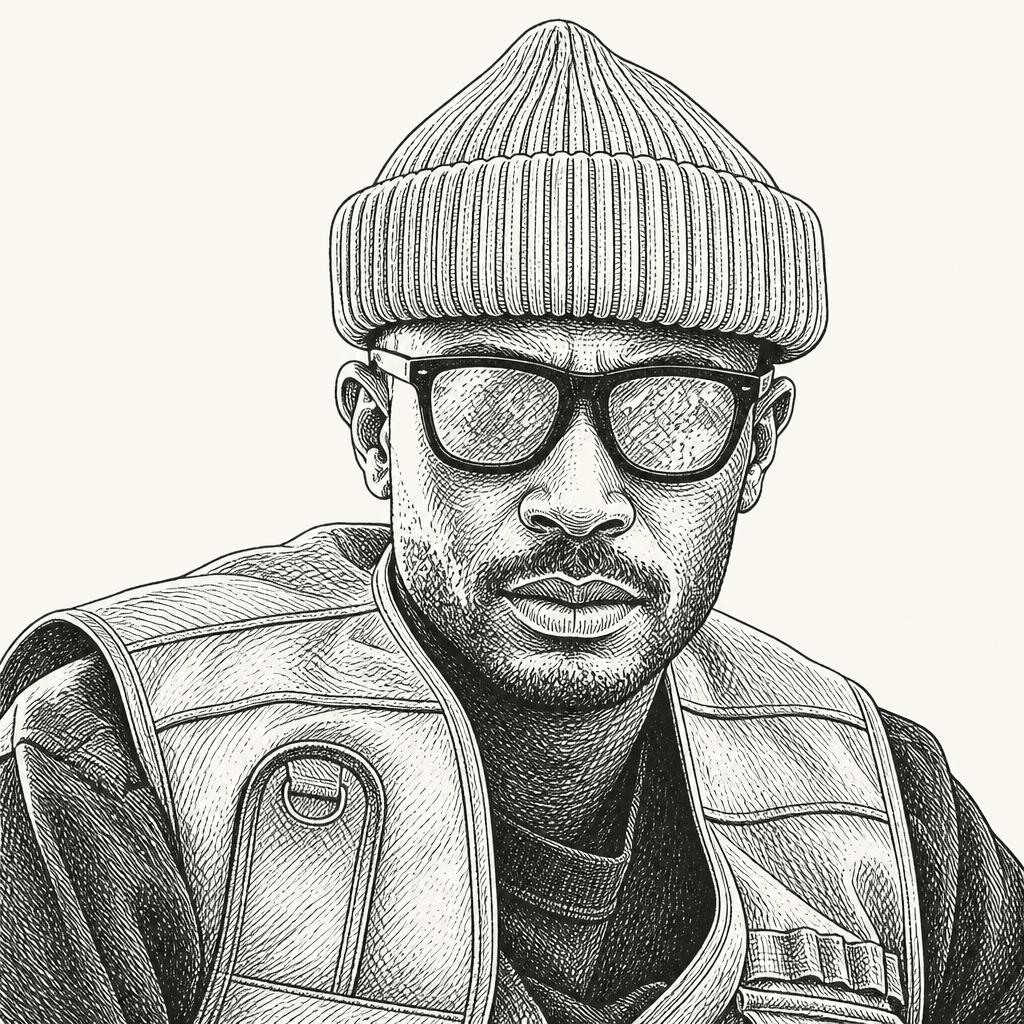
Sneaker designer Salehe Bembury argues that footwear gains meaning when its form, function, materials and visual world tell the same story. In conversation with TED’s Cloe Shasha Brooks, he explains how projects for New Balance, Crocs, Versace and others use place-based references, practical details and recognizable design language to build affiliation without relying on logos. His approach, he says, is to change familiar products at the level of construction while preserving enough of their identity to bring existing customers with him.
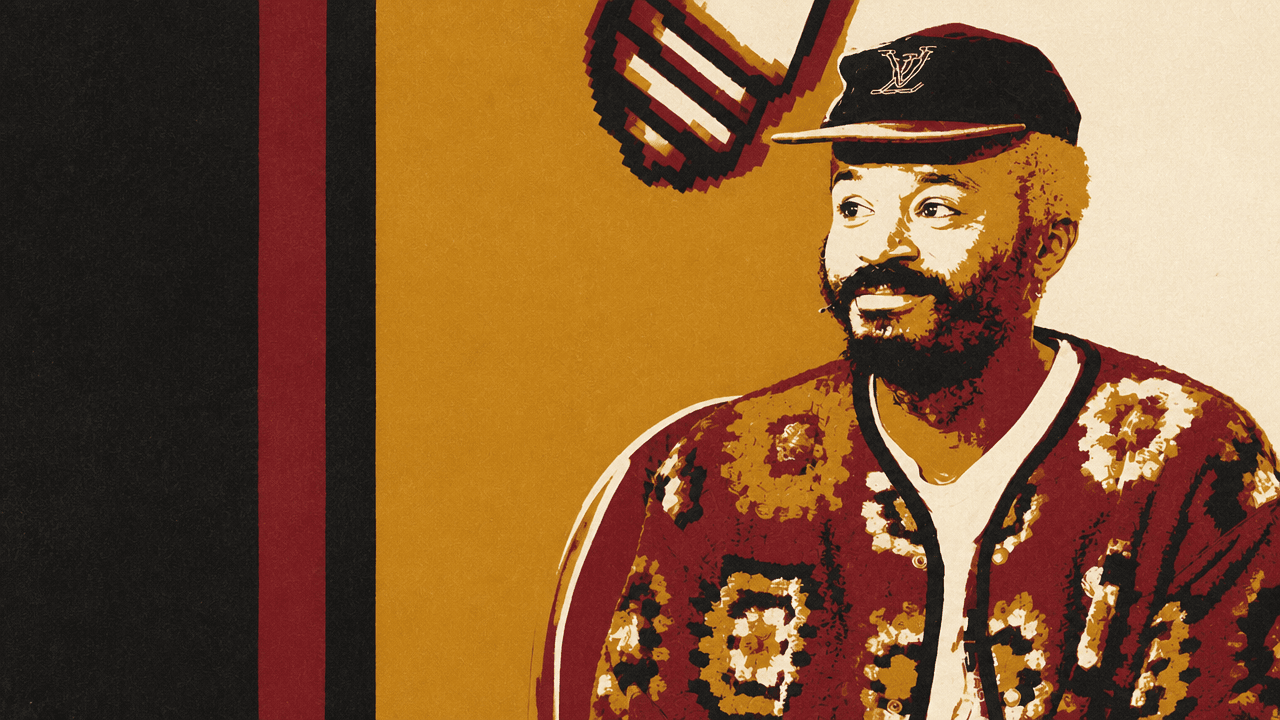
Footwear becomes meaningful when form, use and story align
Salehe Bembury designs footwear as a system rather than an isolated object. The silhouette, materials, function, packaging and campaign imagery each have a role in making a product feel connected to a particular experience—and in giving its wearers a way to recognize one another.
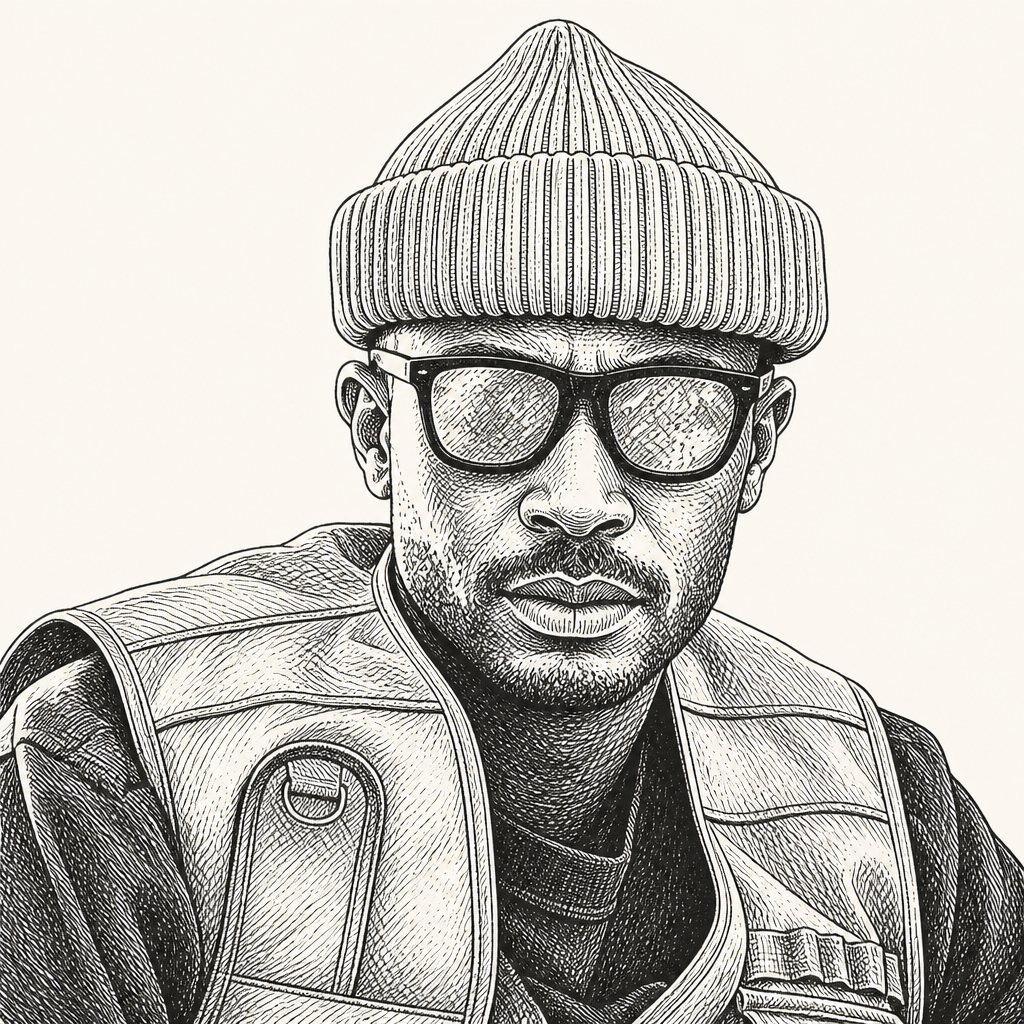
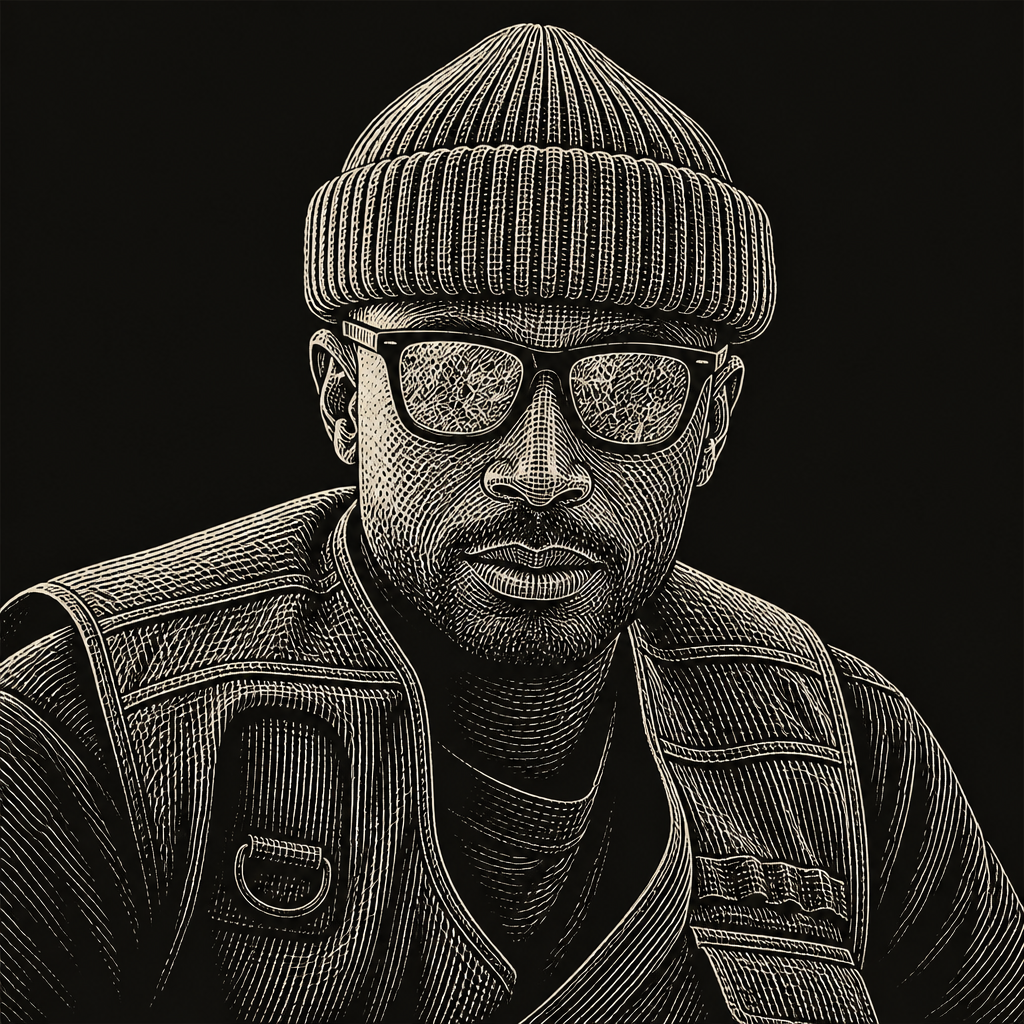
His New Balance project Sand Be The Time began with a trip to Utah’s pink sand dunes. The shoe’s pink palette, its chenille “N,” and the sunset colors are not meant merely as visual effects: they are references to that landscape. Campaign imagery extends the setting, placing musician Thundercat in a desert scene beneath a bright pink sky.
Now you've cultivated a community, you've invited people to come into your world, and you tell the story.
That is also how he describes Peace Be The Journey, the orange New Balance 2002R inspired by Antelope Canyon. Orange refers to the canyon; the blue “N,” he says, represents the sky; maroon draws from sunset tones. The campaign places the shoe in desert terrain that carries the same palette.
Bembury compares the effect to his own behavior on early work trips to China. He would look for people wearing Supreme because he assumed they might be more likely to speak English. The point was the visual cue: products can signal a shared affiliation when people recognize the references and values attached to them.
The box belongs to this same design system. Bembury says he thinks about the moments when products made him feel “cool, or more athletic, or magical,” and tries to recreate them. Every part of the product is available for that work, including its packaging and the reveal. A shoe can be disliked at first, he says, then become compelling through repeated exposure; he saw that happen with the Crocs Pollex Clog, and sometimes with perceptions of Crocs itself.
The Pollex Clog changed Crocs by preserving its DNA
Crocs initially offered to send Bembury shoes. He asked whether they could collaborate instead, then sent what he later learned was a child’s Croc as a proposal. The company responded not simply to his interest in the brand, but to his engagement with the clog’s form.
Bembury contrasts that with collaborations that reskin a Croc or add Jibbitz charms. His industrial-design background led him to manipulate the object itself. Crocs then asked him to become its first collaborative designer to create a shoe from scratch.
The Pollex Clog uses a fingerprint-derived pattern to reorganize the familiar foam silhouette. But Bembury says the assignment was not simply to make the shoe look new. He had to retain the elements of Crocs’ existing identity, avoid scaring away established customers, and introduce his own design language in a way that could speak to a new audience.
The source’s manufacturing molds, digital renderings and hand-carved foam models make clear that the change happened at the level of construction, not surface treatment. For Bembury, working with a large brand means working with its heritage and “DNA” while putting it through a new lens.
An unused heel became a practical—and memorable—tool
Salehe Bembury put a whistle in the heel of the New Balance 574 Yurt after becoming interested in an apparently purposeless part of another shoe. A friend’s Nike Zoom Vomero had a molded plastic piece at the rear; when people asked Bembury what it did, he told them, “Nothing at all.” They accepted that answer.
The exchange made him see the heel as unused real estate. New Balance had asked him to create a shoe from scratch, and he began asking whether that space could do something useful. Filling it with technology would have made the shoe too expensive, he says, so he instead considered what molded plastic itself could do. The answer was a whistle.
He is candid that function did not come first. “Truthfully,” he says, he made the whistle because he thought it was cool, then built a rationale around it. For an early prototype, he glued a whistle into a New Balance shoe and presented the team with a camping story: someone stops near dusk to photograph deer, friends walk ahead, and the person can signal them with the heel.
The feature nonetheless has a practical case. Someone who breaks an ankle while hiking alone, Bembury notes, would expend less energy blowing a whistle than screaming. The 574 Yurt joins a simple survival tool with his desire to do something that had not been done in footwear before.
A signature language travels further than a logo
During a period of unemployment, Salehe Bembury was sending messages through LinkedIn, Craigslist and possibly Facebook when he contacted a Versace design director. He did not merely ask for a role. He proposed that the sneaker industry was a multibillion-dollar business whose consumers had traditionally paid more attention to established sneaker brands than fashion houses.
That was changing, he says, as work associated with Raf Simons, Adidas, Nike and Comme des Garçons taught a broader audience that fashion houses could make sneakers. A few days after his outreach, Donatella Versace replied, invited him to Milan, and asked him to present what a Versace sneaker program could be.
Bembury brought merchandising, design and sales insight. When Versace offered to hire him, he asked to maintain a Los Angeles studio and travel monthly to Milan for factory visits and shows. She agreed.
But really what that was more about was the power of asking and what that can bring you.
The larger challenge for an independent designer, he says, is establishing a signature language that people can recognize without seeing a logo. Once that language exists, it can move across categories. He points to his Moncler Genius work—his first ready-to-wear collection—as an opportunity to build a fuller environment through footwear, accessories, an immersive installation and billboards.
That language can also translate an abstract brief into material form. For Pyer Moss, whose creative director asked for a shoe that represented the feeling of being financially stuck, Bembury says he ruled out concrete and chose silicone. The resulting design places a Nike sneaker within a large, jagged light-blue silicone form.
Creative freedom depends on protecting attention
Salehe Bembury traces his attachment to footwear back to a black-and-white clay Air Jordan 11 he made at age nine. He still tries to work with the freedom he associates with childhood, when creative output was less constrained by employers, market rules and trends.
Those constraints do not disappear. Bembury describes balance as the task: maintaining as much freedom as possible while working within them. He cites Kanye West’s observation that he felt most free creatively when he felt like he was three years old—a period before people accumulated many boundaries or restrictions.
Distraction is one of the constraints Bembury believes designers can actively manage. Social media, the internet and Instagram can be useful sources of inspiration, he says, but constant scrolling through other people’s ideas can create a “massive cloud of distraction” and cause someone to lose sight of their own vision. The work is to find a balance between drawing from what is available and protecting the idea that is still forming.