Ashiya Puts Residents at the Center of Municipal Tradeoffs
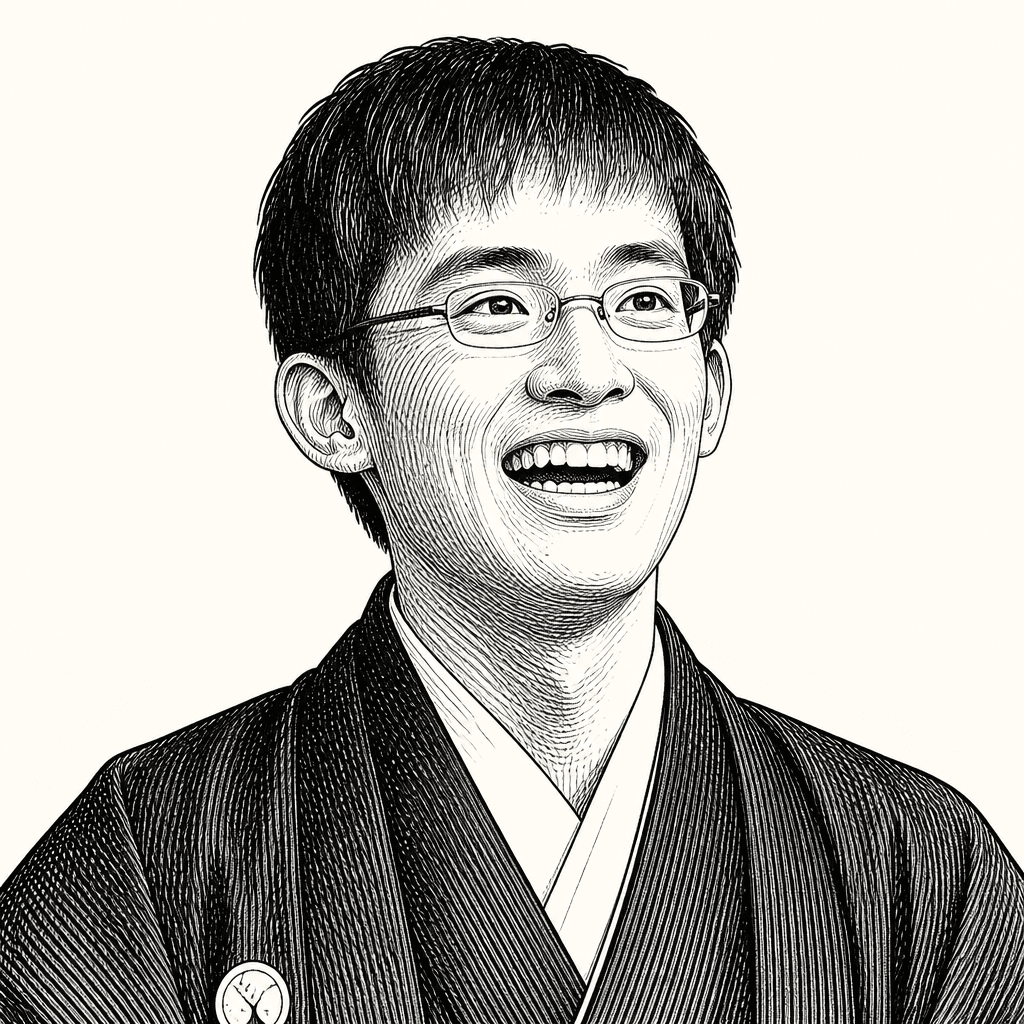
Ashiya mayor Ryosuke Takashima, Japan’s youngest-ever mayor, argues that local government should not merely consult residents but involve them in defining problems and making contested choices. Through informal conversations with students, dialogue sessions with older residents and citizen-led workshops, he says, the city has turned local concerns into decisions ranging from school air conditioning to elder-care services and street closures. For Takashima, government’s role is to support a vision created by citizens rather than impose one of its own.
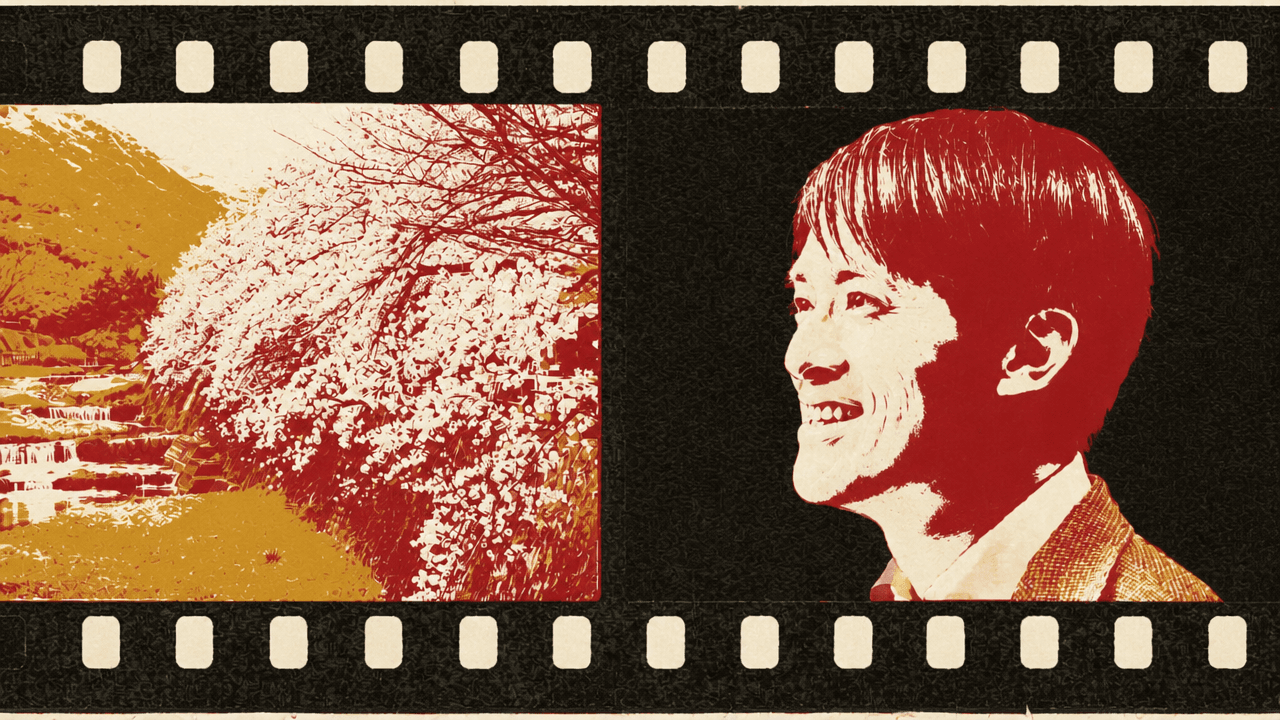
Participation is how contested choices get made
Ashiya’s mayor treats participation not as consultation but as a means of making contested choices with residents. Ryosuke Takashima says he is the youngest mayor in Japanese history and mayor of Ashiya City, but does not consider himself a politician. His stance, he says, is simple: listen to as many voices as possible.
His starting point is that residents often dismiss a difficulty as a private matter and decide there is no point in raising it. Takashima argues that this changes when other people recognize the same concern: a personal issue can become a social one. His administration therefore does not make a town vision on its own. Citizens create that vision, he says, and local government supports the process.
Cities is citizens. Cities is not the governments.
Takashima’s preferred setting is a dialogue meeting: the mayor and citizens sit together in a circle and discuss what they want to discuss. Footage from Ashiya City shows him seated among residents, listening, taking notes and facilitating. Sometimes, he says, the mayor does not speak at all; his role is to listen or help citizens pursue the subject they want to raise.
A cash benefit became a care-service decision
In Ashiya, Takashima says, about 30 percent of citizens are over 65, and the city recently had the world’s oldest person living there. Dialogue meetings with older residents brought up a specific problem: community centers were too busy for people seeking answers about their care.
Takashima wanted to increase the number of centers, but needed a source of funding. Ashiya had offered older residents a one-time monetary gift. The administration chose to change that system, directing the money instead toward a new community center where older people and their families could receive wellness advice.
The proposal was contested. Some residents regarded the monetary gift as a symbol of respect and argued that eliminating it showed a lack of respect for elderly people. Takashima says he used the dialogue sessions to explain why the new center mattered and how it would benefit older residents. He also cut his own future eligibility for the gift, framing the choice as a shared problem rather than a change imposed on somebody else.
He describes participants as changing their opinion after they understood the process and why the city needed to make the change. The example is not presented as a way to avoid a budget tradeoff; it is a way to make the tradeoff visible and subject it to discussion with the people affected.
Informal access changes what children will say
Takashima puts particular weight on younger residents because students under 18 cannot vote. Their inability to cast a ballot makes other ways of hearing what they experience in the city more important.
He says formal school visits were not enough. Children and students found it difficult to offer opinions directly to a mayor, even one as young as he is. His response was repeated, informal contact: visiting elementary and junior high schools, eating school lunch with students, and treating the visits as casual conversations with teachers and children rather than ceremonial appearances.
Ashiya City footage makes that informality concrete: Takashima shares a meal in classrooms and cafeterias, plays rock-paper-scissors with students, and sits at tables or on the floor in conversation. He says this created a friendlier atmosphere and gave him more information than a formal visit would have.
Students, for example, told him their school gymnasium was too hot. Takashima says the city decided to install air conditioners in every school gymnasium. The source shows volleyball being played in a gym and newly mounted units high on its walls, tying an ordinary complaint voiced during a casual visit to a citywide facilities decision.
I wanted to make school a place to learn and practice democracy. And it's all about like communication and dialogue.
The school visits are not only a channel for identifying facilities problems. Takashima describes a civic sequence: encourage people to speak, listen to what they say, and reflect their voices in institutional decisions.
A disputed street closure had to be shaped by citizens
During cherry-blossom season, local shops wanted to close a street so people could enjoy food beneath the trees. Local residents found the closure inconvenient, making the proposal controversial.
Takashima says the plan succeeded after shops and local citizens joined the process and citizens proposed the plan themselves. A mixed-age workshop is shown using sticky notes to develop ideas, followed by people walking along the cherry-blossom-lined street. The visual sequence reinforces his account of the proposal as something residents helped make, rather than a closure handed down by city government.
The example is central to his distinction between citizens and government. Shops had an interest in opening the street to food and gathering; residents had an interest in avoiding the inconvenience of a closure. Takashima presents the resulting proposal as a citizen-created vision for the town, with local government supporting the process rather than supplying the vision on its own.
People often assume that making society better is government’s job, or somebody else’s, he says. Takashima wants to change that assumption: every person can contribute to improving the place where they live.