Culturally Rooted Play Reached 50,000 Rohingya Children in Cox’s Bazar
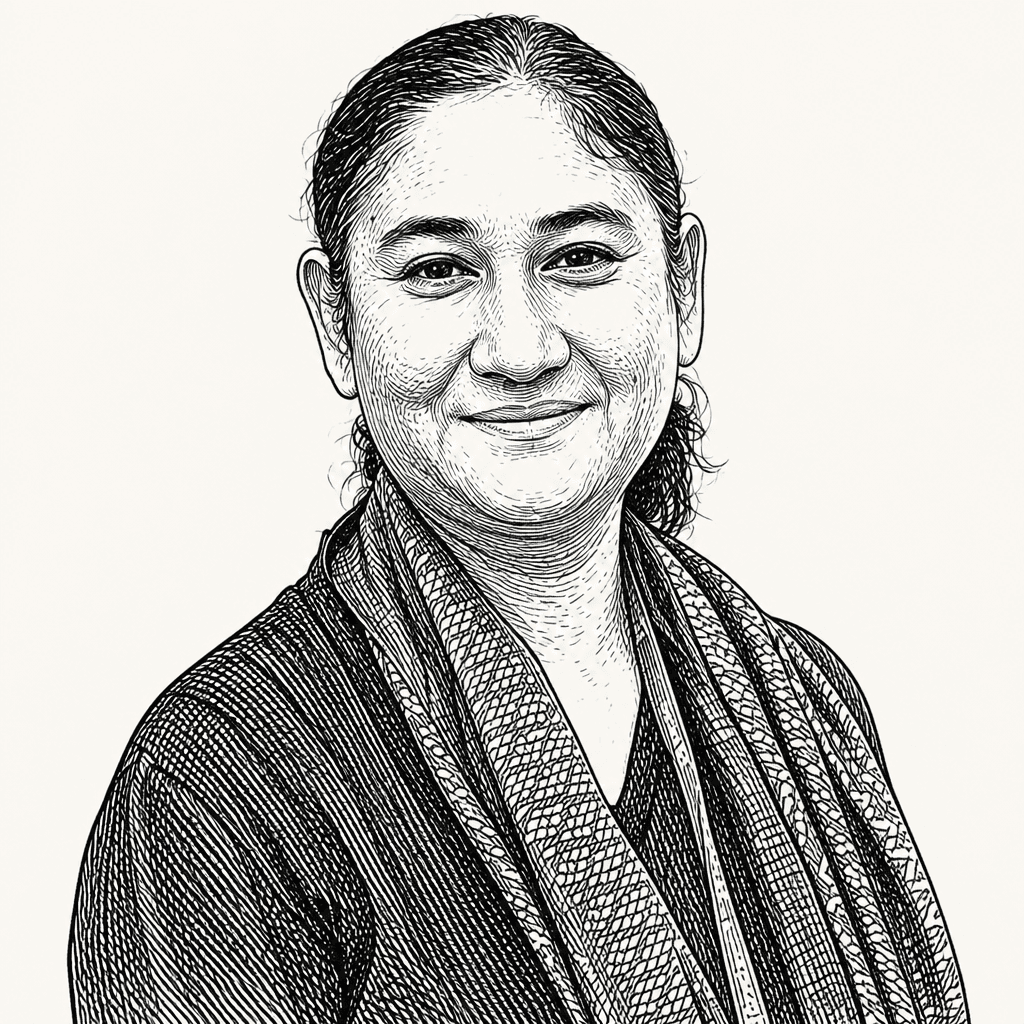
For Rohingya children displaced to camps in Bangladesh, Erum Mariam argues, play rooted in their own culture can help restore pride and confidence. The Bangladeshi educator describes how her team built small play labs with Rohingya families, using familiar games, rhymes and art to give children ways to participate and reconnect with their culture.
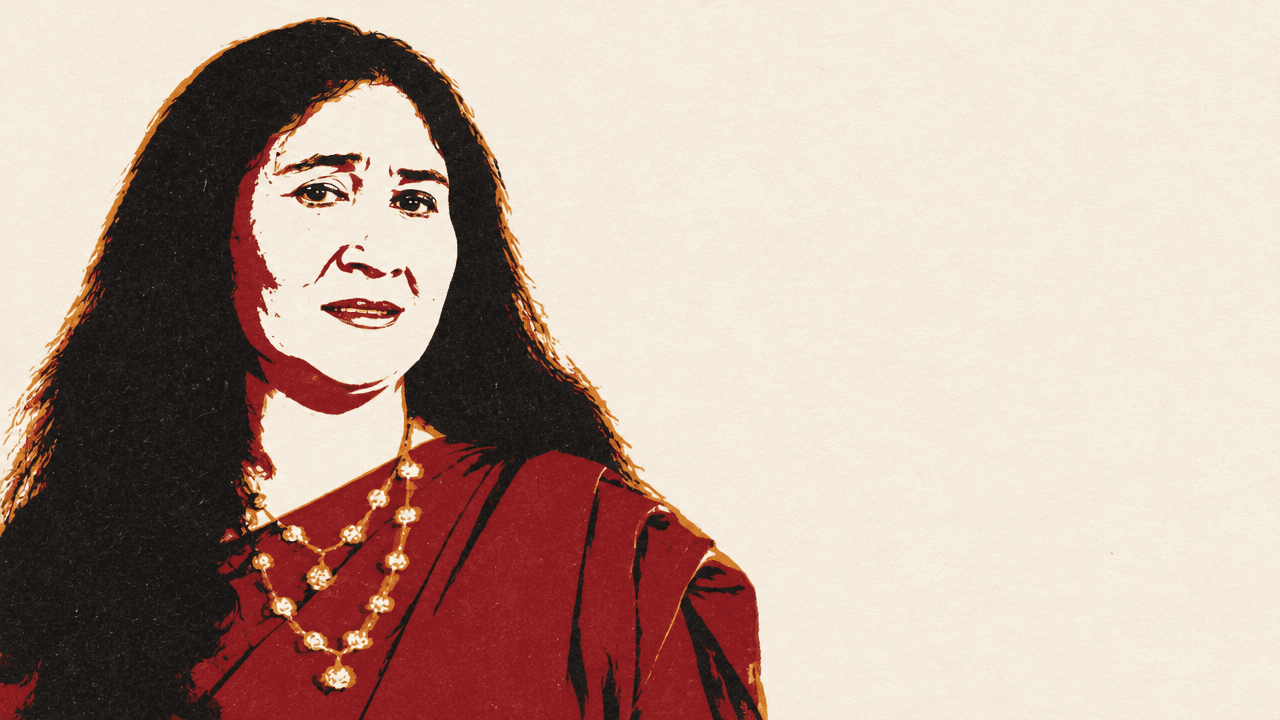
The play had to belong to the children
Within four months of violence against the Rohingya in Myanmar, more than 850,000 people had crowded into refugee camps in Cox’s Bazar, Bangladesh. Erum Mariam—a Bangladeshi educator who had spent more than three decades working with children through BRAC—went to the camps after a colleague asked her to see how the children were doing. She wondered how they might recover from what they had witnessed.
Mariam believed play could help children reconnect with their culture and sense of home. But she found that familiar categories of children’s activities were not enough. Aid workers had received donated Scrabble sets and Uno cards. The gesture was generous, she recalled, but the children had never seen the games, did not know the rules and did not speak the language. The adult facilitators did not know how to play them either. The children arranged Scrabble tiles into patterns.
The camp offered little resemblance to the open spaces where the children had grown up. Families lived in near-identical bamboo shelters with tin roofs and plastic tarps against the monsoon rain. The air smelled of still water and human waste. Some children were withdrawn or restless; some would not engage with children or adults. Even withdrawn children, Mariam observed, showed more joy when they played in a way rooted in Rohingya culture.
It was specifically play from their own Rohingya culture that helped them feel pride, gain confidence, and experience joy.
For several months, the team asked children and adults what they had played in Myanmar, how they played it, how they decorated their homes and what those things meant. Children, parents, grandparents and siblings shared stories, rhymes and physical games. The team watched families make traditional art of the kind Mariam said would have hung in households back home.
The resulting “humanitarian play labs” were small spaces for children ages three to five, decorated by the Rohingya community with embroidered cloth and pictures of flowers, homes and animals. Young Rohingya women facilitated play for up to five hours, while other women trained in psychosocial support helped children manage their emotions. Children left home at 9 a.m. and walked through narrow passageways; the three-minute journey brought them into a different world while they were still in the camp.
At the lab, a facilitator might greet 30 children, ask how they were and tell them they were friends and siblings there. Then she would ask who wanted to lead a rhyme. The children chanted, jumped, played games, listened to stories and drew. Familiar play gave them ways to join in and, in some cases, take the lead.
Familiar games made room for participation and care
Mariam illustrates the labs’ effects through three children. Noor, eight when Mariam spoke, had been undernourished, physically weak and shy, with continuous diarrhea. When she began attending at three, she sat quietly and watched. She later learned Roshi Faal Daani, a traditional Rohingya rope game: two children turn a long rope back and forth while another jumps over it and recites a rhyme.
The game requires the jumper to track the rope, control her feet and keep the words coming. Noor kept playing and grew stronger. Her mother noticed that she was becoming less shy and more confident, and encouraged her to jump higher and further. Noor might still hesitate to speak to strangers, but she will jump in front of an audience. She now carries a rope around the camp in case she finds room to play. Her mother, who played the game as a girl, said: “This has made my daughter stronger. She’s not scared anymore. She has courage.”
Mohammed, about seven, became known in his neighborhood as the “seesaw boy.” In the Rohingya game, two children wrap their legs around each other and swing up and down. Mariam described how he learned to be careful: a wrong move could hurt the other child. He preferred not to play with younger children, not because he did not want to, but because he worried his strength might injure them. She also described changes at home: he brought biscuits from school to his younger siblings, cleaned the house and washed pots so his mother could rest. He hopes to be a teacher.
Tuhi Noor was four. As a toddler, she had been quiet and did not respond when other children teased her by calling her “Fuli,” meaning fat. She cried silently to her mother, Yasmin, who worried about how to help her become more assertive. When Yasmin became a facilitator and brought her daughter to the lab, Tuhi Noor began raising her hand to lead the Kabbya, a traditional rhyme with hand and body movements. She learned the words and gestures, then stood at the front and led children, including some older than herself. She became a lead at three. Yasmin said she was bold and no one teased her anymore. Tuhi Noor even practiced at night, dancing with her shadow on the bamboo wall.
Across these examples, play meant more than keeping children occupied. Noor took on a public challenge; Mohammed learned to consider another child’s safety and showed care for his family; Tuhi Noor became a leader. In each case, the activity was familiar to the children and connected to their community.
The program’s claim is cultural recognition, not a universal recipe
Mariam said the play labs had reached 50,000 children across 350 sites in Cox’s Bazar since 2017. Her team had also worked for five years in Uganda’s Rhino Refugee Settlement and planned to expand the approach there to 150 labs serving 63,000 children.
She described the labs as helping children prepare to enter school with confidence and pride. The approach she presents is specific to the children and communities involved: activities, stories, games and images drawn from Rohingya life, with the community helping to shape the space. When Mariam visits the camps, parents thank her for recognizing Rohingya play.
The children did not choose to become refugees or leave behind their homes, Mariam said. Through play, they could rediscover their culture in an unfamiliar place. Her closing claim extends beyond the camps: every child deserves the right to play—not only play in general, but “their own play.”