Narcolepsy Went Undiagnosed for 19 Years as Exhaustion Was Mistaken for Laziness

For nearly two decades, sleep health educator Lindsay Scola treated her exhaustion as the cost of ambition, until a narcolepsy diagnosis showed that what she had taken for laziness was a neurological disorder. In her TEDx talk, she argues that many people with sleep disorders remain undiagnosed because symptoms are mistaken for ordinary tiredness and medical training gives sleep too little attention. She urges people whose fatigue feels unusual to seek answers beyond sleep-hygiene advice.
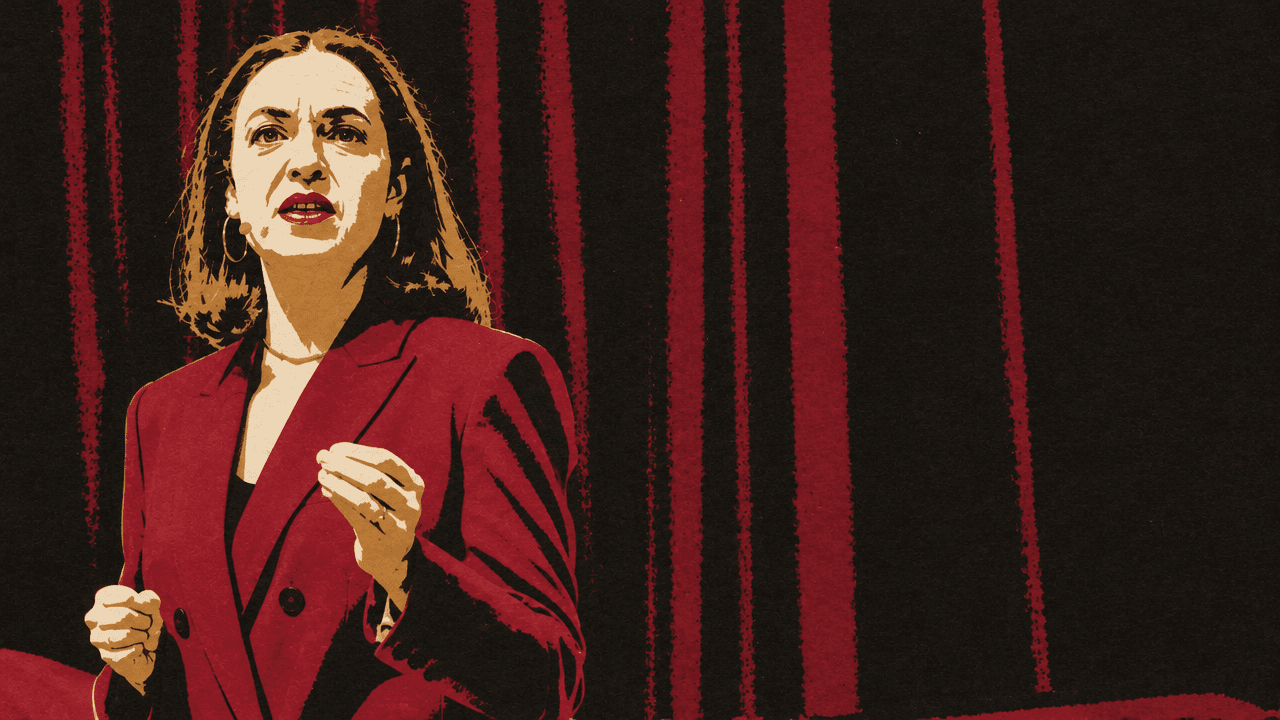
Exhaustion became a character judgment
Lindsay Scola was an ambitious teenager, juggling interests and excited to attend summer classes at Yale. Then, during class, she began experiencing sudden waves of sleepiness: her thoughts blurred, her senses dulled, and she felt she had to sleep immediately. She tried to resist by pinching herself or tapping her foot. Once, she bit her tongue until it bled. Sometimes she slipped into a bathroom stall and fell asleep.


Her family doctor told her, “You’re busy. Busy people are tired.” Scola took the response as both dismissal and a lesson in adulthood: she had big ambitions, so perhaps she needed to get better at staying awake.
That interpretation fit the culture around her. In professional politics, she says, exhaustion was treated as evidence of commitment: the later you stayed up and the more coffee you drank, the more worthy you seemed. On the Obama Advance Team in 2008, she traveled to a new city every four to six days and regularly worked through the night. Everyone around her was tired, but she never saw colleagues sneaking off to nap as she did. She concluded she was lazy, or lacked the willpower others had. Beneath her drive, she felt alone.
For years, she raised her sleepiness with doctors and received advice about sleep hygiene. But other symptoms accumulated. She woke unable to move, sometimes convinced there was something frightening in the room. A doctor attributed the experiences to work stress. Once, Scola heard a child whisper, “Can I hold your hand?” The next day, she saged her bedroom. She did not know these experiences might be connected to a neurological disorder.
The symptoms did not look like one problem
By 35, Scola could fall asleep but struggled to stay asleep. She was awake much of the night, then often fell asleep just before her alarm. At work, she felt like a “lunatic zombie” and began dropping things during stressful meetings.
She asked her general practitioner for help and took an at-home sleep test for sleep apnea. When it came back negative, she was told she was fine. Scola returned to the office insisting that something else was wrong. Her doctor stopped her and acknowledged that they were “beyond both our knowledge of sleep.” She referred Scola to a sleep specialist.
Two months later, after 19 years of symptoms and self-doubt, Scola was diagnosed with narcolepsy, a chronic neurological condition affecting the brain’s sleep-wake cycle. The wait was long, but not unusual: Scola says the average time to a narcolepsy diagnosis is eight to 15 years. She also says doctors worldwide receive, on average, less than three hours of sleep education across their entire medical training. In her account, that gap helps explain why her sleepiness did not prompt follow-up questions.
I never walked into a doctor's office and listed them all together. Because there was no way for me to know they belonged to the same story.
Narcolepsy’s five symptoms can seem unrelated: excessive daytime sleepiness, nighttime hallucinations, sleep paralysis, disrupted nighttime sleep, and sometimes cataplexy—a loss of muscle tone triggered by strong emotions. Scola did not know these experiences belonged to the same condition, or that her tiredness was different.
Sleep hygiene cannot treat every cause of poor sleep
Scola places narcolepsy within a broader problem. She estimates that 20 percent of the population has a sleep disorder, including sleep apnea, chronic insomnia, and restless leg syndrome. Large numbers of people, she says, live exhausted and untreated, assuming their condition is normal.
That assumption can shape who gets recognized. Scola challenges the stereotype that sleep apnea affects only middle-aged men with thick necks and square jaws: she says it can affect people of any age and size. More broadly, people are encouraged to push through exhaustion instead of asking what is causing it.
This isn’t an epidemic of laziness. It’s a failure of diagnosis.
Scola is not dismissing sleep hygiene. A good routine matters, she says, and sleep supports physical and mental health. But sleep hygiene alone cannot resolve a disorder whose cause is neurological, structural, or biochemical. A bedtime routine, weighted blanket, or lavender spray cannot keep an airway open at night; some conditions require medical intervention.
Scola says undiagnosed sleep disorders can bring more than brain fog, reduced productivity, and the danger of drowsy driving. Over time, she says, they can contribute to inflammation, accelerated aging, insulin resistance, and higher risks of heart attack, stroke, and Alzheimer’s.
Diagnosis changed more than her energy
Before treatment, Scola says, her life had narrowed to working or sleeping. She did not feel like a whole person. With treatment, she began to experience a wider range of emotions, found hobbies, and felt more creative. In the eight years of treatment, she says, she has written two pilot scripts, written and published a book, become a keynote speaker, and had articles published in national outlets.
The change is central to her appeal: investigating unusual tiredness may matter not only for health, but for the work, relationships, and interests that exhaustion can crowd out. If something feels off, Scola urges people to ask for help, demand answers, and see a sleep specialist. Her closing question is simple: Is your tired different?