Simple Yes-or-No Signals Can Help Hospitals Communicate With Nonverbal Patients
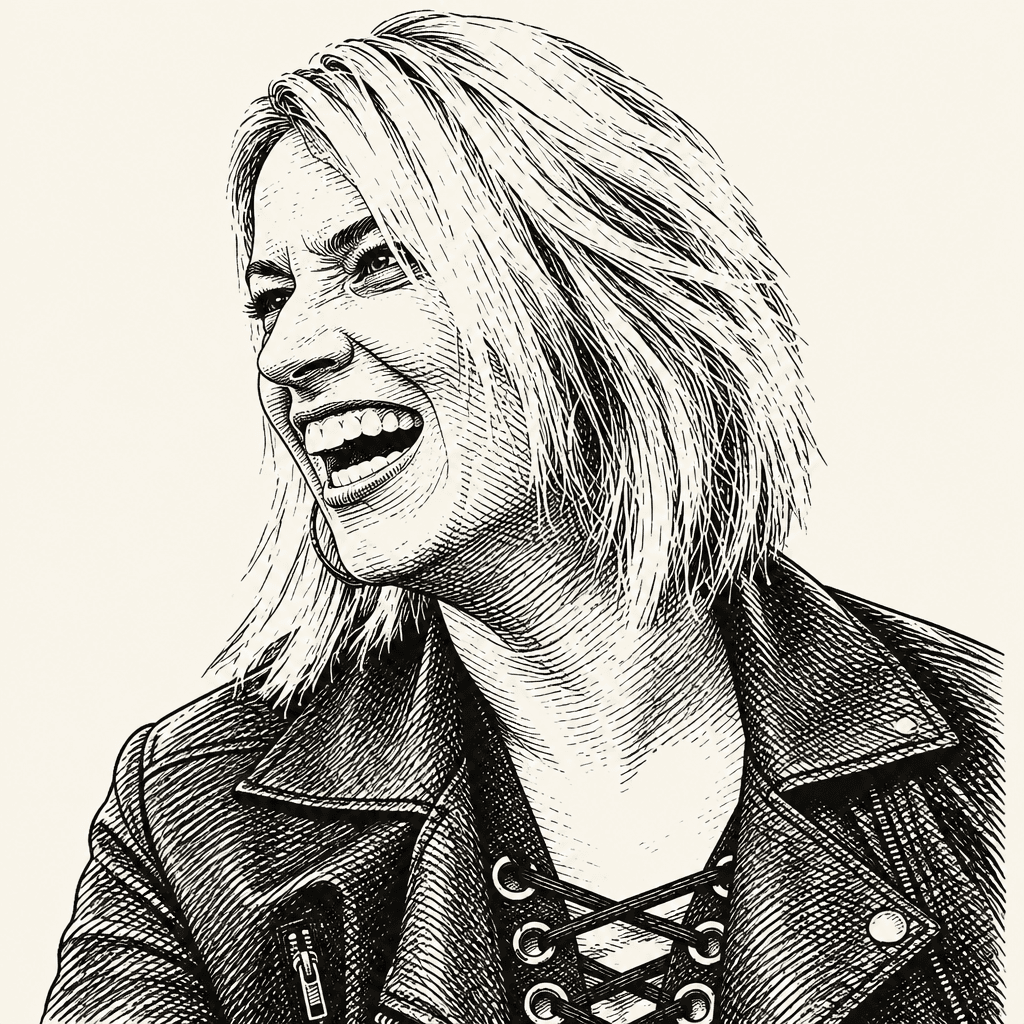
Photographer and artist Jessica Irwin, who is nonverbal because cerebral palsy affects the muscles she needs to speak, says a communication device cannot match the speed or range of speech—and that the gap can leave people unable to express urgent needs. In her TED talk, she argues that being unable to speak is not evidence of impaired intelligence and urges people, especially medical staff, to address nonverbal patients directly and establish simple ways to communicate.
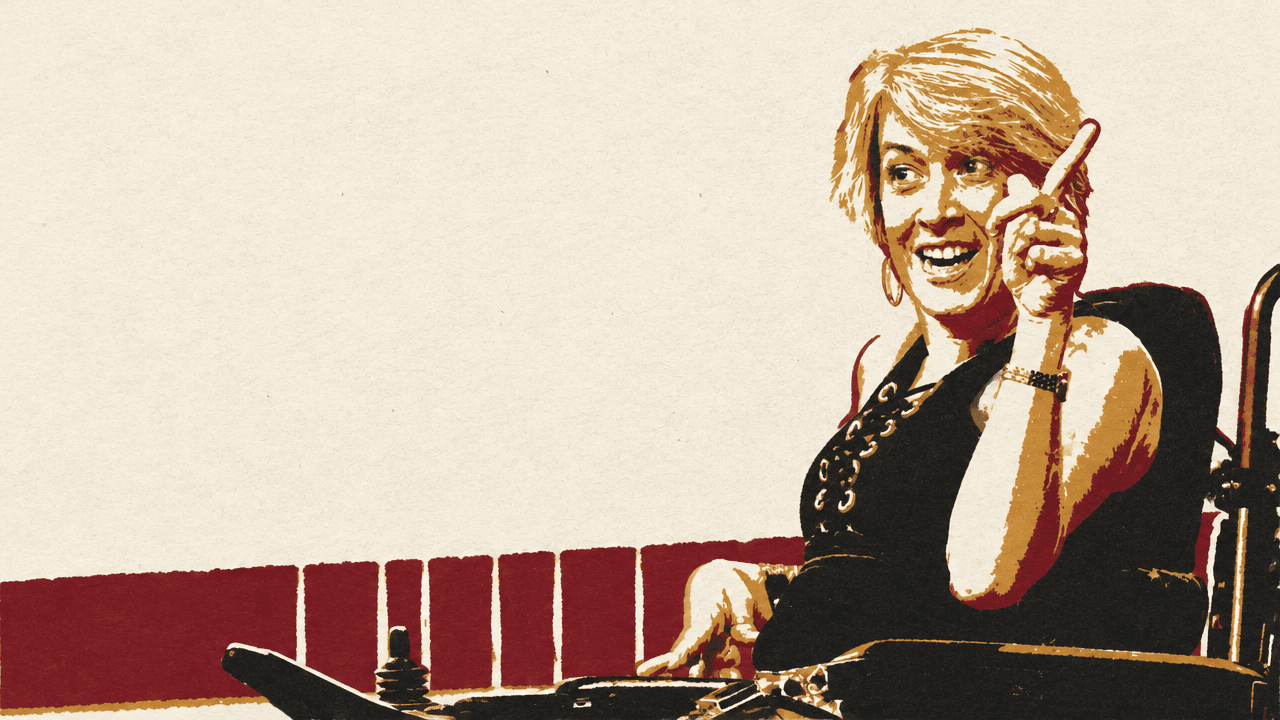
A device gives her words, not the time or range of speech
Jessica Irwin has never spoken a word aloud. Her cerebral palsy affects the muscles she needs to talk; in her case, it affects movement, not intelligence. Through a communication device, she types at about seven words per minute, and the device speaks the words for her.
That gives her a way to communicate, but not an equivalent to speech. Irwin says she can express about 25 percent of what she wants to say.
The other 75 percent stays trapped inside my head for only me to hear.
Even quick wit is hard to convey, and a device that speaks typed words cannot deliver them at the pace of ordinary conversation. Irwin makes the physical barrier concrete by asking listeners to slowly sound out the letter J and notice the movement of the tongue against the teeth. She cannot move her mouth and tongue that way. The obstacle is not a lack of words or ideas, but the movement required to produce speech.
The gap matters in emergencies. Irwin asks listeners to imagine a child reaching toward a hot stove. She cannot quickly call out “Gracie, stop!” Her only hope, she says wryly, might be to push the child away “with love.”
The example makes the time constraint tangible: having something urgent to say does not mean being able to say it in time. For Irwin, access to a communication device does not remove the consequences of being unable to speak.
In a hospital, a lost signal can mean preventable pain
Hospitals can be frightening places for nonverbal patients, Irwin says, because staff may not know how to communicate with them. Some patients cannot use their devices while lying down. Their usual means of speaking can disappear just when they are dependent on others.
Irwin describes being in a hospital bed with an injured hip, wounds and fractures. A nurse bypassed her notes and went to roll her onto the injured hip. Irwin could not say “stop.” She says she could start crying, but she was taking pain medication with irritability as a side effect; the nurse interpreted her distress as fussing because she did not want to be moved. Irwin says she had no way to prevent the movement and had to brace for the pain. She describes this not as a hypothetical, but as her “horrifying reality.”
That experience is why Irwin is bringing communication training into hospitals. Her proposed starting point is to assume the patient is intelligent and ask questions that can be answered yes or no. She suggests asking the patient to look up for yes and down for no, then using those responses to communicate.
Once a yes/no signal is in place, it can help with questions about pain, whether to call someone, or whether it is all right to examine an injury. If a more specific answer is needed, Irwin suggests running through the alphabet and asking the patient to look up when the correct letter is reached. In her talk, she has the audience try the up-and-down signals, demonstrating an exchange without spoken words.
A familiar alternative—asking someone to squeeze a hand—may not work for Irwin. Her cerebral palsy causes involuntary gripping, so a squeeze may happen without meaning yes, and she may be unable to release. She jokes that the other person might wonder why she will not let go, while she is thinking, “Bollocks, my hand won’t let go, I’m stuck, and they don’t know.”
Start with the person, not an assumption about their mind
Irwin challenges the leap from cerebral palsy or brain injury to presumed intellectual impairment. Her condition affects movement, she says, not intelligence. As she puts it, brain damage should not mean that someone’s entire brain is disregarded. Being nonverbal does not mean having no opinions or knowledge to share, yet people may speak loudly down to nonverbal people or pat them on the head because they do not know how to approach them.
Her suggested opening is ordinary: introduce yourself and let a conversation develop. There is no need to speak loudly or slowly. Irwin asks listeners to consider how strange it would be to pat the head of the person sitting next to them, then points out that people who do this may regard her as the one behaving unusually.
She advises paying attention to facial expressions and eye movements, noticing whether the person is using a communication device, and trying humor to see whether they respond. A digital screen may be the visible route to their words.
Irwin’s request is directed at professors, doctors, nurses and potential friends alike: try to communicate. She identifies herself not only by her disability but as a photographer, artist, author and keynote speaker—and, finally, as a human being like the people listening.