The Brain Performs Better When Control Gives Way to Practice
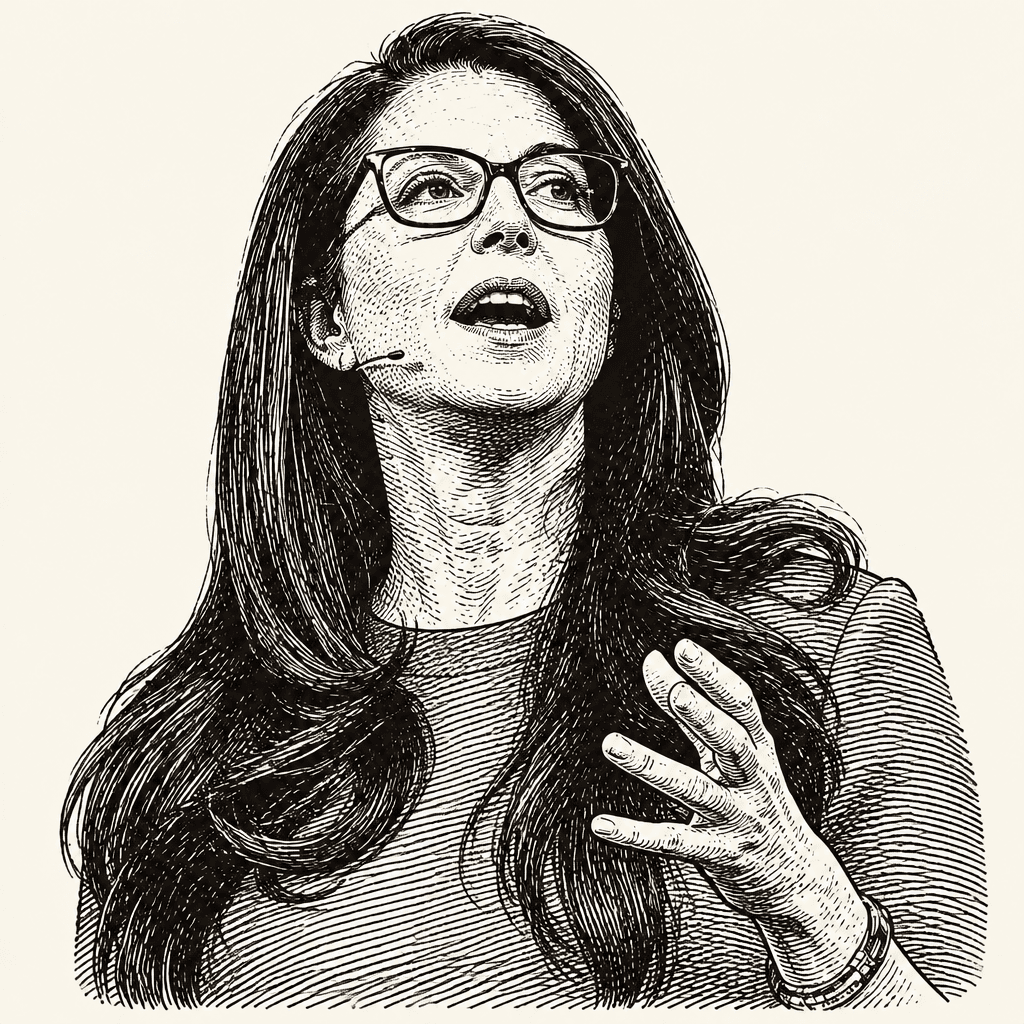
Neuroscientist Heather Berlin argues that self-control is not a matter of suppressing impulses or managing every outcome, but of knowing when to apply restraint and when to release it. In her TED talk, she draws on brain research and her own fear of flying to make the case that deliberate letting go can reduce anxiety and create room for creativity and flow.

Control is a skill of shifting, not holding on
Heather Berlin argues that thriving depends not on perfect restraint but on knowing when to use it—and when to release it. She describes the prefrontal cortex as the brain’s brake and the limbic system’s emotional and reward circuits as an accelerator. Her research uses impulse-control tasks, brain scans and physiological measures to examine how people inhibit impulses, how strongly they are pulled toward action, and what happens when those systems are out of balance.
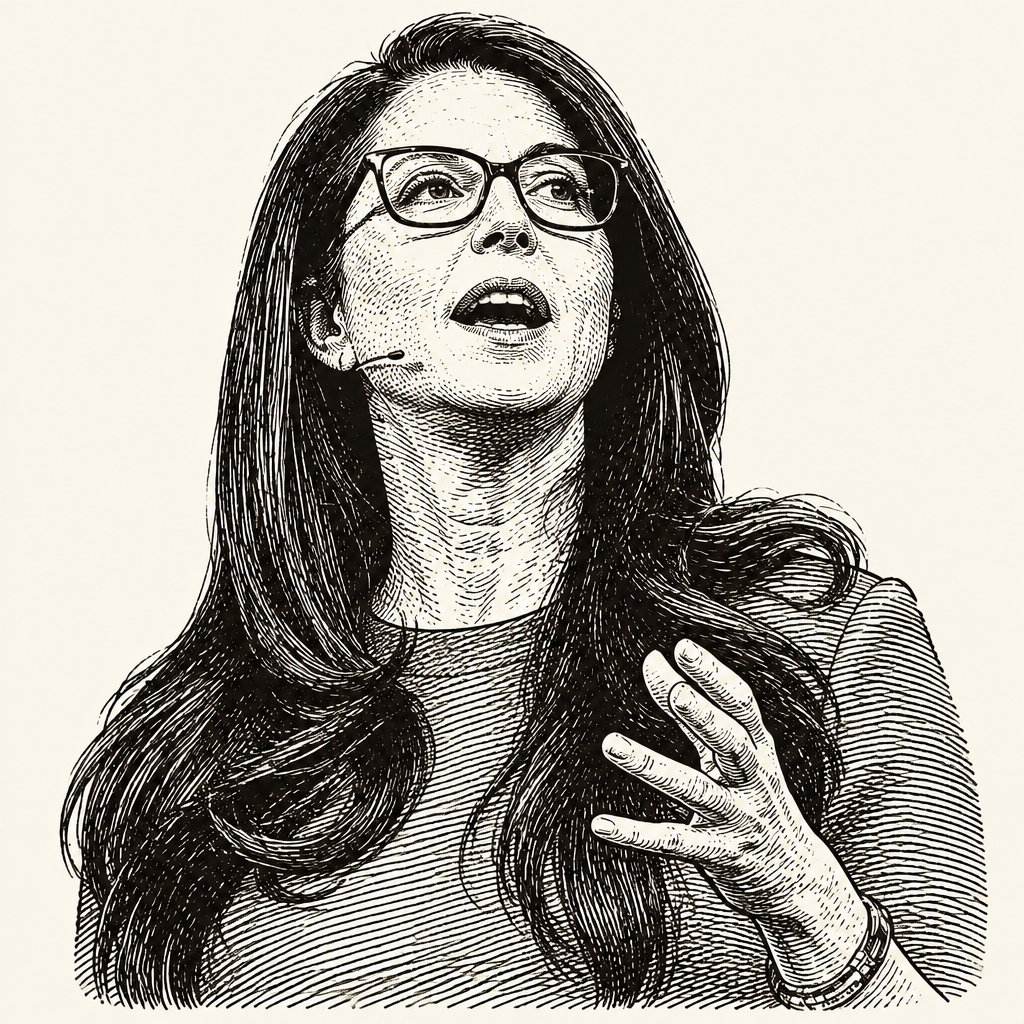
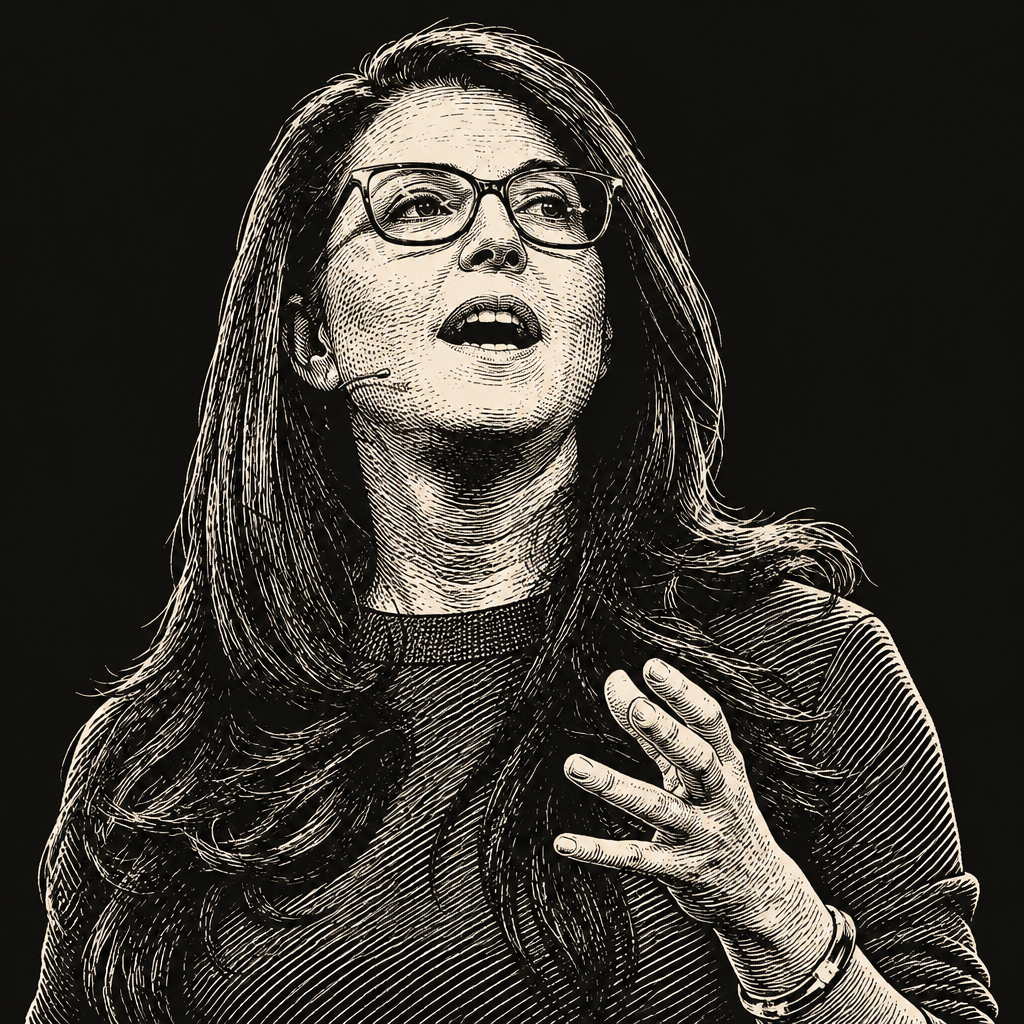
The practical goal is flexibility: using restraint when it protects something important, and becoming more open when a situation calls for trust. Sometimes that means pausing or choosing the long game. At other times it means stopping the rehearsal, perfectionism and effort to control every outcome.
To truly gain control, you have to learn the fine art of losing it, on purpose, in the right moments.
Her own fear of flying illustrates what she calls “controlled surrender.” Statistics and reasoning did not quiet her fear. Instead, she imagined the worst-case scenario and accepted that if the plane went down, it would be outside her control. Berlin says that accepting the limits of control calmed her fear circuits; letting go did not mean acting recklessly.
The distinction matters because some people and situations call for more restraint. Berlin points to impulsivity, addiction and ADHD, as well as children whose prefrontal cortex is still developing. The aim is not to abandon restraint or follow every impulse. It is to build the ability to shift between control and release—and to recognize which the moment requires.
Small acts of imperfection build room to let go
The four practices serve different purposes: tolerating harmless imperfection, approaching avoided discomfort, entering practiced absorption, and making space for mind-wandering. That distinction can help you choose where to start without treating the exercises as interchangeable.
1. Practice micro-letting go
Heather Berlin’s first practice is “micro-letting go”: small, safe departures from habit that give the brain a chance to tolerate imperfection. Sing aloud, dance badly, doodle nonsense, take a different route home, or let someone else pick the restaurant. The risk should be small enough that the mind cannot build a long argument against it.
She suggests one micro-risk a day, perhaps 30 seconds of harmless awkwardness. Notice the urge to tighten up, breathe, and stay with the feeling until it passes. The point is not the activity itself, but becoming more able to experience the discomfort of not managing everything.
Berlin gives the competing systems comic names: the prefrontal cortex is “Spock,” logical and disciplined; the limbic system is “Keith Richards,” driven by instinct, pleasure and impulse. Too much Spock, she says, and a person freezes; too much Keith, and they act before thinking. Neither system should always win. The task is to tune the balance.
2. Lean into discomfort
The second practice is to turn toward discomfort rather than automatically avoid it. Speaking up in a meeting, asking someone out or jumping into cold water can bring a flutter of fear. Berlin’s point is that discomfort is not necessarily danger. She describes exposure therapy as repeated contact with what a person fears, allowing the brain to learn a different prediction: uncomfortable does not mean unsafe. With repetition, she says, the alarm response can fade.
She recounts a patient with severe panic who had avoided elevators for years. The patient began by riding one floor and stepping out. Over time, she could take the elevator to her 33rd-floor apartment. For moments of anxiety, Berlin suggests a brief practice: plant your feet, take three slow breaths and say, “This is discomfort, not danger, roll with it.”
In flow, practiced control gives up micromanagement
3. Do one thing where you lose track of time
Heather Berlin’s third practice is to find an activity that absorbs attention: writing, gardening, running or painting. She calls this the “cold tea test”: if you forget your tea until it has gone cold, you may have found a gateway to flow.
Berlin describes flow as a measurable change in brain networks: self-monitoring recedes and action systems take charge. She says evidence suggests dopamine and norepinephrine increase in this state, sharpening focus. In her account, self-critical chatter quiets, allowing a person to stop thinking through each move and start acting.
She points to freestyle rappers improvising: their inner “Spock” mutes while creative networks activate. Surgeons, athletes, artists and musicians also rely on practiced skills that can run without conscious direction. A pianist does not have to think through every finger movement; a surgeon does not consciously guide every cut. Control remains, Berlin says, but it has been built into the skill.
That is why trying harder can undermine performance. Once people have trained, Berlin says, they may need to stop consciously managing each action. Becoming too self-aware can activate parts of the prefrontal cortex and disrupt flow. The aim is not chaos but “mastery without micromanagement.”
Boredom makes room for ideas to connect
4. Let yourself be bored
Heather Berlin’s fourth practice is to allow a little boredom. Put down the phone, take a walk, or give the mind five minutes to wander. Berlin calls this “micro-boredom,” and says breakthroughs often arrive not during deliberate effort but later—in the shower, while doing dishes or in a boring meeting.
Berlin describes the default mode network as the brain’s imagination workspace. In her explanation, when people rest, this network can cross-talk with executive-control regions, giving ideas space to connect.
When people are blocked, trying harder to be creative can make the problem worse: Berlin says the prefrontal cortex judges and edits each idea before it can develop. Relaxing allows unconscious associations to form. Her analogy is a Chinese finger trap: pulling harder tightens it; relaxing loosens it.
Acceptance is not giving up. It is loosening the demand to control everything. Berlin connects the idea to Stoics, Buddhists and mystics, who she says have long treated acceptance as a route to freedom. She says acceptance relaxes the prefrontal cortex and reduces stress circuits.
Berlin began with a childhood fear of death and the unknown. She says she still has not worked out how to keep her thoughts after death. What she has learned instead is to live more fully while she can: to loosen her grip on perfection, outcomes and self-image, and make room for the present. Sometimes, she concludes, the greatest act of control is knowing when to let go.