Redirecting Finance Could Turn Shipping Into a Clean-Economy Engine
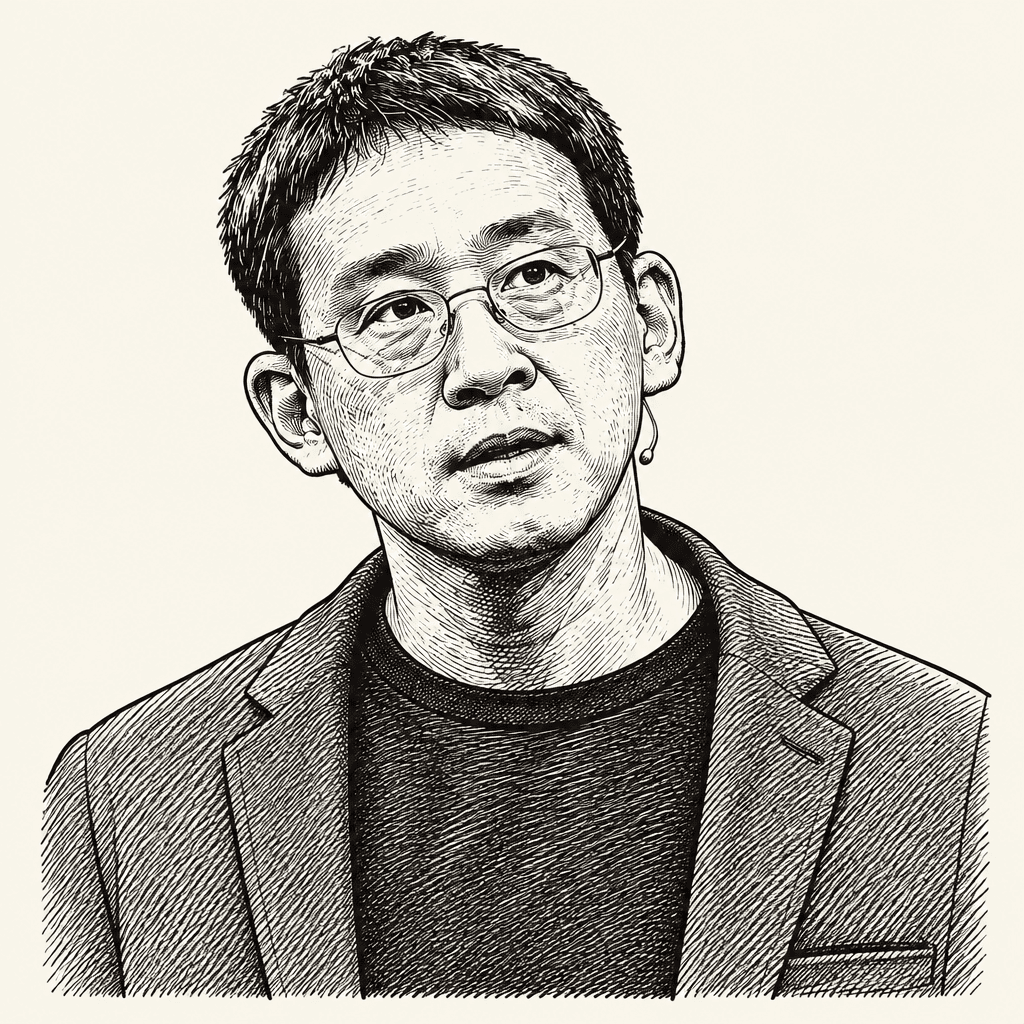
Climate strategist Joojin Kim argues that maritime shipping offers an unusually concentrated point of leverage in the fight against emissions: the sector burns fossil fuels, carries oil and gas, and relies on steel made with coal. After working to persuade South Korean banks to stop financing coal, Kim wants to apply the same financial pressure to shipping, while building markets for cleaner ships and fuels. His case is that redirecting investment could change not just the industry, but the supply chains it connects.

Shipping concentrates three climate problems in one system
Joojin Kim argues that shipping is an unusually powerful place to intervene in the climate economy because it connects emissions from cargo, fuel and construction. If shipping were a country, he says, it would rank as the world’s sixth-largest greenhouse-gas emitter.
The first problem is what ships carry. Crude oil and gas account for roughly a third of maritime trade. About half of natural gas is transported as liquefied natural gas, or LNG, and Kim says LNG trade has doubled over the past decade. The second is what powers the ships: most burn heavy fuel oil, while LNG is increasingly used. Both release carbon dioxide; LNG also releases methane, which Kim describes as a dirty super-pollutant that accelerates climate change and air pollution.
The third problem is what ships are made from. Most steel is produced using coal, and steel production accounts for another 8 percent of global emissions, according to Kim. Shipping is not simply a source of exhaust. Its vessels can also sustain fossil-fuel trade and embody emissions from steelmaking.
That combination makes shipping a potential lever beyond the sector itself. Kim’s case is that changing what gets financed and built could affect fuel markets, steel production and the wider energy transition at once.
East Asia is where the supply chains and financing meet
The ocean may look like a diffuse, decentralized space, but ship supply chains converge in East Asia, Kim says. South Korea is especially important: he describes it as a dominant force in global shipbuilding, ship steel production and public finance for the industry.
That concentration makes the region a point of leverage. Kim frames the current choice for East Asian economies as whether to keep funding fossil-fuel infrastructure or shift investment toward alternatives such as offshore-wind installation vessels, green-ammonia tankers and ships made with clean steel. The alternatives, he says, will not scale merely because the technology exists. Policy, finance and regulation have to make them attractive to build and use.
The timing matters in Kim’s account because recent wars have exposed the volatility of fossil fuels. But volatility alone will not produce a transition. The outcome depends on decisions by lenders, governments and regulators about which systems to support.
Kim’s organization, Solutions for Our Climate, says it has applied this kind of pressure to coal finance in East Asia. Its methods have ranged from international negotiations and court cases to community organizing and public campaigns. Kim says the work contributed to East Asian coal giants ending coal financing. He wants to apply the same approach to shipping.
LNG carriers reveal a financial choke point
Kim’s example of how the strategy works is LNG transportation. Global LNG trade depends on ships, and each LNG carrier costs about $250 million to build, takes three years to complete and locks in emissions for decades.
The ships are concentrated in both production and finance. In 2022, South Korean government banks provided more than $10 billion in financing for them, Kim says. The technology involved, he adds, is controlled by a handful of companies. Large capital requirements, concentrated shipbuilding and a small group of technology providers make LNG carriers a political and financial choke point, not just a commercial product.
The proposed response is to cut off the capital that enables further expansion. Kim says his organization wants LNG to become a “no investment zone”: it is asking private banks to stop financing LNG carriers and pressing Asian lenders to adopt exclusion policies. The premise is that restricting finance for the ships would limit LNG expansion.
The approach is not confined to LNG. Kim says the organization has already persuaded four European banks to exit a major LNG project in Mozambique, blocked new coal-based steel investments and secured financial support for hydrogen-based steel mills. He presents these as evidence that financial pressure can change which projects proceed, while the larger shipping effort remains ahead.
Clean alternatives need markets, not just technology
For Kim, the other half of the strategy is to build the conditions in which cleaner options can compete. He says the technology for clean steel and green shipping fuels already exists; what is missing is the supply chain and demand to scale it.
That means developing clean-fuel supply chains and creating demand through green shipping corridors between ports. Over time, regions rich in renewable energy could become shipping-fuel production hubs in place of oil refineries. For steel, green hydrogen could take the role coal has played in steelmaking.
The proposed initiative, Navigate to Clean, brings those strands together: redirect finance away from fossil expansion while building markets and rules for alternatives. Kim describes the team as combining marketing, diplomacy, law and shipping expertise, with a regional base and global reach. The claim is that the same combination of pressure and market-building used on coal can now be brought to maritime shipping.
Kim sets an ambitious ceiling for the effort: eliminating up to 2.2 gigatons of emissions per year by 2032, which he compares to nearly a year of emissions from the entire European Union. His broader point is that shipping’s importance lies in its connections—to fossil-fuel trade, shipbuilding, steel and finance. Shifting those connections, he argues, could make a hidden engine of the global economy serve clean trade instead.