Play Is a Survival Skill, Not a Reward for Productivity

Creative health scientist Katina Bajaj argues that adults have turned play into another optimized task—or abandoned it altogether—creating what she calls a “play deprivation crisis.” In her TED talk, she defines play as intrinsically motivated activity without a predetermined outcome, and contends that its uncertainty supports creativity, resilience and the capacity to adapt. Rather than scheduling more leisure, Bajaj urges people to preserve room for non-linear, imperfect and public forms of play in daily life.
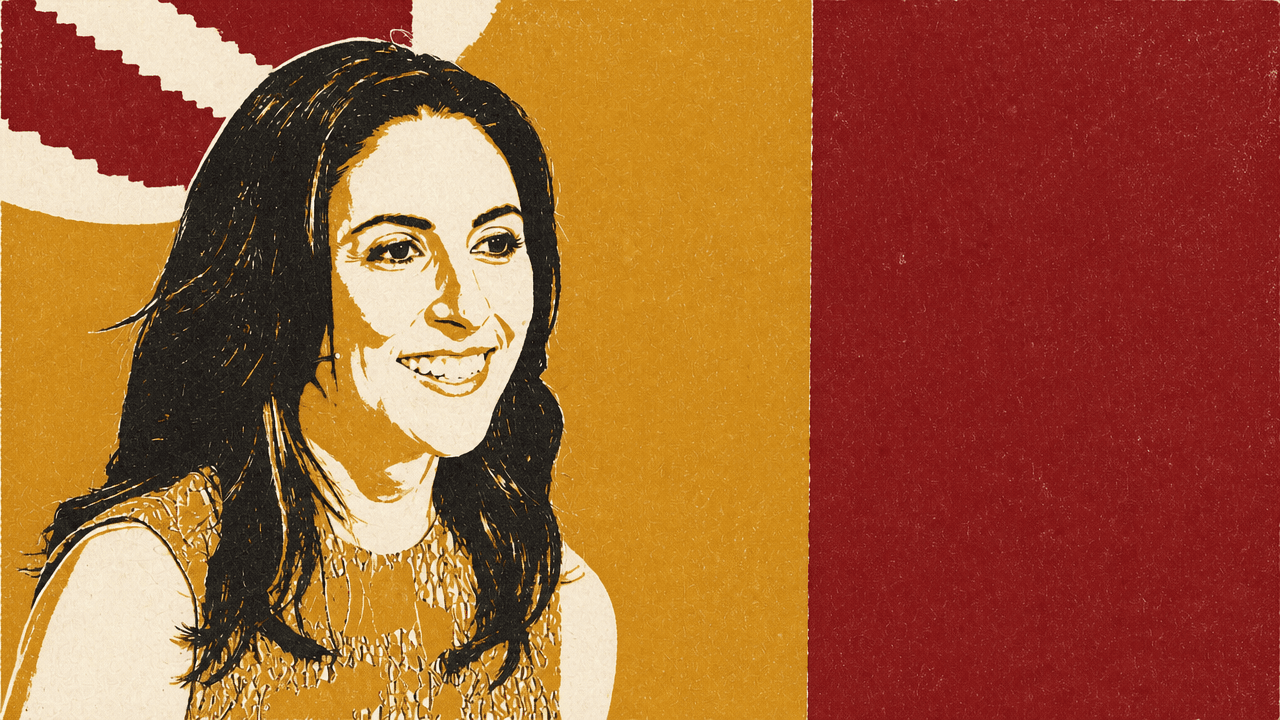
Play begins where outcomes stop being the point
Katina Bajaj defines play as doing something without knowing exactly where it will end up. It is not necessarily silliness, childlike behavior, a new hobby, or a scheduled period of leisure. It has no instructions that must be followed and no outcome that must be achieved. Its two elements, she says, are intrinsic motivation and the freedom not to know the answer in advance.
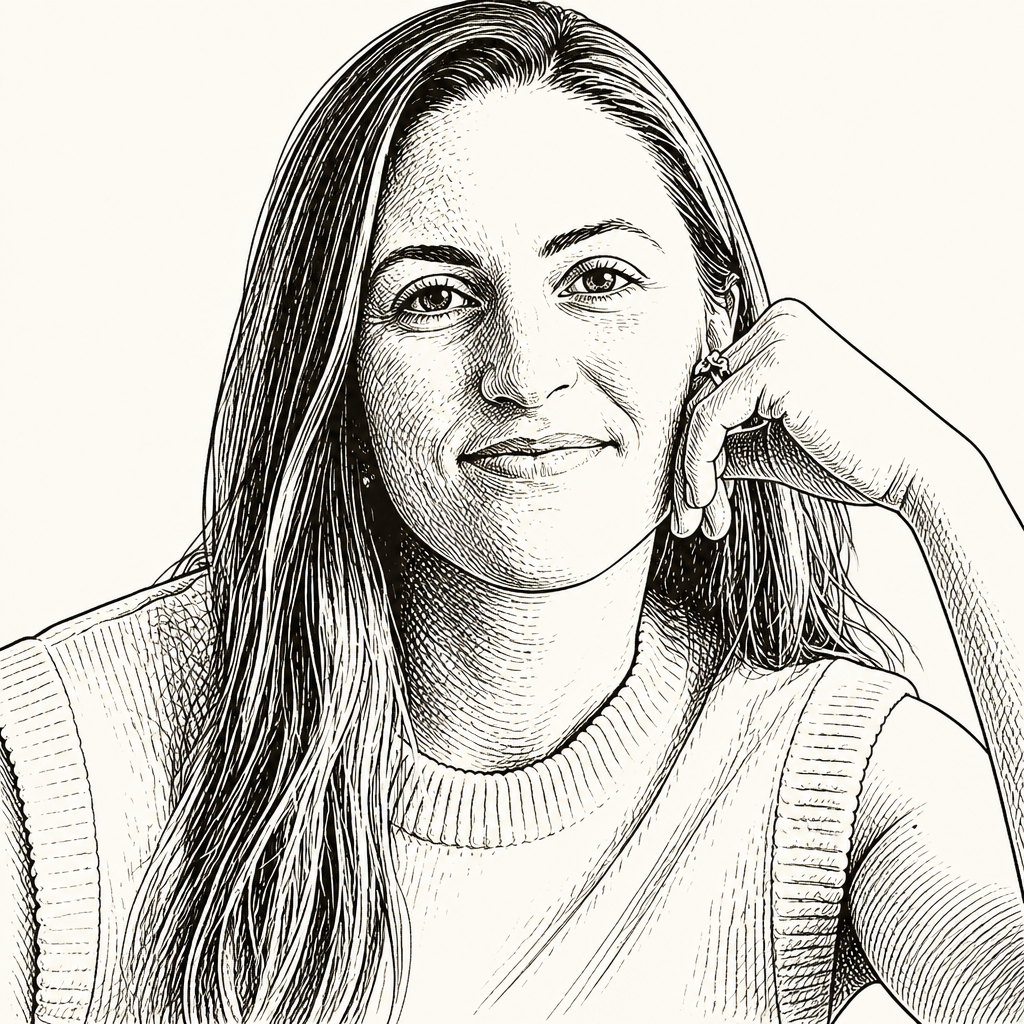
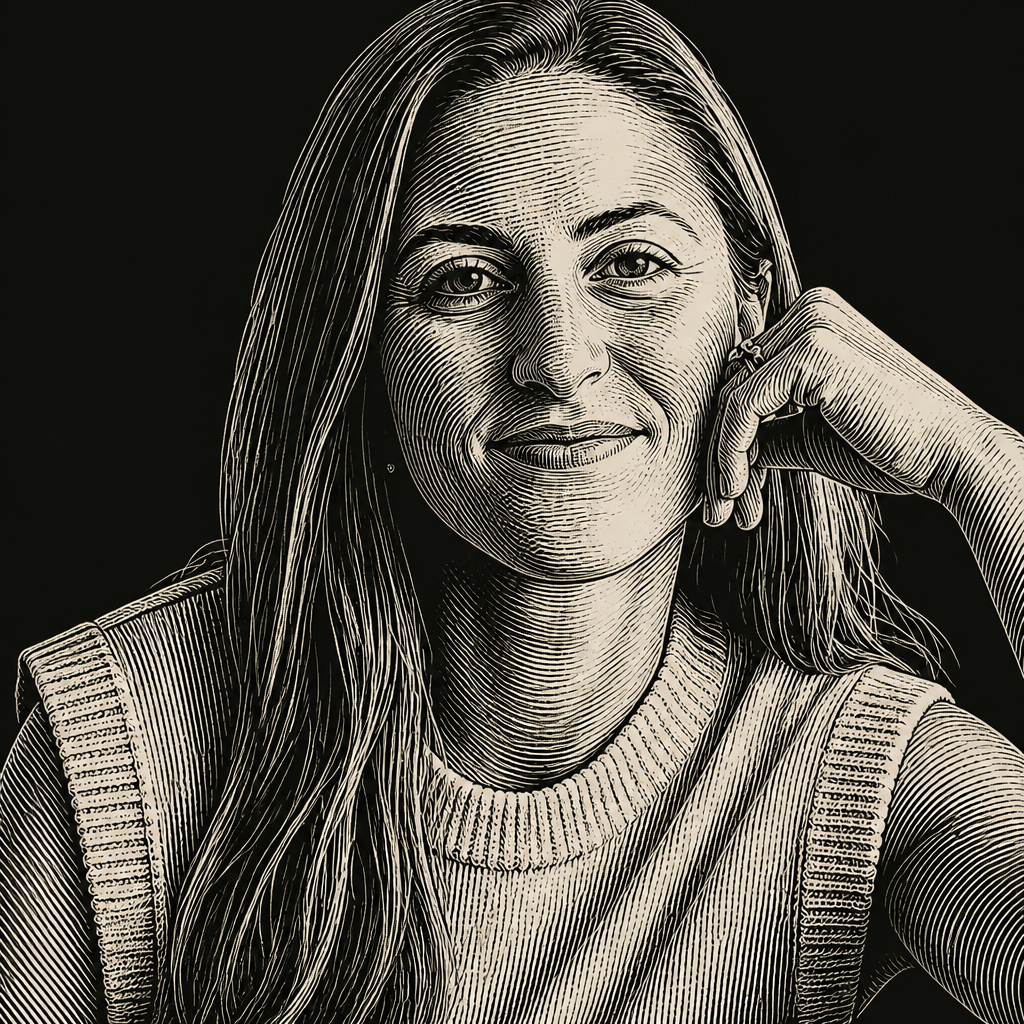
Play is what happens anytime we choose to do something without knowing exactly where it's going to end up.
That definition makes play more demanding than it first appears. Adults may retain the appearance of play while stripping out the uncertainty that gives it its character. A hobby becomes an assignment; a craft becomes a tutorial performed exactly; time meant for fun becomes scheduled and optimized until, as Bajaj says, there is “nothing left to chance.”
She recognized that impulse in herself as a child. After homework, she would lay out Barbies and markers, then wait for an idea worthy and perfect enough to make. Even her favorite imaginary game—emergency-room doctor—had preparation, fixed roles, and no room for mistakes. Play felt earned, and once earned, it had to be done seriously.
Bajaj says her training in clinical psychology and nearly a decade studying creativity changed how she understood that instinct. Creativity, in her account, is not merely a talent but part of well-being, a pillar she calls “creative health.” Play is among the ways to strengthen it, supporting deeper fulfillment, stronger resilience, and more original ideas.
Optimization has turned play into another task
Katina Bajaj calls the broader condition a “play deprivation crisis.” In interviews with thousands of people about their relationship with play, she repeatedly heard that people lacked the time, talent, or tools for it. And when they did make room, they often treated it as another managed activity.
The loss is not simply less fun, Bajaj argues. Adult life has systematically traded spontaneity, freedom, and wonder for efficiency and achievement. At first, this may register only as endless busyness. Over time, she says, stress compounds, burnout becomes chronic, and playless adults create a playless society—one whose institutions can become rigid, lonely, and polarized.
Her own research at Daydreamers led to an important correction of the instinct to solve this with a better routine. Her team studied executives, postal workers, and stay-at-home parents from ages 18 to 85 in their daily lives rather than a laboratory, analyzing millions of minutes of creative behavior through pictures and psychologically validated assessments.
The people Bajaj describes as creatively healthy were not following the same prescribed activities or adding a common set of practices to their calendars. They were bringing a playful approach into many parts of life: thinking playfully, expressing themselves playfully, and noticing play when it happened around them. In her account, play was not an item to schedule; it was an orientation people carried through daily life.
Non-linear thought needs slack and friction
Katina Bajaj says the pressure toward visible output at work can crowd out thought that does not immediately look productive. To-do lists and back-to-back meetings privilege linear progress. She points to the default mode network, which she says is activated when people do things not normally considered productive and supports the spontaneous, imaginative thinking beneath creative play.
Mind-wandering and daydreaming are often dismissed as laziness, Bajaj says. But she characterizes them as periods in which the mind connects disparate ideas that do not yet make sense together. She invokes Einstein’s thought experiments as an example of innovative work he credited not to doing mathematics at a desk, but to imaginative exercises.
The practical implication is not a mandatory icebreaker or a fresh productivity ritual. It is to protect non-linear thought when it appears: someone staring into the distance during a meeting, or looking away from an inbox, may be doing the work of making unexpected connections.
The same logic applies after work, when many people seek a frictionless evening through scrolling, effortless ordering, or other forms of ease. Bajaj argues that play needs friction. She points to eustress, positive stress that comes from effortful activity. Physical play or making something with the body, she says, can expand energy and even one’s perception of time.
That is different from completing an adult coloring-book page perfectly or following a YouTube tutorial exactly. Freer play can be as small as mixing ingredients without a recipe or doodling in a notebook margin. Bajaj describes a night when, while trying to write something profound, her pen moved left, formed a circle, and continued into random shapes and patterns. The experience felt uncomfortable and liberating at once.
We don't need to wait for play to feel good to do it. Doing it in the face of resistance and discomfort is how we begin.
A culture that makes things special keeps play public
Katina Bajaj extends the argument beyond private creativity or personal restoration. Play deprivation becomes cultural, she says, when people actively punish play around them: silencing music in parks, for example, or treating leisure as laziness. She cites philosopher Johan Huizinga’s warning that a culture that loses play can become brittle and polarized, unable to cope with change.
Her response is not that everyone must become the center of attention. Play is contagious, she says, and research shows that being near people who are playing can motivate others to do it too. When a crowd starts to form around a musician, the choice may be simply to take out the headphones and listen, to laugh, clap, or join in rather than race past. Making play visible gives others permission to participate.
Bajaj connects that permission to anthropologist Ellen Dissanayake’s idea of “making special”: the human capacity to add expressive, playful detail to ordinary life. In Bajaj’s account of early human societies, people decorated tools with intricacy, filled clothing with beads and shells, danced, told stories, and appreciated beauty without a functional or productive reason—just because.
That history gives play a role larger than individual creative output. The capacity to make ordinary life special, Bajaj argues, is woven into how people bond, adapt, and make meaning in difficult moments. Play is therefore not a reward to be earned after productive work. It is a lifelong human capacity that has to remain present in the places where people work, rest, and encounter one another.