Citizen-Led Action Creates the Space for Democratic Reform
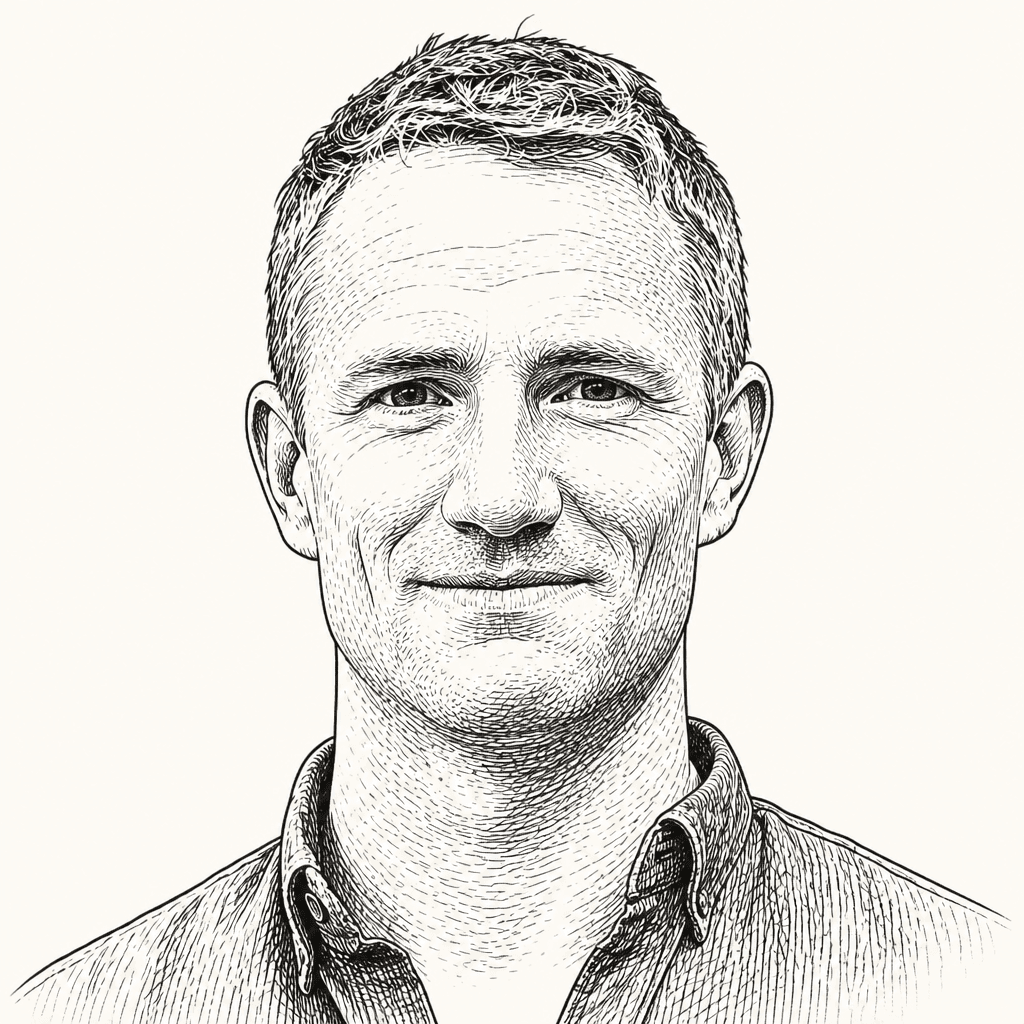
Jon Alexander, a citizen strategist and author of Citizens, argues that democratic renewal begins when people organize around shared problems rather than wait for politicians or institutions to act. Drawing on efforts in Melbourne and Altadena, California, he contends that citizens can build the relationships, goals and practical capacity that formal politics can later adopt and support. His alternative to a democracy of periodic consumer choice is a more participatory model in which people create what their communities need together.
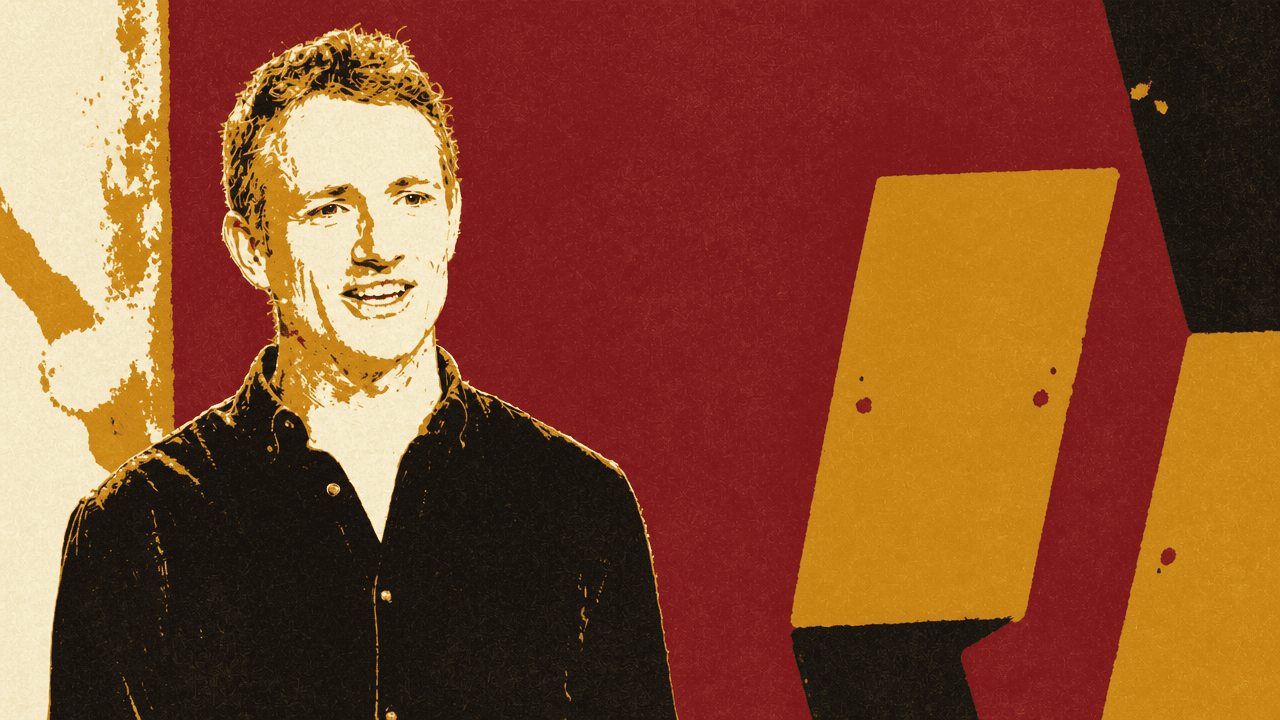
Democracy moves when citizens create the space for institutions to follow
Jon Alexander argues that democratic renewal will not primarily arrive as a reform delivered by political leaders or institutions. Across a decade spent collecting examples for his book Citizens and the podcast How to Save Democracy, he says he has found participatory institutions and politicians willing to put citizens’ power ahead of their own. But the more consequential pattern, in his account, runs in the other direction: people act together first, then formal politics has somewhere to move.
Regen Melbourne is his model of how that can happen. At the end of 2020, amid COVID lockdowns and the Black Summer bushfires that filled Melbourne with smoke, a small group of residents began meeting online. They concluded that existing power structures were not capable of responding adequately to the crises confronting the city. If they did not want such summers to become normal, they would have to act themselves.
The gatherings grew from a handful of people to hundreds. Participants brought in authors and specialists from around the world, using those conversations to develop a shared vision: a resilient, regenerative and beautiful Melbourne that could serve as a template for other cities. They created Regen Melbourne as a catalyst for citizen action and set three “earthshot” goals.
| Goal | What it would mean |
|---|---|
| A swimmable Birrarung | The river would be swimmable along its entire course. |
| Nourished neighborhoods | Melbourne’s food systems would be localized so every neighborhood was nourished. |
| Community on every street | A sense of community would be fostered across the city’s 300,000 streets. |
The third goal was practical as well as aspirational. Stronger street-level relationships would matter if future disasters struck, Alexander says, but the point was also “joy.”
Five years later, he says, citizens at river festivals are swimming in the Birrarung progressively closer to the sea. The river has the status and rights of a living entity. More important for his argument, Melbourne’s city council adopted the citizens’ goal and began directing institutional resources toward it.
It’s actually not institutions that are changing for us, it’s not politicians who are leading us there, it’s the people. It’s citizens coming together and building the future, creating the space for the politics to move into.
Discussions have also begun about a standing citizens’ assembly within the city’s governance: a randomly selected, representative group of residents who would deliberate on major local questions alongside existing elected bodies. Sister organizations are emerging across Australia. For Alexander, the significant fact is not only the projects now underway, but their origin in people who chose to build amid crisis rather than merely stare into it.
The consumer logic cannot meet collective problems
Alexander frames this shift through competing “stories of self and society”: the roles people are taught to occupy, the expectations attached to those roles, and the kind of democracy each makes possible.
He describes the older “subject” story as a world of dependence: subjects of a king are expected to keep their heads down, obey, and accept what they are given because a supposedly wiser ruling few will determine society’s course. He contrasts it with the “consumer” story that, in his telling, emerged after the two World Wars and was powerfully shaped by America. Its basic promise was liberating: people should pursue their own interests, trusting that individual self-interest would add up to collective benefit.
Alexander’s framework distinguishes three relationships to power.
| Subject | Consumer | Citizen |
|---|---|---|
| Dependent | Independent | Interdependent |
| To | For | With |
| Obey | Demand | Participate |
| Receive | Choose | Create |
| Command | Serve | Facilitate |
The political counterpart of the consumer story, Alexander says, was a democracy of periodic choice. People could select among a fixed set of candidates every few years and give away their power according to self-interest.
He does not dismiss that story as wholly mistaken. It represented a genuine liberation from subjection, he says, and it appeared to work. But he contends that its logic now fails against problems that are inherently social: loneliness and mental ill health, pervasive inequality, and ecological crisis. None, he argues, can be solved through self-interest alone.
As that story weakens, he sees a risk of regression. In uncertainty, the subject story reappears in the appeal of strongman leaders offering what he calls false certainty. The alternative is the “citizen” story: not obedience and not the pursuit of private gain, but participation.
The logic here isn’t keep your head down, do as you’re told, nor is it pursue self-interest. It’s get involved.
The citizen story rests on a different premise about collective capacity: “all of us are smarter than any of us.” It asks people to contribute ideas, energy and resources; to assemble with others; and to make the society they need rather than wait for it to be supplied. In this account, elected institutions are not discarded. They can complement citizen action—as in the proposed Melbourne assembly—or adopt and resource goals citizens have already organized around.
Mutual aid is democracy when people build what they need
Alexander offers Altadena, California, after the Eaton fire tore through the community on January 25, as another case of citizens building directly from crisis. Whole neighborhoods were destroyed in what he describes as a historically significant Black and brown community.
Residents came together despite having little left themselves, he says. Neighbors helped one another decide what to do with the resources they did have, both giving and receiving support. They created Dena Heals, a mutual-aid marketplace and wellness center that, he says, has helped more than 7,000 people across 1,500 families.
Alexander presents Dena Heals not as an exceptional expression of charity, or even merely personal kindness, but as democracy: people affected by a crisis coming together to create what they need. He describes this as a deeply human response to disaster—letting the barriers that had kept people apart burn rather than their relationships.
His point is not that crisis itself is desirable or sufficient. Collective action may become unavoidable after disaster, but it is easier when relationships, shared purpose and local capacity already exist. His proposed first step is deliberately ordinary: return to the places where one lives and loves, take a walk, identify what matters, ask who else cares, gather, and decide what can be built.