Bullying Gains Power When Bystanders Supply Silence and Support
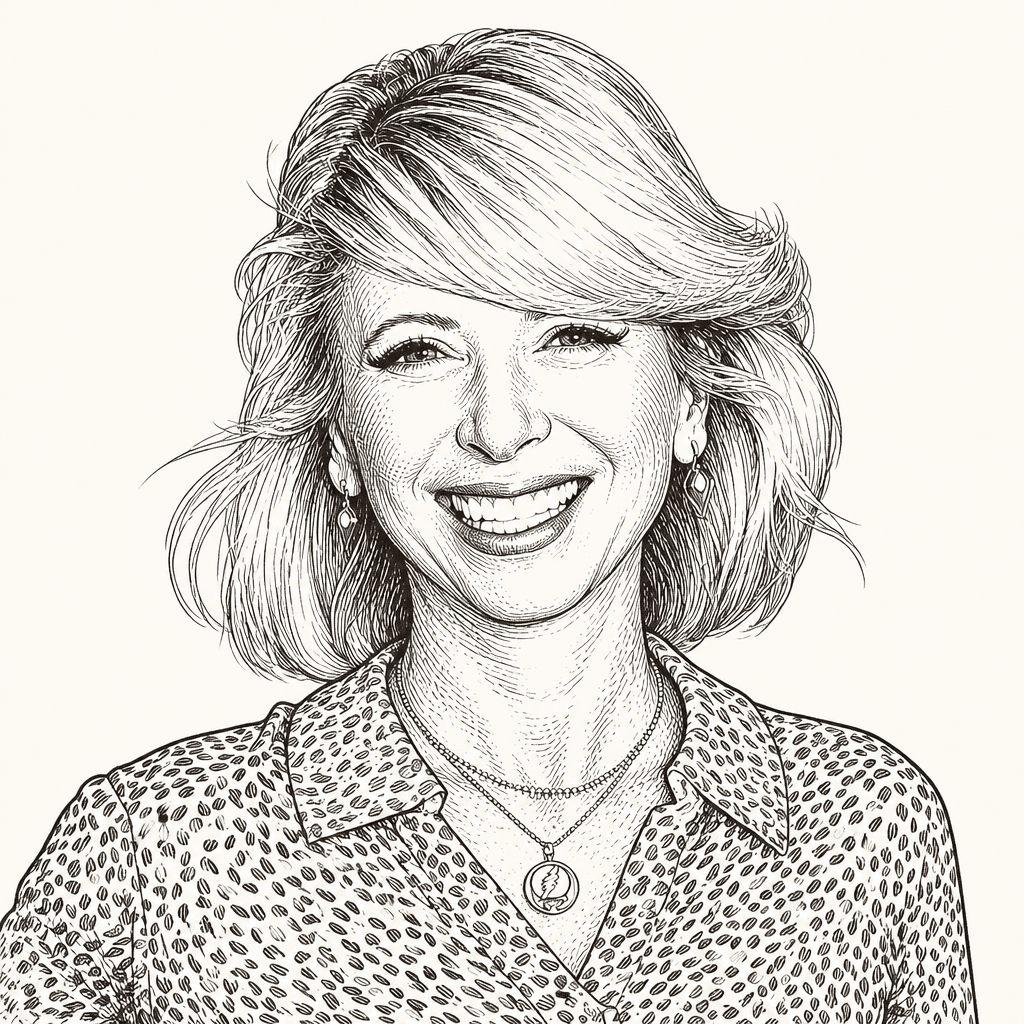
Amy Cuddy argues that bullying is not simply conflict or criticism but a serial, coordinated effort to isolate a target—and that its power depends on the bystanders who laugh, stay silent or amplify the attack. Drawing on research and her experience of a public campaign against her academic work, the social psychologist says groups can interrupt bullying early through “social bravery”: visible, shared acts of support that deny an attacker the audience and validation they need.
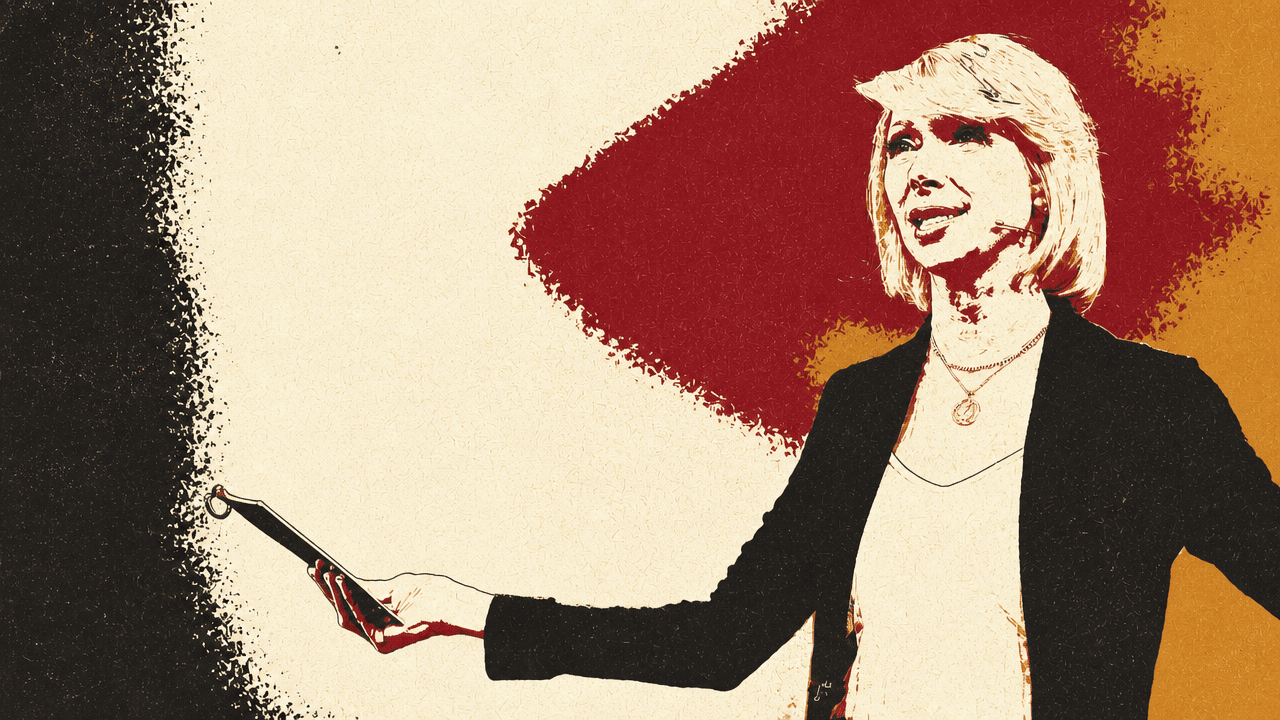
Bullying works by turning an audience into an instrument
Amy Cuddy defines bullying more narrowly than ordinary conflict, criticism or bad humor. It is, in her account, a deliberate, targeted, serial and escalating pattern of attacks carried out by multiple people, intended to destroy someone’s reputation and ability to contribute. Its predictable endpoint is silence: the target is pushed out or disappears from the group altogether.
That distinction matters because the central actor is not only the person initiating the attack. Bullies are relatively rare, Cuddy argues, but they require an audience. People who watch and say nothing are passive bystanders; those who repeat accusations, amplify material or join the attack become “accessory bullies.” A bully operating alone is impotent. Their influence is borrowed from the participation—or acquiescence—of everyone around them.
She describes the worldview behind bullying as intensely zero-sum: the world is hostile, people are fundamentally bad, valuable things are scarce, and another person’s achievement registers as one’s own loss. The bully seeks recognition, status and dominance, then demonstrates that dominance publicly by making a valuable target submit.
Digital platforms have made this dynamic faster, louder and easier to perpetuate, Cuddy says. They also make falsehoods durable: a lie used in an attack can remain available indefinitely. But the leverage point remains with the broader group. If people refuse to supply attention, validation and labor to the attack, the campaign loses its force.
Bullies' power is borrowed power. And we can refuse to give it to them.
The first attack is often a test of what the group will tolerate
Cuddy’s practical focus is on stopping a bullying culture before it hardens. The opening move is often a “bully test”: someone tests whether an audience will permit an attack on a particular target. In a workplace, that might be an inappropriate remark. It might be a reputation-destroying accusation unsupported by evidence.
Silence and laughter communicate permission. They tell the initiator to proceed. Once the group has accepted that initial premise, the larger attack can begin.
The alternative is what Amy Cuddy calls social bravery: small interpersonal risks taken to defend or support another person. It is not effortless moral heroism. Speaking up is risky because the person who intervenes can become a target too. Her proposed answer is to distribute that risk rather than leave a single person exposed. Two people intervening together, she says, face a much easier task than one person acting alone.
Cuddy’s intervention sequence is concrete:
- Notice the early test—an inappropriate comment or a serious accusation without evidence.
- Do not reward it with laughter, silence, sharing or amplification.
- Step in visibly, preferably with someone else rather than alone.
- Do not answer bullying with more bullying, which accepts the bully’s premise that brutality is necessary.
The effect can compound. When one bystander visibly steps in, others are more likely to do the same. Cuddy points to research on changing social conventions suggesting that when roughly 25 percent of a group acts, it can flip a social norm entirely.
The implication is that bullying is not primarily a test of whether the target can endure it. It is a pattern sustained by others’ participation, and one that others can disrupt.
Public silence can turn disagreement into exclusion
Cuddy’s account of collective cruelty comes from what followed her 2012 TED talk, delivered while she was a junior professor at Harvard. The talk, on feeling like an outsider, confidence and bodily posture, became widely viewed online. Cuddy says that alongside generous responses came a sustained campaign by colleagues, including tenured professors, department chairs and journal editors, who publicly attacked her competence and portrayed her work as pseudoscience.
The conflict centered on research associated with “power posing.” Cuddy maintains that its central finding—that expansive rather than contractive posture affects how powerful or confident people feel—was not debunked. She says that finding was replicated in dozens of independent studies and supported by multiple meta-analyses, including one encompassing 88 studies and nearly 10,000 participants.
The behaviors and the hormones were more complicated, and there were non-replications.
Cuddy distinguishes those contested behavioral and hormonal results from the finding about subjective feelings of power. In the scientific culture she expected, divergent results would have prompted constructive inquiry into methods and possible moderators. Instead, she experienced the dispute as an effort to silence her rather than interrogate the evidence.
What made the experience consequential, in her account, was not criticism alone but the reluctance of others to contest the campaign publicly. Two tenured Ivy League professors told a New York Times reporter that they would have defended her but feared becoming targets themselves. Friends offered sympathy privately while declining to do so openly.
Cuddy says the attacks left her unable to eat or sleep and consumed by the work of defending herself. She left Harvard a year before coming up for tenure because staying felt fatal, she says, and later attempted suicide twice. Her point is not that every scientific disagreement is bullying. It is that criticism becomes something else when it is serial, collective and exclusionary—and when those able to interrupt it decide public support is too dangerous.
Refusing brutality is not the same as surrendering to bullies
Cuddy rejects the temptation to counter bullying by bullying bullies. After speaking in Greeley, Colorado—a city she experienced as politically divided and tense—Amy Cuddy was asked for leadership advice she had not yet shared. Her answer was that attacking bullies with the same brutality validates their worldview. If the world is indeed brutal, they can treat that as confirmation that their behavior is necessary.
You don't have to show how much you can hate to prove how much you care, or to prove that you belong.
She recalls seeing the audience’s shoulders relax and a flicker of hope in their faces. The following day, a woman who attended wrote that the crowd leaving the venue had seemed unusually cheerful and courteous. Cars in several exit lanes alternated and let one another merge; no one, the attendee wrote, was signaling through their actions that they mattered more than everyone else.
For Cuddy, that small scene illustrated the kind of social norm worth building. People want to be neighbors again, she says: able to attend their children’s friends’ birthday parties without anticipating an explosion, and able to care about an issue without making hatred a proof of belonging. The work begins with ordinary, visible acts of backing one another and challenging an attack before the group has learned to accept it.