A Nairobi Performance Builds Fusion From Kashiko’s Story and Repeated Refrains
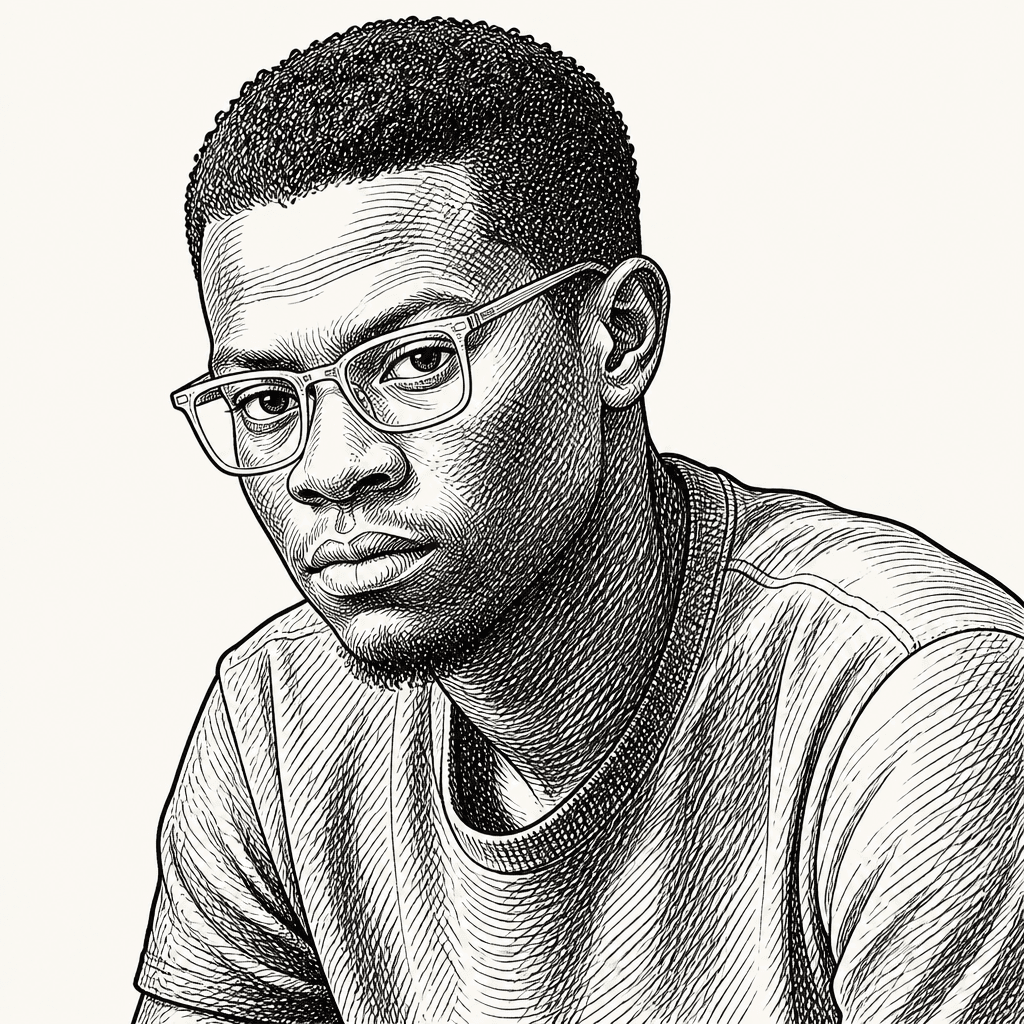
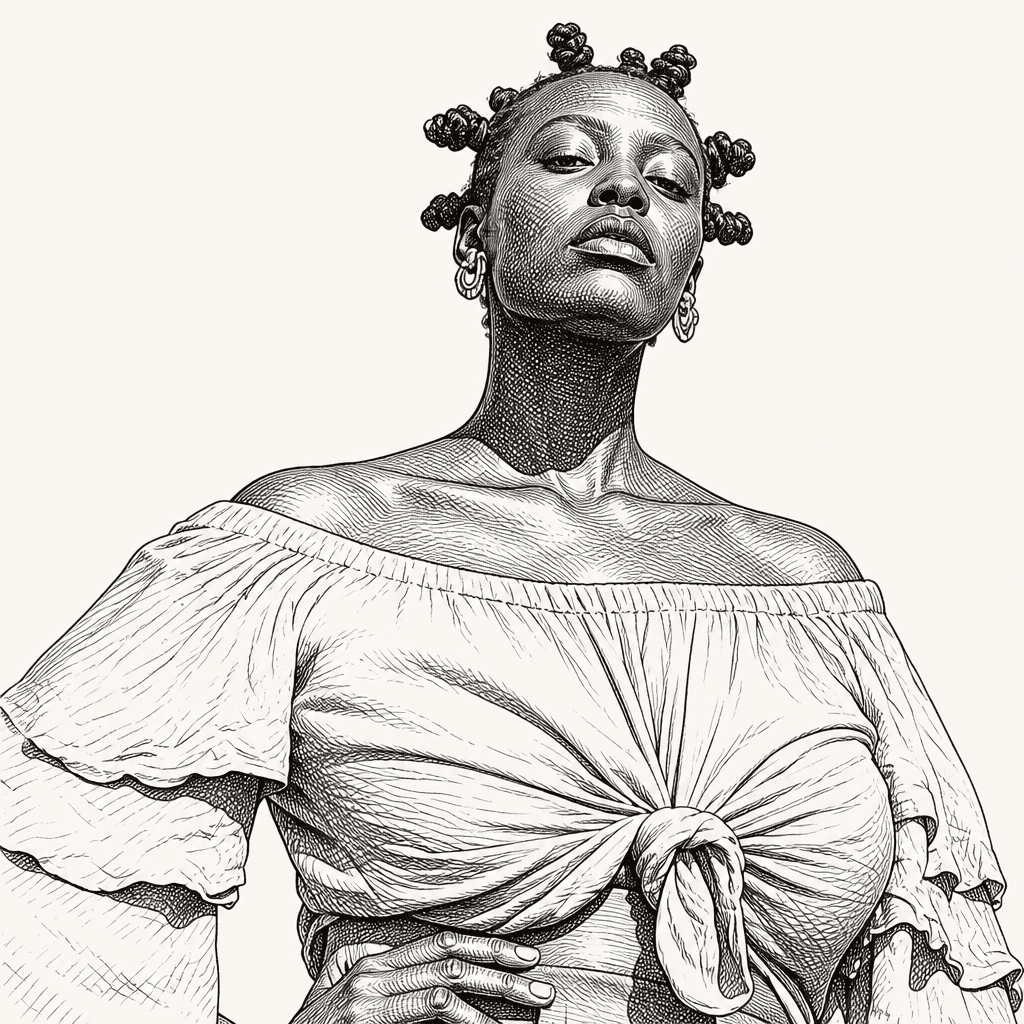
Kenyan duo Akoth Jumadi and Mr. Lu’s TED Countdown performance in Nairobi presents the fusion TED labels East African roots, cosmic trap and celestial R&B through structure rather than explanation. The piece sets Mr. Lu’s compact, image-driven verse about Kashiko against Jumadi’s recurring vocal calls and refrains, making contrast and repetition carry the argument of the performance while the climate-action frame remains outside the lyric itself.
The performance turns on a contrast between story and recurrence
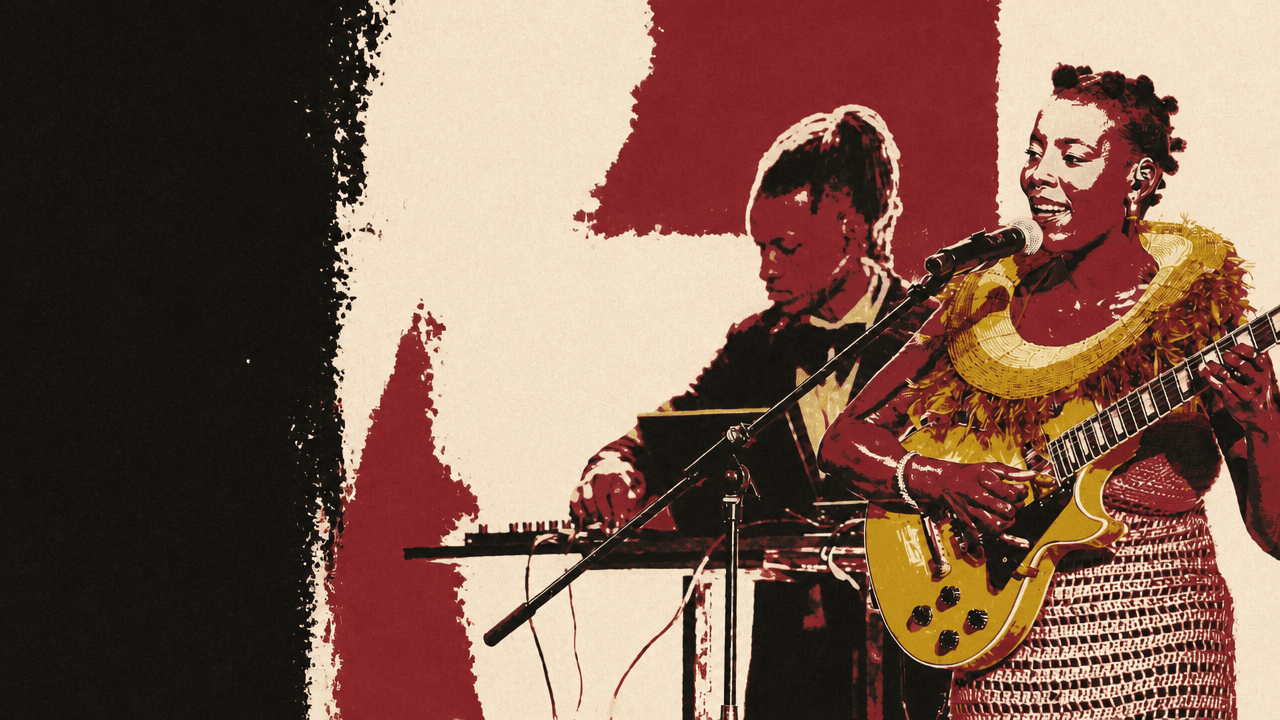
Akoth Jumadi and Mr Lu are introduced on-screen as “AKOTH JUMADI + MR.LU,” with the stage text placing the recording in “JUNE 2025 NAIROBI KENYA” at “TEDCountdownSummit.” TED’s framing describes their sound as East African roots fused with “cosmic trap and celestial R&B.” On stage, that fusion is not explained in remarks. It is carried by the arrangement of voices: Mr. Lu’s named, image-driven verse about Kashiko set against Jumadi’s repeated refrains.
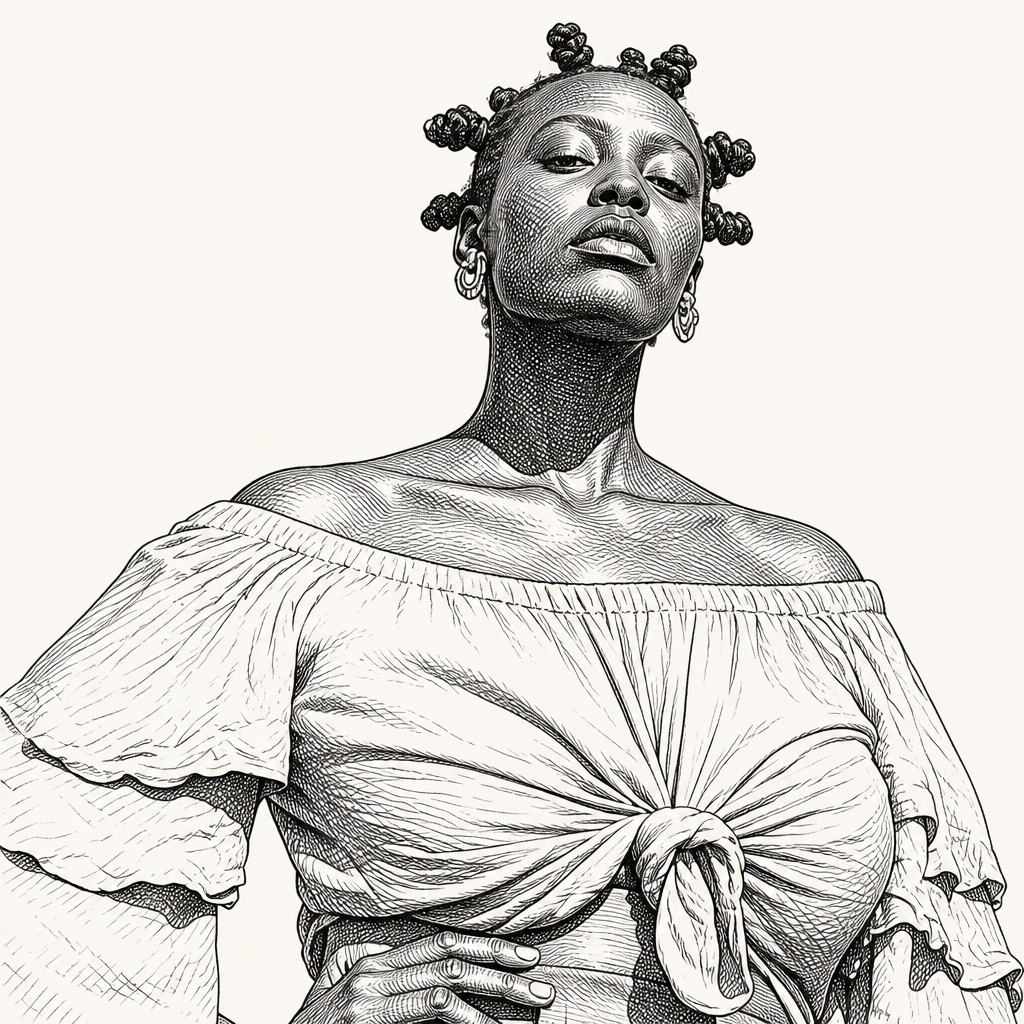
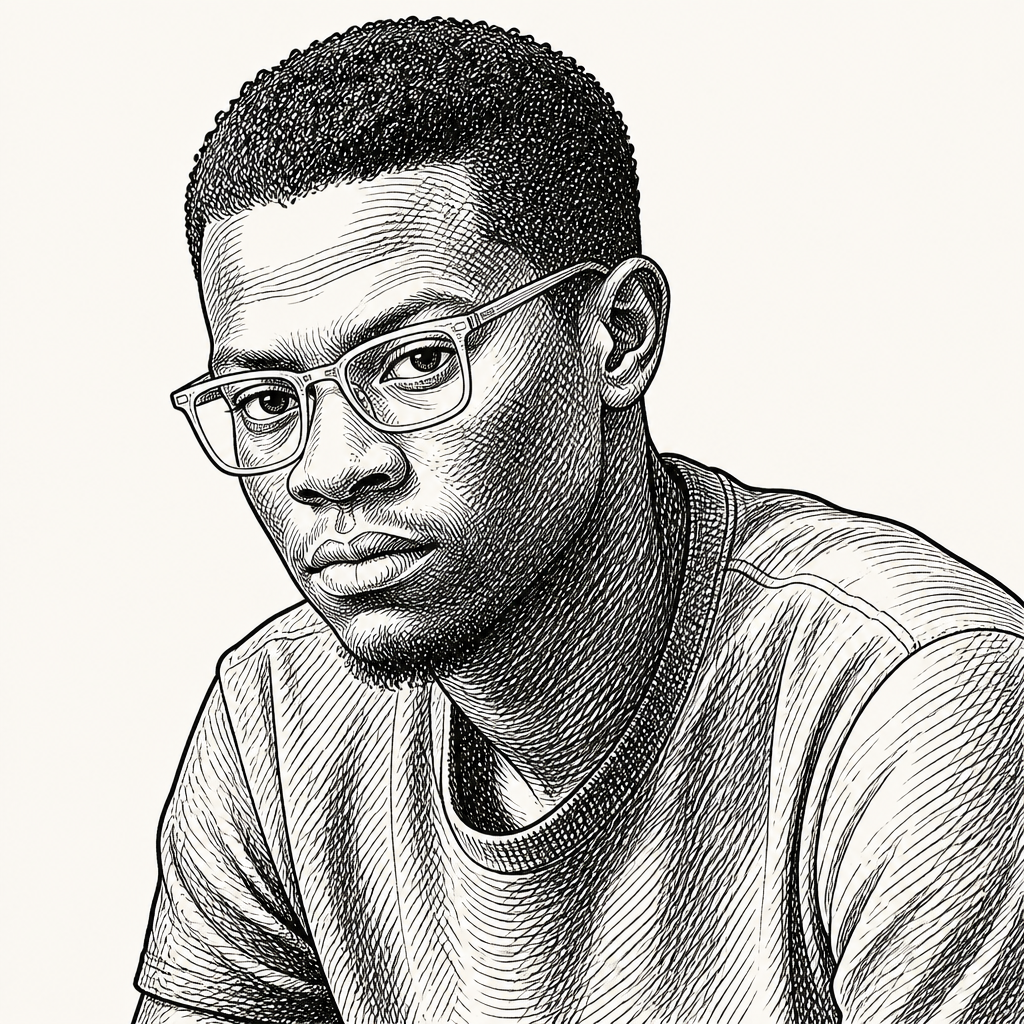
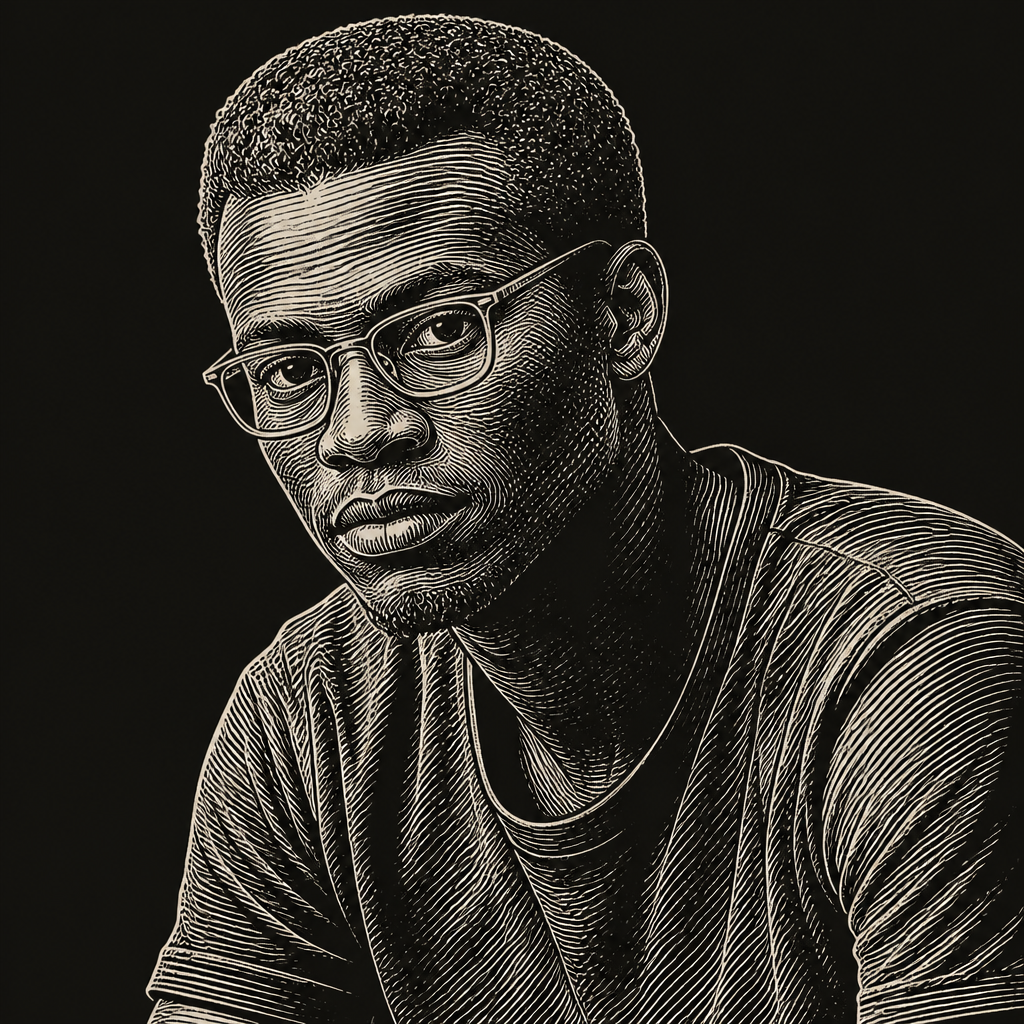
Mr. Lu’s section works as a compact narrative. He begins, “Skiza niko na stori ya kusho, kuhusu dem flani anaitwa Kashiko,” setting up both a story and a named figure. Kashiko is then sketched through quick, compressed images rather than linear exposition. She is associated with searching, with “skin yake iko na glow,” and with a line that puts crying beside the heart: “but kila time analip moyo iko like whoa.”
The verse keeps moving before any single image settles. There are “dream za kuchese,” a lab reference — “Cokini in the lab, si ni breaking bad” — and a warning addressed directly to her: “Shiko, look at the door, utavunja shingo.” Mr. Lu describes her smile as “wakawaka” and her laughter as “melody msee.” By the end, Kashiko is still in motion: “Bounci kwa this life, yeye akubali,” followed by “akisema baibe man I wish she could stay.”
Jumadi’s longer passage works differently. It does not extend Kashiko’s story. It narrows the language into recurrence: first “Makuriyo,” repeated in a long sequence, with “Uchapin tago, ik pambe bayo” placed inside the pattern; then “Tabu,” repeated with the same insistence. The lyric does not present these words as a single statement to be paraphrased and left behind. Their force in the performance comes from placement and return.
Musani, nimevumilia sana. Musani, nimevumilia sana.
That line appears inside the “Tabu” refrain and is itself repeated. Jumadi then returns again to “Tabu.” The structure matters: Mr. Lu names and sketches a person; Jumadi follows with phrases that recur until the song is organized around repetition rather than exposition.
Repetition supplies the structure that explanation withholds
The performance gives no translation or explanatory aside for “Makuriyo,” “Tabu,” or “Musani, nimevumilia sana.” Rather than making those phrases secondary to a spoken explanation, the staging leaves them as sung material. The audience hears their placement, repetition and contrast with Mr. Lu’s verse as the main way the song organizes itself.
Jumadi opens the performance with extended vocal calls: “Aaaah. Ehhh. Aaaah. Ehhh. Aiyo, wey. Eh ya.” Those lines are not narrative. They establish a vocal field before Mr. Lu’s verse enters. When the performance later returns to Jumadi’s refrains, the piece shifts away from description and toward pattern: “Makuriyo” repeated, “Tabu” repeated, “Ehhh, eh ya” returning, and “Musani, nimevumilia sana” repeated before “Tabu” closes back in.
This is where TED’s description of a hybrid sound becomes concrete. The “cosmic trap and celestial R&B” label is not unpacked by the performers in the provided material, but the performance itself sets different modes next to each other: an opening vocal call, a rap-like story verse, a repeated refrain, and a final return to a small set of phrases. The effect depends less on explanation than on juxtaposition.
The TED Countdown frame gives the song a public setting, not a didactic script
The visible setting is not incidental. The performance is identified on-screen as recorded in Nairobi in June 2025 at TED Countdown Summit, and the closing frame reads: “Take action on climate change at COUNTDOWN.TED.COM.” That frame places the music inside TED Countdown’s climate-action context.
The lyrics themselves remain musical rather than didactic. They center on Kashiko, on repeated words and refrains, and on the line “Musani, nimevumilia sana.” The climate-action prompt appears as the event’s surrounding editorial frame, not as a spoken explanation from the performers or a lyric that turns the song into an explicit climate address.
That distinction keeps the performance from being flattened into the event’s slogan. TED Countdown gives the stage and the call to action. Jumadi and Mr. Lu provide a piece built from voice, cadence, repetition and contrast: one performer drawing a figure through rapid images, the other making recurrence carry the form.