Personal Conversations Lift Voter Turnout by Five to Seven Points
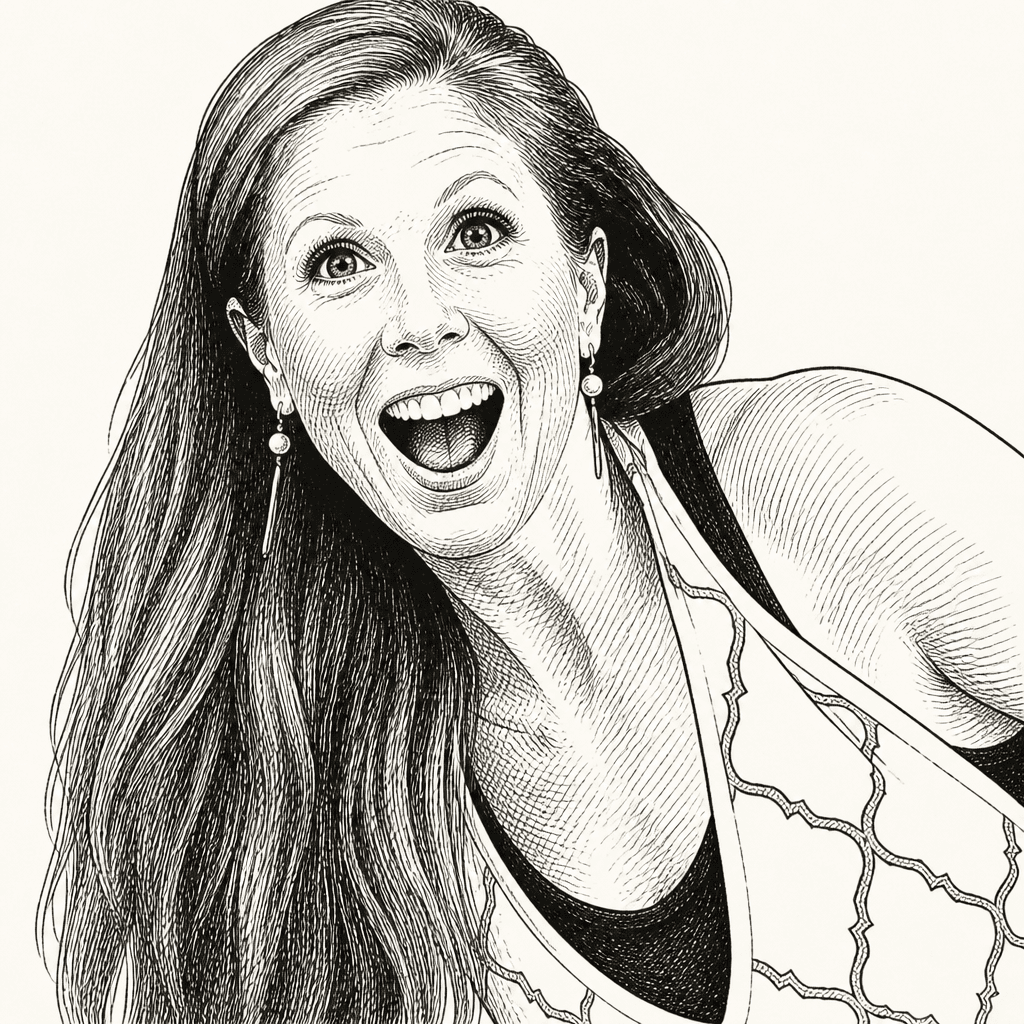
Katie Paris argues that campaigns can move voters more effectively by organizing through existing relationships than by relying on messages aimed at strangers. In her TED talk, the founder of Red Wine and Blue says the group’s members start with people they know, build trust through local gatherings and practice, and encourage those contacts to reach others. Paris says an independent analyst found turnout among people members contacted rose by five to seven percentage points, compared with campaigns that spend millions to move turnout by a fraction of a point.

The 2018 shift exposed the limits of message-first politics
Katie Paris spent years in Washington helping build organizations that monitored Fox News and tested political messages. She believed that if campaigns found the right words, people would repeat them and candidates would win. Sometimes, she says, it barely worked. Even after moving to suburban Ohio to raise a family, she remained focused on Washington’s calls and strategies.
The 2018 midterms made the distance between that approach and local political life hard to ignore. Following the 2016 presidential election, suburban women across the country began organizing, many for the first time. In a typical midterm, Paris says, the party in power loses about 26 congressional seats. In 2018, it lost 43; 40 were suburban. Local state legislative seats flipped too. Paris lived among the people driving some of that activity, yet had not noticed. The morning after the election, she sat in her bedroom closet, newly a mother of two, and realized she could no longer work as a Washington operative.
The disconnect sat within a broader problem: politics had become something many people wanted to avoid. Paris cites a Pew survey in which only 2 percent of Americans used a positive word to describe politics. She understands the exhaustion and disgust that lead people to step back from the news. But, she warns, tuning out entirely means “things start to get done to us, not for us.”
Organizing built the trust campaigns could not supply
Paris began asking local Ohio political organizers to introduce her to suburban women working in their neighborhoods. She met groups over wine, dinner, and at a bookstore. She expected many to be longtime friends. Instead, they had known one another for only months. The organizing had brought them together: “They didn’t organize because they were friends. They were friends because they organized.”
One introduction led Paris to Tara, a single mother who was distressed by the country’s division but unsure what to do about it. Paris invited her and several other women to her house. Over palomas and egg casserole, the women talked about their lives. One described the exhaustion of navigating the health care system for a medically fragile child. Another, raised a hard-line Republican, said she was beginning to question what she had been taught. There was laughter and crying. At the end, Tara told Paris, “If this is politics, I’m all in.” A few years later, Tara ran for school board and won.
For Paris, the important part was not simply that one woman entered politics. She saw women across Ohio and elsewhere building connections through local organizing. Washington campaigns often refer to the people they want to reach as “real people,” she says, but do not necessarily know or listen to them. These local groups already had what national campaigns could not readily provide: trusted relationships and networks. The challenge was connecting those groups and helping them use their influence.
Start with people you already know
Katie Paris and two women she met on her road trip built an organization called Red Wine and Blue. Their first rule was to reject anything that sounded like a political party. The name’s wine is optional; the work, Paris says, is about changing how people organize.
Traditional campaigns often ask volunteers to knock on strangers’ doors or call people they have never met. Red Wine and Blue starts with existing relationships: friends, neighbors, coworkers, book-club members, and people from the school pickup line. Members map the people in their own networks who might support them, take responsibility for helping those people vote, and encourage them to talk with their own contacts.
That approach depends on more than asking for a vote. A friend may say they do not do politics; a neighbor may believe voting does not matter. Paris’s answer is to build a setting where people can learn and get to know one another before those harder conversations arise. The group holds happy hours, “unhappy hours,” trivia nights, and banned-book bingo. Members practice speaking about what matters to them and build the confidence to do it together.
The asset, Paris argues, is not a perfect campaign message. It is the nerve to have a difficult conversation with someone you know, backed by relationships that make the effort feel less isolating. A campaign can distribute talking points, but it cannot manufacture that trust on demand.
The reported turnout effect extends beyond Election Day
Katie Paris says Red Wine and Blue hired an independent analyst to run the numbers. The analyst ran them again, and Paris says she too thought there had to be a mistake. She reports that turnout among the people members contacted went up five to seven percentage points.
When our members reach out to the people they know — not strangers, the people they know — voter turnout among the people they contact goes up five to seven percentage points.
Paris contrasts that reported result with campaigns spending millions to move turnout by a fraction of a point. She presents personal connection as the mechanism: the conversations take place within relationships that already exist, and members have prepared for them together.
The organizing also continues after elections. Paris says members are now working in their communities to stand up to ICE, take on AI data centers, and address school boards trying to ban books and take down pride flags. They come from different sides of the political aisle. The same relationships built around electoral participation can therefore support local work between elections.
Paris’s invitation is aimed especially at people who have never been politically active and feel overwhelmed by the moment. She argues that local action does not require starting with a campaign or a polished message. It can begin with finding people nearby who care about similar things, gathering, and talking about what matters. Her larger point is that political participation need not be another demand placed on isolated individuals: when people act as friends who show up for one another, the work can also create the belonging that makes them want to stay involved.