Dating Dealbreakers Can Screen Out Partners Who Build Lasting Relationships

Dating columnist and breakup coach Amy Chan argues that modern daters’ habit of scanning for flaws can turn preferences into dealbreakers—and screen out partners capable of building lasting relationships. In her TEDxVancouver talk, she says dating apps and social media reinforce that impulse by encouraging people to treat partners as customizable options and prioritize visible traits over commitment, appreciation and conflict skills. Chan urges daters to distinguish genuine incompatibilities from preferences and give people outside their usual type a chance.
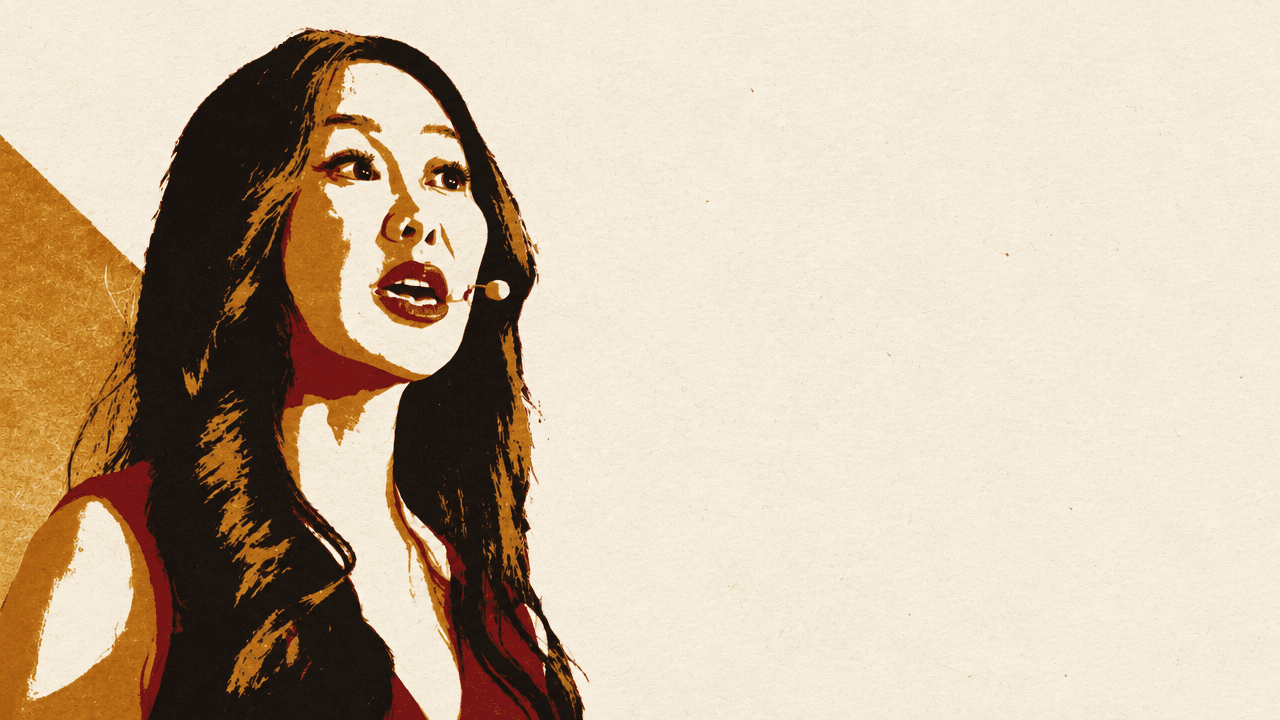
A preference can shrink the pool before a relationship begins
Amy Chan describes a client, “Lisa,” who says she wants a kind, emotionally available, family-oriented partner. Her dealbreakers sound reasonable too: selfishness, dishonesty, rudeness to service staff. Then comes another requirement: no one under six feet tall.
Chan uses the height cutoff to show how a preference can quietly become a filter with consequences. She says about 14% of men in the United States are six feet or taller. The point, she says, is not to single out height: the same pattern appears with status, income, looks, or even someone’s astrological sign. People say they want love while ruling out people they might be able to build a relationship with.
Chan has spent two decades as a dating columnist and running breakup boot camps. She says she has seen people move from being perpetually single or stuck in situationships to forming healthy, lasting relationships—but only after stopping a behavior they thought was protecting them.
The problem, in her account, is not simply that people have standards. It is that they may be using filters that screen for the wrong things. Chan points to three forces shaping that behavior: the brain’s tendency to look for threats, a culture that rewards flaw-hunting, and technology that encourages people to treat partners as customizable options.
The search for flaws has biological and cultural momentum
Chan begins with the brain’s negativity bias: its tendency to notice possible threats. She explains it as an adaptation that helped people survive dangers such as a tiger in the grass or a snake by the foot. In dating, she argues, the same threat-scanning can turn a small difference into evidence that something is wrong.
Her example is a date that seems to be going well. The conversation flows; the other person laughs at her jokes. Then they mention that they do not read books and prefer podcasts. That detail sets off an alarm. Once the mind starts scanning for flaws, Chan says, it can find them everywhere: the person chews too loudly, makes too little eye contact—or too much—or pronounces “gif” as “jif.” A potential romantic partner ends up on what she calls the “ick list.”
The brain’s wiring is only part of the story. Chan says social media has made flaw-hunting a collective pastime, with dating horror stories and lists of red flags constantly in view. She sees this producing daters who look for what could go wrong rather than what could go right. In that climate, she says, unrealistic expectations can be relabeled as “high standards,” while quirks become dealbreakers. She adds that she has done this herself.
Chan offers a personal example. After being single for five years, she asked her friend Vishal, a “super connector,” to set her up with someone. Vishal showed her a photo of a man leaning back in a chair with a half-grin. Chan read the image as “cocky finance bro vibes,” handed the phone back, and asked whether he had anyone else in mind. Vishal never tried to set her up again.
It was a snap judgment based on one picture. Chan asks readers to imagine making that kind of decision repeatedly while scrolling through dating profiles.
Dating apps, in her account, do more than change how people meet; they change how people think about potential partners. An abundance of options can make partner selection feel like assembling a “Build-A-Bear”: choose a height, an income level, a love language, then add the customized person to the cart. Social media adds another standard: real people are compared with curated, filtered highlight reels of romance.
That comparison can make ordinary people seem inadequate. Chan argues that daters are over-optimizing for visible qualities that appeal to the ego, even though those qualities may lose their effect with familiarity. She invokes hedonic adaptation: in her example, a chiseled jawline or silky hair that once produced butterflies becomes normal over time. The qualities that attract attention first, she says, are not necessarily the ones that sustain a relationship.
Long-term partnership depends on quieter qualities
Chan contrasts those “shiny” attributes with findings she attributes to research led by Professor Samantha Joel. Joel assembled 85 scientists to analyze data from 11,000 couples, Chan says. The qualities people obsess over early in dating had almost no ability to predict whether a relationship would be happy or stable.
Instead, Chan says, the stronger indicators were quieter and relational: whether a partner is committed, whether you feel appreciated, and how well the two of you handle conflict. These qualities may show themselves in ordinary situations rather than in the high-stakes theater of early dating. Chan’s example is a partner bringing soup when you are sick without being asked.
The distinction matters because a quality can be easy to see and still tell you little about how a relationship will work. Looks or status may be apparent from the beginning; how a person responds when you are struggling, or how the two of you manage disagreement, becomes clearer through shared life. Chan’s argument is that people can give too much weight to the first category and too little to the second.
Reset the first impression, then test the filter
Chan proposes three changes. The first is to create what she calls a “connection reset” before a date. Since the mind is primed to look for what could go wrong, she recommends deliberately cultivating awe: a feeling of encountering something vast or larger than oneself. She says research shows awe can make people more open, curious, and connected to others. It need not require a dramatic event; listening to a moving song, watching a sunset, or viewing a video of the northern lights can provide what she calls a microdose.
Her practical suggestion is to spend 15 minutes cultivating awe before a date. The aim, she says, is to prime the brain for connection rather than critique.
Second, distinguish a dealbreaker from a preference. A dealbreaker, in Chan’s definition, is something that would make a healthy relationship impossible. Different core values can qualify; so can wanting children when the other person does not. A preference is something nice to have, not something necessary. Sharing a love of hiking may be appealing, she says, but the question is whether it would make or break the relationship.
Third, conduct a dating experiment: go on dates with people outside your usual type. Chan suggests placing less weight on the attributes that look impressive at first and considering what would matter in a partnership not just in two months, but in 20 years.
She later recognized the cost of her own snap judgment. One Sunday, she matched on a dating app with a man named Paul. His brown hair, scruffy beard, and warm smile did not recall the photo she had rejected. When she messaged their mutual friend Vishal, he called to remind her that he had tried to set her up with Paul before. The “cocky finance bro” photo, it turned out, had been taken after Paul face-planted on a ski bunny hill while learning to ski.
Chan and Paul have been together for seven years. She calls it the healthiest relationship she has had, though not one that would necessarily meet Instagram’s standards.
When Chan’s father became seriously ill, she spent a year helping him through the last stage of his life, including repeated trips to the emergency room. She says she felt overwhelmed and was not easy to be around. Paul did not make her feel she was “too much.” He learned when she needed a hug and when she needed space, cooked meals, and filled a pitcher of water for her desk each morning because she tends to forget to drink. He still does it. Chan jokes that her love language is hydration.
These are not grand gestures, she says, and they do not make for a photo opportunity. They are ordinary acts of care, the kind that matter in a partnership once the initial spark has settled. Chan says she nearly missed the relationship because of a story she formed from one photo.
The question she leaves is whether a filter meant to protect someone from disappointment can also keep them from making the connection they want. The right person, she says, may not match the expected package: they may be shorter, quieter, or simply outside one’s usual type. What matters may be that they are kind when life is difficult, steady when things get hard, and continue to show up.