DIY Camera Tag Captures Sperm Whales Communicating in the Deep

Engineer Eric Stackpole’s TED talk argues that exploration often advances through improvised tools built for a specific question, not through polished equipment alone. He recounts how a fragile suction-cup camera tag, assembled from ordinary components in the Azores, recorded a sperm whale’s deep dive, hunting clicks and apparent communication with a second whale. For Stackpole, the footage is evidence that discovery depends on curiosity as much as technology, and that exploration matters for what it lets people experience as well as measure.
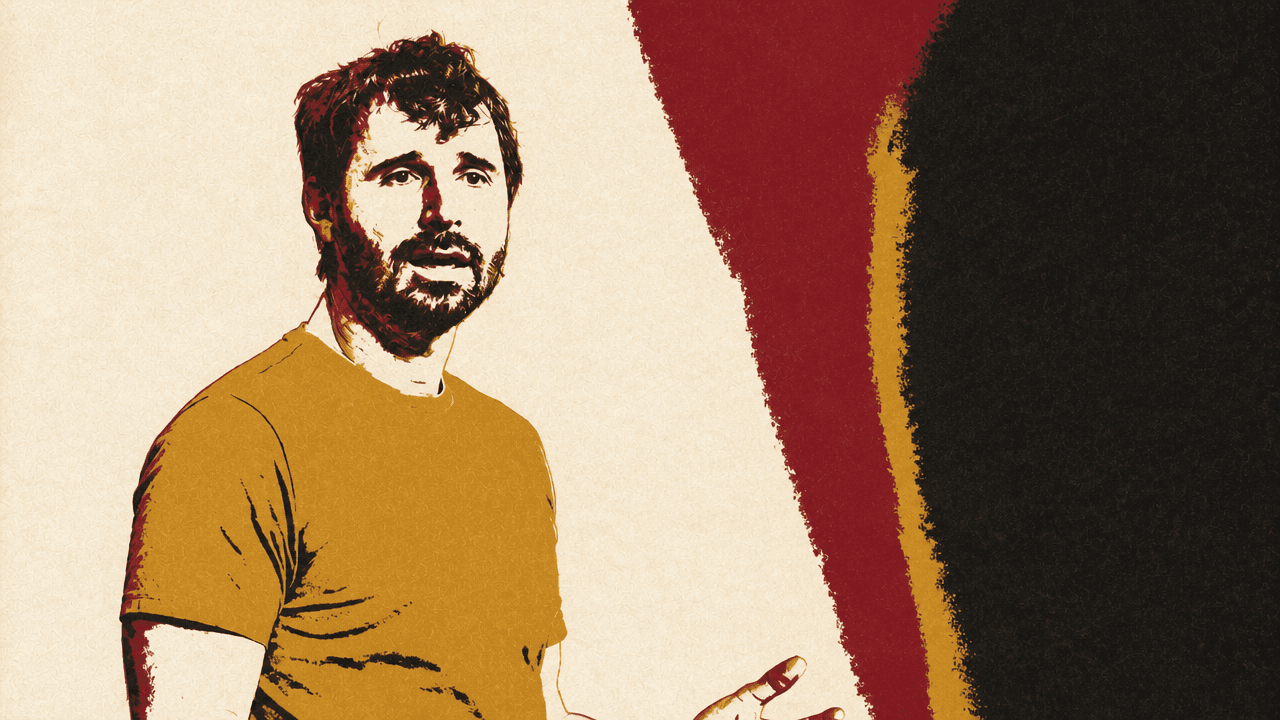
The crucial view came from a hand-built tag
Aboard one of the most advanced research vessels on the planet, the decisive view came from a device that barely worked. Eric Stackpole was on the OceanXplorer during COVID, filming for National Geographic from an engineer’s perspective. The ship, he says, was designed for both research and storytelling. But the instrument that reached into sperm whale life was a “very DIY” camera tag assembled because, in Stackpole’s account, building your own tools is often how explorers get the information they need.

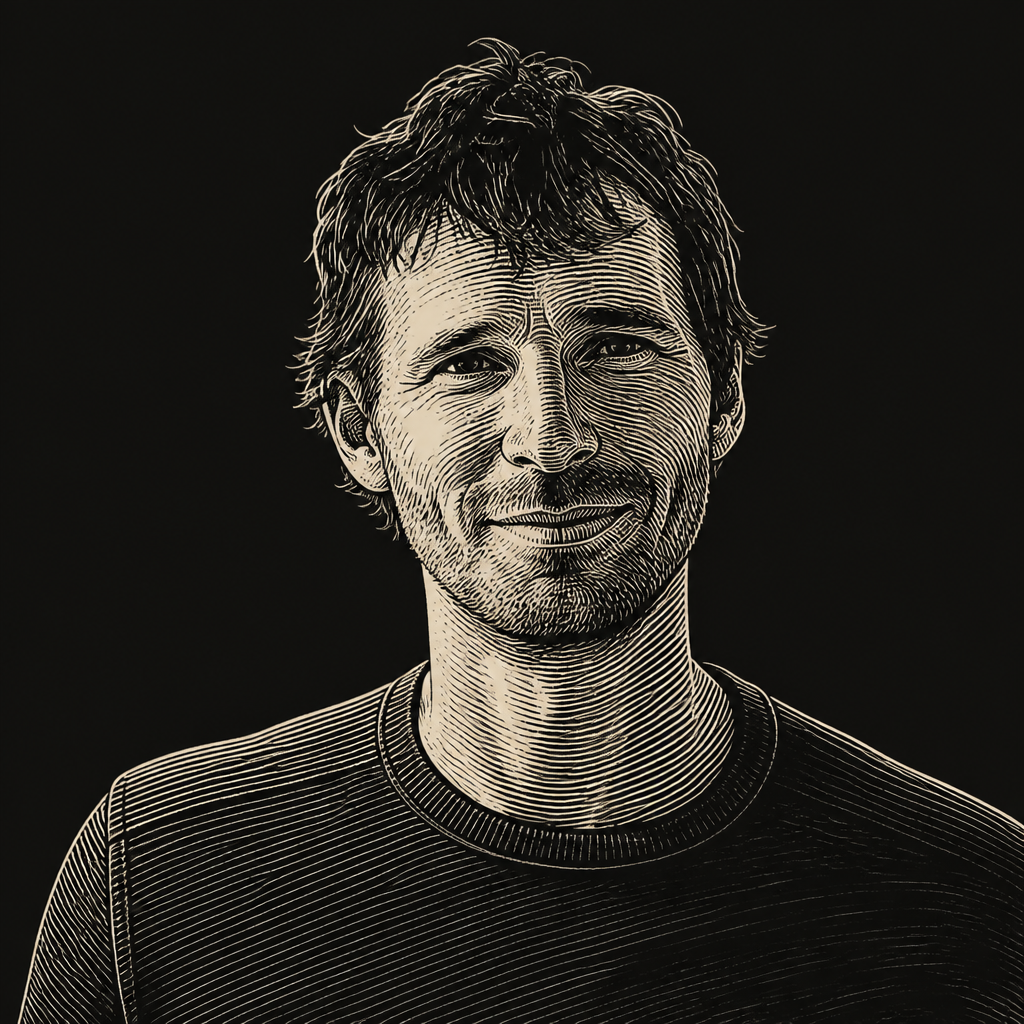
Stackpole’s own route into that work was not through conventional academic excellence. He says he “wasn’t always a great engineer” and “wasn’t even a good student,” spending more time tinkering than doing homework. With friends, he later built low-cost underwater robots intended to democratize exploration. That work drew the attention of the show’s producers and brought him onto the OceanXplorer.
The whale work took place in the Azores, where the team worked with Rui Prieto, a whale biologist who had spent decades studying sperm whales. The target was a part of sperm whale life that remains largely inaccessible. Stackpole says sperm whales can dive more than a mile deep to hunt, and “we know very little about what they do when they’re down there.”
Prieto’s tag was meant to follow them into that space. Stackpole describes a taken-apart action camera, a light, a radio beacon, and suction cups designed to stick to the whale for a few hours, then release and float the device back to the surface. The hand-drawn diagram shown in the talk underscored how practical and modular the build was: “RADIO BEACON,” “LIGHT,” “CAMERA,” “BATTERY,” “SUCTION CUPS,” and “FLOTATION.”
The device was not presented as elegant. Stackpole says it “barely worked.” The team spent nights soldering and improvising, finally getting it running at about two in the morning. The next morning, while Stackpole had overslept, Prieto was already on the water and placed the tag on a sperm whale.
That success only began the uncertainty. Stackpole lists the possible failure modes plainly: the tag might never surface, it might flood, the battery might die, or the camera might fail. It did surface. The team recovered it with a net, opened it, found no water inside, pulled out the SD card, and waited for the files to load on a laptop.
And oh my god, we had footage from the back of a sperm whale!
What came back was not another surface view of a whale, but a point-of-view record from the body of a living sperm whale as it moved into deep water.
The recording captured hunting sounds and a second whale
The first images from the tag showed the whale’s head and back as she descended. Stackpole describes hearing water rushing by as the whale accelerated, with particles moving past the camera. The speed and pressure were enough to loosen the suction cups until only one held. That failure changed the shot: the tag rotated backward, giving the camera a view of the whale’s fluke.
Stackpole notes that a sperm whale’s fluke can be 16 feet across on some animals. In the footage, that fluke drove the whale deeper. As the water darkened, the camera microphone began recording clicks. Stackpole identifies those clicks as echolocation: the sound of a sperm whale hunting by listening for echoes bouncing off prey.
He says the whale did not appear to catch anything on that dive. But as she came back toward shallower water and the light grew brighter, the sound changed. The team heard a rapid series of clicks — “ta-ta-ta-ta-ta” — which Stackpole identifies as codas, the way sperm whales communicate with each other. He says he and Prieto realized they were hearing the tagged whale talking to another whale.
Then the second whale appeared in the frame. The two animals swam side by side, bumped alongside each other, and exchanged codas for minutes. Stackpole offers possibilities for their relationship — friends, family, lovers — but does not claim to know.
Friends? Family? Lovers? We can never know for sure. But what we were witnessing was something no one had ever seen before.
What Stackpole emphasizes is the combination the tag made available: the second whale entering the shot, the codas on the microphone, and the two animals moving together in close contact.
Exploration is evidence, but not only evidence
Eric Stackpole treats the footage as more than a technical success. He says he saw the whales’ bond with his eyes and “felt it” with his heart. The footage, in his words, was “not just data” but “an experience of life.”
The claim rests on specific recorded details: a camera and light attached by suction cups, a microphone capturing echolocation and codas, a recovered SD card, and video of two whales swimming close together. From those details, Stackpole argues that exploration matters not only because it helps people understand the world logically. It also lets people experience the world emotionally and feel “the context of why we’re here on Earth.”
He extends that point from the paired whales to a larger view of what current tools make possible. The footage shown in the talk included multiple sperm whales huddled together and diving downward in bright blue water. Stackpole says the team saw that sperm whales “even dive together,” and that this moved him. Seeing that final dive suggested to him that “maybe it’s not even such a lonely place down there after all.”
Stackpole’s broader argument is that the same advances that put computers in pockets and near-unlimited information on screens can also allow people to explore in new ways. In his view, tools no longer define the main boundary of what people can understand. Curiosity does.
His closing question follows from the engineering story. A fragile suction-cup camera, assembled from ordinary components and made functional through late-night improvisation, entered a place unavailable to direct human experience. The question Stackpole leaves is no longer simply what people can explore, but “what will we wonder about next?”