Turkana Sessions Uses Repetition Instead of Lyric Translation
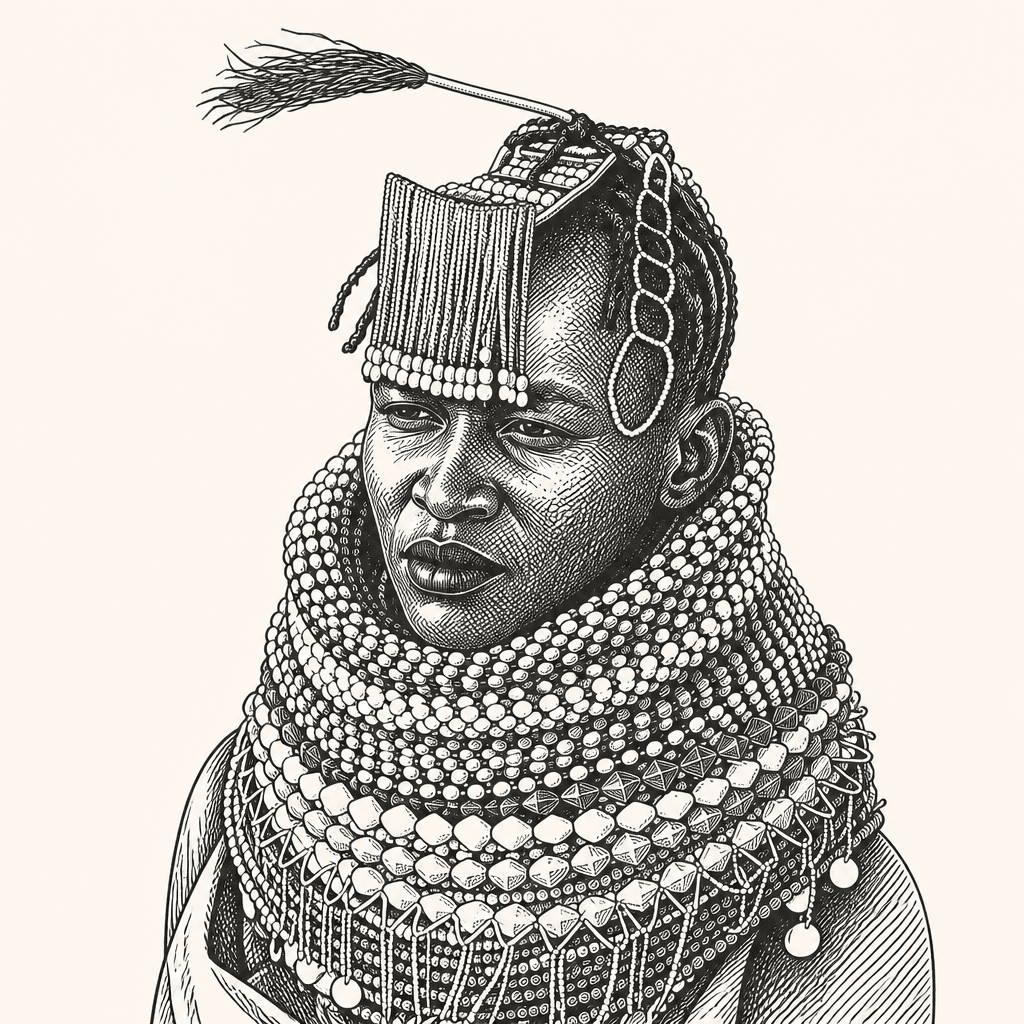
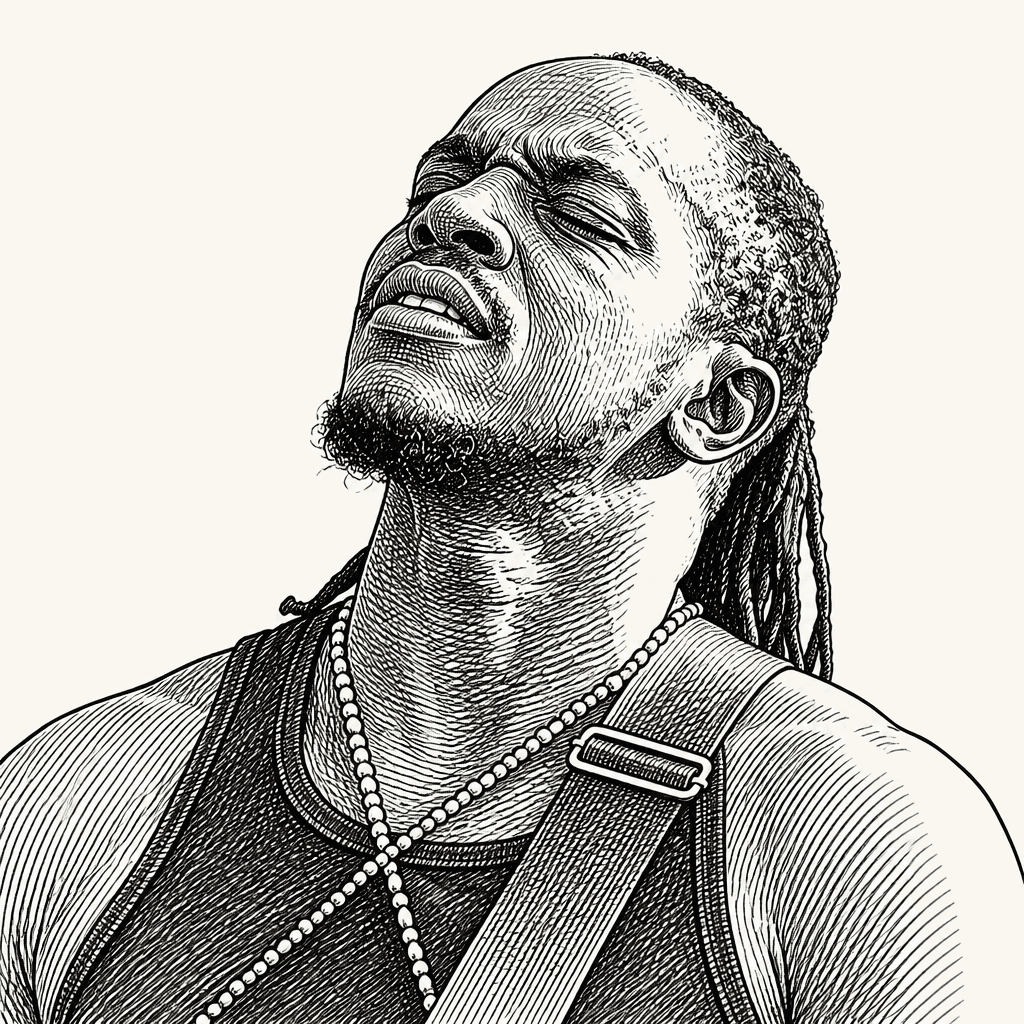
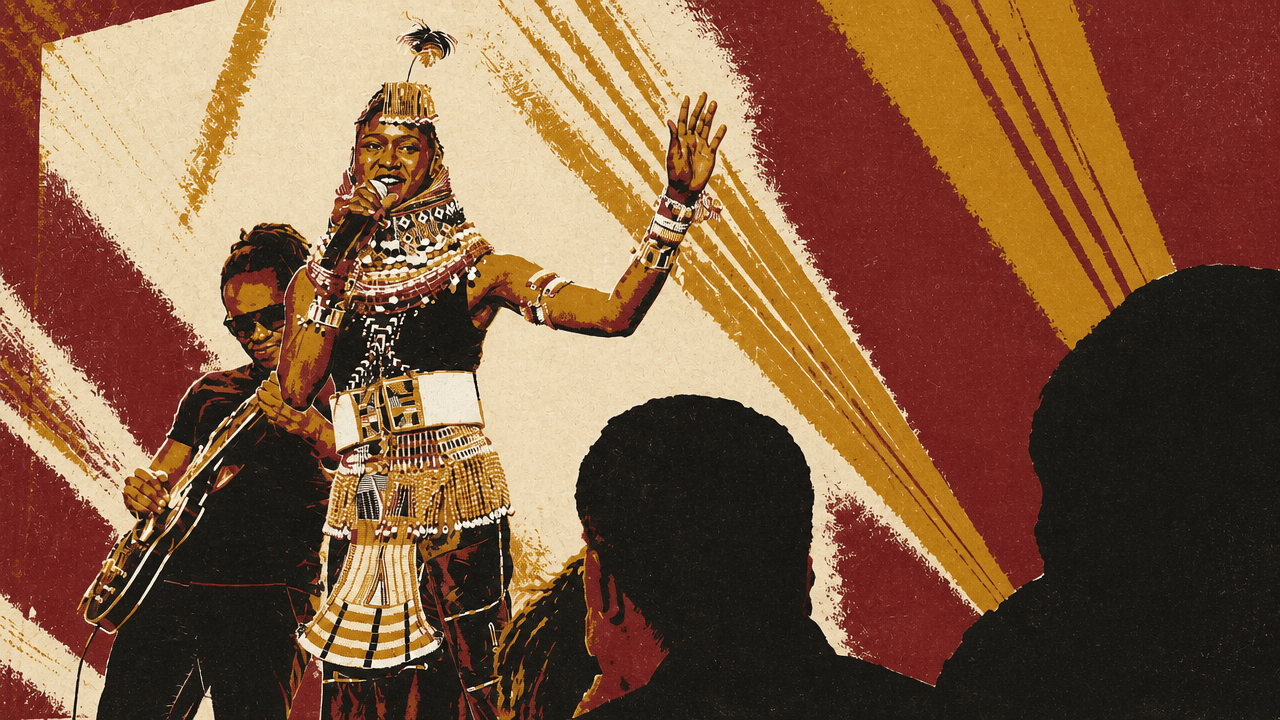
Turkana Sessions’ TED performance centers on Elizabeth Korkel’s Turkana-language singing, using repeated lines and returning phrases rather than translation or spoken explanation to orient listeners. Recorded at the TED Countdown Summit in Nairobi, the performance is presented as a tour through the soundscape of northwest Kenya, with Eddie Grey on guitar; its setting provides context without assigning a meaning to lyrics the record leaves untranslated.
Without a translation, repetition becomes the way in
Elizabeth Korkel sings in Turkana throughout the available record, with no English translation or spoken explanation supplied for the lyrics. The performance therefore does not ask the audience to follow a narrated meaning line by line. It gives them repeated sounds, phrases and vocal shapes to recognize as they return.
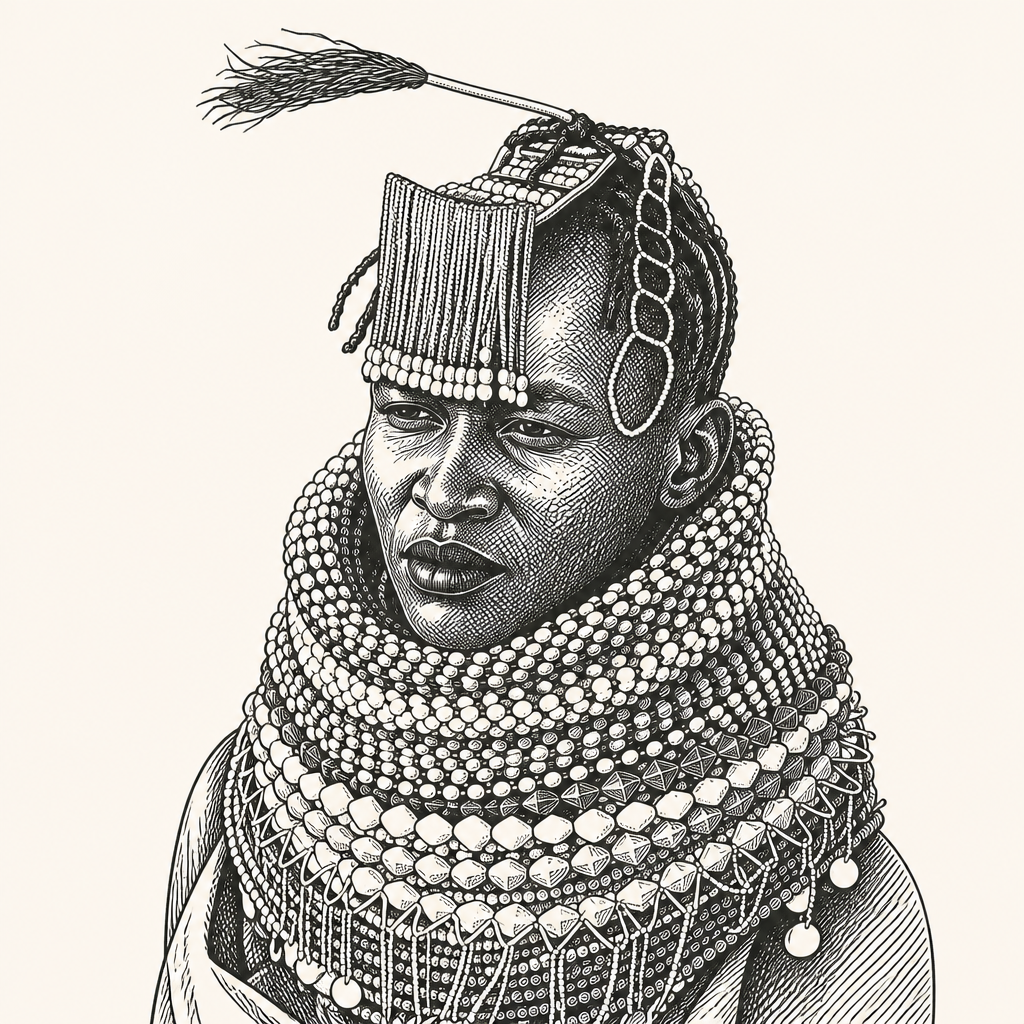
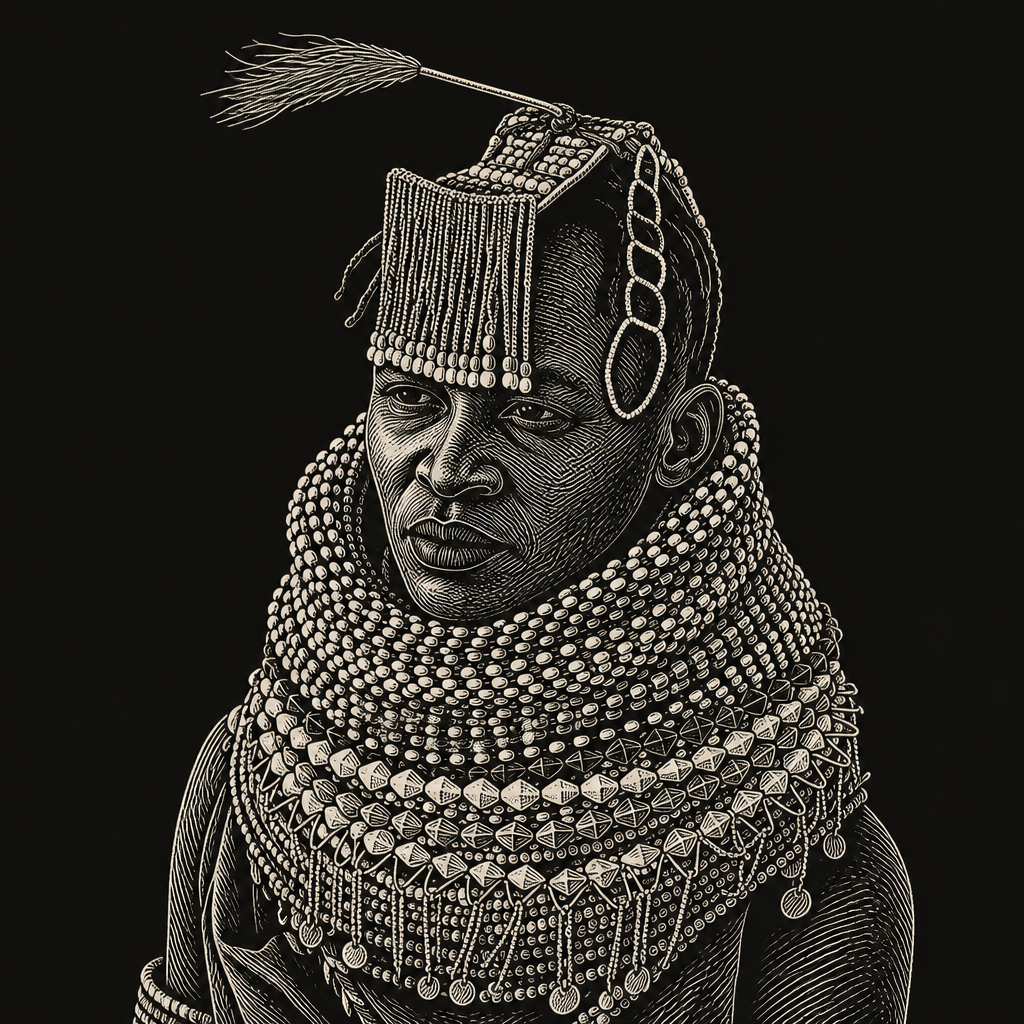
That is most apparent in the long repeated passage at the center of the performance. One four-part line is sung twice; a different passage beginning “Akiding'i nayini thanganang'” follows twice; then the first line returns four more times. The sequence is not presented as an explanation or a call-and-response lesson. Its pattern is the guide: establish a phrase, interrupt it with another, then keep bringing the first one back.
Nde mayoi chogang'a kapang'a, nyingala medeke, waigara nyingalo medeke, waigara chalo kyavang'a pang'alu.
The repeated line becomes familiar before its meaning is made available. That is a meaningful constraint, rather than a gap the presentation attempts to fill. Recognition comes from hearing the same cadence and wording reappear, first immediately and then after another passage has intervened.
The shorter phrases work similarly. “Atang Turkana” appears in the early singing, including in “Atang Turkana Nairobi,” and “Yi ri ri ri” returns after the first opening invocation. In the closing sequence, “Atabalyacha, ereghasi” recurs alongside different adjacent phrases, including “Ebone dyuang’,” “Tu wateker,” “Tu wa Turkan” and “Aname juper.” By the end, “Kaparasi” also returns several times in quick succession.
Atabalyacha, ereghasi. Tu wa Turkan. Atabalyacha, ereghasi. Aname juper.
The changes around these recurring phrases matter because they prevent the returns from becoming a single fixed refrain. A phrase comes back, but attached to another phrase; another phrase repeats until it begins to carry its own weight. The performance supplies no verbal key to decode this movement. Instead, it makes recurrence itself audible enough to hold the listener’s attention.
The performance is located, but not translated into its setting
The source description presents Turkana Sessions as a genre-defying band offering a musical tour through the soundscape of northwest Kenya. It identifies Korkel as the singer and Eddie Grey as the guitarist, describing Grey as “shredding on guitar.” The spoken material in the record is Korkel’s singing; no commentary explains the lyrical content or defines a genre for it.
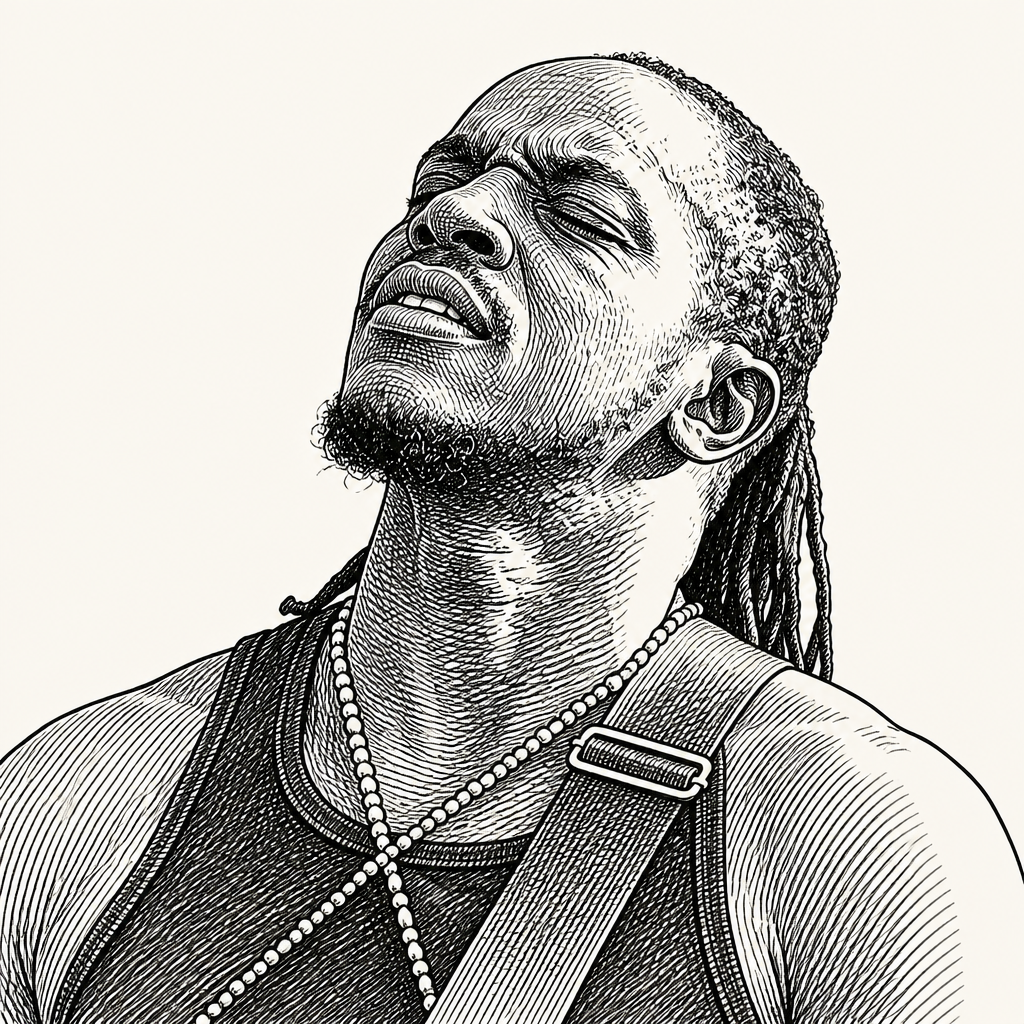
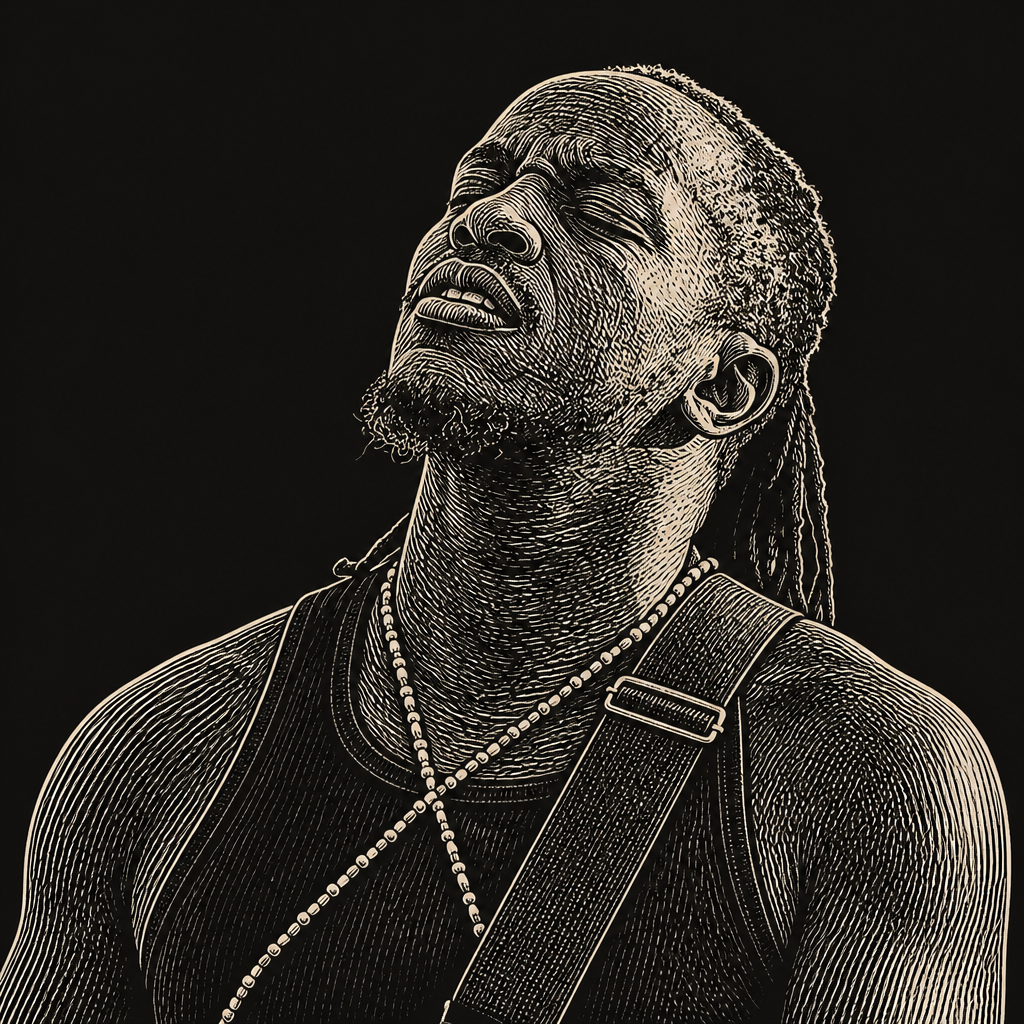
An on-screen card locates the recording at the TED Countdown Summit in Nairobi, Kenya, in June 2025. A separate overlay directs viewers to “Take action on climate change at COUNTDOWN.TED.COM.” Those details establish the public setting in which the performance was recorded, but they do not turn the lyrics into a climate-action message or provide a thematic gloss for them.
That distinction preserves what the source actually offers. Northwest Kenya and Nairobi give the performance geographic and event context. The vocal text, meanwhile, remains untranslated in the available record. Rather than explaining away that distance, the performance gives the audience a way to stay with it: phrases recur often enough that they become recognizable on their own terms.