Tesla’s Rocket-Powered Roadster Stuns at a 2028 Production Date
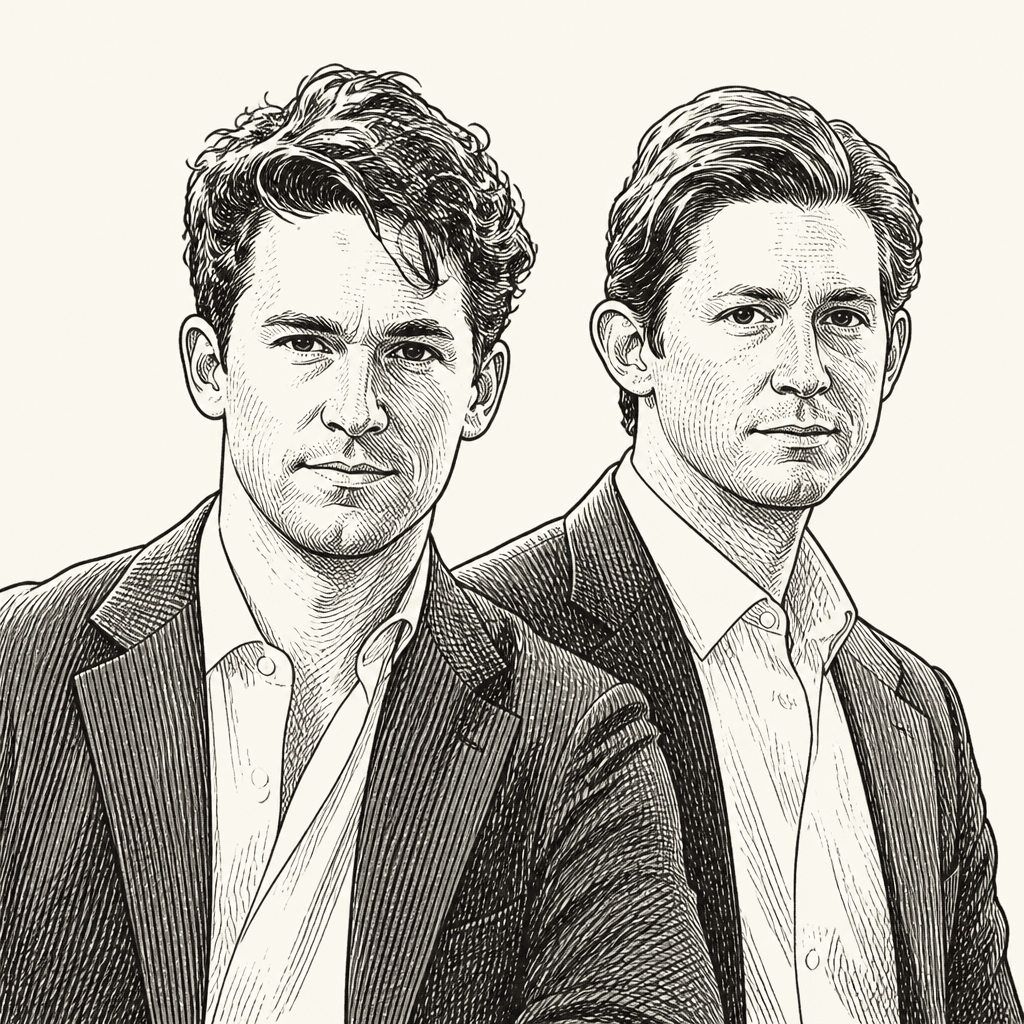
Tesla’s Roadster reveal paired a dramatic thruster-powered stunt with a production start not expected until 2028, leaving the car’s capabilities and delivery timeline uncertain. On Diet TBPN, hosts John Coogan and Jordi Hays argued that the demonstration was spectacular but did not resolve what buyers would get for deposits of up to $250,000. Coogan saw the car’s strongest case in potential track performance; both hosts questioned whether its flying-car imagery amounted to more than a brief jump.
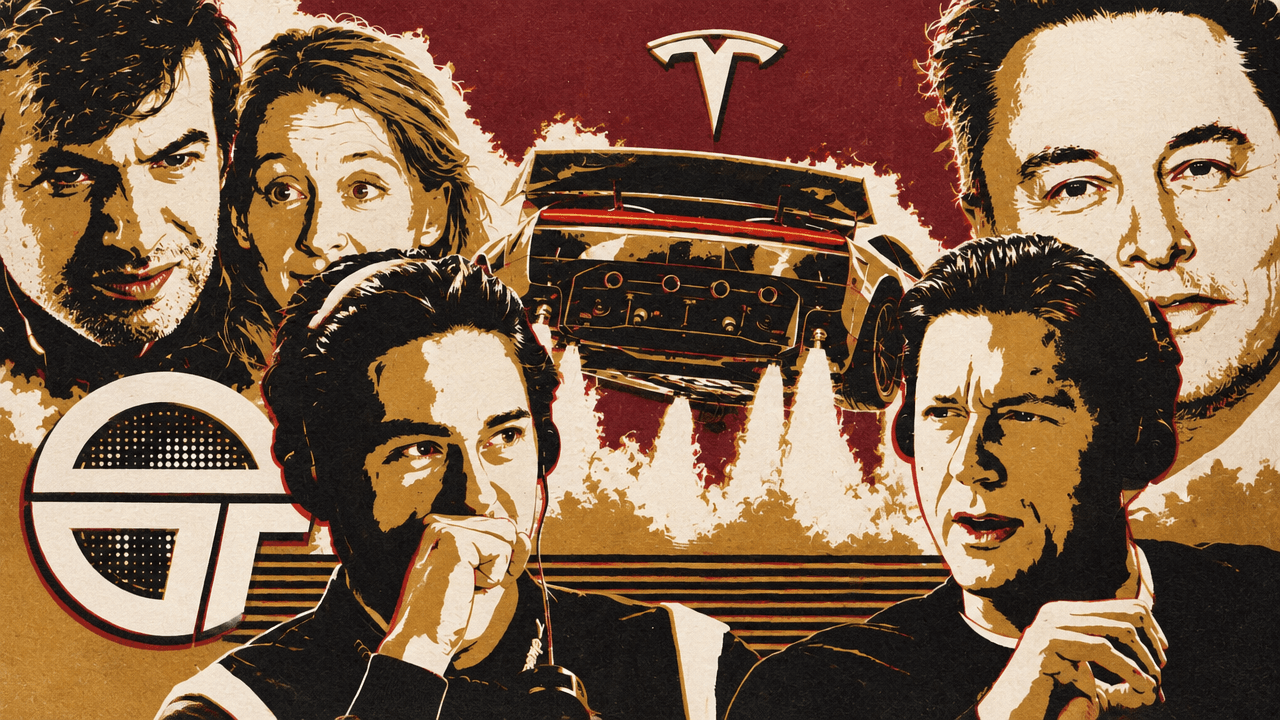
The film’s effect was part of the story
John Coogan rated You Can See Everything, Nathan Fielder and Lance Oppenheim’s film about Elizabeth Holmes, 10 out of 10. He praised its cinematography: scenes in tight spaces, including a small beach house in Del Mar, looked beautifully lit without appearing heavily staged. Coogan’s explanation was that the camera crew were experts using excellent cameras and lenses, and knew how to make the locations work. He was skeptical that the look depended on elaborate lighting setups, though he allowed that some color grading or light coming through windows might have been involved.
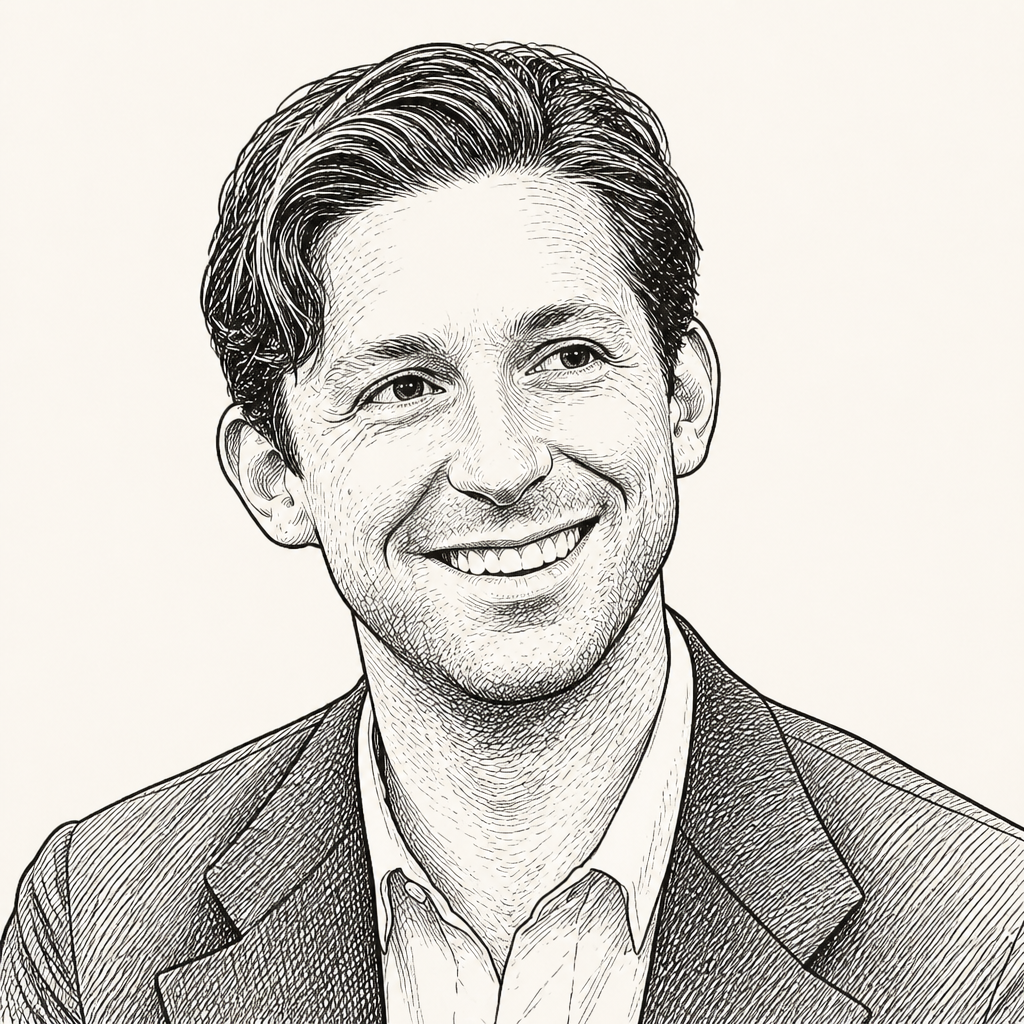
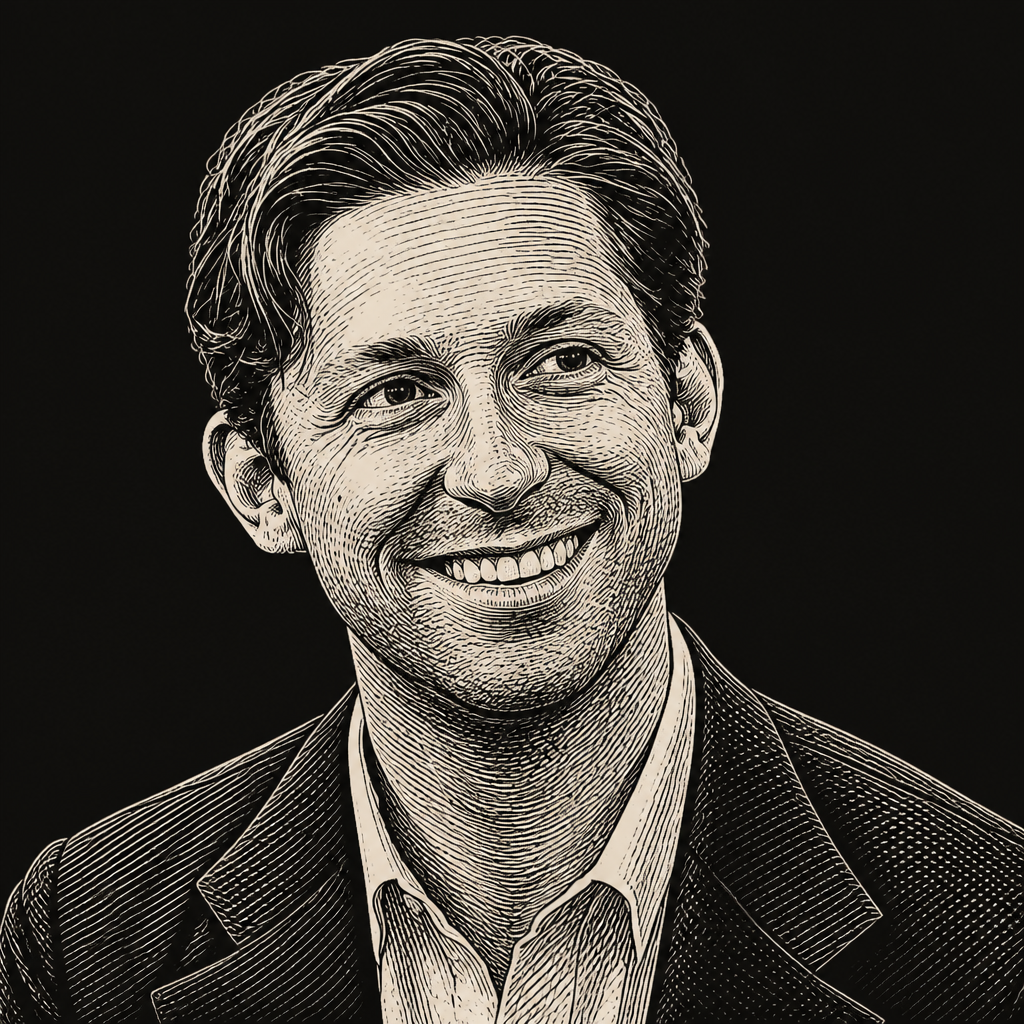
Jordi Hays called the film a “psychedelic experience.” Its premise felt like a natural extension of Fielder’s work, he said, but it was still startling that the different people and circumstances involved had come together. Hays thought the story would remain entertaining even for viewers who already knew what happened. The hosts recommended seeing it without spoilers, and Coogan said watching in a packed theater added to the experience: people laughed and gasped at different moments, but also leaned in together.
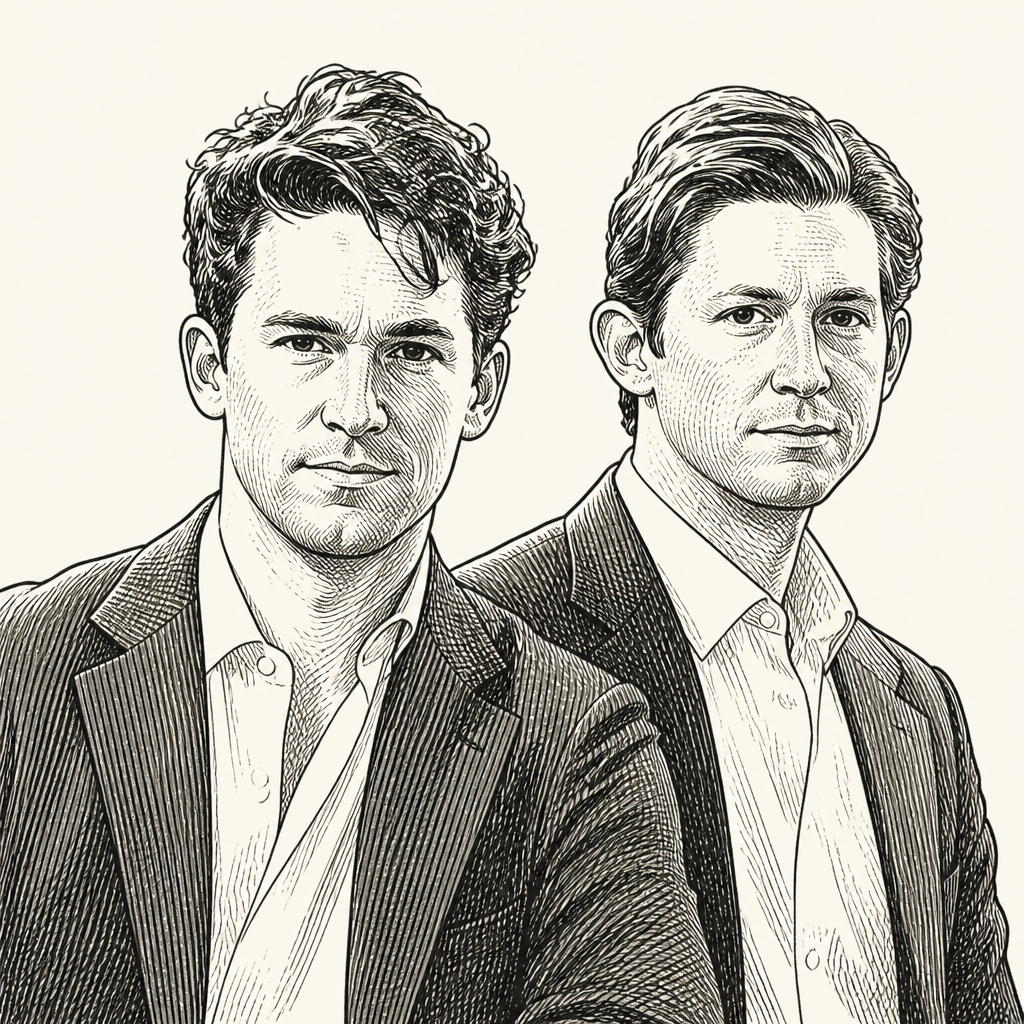
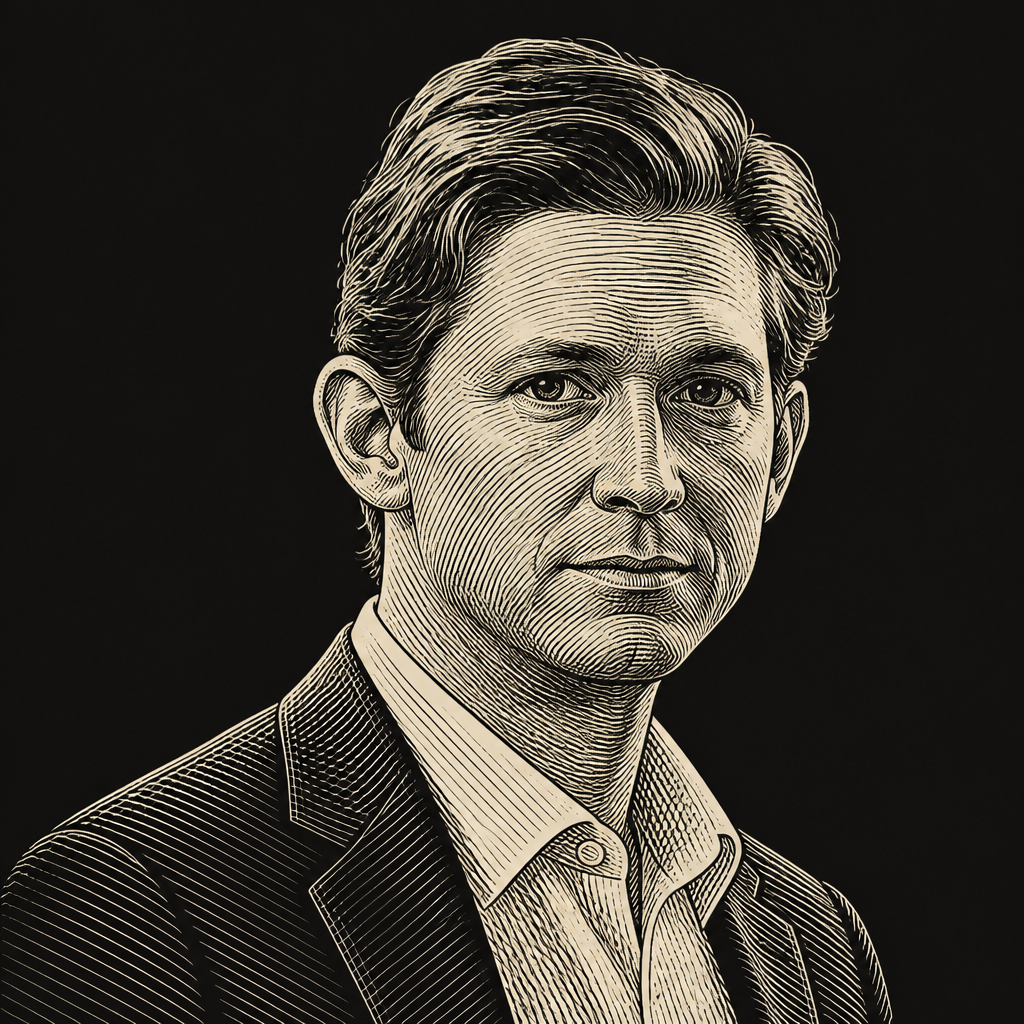
They also discussed how the film might change viewers’ feelings about Holmes. Coogan described a small, informal poll organized by Liz Wessel, a Ramp investor at First Round, after an early screening for 150 founders, investors, and builders. Wessel polled 16 attendees: 14 said they felt more positively about Holmes after seeing the film, one felt more negatively, and one said their view had not changed. All 16 said they felt more negatively about Billy, Coogan added. He noted that Wessel had polled only a small portion of the audience and joked that she should have asked all 150.
The hosts’ own reaction to the film’s portrayal of Holmes was more personal. Hays said he expected viewers to come away feeling more sympathy for her, regardless of whether they thought she was guilty. He pointed to the scenes with Holmes and her children, including a moment before prison in which she is pumping breast milk. Coogan had speculated that agreeing to take part might have seemed to Holmes like a situation with little downside, given the circumstances he described; that was his interpretation.
The hosts praised the film’s craft and urged viewers to avoid spoilers, while acknowledging that some of its effect came from the absurdity of what had been brought together. Hays planned to see it again after his attention wandered during the screening, when he began receiving calls and texts about a fire near his home.
The Roadster demo was spectacular; the delivery date was not
John Coogan said he had made a Tesla Roadster reservation two days before the reveal, expecting that the event might mark the start of production. He had imagined a final design announcement followed by deliveries to people who had been waiting for years. Instead, Tesla said the car would go into production in 2028. Coogan called his reservation a “Fell For It Again” moment: he had put down $5,000 and thought the car might be closer to delivery.
Jordi Hays called the demonstration incredible, but the 2028 production start “completely insane.” Even if that schedule held, deliveries could come at the very end of 2028 or in 2029, and people further back in the queue might wait longer. Coogan noted that a December 2028 production start would technically meet the announced date, while production could then take years to reach everyone who had reserved one.
Hays guessed Tesla may have felt pressure from the thousands of people who had reserved the car long ago and wanted to show progress on a promise that had been difficult to leave hanging. He also saw the reveal as a way to begin building toward a Tesla–SpaceX combination. Coogan pointed to the spacesuited figure inside one of the cars as part of that impression: the presentation seemed to mix the companies’ identities, not just add thrusters to a Tesla.
The demo itself raised the stakes. Tesla showed a Roadster using cold-gas thrusters to launch off a ramp and flip in midair. Coogan and Hays had both predicted ramps in some form; Coogan had guessed the car might lift six feet, a threshold the demonstration plainly exceeded. In a mock tier list, they put the ramp sequence in the top tier and jokes about “sucking” at the bottom. Hays said the stunt looked as if it broke the laws of physics, even to people watching live, which was part of its force.
But the show’s technical spectacle sat beside an awkward presentation. Hays described the delivery by Elon Musk and two others as halting, with stretches of dead air. That contrast—an extraordinary-looking demo delivered through uncomfortable pauses—was part of what made the event feel like both an engineering announcement and a circus.
Coogan and Hays saw the Roadster as two different propositions. For spectators, it was shock and awe: a car apparently flying. For a prospective buyer, the question was what the machine could actually do, and whether the features shown would make it into a usable vehicle. Coogan noted that Musk had described a car someone could own while also saying it might not be legal in every jurisdiction. Coogan took that as a sign that the thruster-equipped car might not be road legal.
Public-road use also raised questions. Could software geofence the thrusters, and would such controls be secure? Hays joked that someone would jailbreak them with CodeX. He was also wary of sharing traffic with a car carrying a highly pressurized tank, even if software was supposed to prevent it from firing on public roads. Florida governor Ron DeSantis, Hays said, had chimed in to say Florida would make the car legal; Hays still did not want to be in traffic with someone who could use the thrusters.
Hays said the thruster technology gave about one and a half to two seconds of airtime. Coogan imagined uses such as clearing a collapsed bridge, while Hays offered a more mundane, deliberately comic case: using the thrusters to drop neatly into a parallel-parking space. The bridge image shown during the discussion was an AI-generated scenario. The examples captured the gap between a dramatic stunt and a use an owner might encounter.
The plausible prize may be lap time, not flight
The more compelling performance case, in Coogan’s view, was on a track. He speculated that a version designed around the thrusters and fan-like downforce could post an exceptionally fast Nürburgring lap—potentially under five minutes. His idea was that the car could use thrust on the straights while being held down through corners, rather than trying to fly around the circuit. He compared the potential to the Porsche 919 Evo, framing it as a possibility for the Roadster rather than a promised result.
Hays agreed that track performance was the most meaningful implication for a buyer. Tesla had teased a lap time at Circuit of the Americas, which Hays called the event’s best Easter egg. The hosts read the hints about a “driver’s car” as more consequential than the flying imagery: if the Roadster could produce extraordinary downforce and F1-style lap times, that would be exciting even without flight.
There are practical questions. Hays wondered whether the tires could survive even one lap at that pace, and whether tracks would ban Roadsters from public sessions if an owner could overwhelm other drivers. Coogan’s answer was less about regular track use than setting a record: push the car to its limit, post the time, and let the result speak.
Tyler Cosgrove challenged Coogan’s suggestion that the demonstration brought flying cars one percent closer. The clips were short, and Cosgrove asked whether the car could hover for a minute, let alone sustain a flight long enough to travel. Coogan argued that a flying car would need to carry someone much longer; Cosgrove countered that a vehicle might launch and then glide. They did not settle the definition. Coogan called a vehicle that jumps over traffic a “jumping car,” and Hays agreed it would not count as a flying car.
Coogan described the Roadster as one step toward a Jetsons-style future, but put that vision on a 10- to 20-year horizon. The discussion distinguished the brief launch-and-hover idea from a vehicle that could fly from one place to another. The demonstration gave the hosts a reason to imagine that longer-term direction, while leaving open what the car could do beyond the short stunts they had seen.
Porsche offered a different answer to the future
Jordi Hays found the timing of Porsche’s Mission S reveal striking. He described the car as a polished return to the kinds of cars enthusiasts wish manufacturers still made, drawing on the Porsche 959 and 911 GT1. Its interior looked, to him, like something a restomod company might build. The appeal was in details such as the seats and harness, and in the absence of a screen.
Hays called that approach “stagnation” in a deliberately positive sense: Porsche seemed to be listening to customers by moving back toward a familiar kind of car. The Mission S, as presented, appeared to offer little fundamental innovation. Even the engine remained uncertain in the discussion. Hays referred to a possible V8; Coogan corrected him that the rumor was a flat-eight, then noted Porsche had not confirmed the engine type. They were both waiting to see what the car would become, with Hays hoping production would start at the end of the following year and deliveries arrive in 2028.
Tesla, by contrast, was trying to rethink propulsion and push the car toward something unfamiliar. For Hays, the two designs made an appealing pairing: Porsche returning to the past in a beautiful way, Tesla reaching toward the future. A buyer could like both ideas. Hays had canceled his own Roadster reservation, not because he disliked the car, but because he doubted how long it would take to ship.
Coogan liked the Roadster’s design, including what he saw as hints of Lamborghini Gallardo and Tesla Cybertruck. He was less confident about the production version: concept-like styling would have to meet requirements such as side mirrors, which he expected Tesla would not be able to avoid. Hays disliked the front and side profile but thought the rear was where the car worked best.
Reservation tiers turn the spectacle into a financial commitment
John Coogan laid out the reservation terms shown on Tesla’s website. The standard Performance model required a $5,000 deposit, followed by $45,000 within 10 days. The Thruster model required $245,000 within 10 days, bringing the total to $250,000. A more capable “Flight Model” was invite-only, with pricing unknown. The Performance model would not have the thrusters; the version shown doing the kickflip was not yet a clearly priced, generally available product.
| Roadster version | Due now | Due within 10 days | What the hosts said |
|---|---|---|---|
| Performance | $5,000 | $45,000 | No thrusters |
| Thruster | $5,000 | $245,000 | Total of $250,000 |
| Flight | Unknown | Unknown | Invite-only; price unknown |
The deposit schedule sharpened the hosts’ concern. The public had seen a striking demonstration, but it was not clear which version a reservation holder could buy, when it would arrive, or what its final capabilities would be. The Tesla reservation page described the initial $5,000 as fully refundable and required the next payment within 10 days; it also said the reservation would be canceled if that payment was not completed. Coogan said he was not especially worried about price if Tesla and SpaceX could eventually produce the car at scale. The immediate issue was whether Tesla could deliver what it had shown.
The kickflip itself might also be a party trick with a long reset. Hays expected recharging the thruster gas to take as long as a day. Coogan wondered what it would feel like to be inside a car performing the maneuver; Hays expected it to be extremely violent. Coogan questioned whether the stunt vehicle had seats at all, pointing to an image of an exposed chassis that looked to him like a roll cage, perhaps with an empty shell inside.
That is why Coogan resisted treating the reveal as an iPhone-style product launch: the iPhone was available after its announcement. The Roadster, by contrast, remained a technical demonstration attached to large deposits and a distant production date.
Coogan summed up the tension by comparing Musk to both Thomas Edison and Barnum and Bailey: a builder who has delivered products and infrastructure, and a showman who sells a vivid picture of what technology might become. In Coogan’s view, the engineering and the hype existed at the same time. The Roadster reveal contained real ambition and deliberate spectacle, while leaving buyers with questions about timing, legality, configuration, and use.
A market sell-off interrupted the celebration
The hosts also reported a sharp down day for US stocks. Coogan cited the Nasdaq down 2.14%, the S&P 500 down 1.09%, and the Dow down 0.34%. Later, he said AI-related shares had come under renewed pressure, putting the Nasdaq down 2.4% and leaving it down 4.7% for the week. He said a weekly loss greater than 4.68% would make it the Nasdaq’s worst week since the tariff meltdown.
The market discussion stayed brief. Coogan joked that the hosts had predicted the downturn with the previous day’s stream title, “Sell Everything, Including Your Dollars, It’s Over, Over,” and cited Jim Cramer’s suggestion that they might clear out a blown-up hedge fund and start fresh on Monday. The hosts deferred further stories until then.
They closed with Tyler Cosgrove’s mention in a Wall Street Journal article about the tech elite drinking beers. Coogan said the article identified Cosgrove as a host and described his breakdown of the subject, while teasing the paper for getting the show’s name slightly wrong. Cosgrove said the writer had acknowledged not watching the full episode because he had a life. The hosts were unsure whether Cosgrove had appeared in the print edition.