NVIDIA’s Succession Test Is Replacing Jensen Huang’s Many Roles
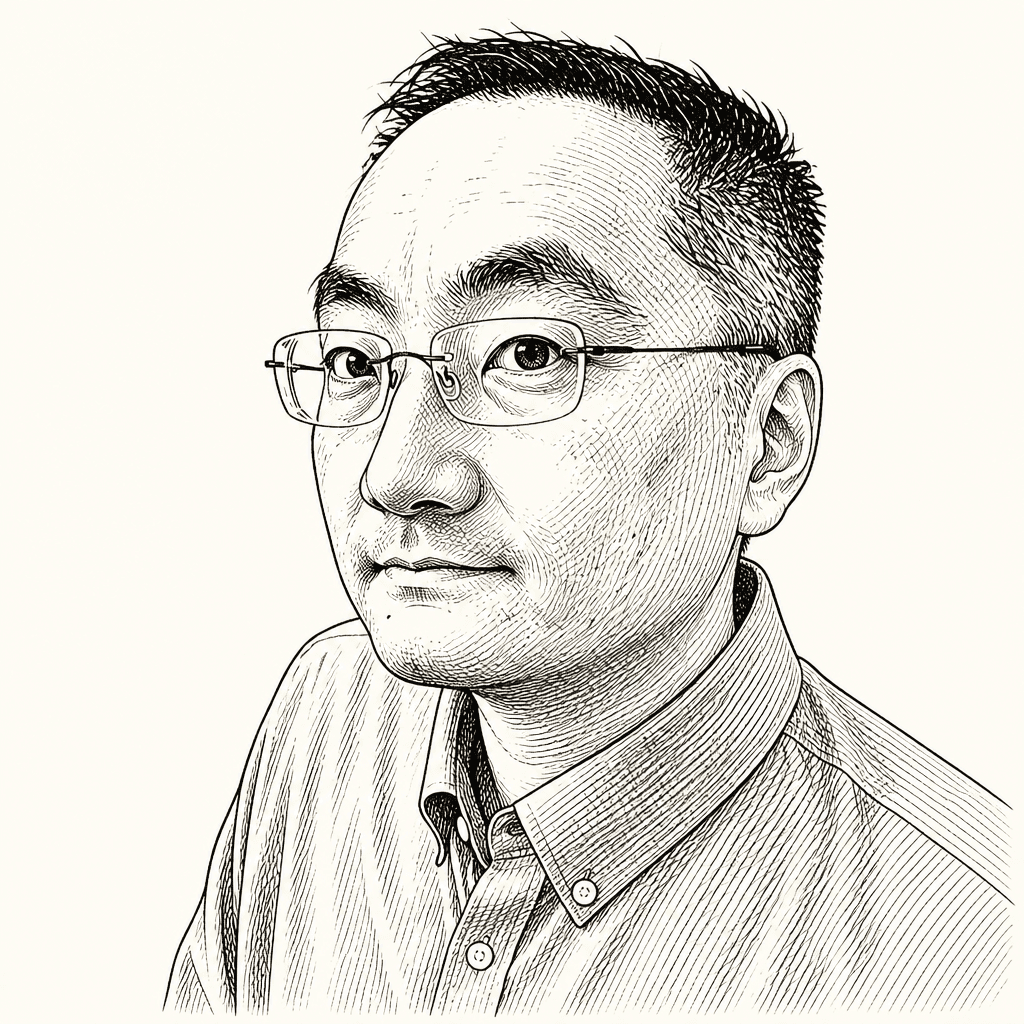

In *The NVIDIA Way* author Tae Kim argues that NVIDIA’s succession challenge is not simply finding a CEO who can maintain product execution: Jensen Huang combined technical judgment, deal-making, recruiting, marketing and management in one role. Kim says a successor may need to divide those responsibilities among a CEO and senior technical leaders, while keeping key executives from leaving. He also expects demand for AI compute to remain strong, even as tighter restrictions on Chinese access to chips and models reshape the market.
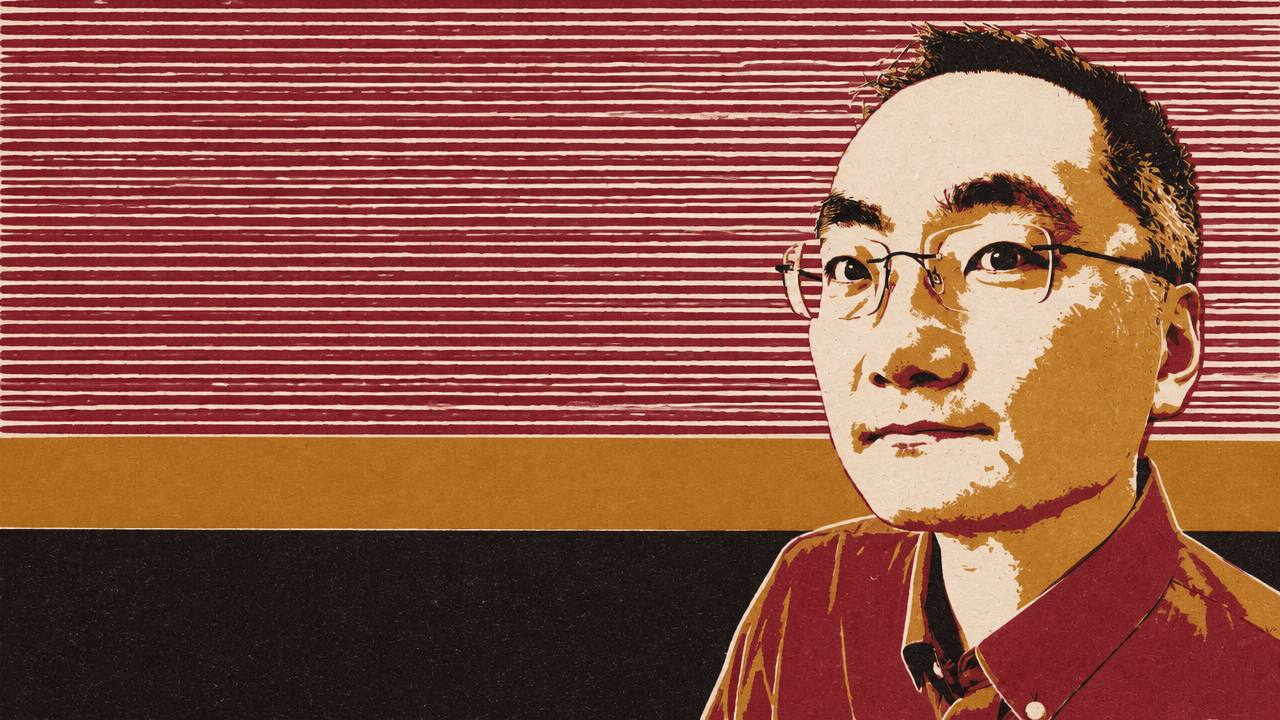
NVIDIA’s next CEO cannot replace Jensen Huang by doing one job
The succession problem, as Tae Kim frames it, is not whether NVIDIA can keep shipping strong products in the near term. Kim expects the quality of its products over the next two or three years to be largely set. The harder question is whether the company can replace the combination of technical judgment, deal-making, recruiting, marketing and management that he says Jensen Huang supplied.
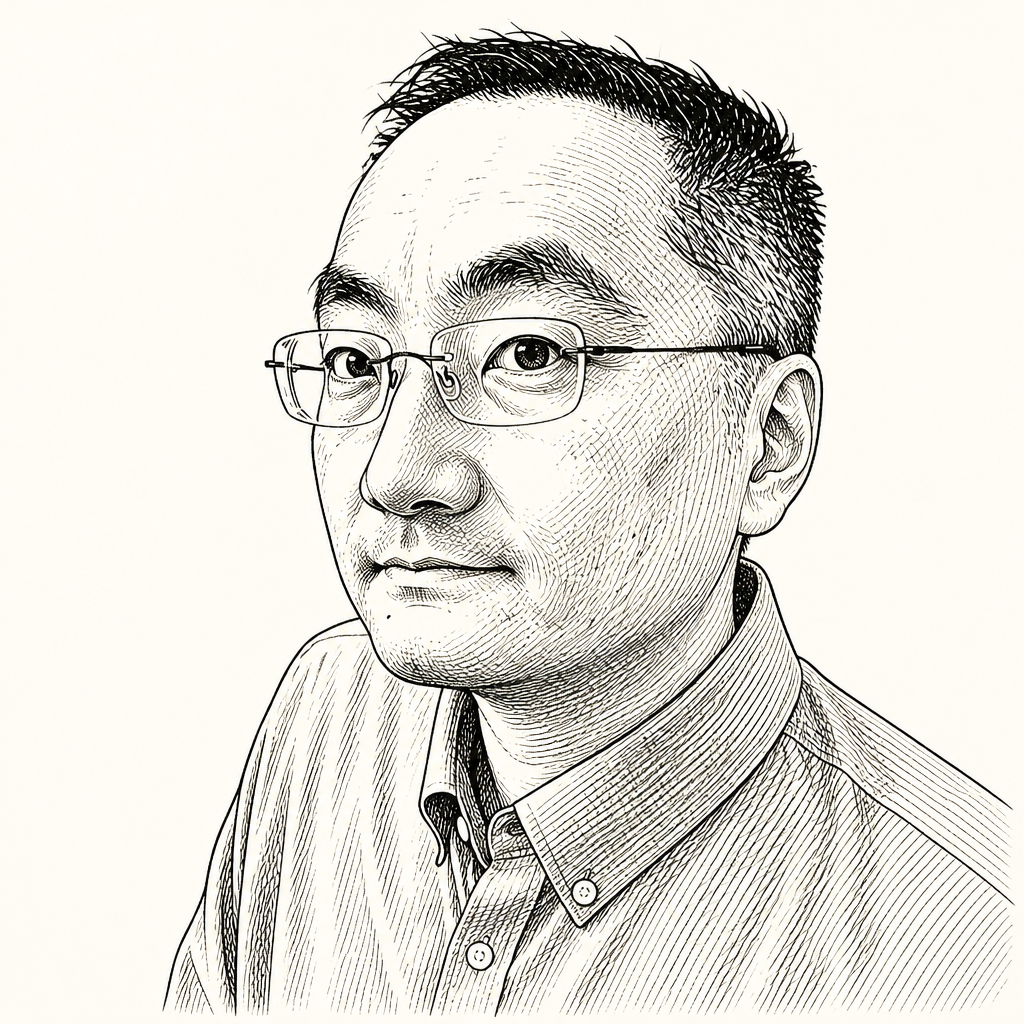
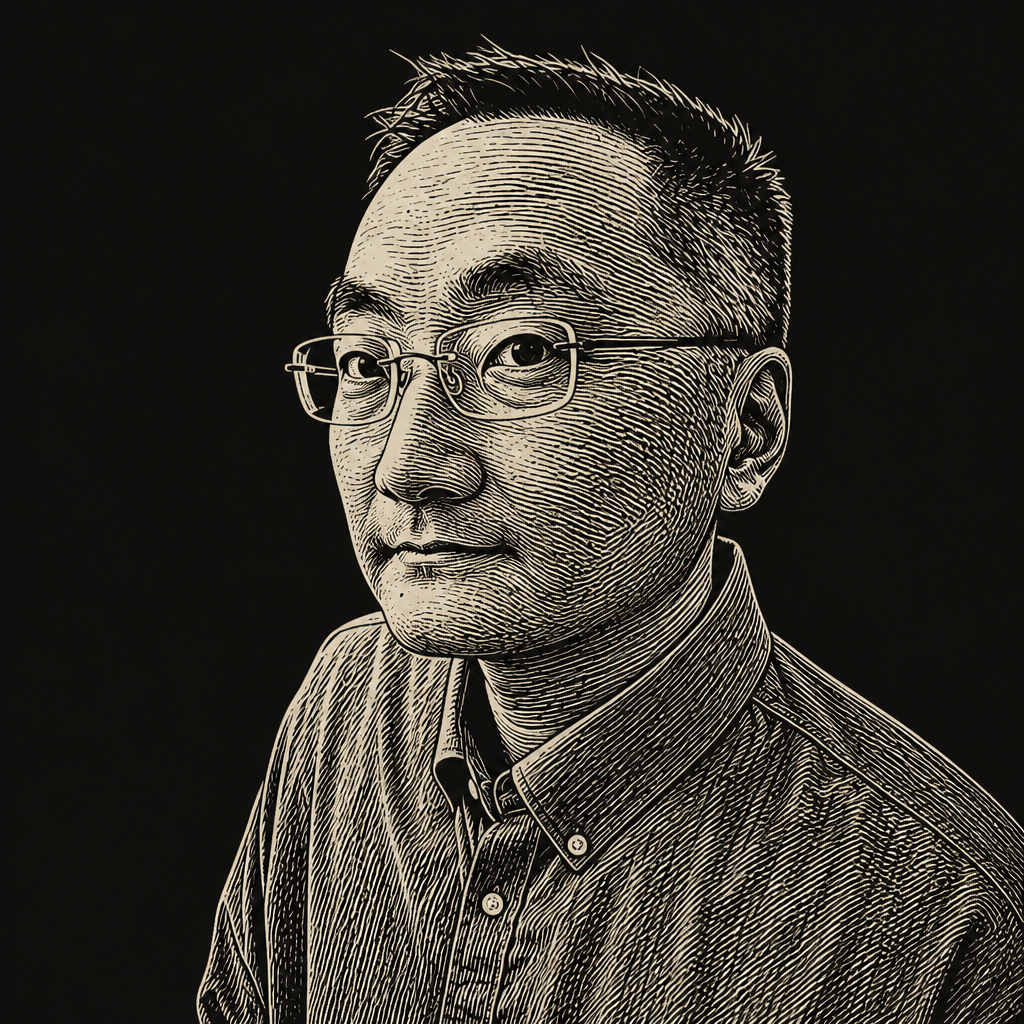
Kim rejected the idea that Huang was mainly a public-facing dealmaker while a team handled the substance. In interviews for his book, The NVIDIA Way, Kim collected firsthand accounts of Huang’s close involvement in the company. One executive told him Huang received roughly 15 to 20 emails a day, often short, text-like questions about status or decisions. Kim said Huang spent Sunday evenings writing emails. He described Huang as the company’s chief marketer and business strategist, as well as a hands-on manager and recruiter who looked ahead to technical shifts.
That concentration of functions creates a succession problem. Kim’s best-case scenario is not one successor who reproduces Huang in full, but a CEO who can perform the public-facing and business-management roles while giving experienced technical leaders room to operate. He named Rene Haas, Arm’s CEO and a former NVIDIA executive, as one possible fit. Kim said NVIDIA’s leadership knew Haas well and valued his preparation; Haas could represent the company externally while senior technical executives retained autonomy.
Kim also named Ian Buck, who created CUDA and leads NVIDIA’s data-center business. He described Buck as having customer relationships and a feel for where technology is going. The division of labor matters: Kim suggested that a CEO could handle conferences, marketing and business management, while Buck and GPU engineering chief Jonah Alben lead technical strategy and execution.
That arrangement would depend on NVIDIA retaining its senior talent. Kim singled out CFO Colette Kress and Alben, and said company sources had identified roughly ten people the board needed to keep. He expects other companies to try to recruit them. In his view, a new CEO who understands the limits of their own expertise and keeps that bench intact could preserve the company’s operating strength.
Kim distinguished what is already in place from what a successor must build. He said NVIDIA’s product quality over the next two or three years is largely settled:
The next two three years are actually baked into cake in terms of their quality of their products.
The more consequential test is strategic: deal-making and decisions that shape the business three to five years out. A CEO may not need to duplicate every part of Huang’s role personally, but Kim’s account makes clear that the functions Huang combined would still need to be covered.
The board has to choose a successor under unusual scrutiny
Kim said he believes Huang’s departure is final. He pointed to a second report alleging an affair with a direct report and said that, under NVIDIA’s code of conduct, a relationship of that kind was prohibited. Kim characterized this issue as more straightforward for the board to assess than other, more geopolitically charged allegations that had been reported. He also cited a third report from Reuters and said the board would have to consider whether further cases might emerge.
While researching his book, Kim said he had asked sources about negative behavior by Huang. They described episodes of Huang berating executives and employees in meetings, including telling people they were incompetent and that the company could fail because of their work. Kim described this as a long-standing management style, not a new revelation. He said sources had not told him about infidelity.
Kim said he followed up with sources about Kimberly Powell. They told him they had not suspected infidelity, but several were surprised by how quickly she had been promoted and said her promotions did not go through the ordinary HR process.
Kim described the moment as painful for NVIDIA employees and as a loss for causes Huang had supported, including open source and a less restrictive approach to China. He also emphasized Huang’s contributions to NVIDIA and the technology industry. The board, meanwhile, has to select a successor under heightened scrutiny. Kim said it should take time to vet candidates for problems that could become liabilities.
Kress, in Kim’s view, is an interim leader rather than the permanent CEO. He called her a strong CFO but did not think she was the right long-term choice. Kim said the board was speaking with Haas, referring to a Financial Times report he said had appeared about an hour earlier. He doubted the board would pursue Tim Cook, whom the hosts had raised as a possible candidate. The hosts showed a screenshot of an Instagram post, attributed on screen to @eoig, that purported to show Cook buying a rug in Turkey. Kim’s response was that Cook had done a good job at Apple and should not have to take on another major technology company or become central to geopolitics.
Huang’s own next move is uncertain. Kim expects him to spend months, perhaps as long as a year, dealing with legal and political matters, and said he would have to appear before Congress. He does not expect Huang simply to retire: Huang has said work is how he has fun, Kim noted. But because NVIDIA is Huang’s life’s work, Kim was unsure whether he would start a competing company.
China’s access to compute is only one part of the model gap
The hosts pressed Kim on what restrictions on NVIDIA chips could mean for Chinese AI development. Jordi Hays raised the possibility that tighter controls on shipments and access through data centers in places such as Malaysia and Singapore would leave companies including DeepSeek, Moonshot and MiniMax with less frontier compute over the next year or two.
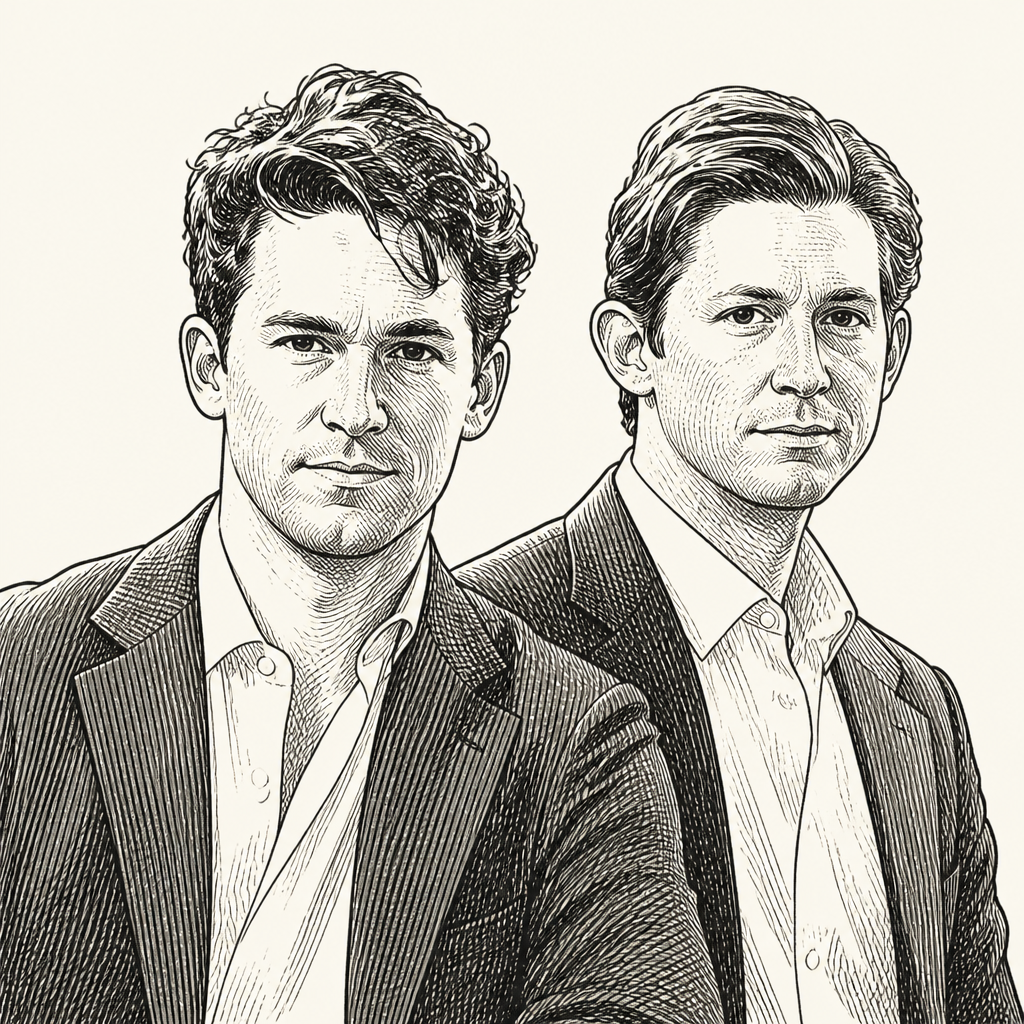
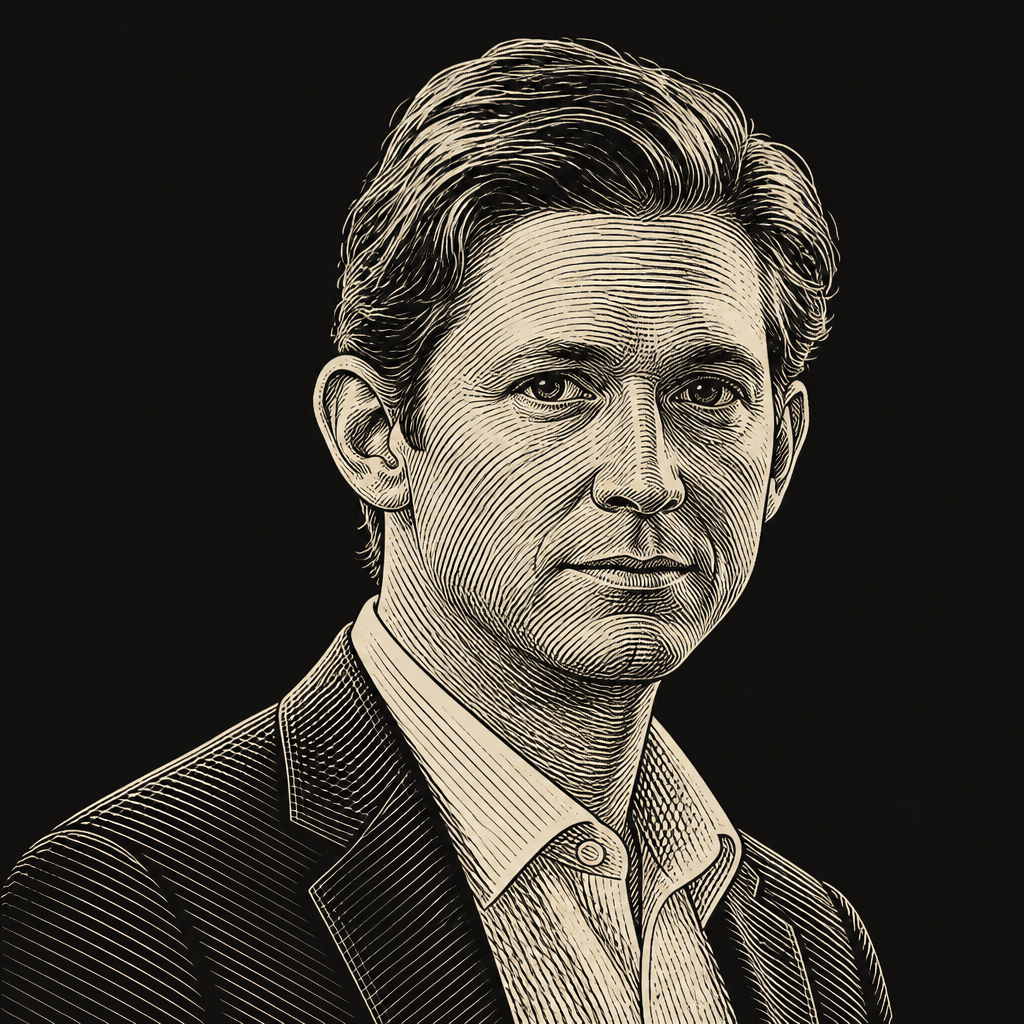
Kim’s account of the dispute was that China itself was blocking H200s. He said the US government had reached a point where it would grant licenses, but that China had blocked the chips after taking offense at comments by Howard Lutnick. That was Kim’s explanation for why NVIDIA could not sell the GPUs to China at the time of the interview.
John Coogan challenged the idea that China had a single position, distinguishing the government’s policy from the interests of Chinese AI labs. Coogan said the labs wanted the best compute they could obtain. Hays argued that closing the data-center loophole and stopping diversions could reduce the compute available to those labs in the short term.

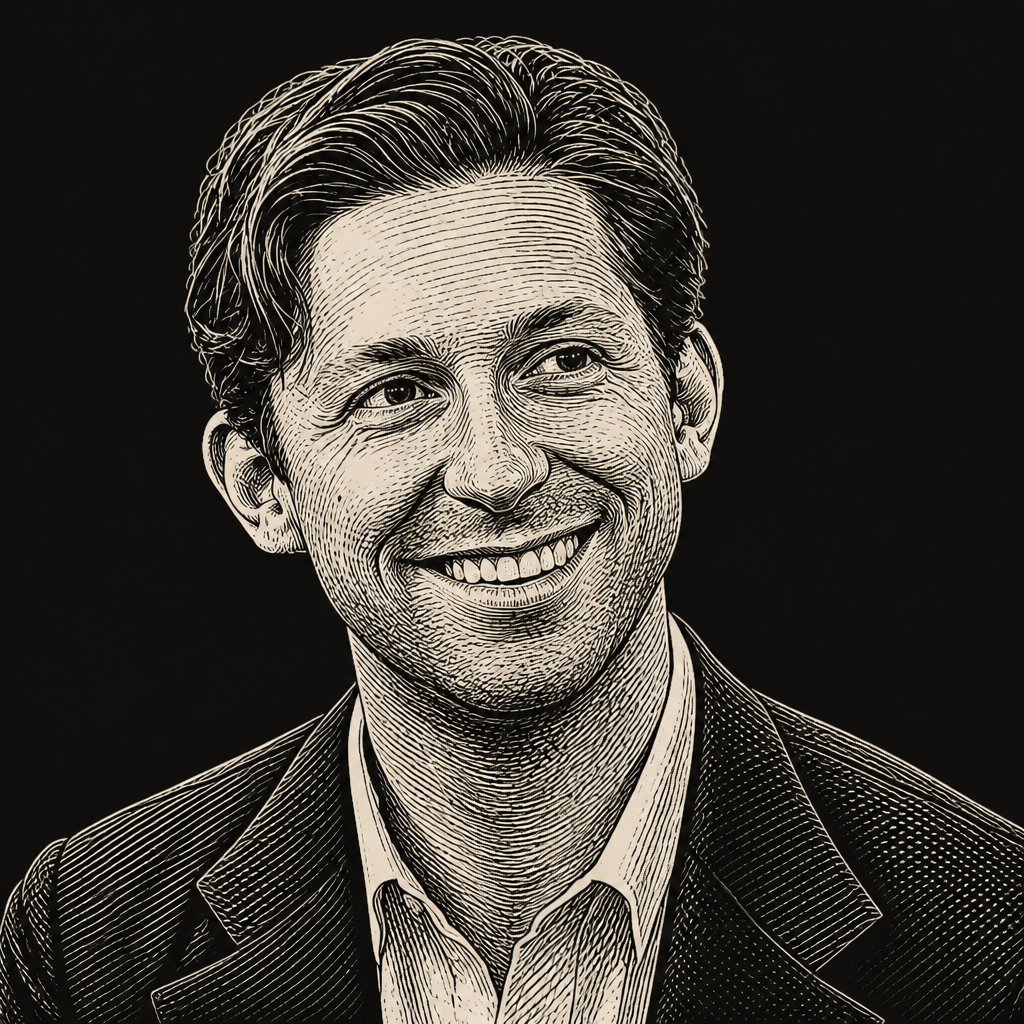
Kim’s own explanation for a widening gap between American and Chinese models focused less on chip supply than on model distillation. He argued that Chinese models had relied heavily on distilling American systems, and said Anthropic and OpenAI had been cutting off accounts involved in that activity. Kim expects those restrictions, alongside faster research and development at the American labs, to widen the performance gap over the following six months.
Kim called this period an “RSI” phase at Anthropic and OpenAI, in which AI accelerates research and development. He said the labs’ restrictions on distillation were undercovered and argued that their effects would become more visible as the research cycle accelerates. Hays suggested that reduced access to NVIDIA GPUs could reinforce the separation; Kim put greater weight on the limits being placed on access to American models.
Compute demand remains strong, but financing is not equally available
Kim did not expect the turmoil around NVIDIA to change aggregate demand for AI compute. He said the data points he was seeing showed substantial demand for GPU capacity. The risk, as he described it, is unevenly distributed: large cloud providers should be able to raise the capital they need, while neoclouds may find it harder to finance data-center spending.
Kim also expected Congress to pass legislation closing a loophole that had allowed Chinese customers to access NVIDIA products through international data centers. That would remove some business, he said, but he did not expect it to alter overall AI compute demand. He described the potential effect on neocloud financing as incremental rather than a broad demand collapse or a cut of 30 percent of revenue.
The hosts noted that investors were watching earnings closely amid high expectations, market selloffs and reports of private-credit pressure on parts of the infrastructure buildout. Kim’s distinction was between sustained demand for compute and the ability of different buyers to finance new capacity. He said hyperscalers had cash flows that should let them raise what they needed; he saw more pressure at the margin for neoclouds.
He linked that pressure to several factors: the Federal Reserve raising rates, tighter financial conditions, concerns that election uncertainty could make data-center permits harder to obtain, and energy prices. Kim said a resolution to the war could bring down oil and diesel prices, ease inflation and reduce pressure for the Fed to tighten further. That, in turn, could make it easier for neoclouds to raise money. He presented this as a possible easing of financial pressure, while saying the constraints were not yet dramatic or significant.
Kim expects Anthropic’s recent growth to shape IPO sentiment
Kim argued that Anthropic’s October annual recurring revenue figure could change investor sentiment ahead of its planned IPO. In his account, OpenAI’s competitive pressure from July to September had made Anthropic’s September numbers look worse, while the release of Opus 5.5 helped produce a stronger-looking growth curve from September to October.
Kim said a figure above $80 billion in October ARR had been leaked to The Wall Street Journal after concerns that the IPO might not happen. He also described the valuation as having been reset and the offering as six or seven times oversubscribed. He predicted that the IPO would go well and help market sentiment, reasoning that investors would respond to the latest growth figures.
For Kim, the IPO outlook was connected to the same acceleration in AI research that he sees driving demand for semiconductors. He argued that progress at Anthropic and OpenAI would require more chips, making the research-and-development cycle bullish for AI hardware.
The chip market could grow even as NVIDIA faces more competition
Kim argued that rapid model improvement is bullish for AI semiconductors because more capable systems require more compute. Hays cautioned against reading that as a forecast that NVIDIA alone would capture the benefits, pointing to Google’s TPU, Amazon’s Trainium, Intel, AMD and startups such as Etched.
Kim agreed that demand extends across the market. He said the head of chip design at OpenAI told him the company was taking everything it could get; a Meta executive had made a similar point at an industry conference. Kim also said the OpenAI chip architect described AI agents as a dramatic accelerant for chip design.
That combination—more compute demand and faster design work—leads Kim to expect continued demand for semiconductors, but does not settle which suppliers will benefit most. Hays described the industry as potentially moving beyond a period of monopoly. For NVIDIA, the implication is that the market could continue expanding even as competitors gain opportunities, while the company’s own position will depend in part on the decisions its next leadership team makes.