Meta’s Frontier AI Claim Raises Questions Beyond Benchmark Scores
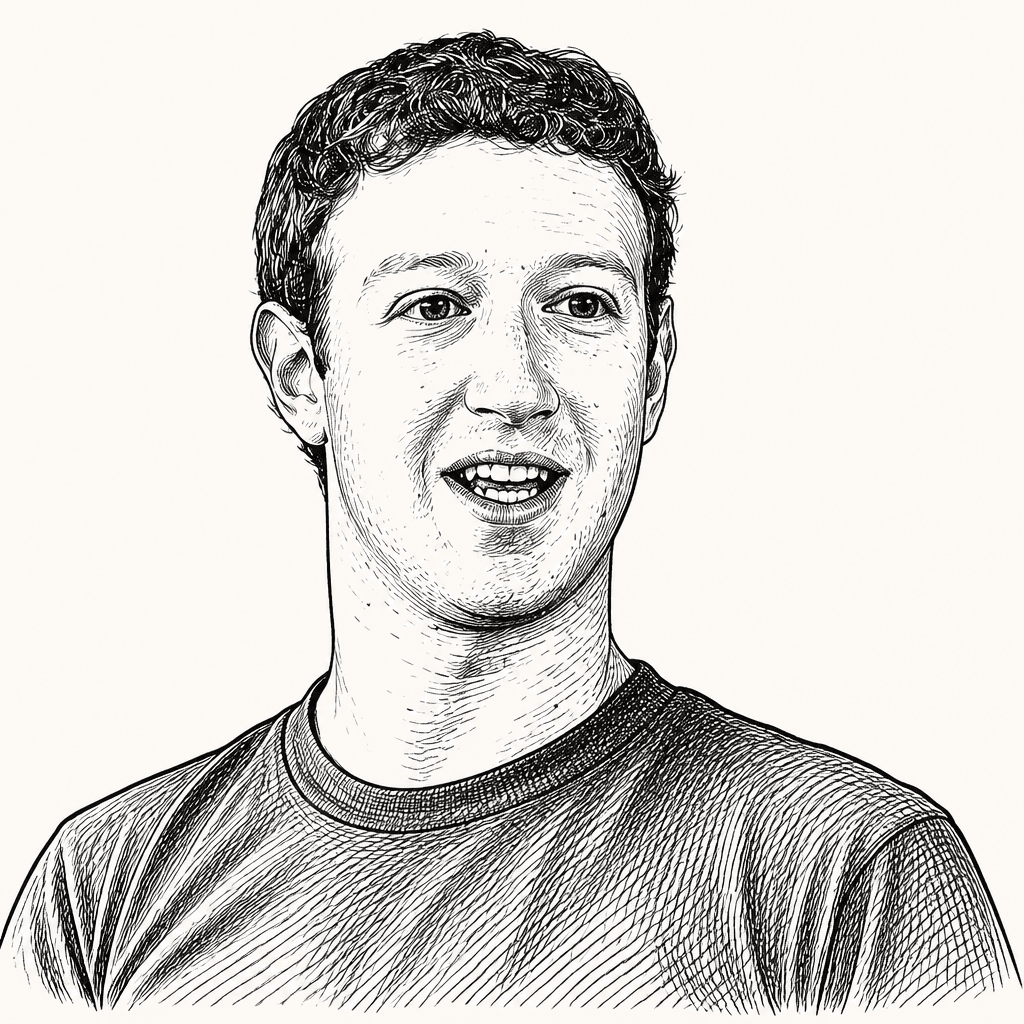
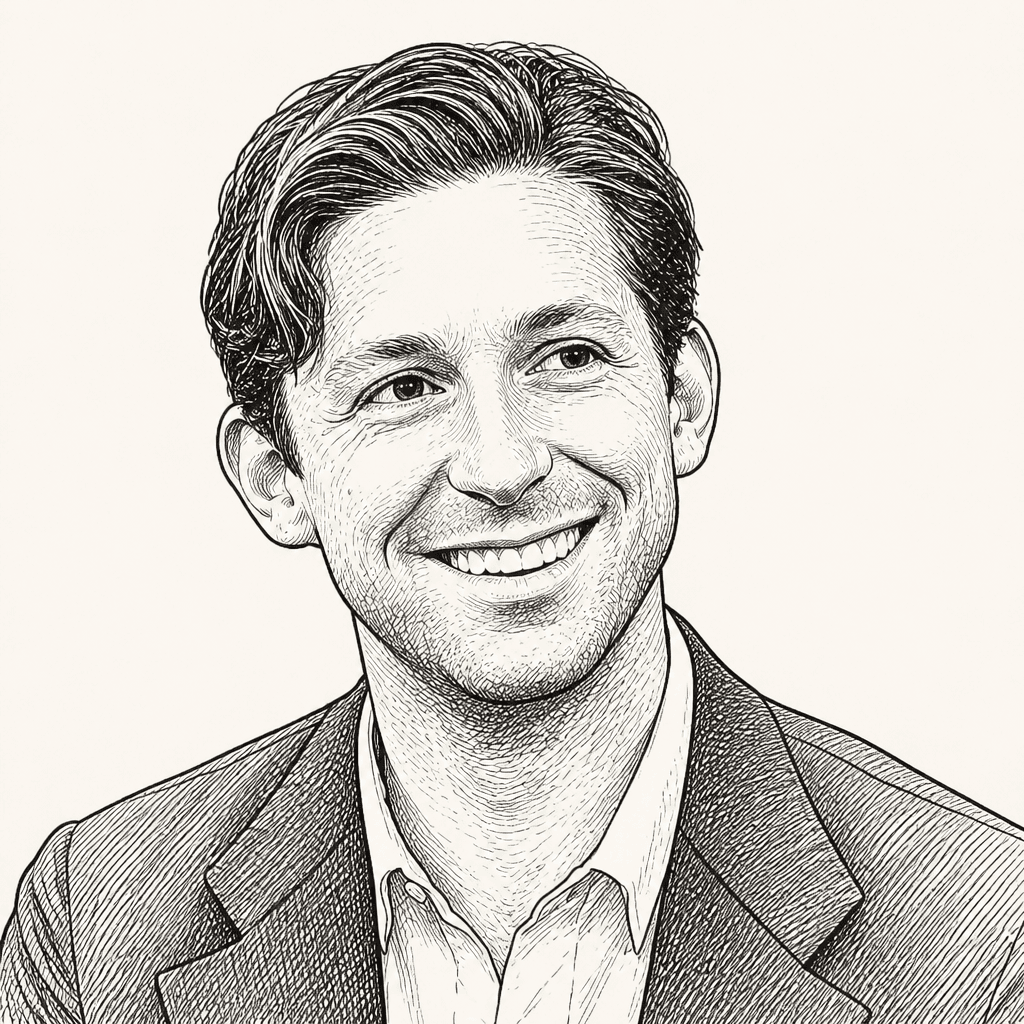
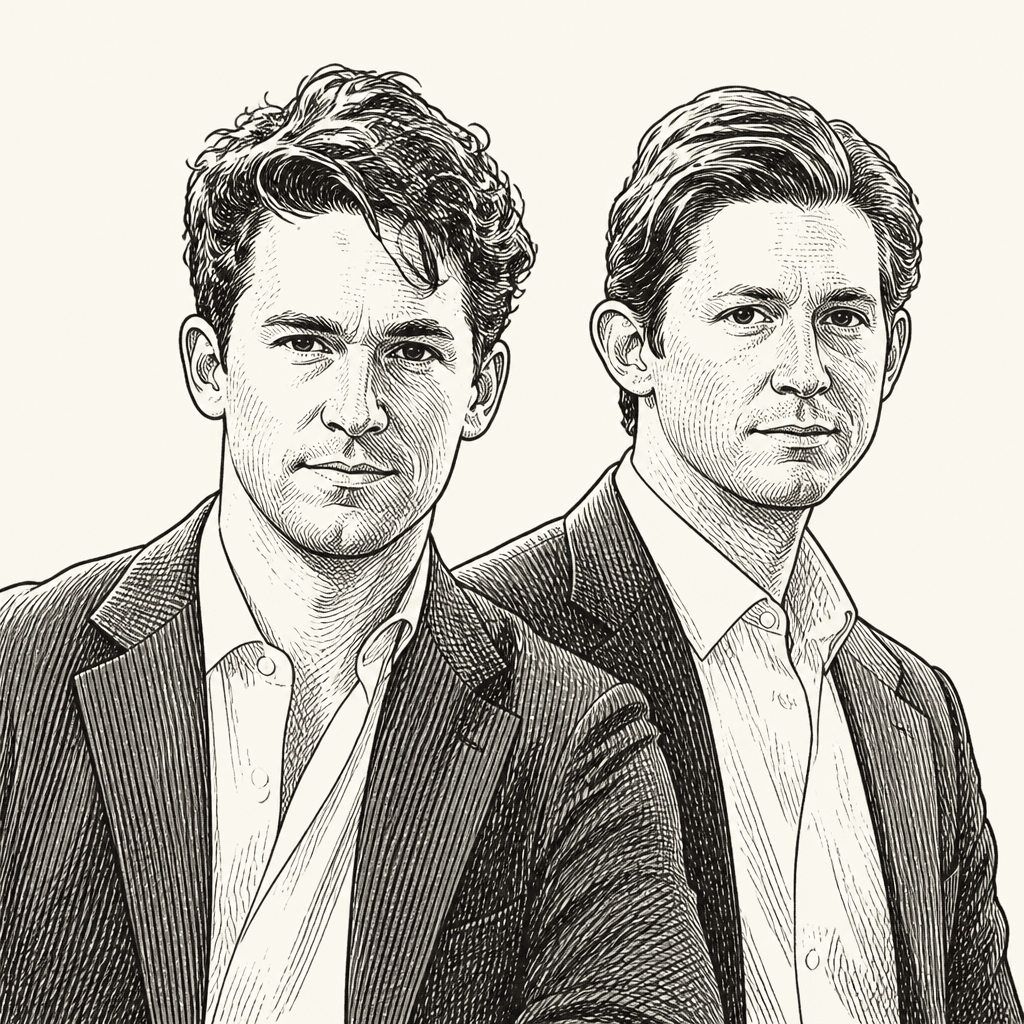
John Coogan said *The Social Reckoning* feels dated because it revisits controversies that no longer capture the questions technology professionals are asking about Meta. He argued that a current account would scrutinize the company’s AI business, including whether Muse Wonder’s benchmark results establish the frontier capabilities Meta claims. Jordi Hays was impressed by Muse as a product but said the benchmarks alone did not convince him Meta had reached the frontier.

The Social Reckoning is aimed at a tech debate that has moved on
John Coogan saw The Social Reckoning in a nearly empty theater and came away with a mixed verdict: the acting was compelling and the two-hour story moved well, but its subject felt out of date. The film follows data engineer Frances Haugen and Wall Street Journal reporter Jeff Horwitz, with Jeremy Strong playing Mark Zuckerberg. Coogan said the worldwide opening was $9 million against a $40 million budget, and noted a 55% Rotten Tomatoes score across 215 reviews. He thought the film could still find an audience, but its initial performance suggested that its subject had not drawn much interest.
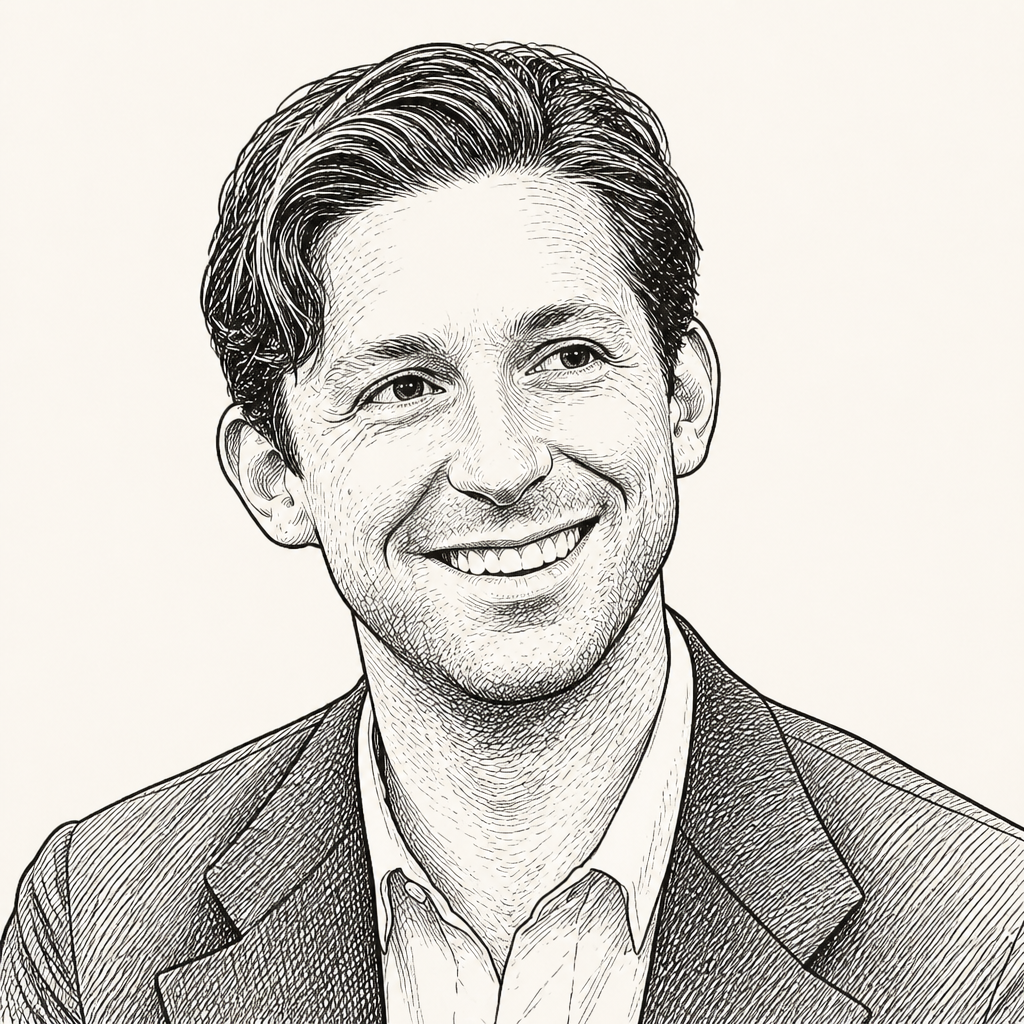
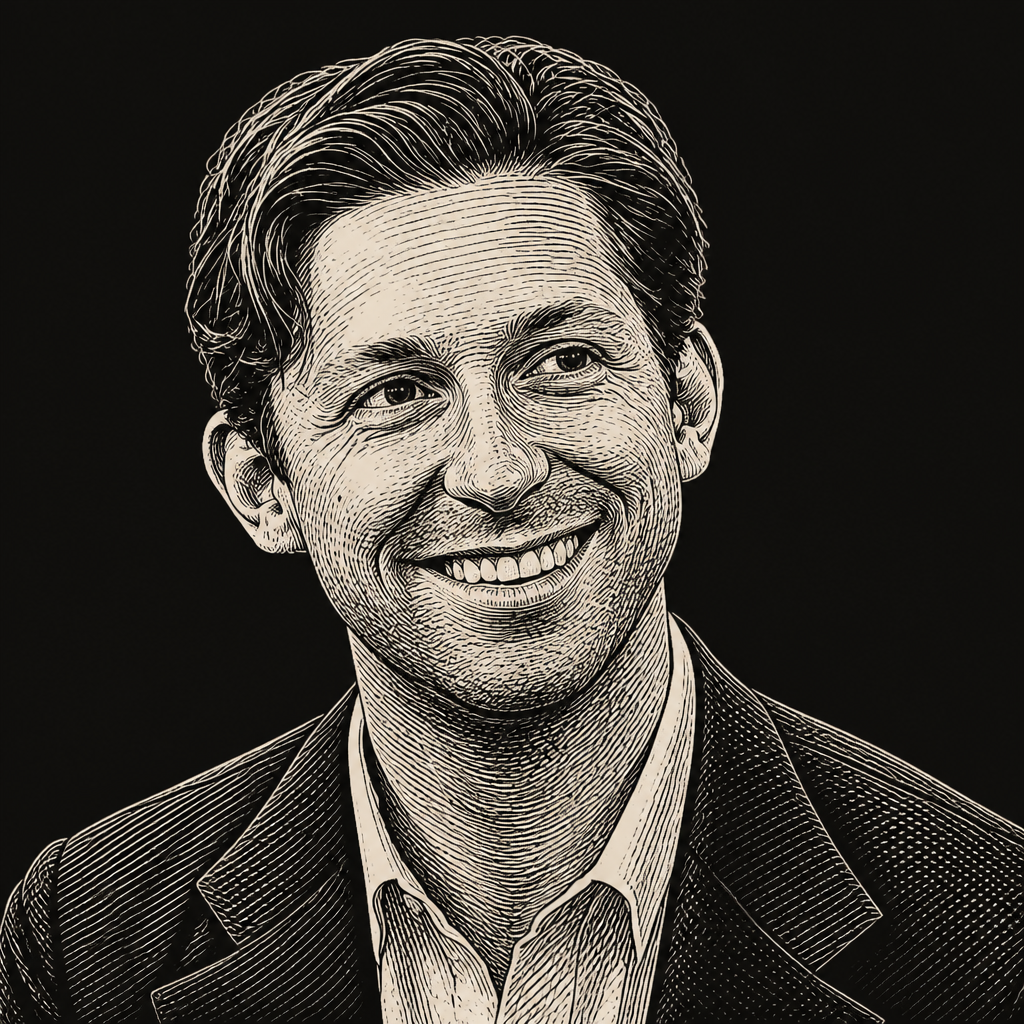
For Coogan, the central problem was not simply that the story is old. It is that the questions the film pursues are no longer the questions technology professionals most want answered. He called it “a time capsule from a completely different era,” set against a moment when the race toward superintelligence dominates attention in tech.
Zuckerberg’s public reinvention sharpens that mismatch. Coogan contrasted the film’s portrayal with the person audiences now see associated with UFC, a major change in personal style, Meta’s rebranding, glasses, AI assistants, and frequent public appearances. Hays said that The Social Network had become influential within tech partly because some founders saw Zuckerberg as someone to emulate; he wondered whether the film’s image had shaped Zuckerberg himself, who at times seemed to be becoming the character. The hosts connected his later change in persona to a question of identity: who he wanted to be after the film had helped define him.
That visibility also changes the material available for satire. Coogan said audiences now see Zuckerberg on podcasts and in direct-to-camera videos, so a comedian could exaggerate the quirks of the present-day figure. That would be a different kind of joke from the image of a remote, hard-to-read founder that helped define the earlier story.
The mismatch extends to what Coogan thinks a hard account of Meta would ask. Rather than revisiting controversies he described as largely settled in court, a current investigation might ask whether Muse’s margins can match Meta’s advertising business, whether Muse Wonder’s benchmark results reflect broad capability or “bench-maxing,” and whether people continue using the product after the initial excitement fades. Coogan referred to a post by Deedy Das that he said showed substantial drop-off in Muse use after 14 days, while noting that retention can later recover. He treated that pattern as a question worth investigating, not a settled account of the product’s long-term use. In his view, those are questions media should investigate; the film does not take them up.
The movie’s style drew a separate criticism. Jordi Hays and an unnamed speaker described its dialogue and character dynamics as contrived, with the feel of a polished 1980s journalism thriller that did not quite fit its subject. Coogan thought it also gave Horwitz an implausibly heroic treatment, casting Jeremy Allen White as an especially muscular, handsome version of the reporter. The fictional Horwitz is presented as almost proudly offline—he does not use Facebook and struggles with GPS—yet the film itself supplies examples of social media’s usefulness. In one scene, Haugen describes using a Facebook group to bring scientists together around COVID; the reporter dismisses it as nonsense. To Coogan, the scene unintentionally makes a case for the internet’s capacity to organize information.
Some details seemed to the hosts less like criticism than accidental comedy. A bulletproof couch is framed as evidence of Zuckerberg’s strangeness; Coogan and Hays instead found the idea appealing as a place to hide during an attack. A scene in which Zuckerberg explains the algorithm as a simple points system also struck Coogan as a distortion. He argued that recommendation systems operate through layers of optimization and signals, not a CEO announcing that one kind of interaction gets five points and another gets 50. The film’s image of Zuckerberg watching code scroll across monitors during the January 6 attack drew a similar objection: as Hays put it, he could simply open Instagram.
The film’s treatment of the Trump ban and its suggestion of a romance between Haugen and Horwitz also bothered Coogan. He said the ban is framed as an individual Zuckerberg decision, although he recalled technology CEOs coordinating in a group chat about acting together. He also noted that Horwitz had objected to the film’s romantic implication, saying he and Haugen were colleagues and that both were married to other people.
The hosts saw the film as arriving after audiences had watched Zuckerberg become a different kind of public character—and after the industry’s attention had shifted to AI. Hays contrasted the cultural influence of The Social Network with the current moment, saying he would have liked to see comparable filmmaking focused on the AI race.
Meta’s frontier claim rests on more than benchmark results
Meta’s Muse Wonder launch raised two distinct questions: how strong the model is, and what Meta means when it says it has reached the frontier. Zuckerberg told the Financial Times that the system would enable “much more sophisticated behaviors” at the frontier of AI. Meta said Muse Wonder performed better than comparable OpenAI and Anthropic models on some technical benchmarks. Zuckerberg described the work as requiring substantial compute and investment, along with rigorous scientific work by the team over an extended period.
Hays said he was impressed by Muse as a product and by Zuckerberg’s unusually relaxed appearance on Cheeky Pint, where he and Alexandr Wang discussed the model over beer. Hays called it the most candid he had seen Zuckerberg and said the product seemed to offer a compelling user experience. He also liked that the discussion touched on the hosts’ experience with OpenClaw. But Hays listened closely to Zuckerberg’s wording: he described this as the beginning of Meta Superintelligence Labs being at the frontier.
At one point, a question was put to Zuckerberg and Wang about whether the model was at the level of Astra or Fable. The reply, as Hays recounted it, was that someone looking at the benchmarks would conclude that it was. Hays said the benchmarks looked impressive, but that wording did not persuade him that Meta was truly at the frontier. He pointed to earlier benchmark disputes around other models, including Spark, as reason to want more than benchmark results.
Coogan agreed that the language was striking. He thought Meta could have made a clearer claim by saying the model was Fable-class, particularly because Muse is integrated into Meta’s products and could be offered at low cost. But he also argued that the standings move quickly: a lab can launch after a long development cycle only to find competitors ready to respond. He said Meta deserved credit for becoming a serious competitor within a year, especially after its talent recruitment and investment, and that he was now more interested in what Meta Superintelligence Labs was doing than in Google or xAI.
Frontier status matters beyond product positioning. Coogan argued that claiming to be at the frontier brings greater responsibility and scrutiny over potential risks. In his framing, a company presenting itself as a strong second or third can argue that the most concerning capabilities have not appeared in its system and will be confronted first by leading labs such as Anthropic and OpenAI. A company claiming the frontier has less room to defer those questions. Hays added that researchers at the frontier can sometimes give the impression that they have encountered alarming capabilities. Their exchange made the label consequential, while leaving open whether Muse Wonder had earned it.
The launch also sharpened the question of whether AI labs can slow development together. Coogan read a statement attributed to Andrew Curran arguing that “pacing is out the window” if a plan requires every American lab to hold back. In Curran’s argument, one lab’s defection could force the others to accelerate rather than risk falling behind. The statement pointed to Meta’s compute spending, Zuckerberg’s willingness to invest ahead of proof, and the political environment as reasons the company was unlikely to slow down. It also argued that a coordinated plan would require a supportive administration willing to regulate capability and enforce compliance, conditions Curran said were absent.
Coogan connected Meta’s scale and Zuckerberg’s relationship with the Trump administration to the difficulty of enforcing a shared pace. He said Zuckerberg, Trump, and Jensen Huang were aligned on policy, and described the prevailing approach as “full speed ahead.” The implication was that labs choosing to pace themselves could do so, but could not assume competitors would follow.
The discussion of spending turned on whether investing before proof is reckless or rational. Wang had said companies must make large investment decisions before they have evidence that the technology will work. Coogan found this notable beside Dario Amodei’s criticism of companies “YOLOing” investments, which Coogan had initially understood as aimed at OpenAI; he now thought it applied to Meta as well. He also recalled Zuckerberg and Wang discussing the scale of the checks Meta was prepared to write before seeing the models.
Hays resisted calling Zuckerberg’s approach a bet-the-company move. Meta, he said, has a large cash-generating business and can spend heavily without putting the company’s survival on the line. His reading of the metaverse investment was that Zuckerberg saw a chance of an emerging paradigm and chose to invest before the rest of the industry agreed—not because success was certain. Coogan’s distinction was that AI differs from hardware: in software, companies can train new models and regain ground quickly. The metaverse and virtual-reality push did not offer the same speed of catch-up, as he pointed to Microsoft’s HoloLens and Apple’s lack of a follow-up to Vision Pro as examples of how slowly hardware shifts can play out.
Zuckerberg’s new visibility changes the story around Meta
The hosts’ discussion of Zuckerberg’s public persona extended beyond The Social Reckoning. They watched a video of him at a barbecue, eating watermelon and responding to a caption about smoking whatever they wanted. Hays wondered whether Zuckerberg used to appear this way during the period associated with The Social Network. Coogan said Zuckerberg had gone in and out of communicating directly with the public, but that his frequent podcast appearances and videos now make him familiar in a way that complicates the film’s older portrait.
That new visibility is also part of how Meta presents its AI push. Coogan pointed to the contrast between a casual public video and the launch of models positioned against OpenAI and Anthropic. He also noted Wang’s account of the capital decisions behind the effort: companies must decide how much to invest and how to develop the technology before they have clear proof points. Zuckerberg described conversations about committing very large sums before the models were ready, including asking whether the investment would work.
For Hays, that willingness to spend is consistent with how Zuckerberg has run Meta, including the metaverse push. He rejected the idea that the investment necessarily meant Zuckerberg believed success was certain. Rather, Zuckerberg was willing to spend against the possibility that a new paradigm would arrive sooner than others expected. Coogan’s comparison between software and hardware helps explain why the AI commitment may be easier to recover from: software capabilities and model positions can change quickly, whereas hardware bets have longer timelines.
HomeView needs to offer control, not just a screen
Apple’s $299 HomeView—a swiveling smart-home hub with video calling, music, and photo-display features—did not persuade either host that it solved an important problem. Coogan had expected something closer to an articulated Pixar lamp; the announced design appeared simpler, with a screen that swivels and can be adjusted manually. He saw Apple Intelligence as a potential route into the agent-product market, where Meta, Google, and others are developing assistants with different integration advantages. But he doubted that the ability to delegate a whole task—plan a birthday party, make a reservation, create an invitation, and ask the user only about key choices—was close.
Hays called the product a sign of stagnation, while naming a different product that would interest him: a reliable way to control the electronics throughout a home, from gates and cameras to lights and HVAC. His current setup is an unknown tablet attached to the wall, with software he considers poor. He wanted to know whether Apple was building a real home-control system or simply putting an iPad-like device on the kitchen counter.
Coogan said the relevant functionality exists in pieces: AI agents might reverse-engineer the interface for a garage-door opener, for example, but then run into operating-system barriers. He speculated that a future device might be modified to run other software. For now, the hosts saw an attractive design but no clear reason to buy it.
They compared HomeView with Facebook Portal, which Coogan had bought for relatives during COVID. The devices were used once, then largely became picture frames. Hays said he would rather see Apple make a bold commitment to delivering iPhone-quality software for the whole home. The question was whether HomeView could move Apple’s smart-home offering toward that goal, or whether it would remain a screen for a problem users do not feel they have.
OpenAI says an employee planted a recording device
Hays read OpenAI’s account that a sophisticated recording device had been found in one of its offices. The company said it used models to understand the device and identify an employee who had allegedly planted it days earlier, then referred the matter to the FBI. OpenAI said it had no indication the employee accessed or removed model weights, source code, or customer data, and that the employee had been terminated.
Hays reported that federal prosecutors said the employee, a Saudi national, had planted an audio recorder and left another unattended in his bag. He said the man had been arrested and charged with using or attempting to use a device to intercept oral communications, and had made an initial appearance in federal court. The FBI investigation was ongoing.
The hosts were unsure what to make of a circulated image showing a person behind a television. They wondered whether the device had recorded video as well as audio, but did not resolve what the image showed. Coogan said the case underscored the stakes around AI companies and the possibility of insider threats, espionage, or other security risks.