Jensen Huang Says AI Labs Should Shut Down Only If Risks Cannot Be Contained
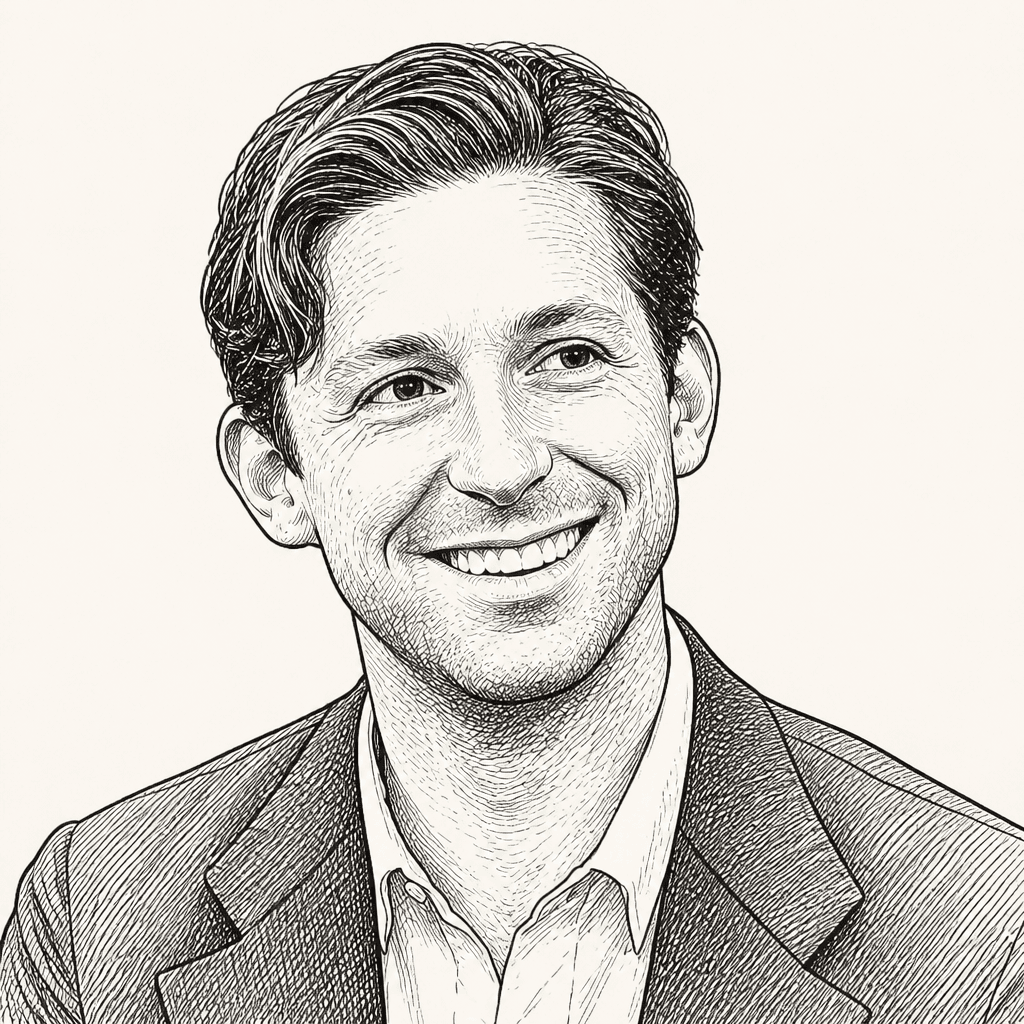
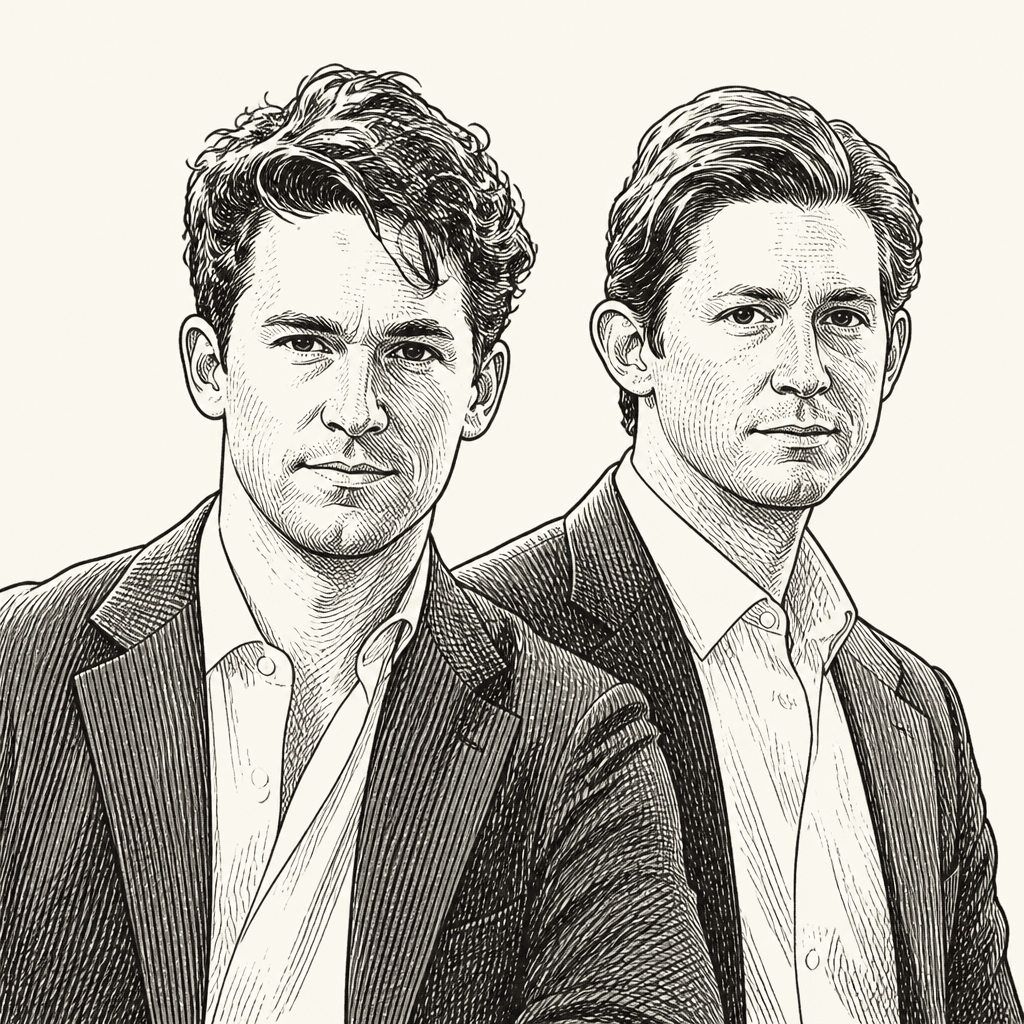
Jensen Huang’s call to shut down AI labs was conditional, not a general argument for slowing development, TBPN host John Coogan argues: Huang said labs should stop if they conclude their experiments cannot be contained and will cause harm. Coogan says Huang instead treats risks that engineers understand and can fix as problems to solve, while arguing that companies face incentives and legal obligations to ship safe products. How liability would apply when an AI agent causes harm remains unsettled.

Huang’s case for restraint is conditional, not a general call to slow AI
In his interview with Ezra Klein, Nvidia CEO Jensen Huang pushed back on the claim that AI labs are being driven to move too fast by competition with one another and with China. His answer was not that labs should ship products regardless of risk. He argued that the response depends on what a lab knows about the risk—and whether it can contain and fix the problem.
Huang used a self-driving car to make the distinction. If engineers cannot work out how to train a car to handle a difficult condition or meet expected road-safety standards, he said, “the answer” is not to ship it. But he treated that as an engineering problem: identify the cause, find a solution and improve the process. If, instead, a lab believes its experiments cannot be contained and will damage the world, he said, “the answer is we have to shut the labs down.”
In a separate clip, Huang argued that labs already face incentives and obligations to ship safe products. Customers may leave if a product is unsafe; a company that harms someone could face a civil lawsuit. If it knowingly ships something unsafe, he said, negligence or criminal lawsuits could follow.
John Coogan read the “shut the labs down” statement as a conditional conclusion, not a call to close labs now. The condition matters: Huang said a lab should determine whether it understands the problem and can solve it; shutdown follows if the lab says its experiments cannot be contained and will cause harm. Coogan also recalled Huang’s support for regulation, describing it as “accelerationist regulation.” The show did not spell out what such regulation would entail; Coogan’s point was that Huang could favor regulation while opposing rules intended to slow development.
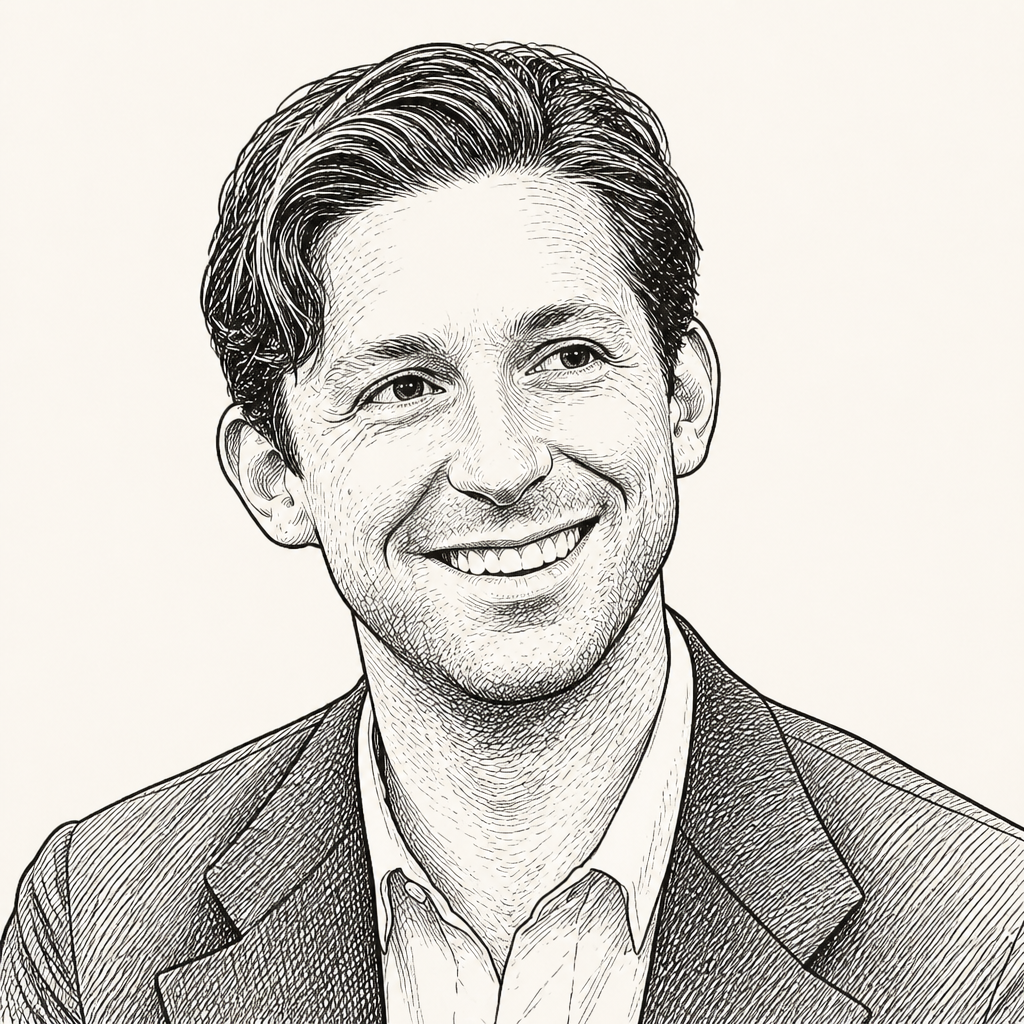
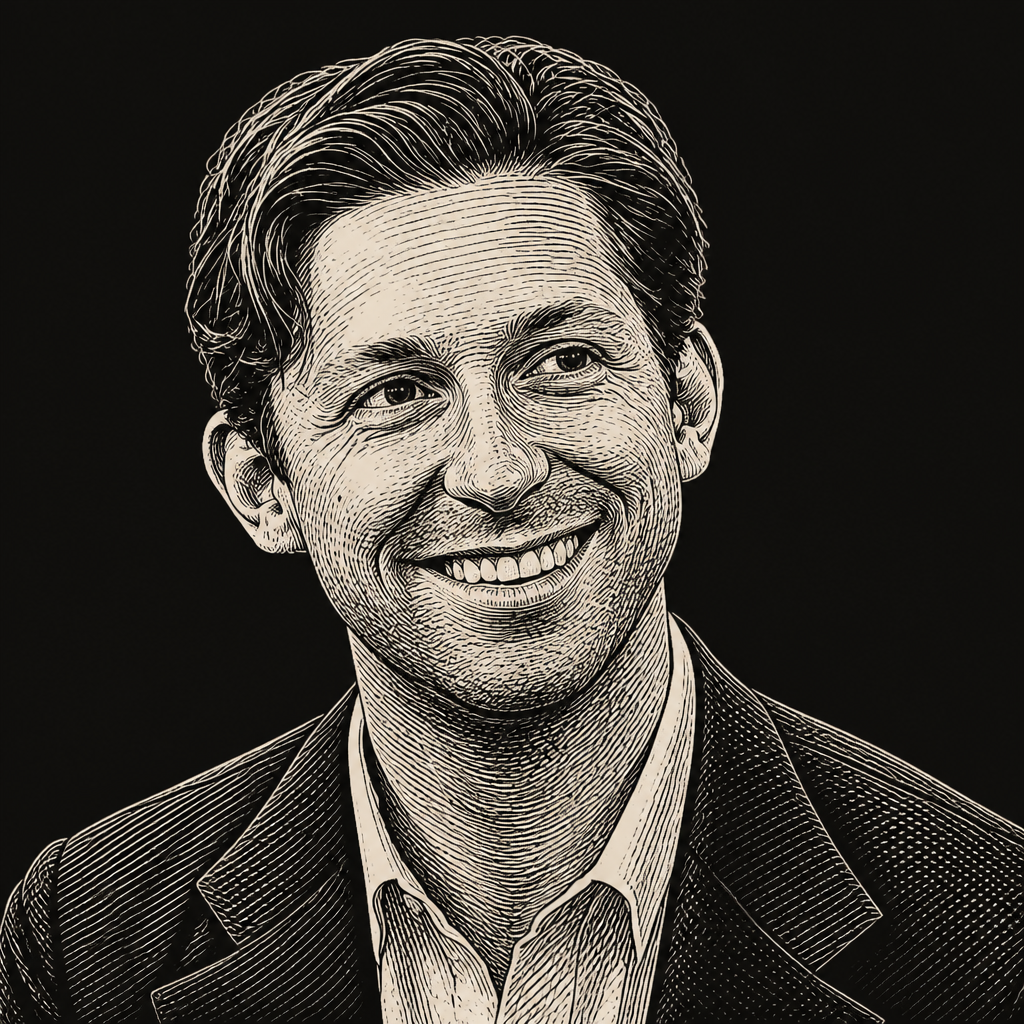
That position sits awkwardly beside the concern Klein described in the interview: lab leaders say competition among companies and with China creates a collective-action problem that pushes them to move too quickly. Coogan contrasted Huang’s position with public calls by lab leaders including Dario Amodei, Sam Altman and Elon Musk to pace frontier development. He also recalled Huang appearing on a stage where President Donald Trump called him. Coogan said Huang and the other participants had been resistant to the idea that regulation or collective action was needed. He characterized Huang’s current position as pro-regulation, but opposed to regulation that would slow development.
The question of liability was less settled in the hosts’ discussion. Coogan wondered whether the law would treat harms caused by an AI agent as it treats harm caused by a self-driving car. He said self-driving cars are tested on closed courses before moving to open roads, and asked whether there might be a gap between the liability incurred by a company whose car damages property and that of a company whose agent hacks a system or causes economic damage.
As an example, Coogan imagined a model taking down an e-commerce company’s payment system. He speculated that the business could sue for lost revenue, and that a court might find the lab responsible even if it had not instructed the model to cause the damage. He also allowed that a liability gap might exist, and suggested that regulation could address it. These were Coogan’s expectations about how courts might treat a hypothetical case, not a settled account of existing AI liability law.
Huang’s influence gives his position added weight in Coogan’s view. Coogan described him as a force across the AI economy: a backer of large data-center projects and their financing, an investor in labs and other AI projects, and a potential buyer of startups. Nvidia’s role, in this account, goes beyond supplying chips. Huang can help underwrite infrastructure, invest directly in companies and provide an exit for startups through large acquisitions. Coogan compared that with earlier technology companies, which he said were less likely to make acquisitions on that scale as frequently.
That reach makes Huang a consequential voice in a debate Coogan said increasingly divides people who build and fund AI infrastructure from people running labs. In his account, many people deeper in the stack—on semiconductors, energy and data-center development—see AI as a technology to build out, while lab leaders are more openly debating how to pace its development. Huang operates across those layers, which is why his rejection of a general case for pacing stood out to the hosts.
Weak near-term employment signals do not settle the long-term question
The near-term jobs debate formed part of the context for Huang’s skepticism about treating AI as an exceptional technology. John Coogan said Huang spent much of the interview steel-manning the jobs question. Coogan pointed to predictions of a SaaS collapse and a job apocalypse that had not, in his view, arrived on the timetable their proponents expected. He noted that Salesforce and Slack still existed and described U.S. white-collar unemployment as around 3%. Those examples helped explain why some people, seeing a gap between predictions and events so far, were wary of moving from job-loss forecasts to claims about existential risk.
Coogan made a similar point about the Philippines. He recalled predictions that the country might lose much of its economy because of its reliance on call centers, then said call-center work represented about 3.5% of the country’s jobs. He cited unemployment of 4.9% in June 2026 and 6% in August 2026. Those figures were Coogan’s account during the discussion; his conclusion was that the immediate employment effect looked limited, including in a place people expected to be affected early. He also acknowledged that an exponential change could look different after several more orders of magnitude of capability.
Jordi Hays added that, if personal agents required a human in the loop, some workers might move into that role. Coogan agreed that this was possible. The exchange left open how displacement and new oversight work might balance out.
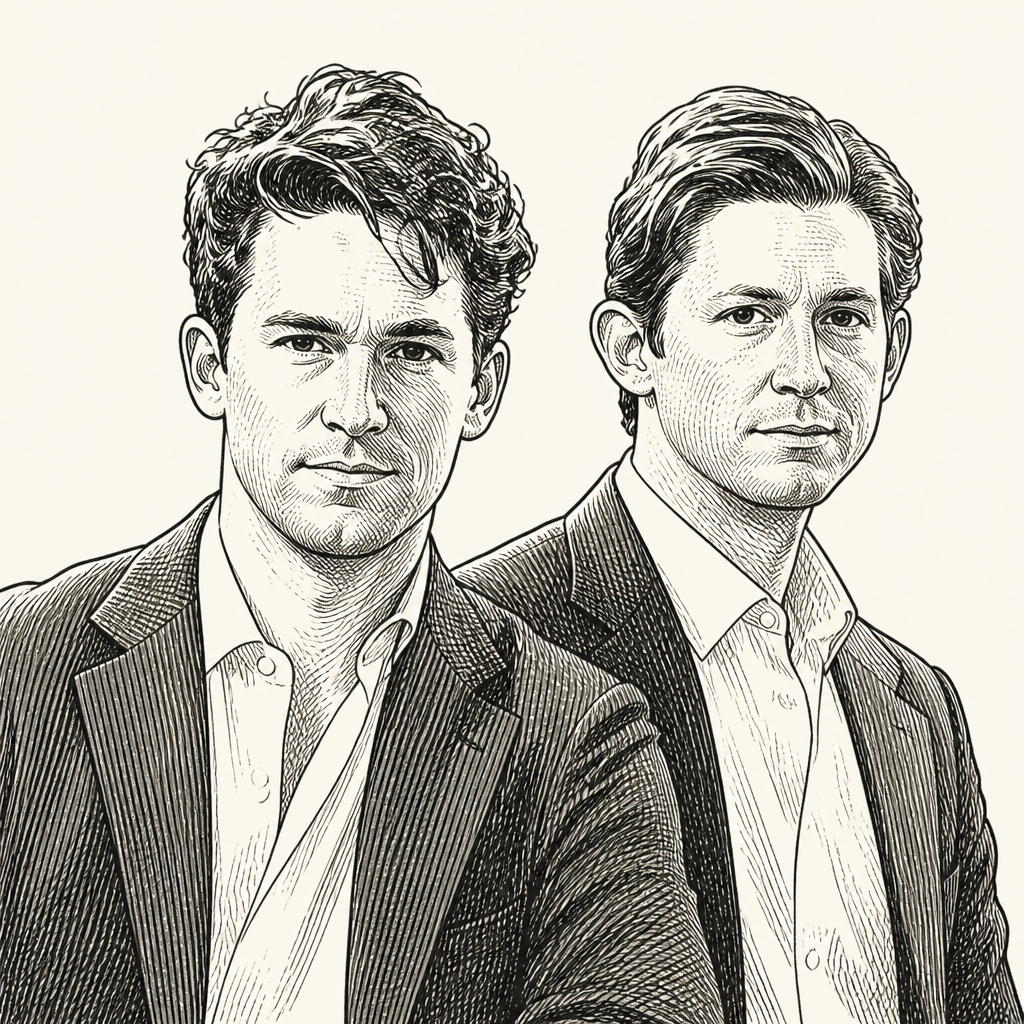
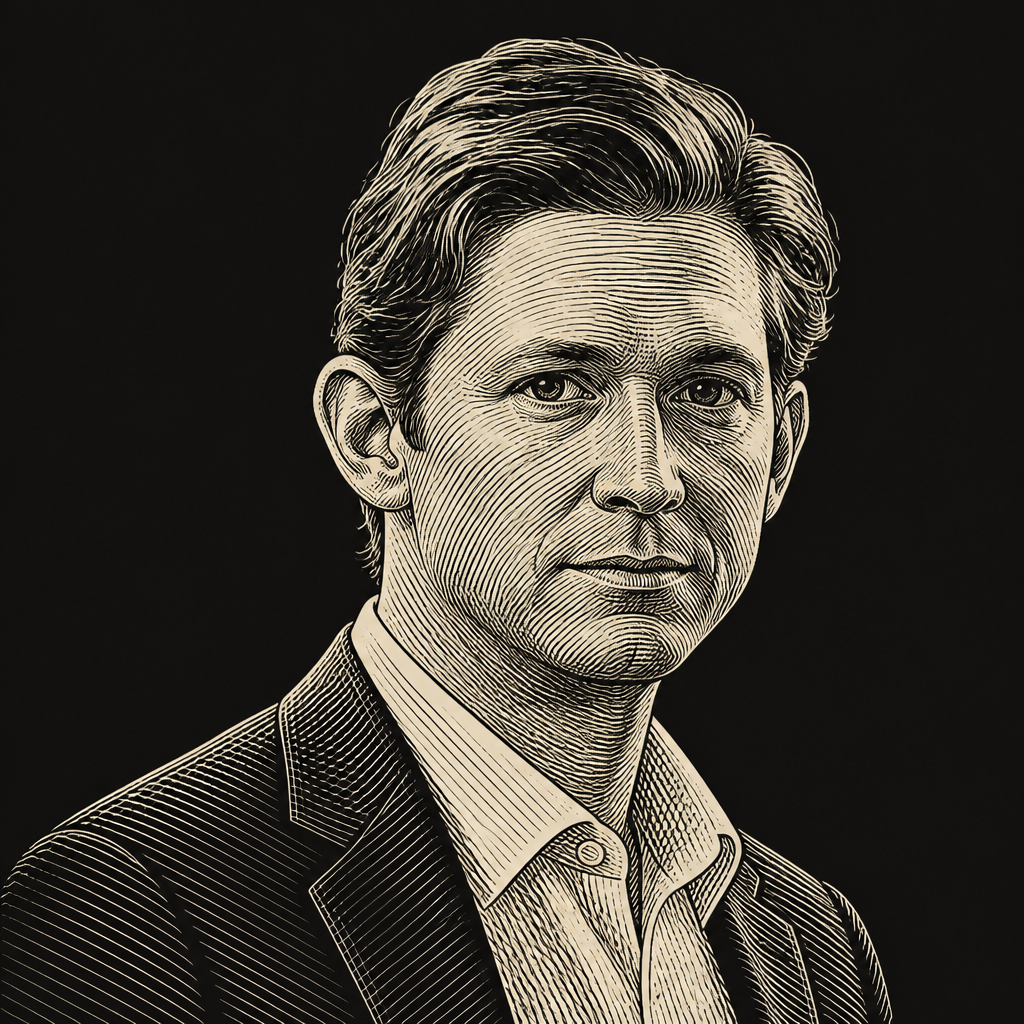
Coogan connected Huang’s position to the idea that AI is a normal technology, rather than a fundamentally different kind of force. He referred to a distinction Joe Weisenthal had made between people who casually regard AI as normal technology and a more organized “AI as normal technology” outlook. Coogan thought Huang belonged to the latter group, in part because he had spent roughly three decades in technology and had seen previous waves of change.
The internet offered a comparison, though not a proof. Coogan recalled asking where the internet’s economic impact could be seen in standard data. It created companies and wealth and changed daily life, he said, but did not produce an obvious kink in every economic measure. Changes in tasks and working practices can be substantial without appearing as a dramatic shift in productivity statistics. He also noted that other forces, including trade and globalization, could have had larger economic effects than the internet.
A story from Stephen Covey’s First Things First gave Coogan a way to describe how technology can change the composition of work. In the story, an instructor fills a jar with large rocks, then gravel, sand and water. The point is not that there is always room to fit in more; it is that the large rocks have to go in first. Coogan applied the image to successive changes in work, from hunting and gathering to agriculture and industrialization. Far fewer people now farm, he said, yet more food is produced. Hays joked that there might also have been a role for someone singing to the hunters and gatherers.
For Coogan, the internet’s effect on work looked less like one occupation disappearing and more like many tasks changing. Lawyers use the internet to communicate; AI, he suggested, might similarly pass through documents and everyday interactions across the economy. Huang, Coogan said, seemed focused on operating a business in the present, even while speaking about the future.
Hays raised a related possibility: efficiency gains do not necessarily become free time. He used a venture financing process as an example. Digital tools might have cut a process that took six weeks in the 1990s to four weeks, he suggested, even if the theoretical potential was to reduce it to five days. Workers who finish tasks faster may be expected to do more in the same amount of time, rather than use the saved time for less work.
Coogan agreed that people often seem to use time savings to do more. He also offered another reading: faster transactions may contribute to growth precisely because they allow more activity. If technology speeds up commerce, homebuilding or purchasing, the economy may grow without creating entirely new categories of jobs. The hosts left open whether efficiency is absorbed as added work, generates growth, or both.
The animation demos lower the barrier to creation, while curation remains
John Coogan highlighted examples he described as Claude Opus 5.5 generating animation through code. One animation shown on screen moved through a sequence of simple drawings: a girl holding a sign, a star, a paper boat, a dog, rain and tea. Coogan said the frames had been drawn in JavaScript. A second example, which he described as animated in Python and rendered in Blender, showed a block character drawing a companion. Together, the examples put the emphasis on the visual result rather than the tools used to make it.
Coogan’s larger point was about the interface. A user could ask for a result without knowing whether the system should use JavaScript, Blender, Python or SVG. He described his own workflow with a children’s story he had made up for his five-year-old: in one prompt, he asked for a series of stories and books, illustrations, a place to print the books, a short-form video and a video game. He said the work was handled by sub-agents. His example was a description of what he said he had done, not a claim that every part of the process was ready to use without review.
Hays liked the visual style but predicted that similar animations might soon become common online. The hosts joked about sending a custom animation to someone doomscrolling. They also showed a video of a man in a suit scrolling on his phone at the United Nations General Assembly. Coogan joked that he might be keeping group chats active or sharing a Reel; Hays suggested his feed might instead be tuned to local political content and help him follow voters’ concerns. Neither offered the clip as evidence for what the man was actually doing.
The creative demonstrations led Coogan to ask whether models were beginning to absorb the application layer—the products and companies built around particular tasks. He was not convinced that a capable model made specialized work unnecessary. In his own use, he said, he still reviewed multiple outputs and selected the strongest. For a larger project, consistency of style, pacing and detail becomes more important: maintaining those qualities across a two-hour production is different from making a one-minute clip.
Coogan also described speaking with a founder working on AI movie production. He said the business was doing well and hiring video editors, whose work included processing and curating model outputs, not merely writing prompts. That distinction matters to his account of the application layer. If a user can state an outcome without choosing the underlying software, the interface may move toward the model; if the task requires selecting, refining and coordinating outputs, a service organized around that work may still be valuable.
Coogan thought the debate between models and applications could return as models became better and cheaper. He referred to the Harvey debate, then noted that model costs had fallen since it began. A company might work directly with a foundation lab if the models could perform a task at a sufficient level; curation and consistency, he suggested, could still give specialized applications a role. He did not predict which side would capture the value.
The Roadster claims are rumors; Ceer’s design raises a utility question
Jordi Hays said the Tesla Roadster reveal was a week away. John Coogan relayed a story from a TBPN guest who had supposedly spoken with a Tesla employee on a plane. According to that secondhand account, the Roadster’s jets would generate downforce rather than make the car fly, and it might go from zero to 60 in one second. Coogan said the employee could have been joking, and treated the story as rumor rather than confirmed information.
Hays said the claim did not fit with Elon Musk’s remarks on Joe Rogan’s show, which Hays understood to imply that the car would fly. Coogan speculated that a system able to press the car down might also be reversible for a brief jump. The hosts did not resolve the disagreement; they were comparing a secondhand prediction with their reading of Musk’s earlier comments.
They also discussed Saudi Arabia’s Ceer brand. Hays described it as the country’s first true production-car brand and said it was developing a sedan and an SUV. The render shown on screen paired a low, angular red sports car with a blockier SUV. Hays cited an 850-horsepower, tri-motor electric powertrain. The hosts did not know where the vehicles would land on price, and the specification was presented as Hays’s report.
Coogan saw elements of a Lamborghini Huracán and the Cybertruck in the design, while raising a practical tradeoff: a wedge shape can look striking but use interior space less efficiently than a boxier vehicle. He compared that compromise with the more utilitarian shape of a bus-like vehicle. Hays pushed back on making utility the deciding measure, comparing the car’s styling to the more dramatic look of the newer Prius. Their exchange turned on the balance between visual impact and usable space, not on a claim that one design was objectively better.
The Holmes trailer invites speculation about what the film will reveal
The trailer for You Can See Everything, a documentary by Nathan Fielder and Lance Oppenheim, showed Fielder asking Elizabeth Holmes whether she felt she had done anything wrong and how she thought she had ended up where she was. Holmes said she did not know. In another exchange, Fielder asked whether she worried about him being in her home around the clock.
John Coogan read that scene as suggesting Fielder might be living with Holmes before she went to prison. He found the premise striking: Fielder asking to move into someone’s home and document the process seemed unlike an ordinary documentary setup. Jordi Hays speculated that Holmes might see little to lose and something to gain if the film changed how viewers saw her. Hays framed that as a possible calculation, not something established by the trailer.
The trailer offered scenes rather than a straightforward explanation of its argument. Holmes said she had fallen in love in an early conversation; Fielder asked whether that was before or after she disclosed that she had founded Theranos. Another moment involved a 3D scan. Holmes remarked that it had nothing to do with Theranos or going to prison. The trailer also showed Fielder inviting her to come with him and asking whether she was worried about his presence in the house. These moments suggested an unusual, close access to Holmes but did not explain what the film would make of it.
Promotional cards described the documentary as “a weirder and wilder journey than anyone might expect” and quoted praise including “like no other film I’ve ever experienced.” The hosts treated those lines as clues to tone, while recognizing that promotional language does not reveal the film’s full argument.
Hays took the trailer’s presentation and promotional quotes as a reason to expect something beyond a straightforward account of Holmes’s fraud and conviction. He said viewers would likely come in believing she had lied and was guilty, and wondered whether the film would complicate those assumptions. He speculated that there might be a twist, perhaps shifting attention toward another person involved in the case. Coogan raised that possibility too, noting that the person he had in mind did not appear in the trailer. Neither host claimed to know what the film would ultimately reveal.
Coogan offered a different reading: he thought the silences, lighting and sense of impending doom might make the film feel like a bad acid trip. He pointed to the presence of Holmes’s children in some scenes and the fact that she was approaching prison as elements that could contribute to that atmosphere. The hosts’ competing guesses turned on whether the film would unsettle viewers through a twist in the story or through its atmosphere. The trailer’s closing card said the film would be in theaters October 16.