Nvidia Restores Jensen Huang After 11 Days, With Investigation Unfinished
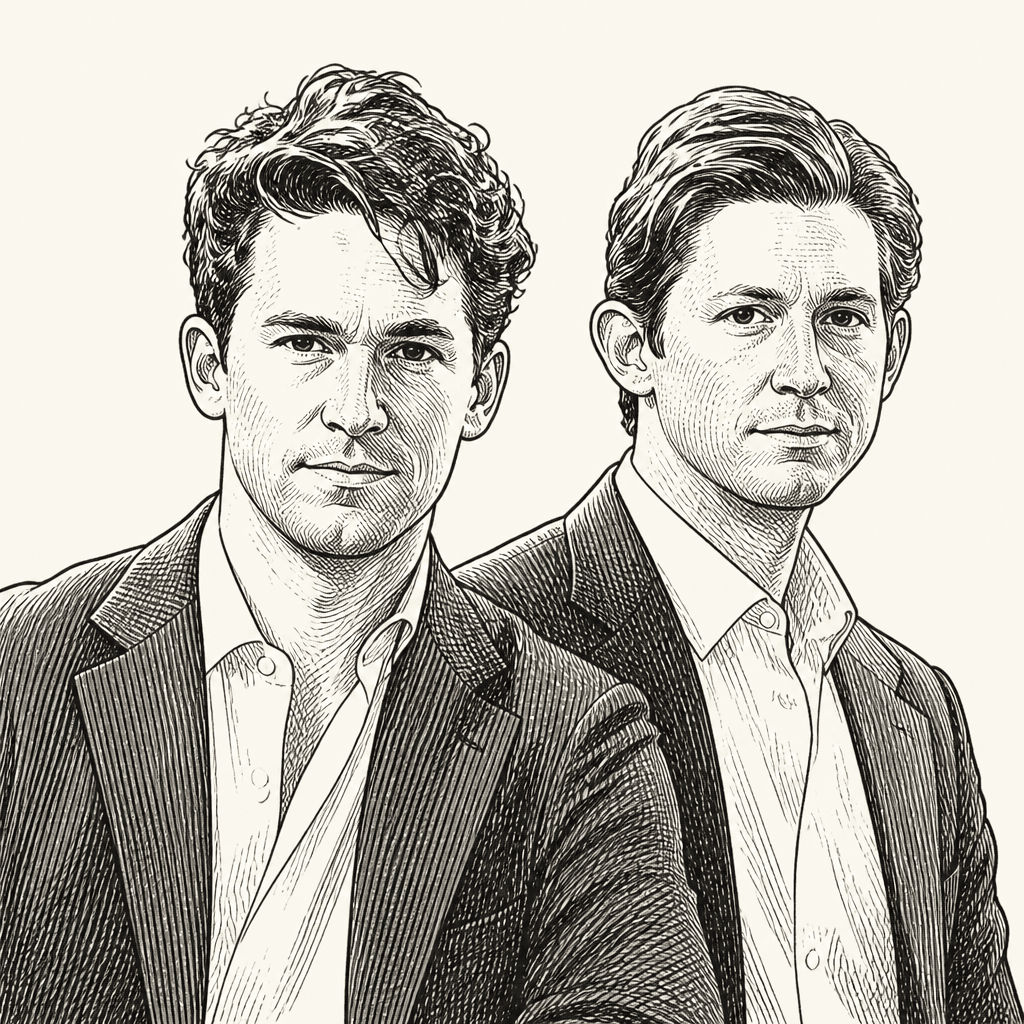
On TBPN, hosts Jordi Hays and John Coogan argue that Jensen Huang’s return to Nvidia as CEO answered the immediate leadership question but left the company’s deeper crisis unresolved. Hays says the board’s reversal should not excuse Huang’s mistakes or Nvidia’s weak succession planning; Coogan emphasizes how difficult the company may be to run without him. With the investigation unfinished and questions about governance and Washington’s role still open, they say Huang’s reinstatement is no reason for Nvidia to move on.
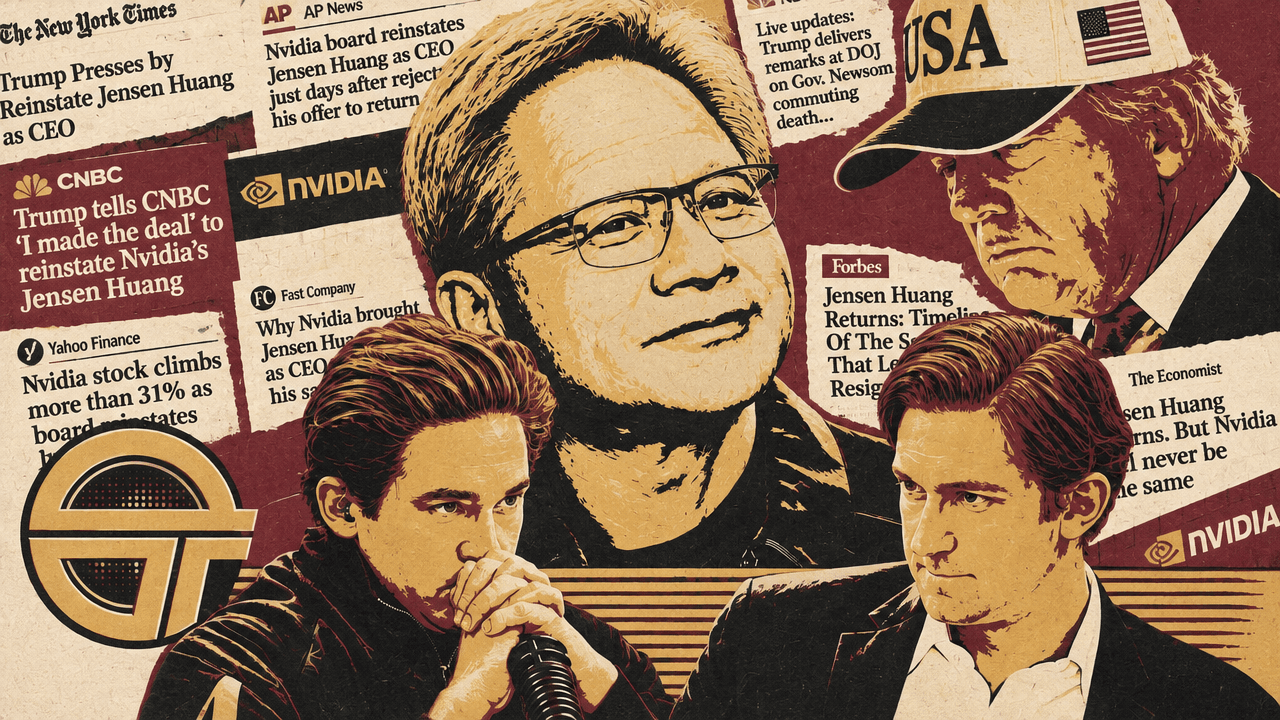
Huang’s return settled the immediate leadership question, not the crisis
Jordi Hays saw Jensen Huang’s return as reassuring in the short term for Nvidia, the US technology sector and startups. But the board’s unanimous decision to restore him as CEO, president and a director—11 days after his resignation—did not settle the investigation, the company’s exposure to Washington’s policy decisions or its dependence on one leader. Hays called the crisis preventable and said Huang had made serious mistakes. His return, he argued, was not a reason to celebrate and move on.
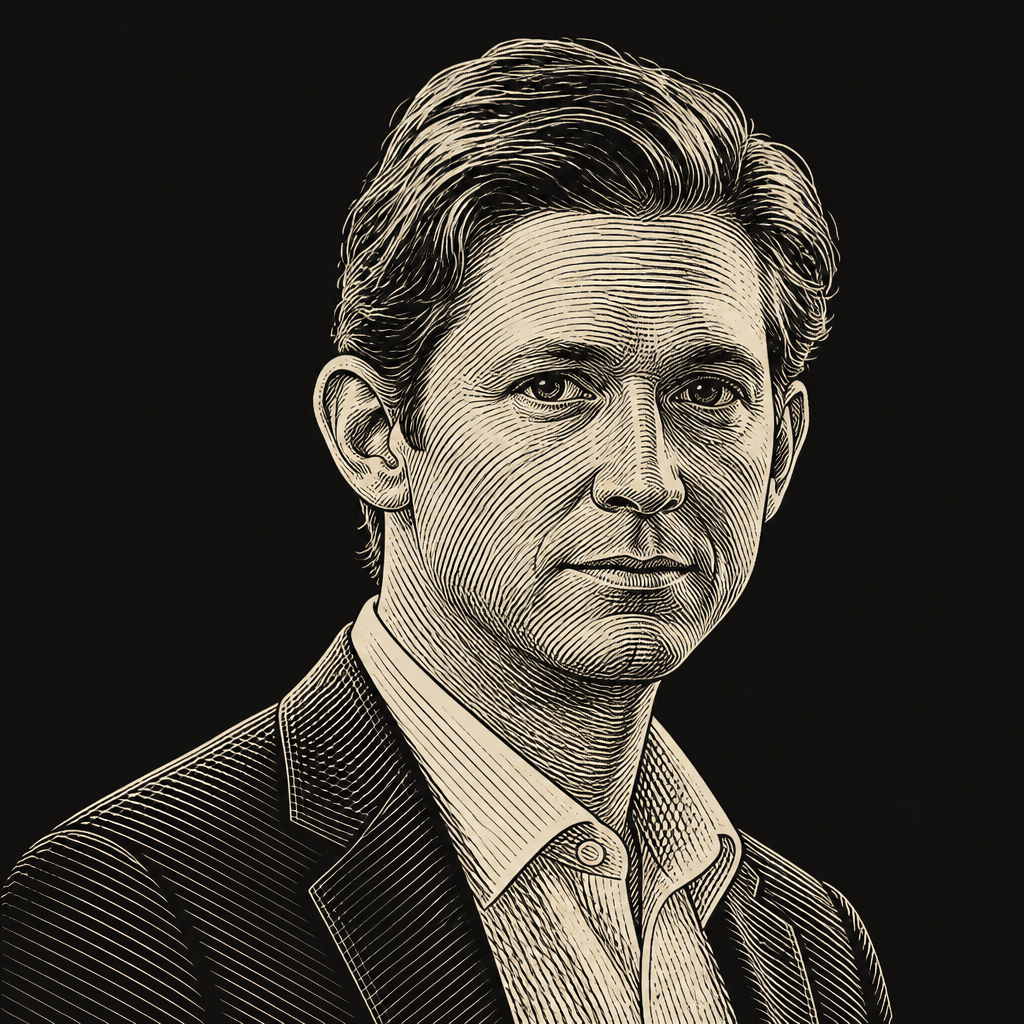
John Coogan said he had not expected the reversal. The hosts recalled prediction markets putting the chance of Huang’s return at around 10%. Hays’s point was that people can mistake a 10% probability for no chance at all, even though events with that probability do happen. Coogan compared the 11-day absence with Sam Altman’s four-day return to OpenAI and Steve Jobs’s 12-year return to Apple. Huang got three positions back, not only the CEO job.
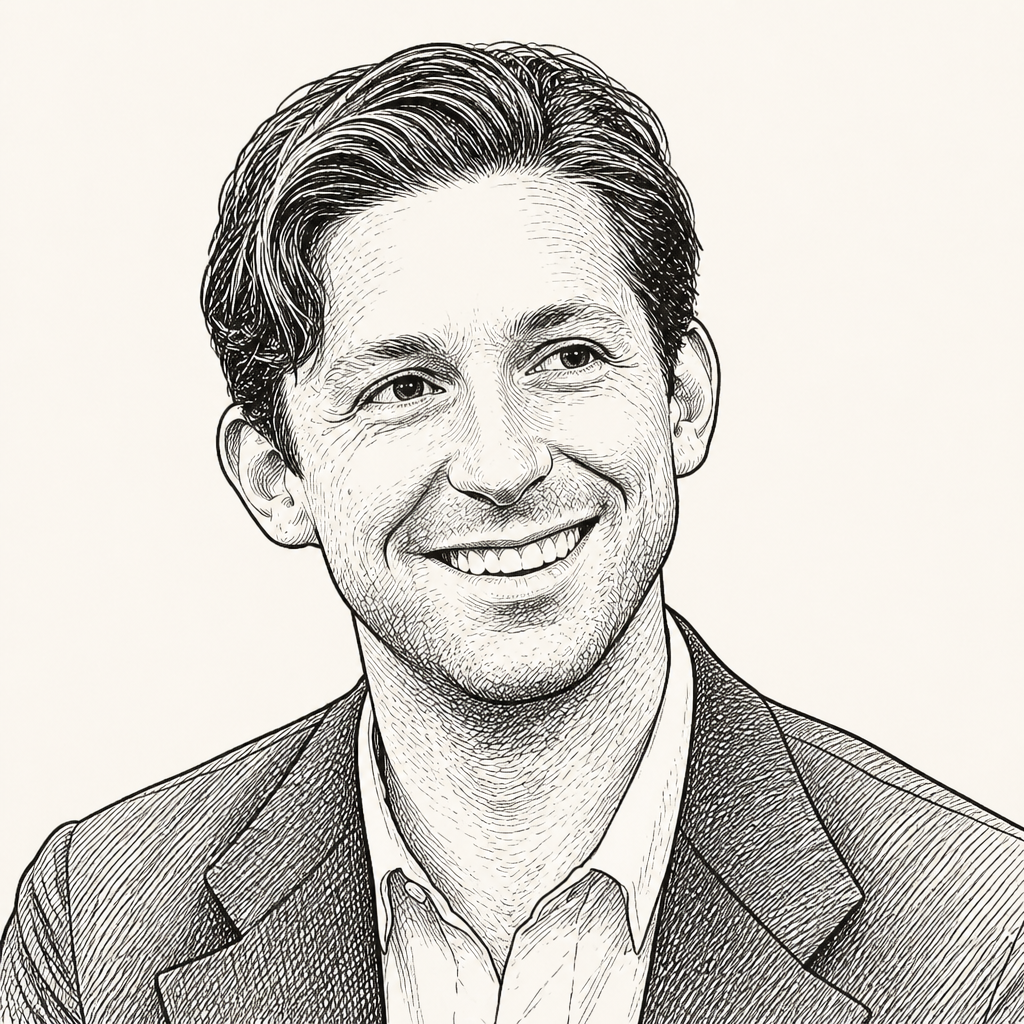
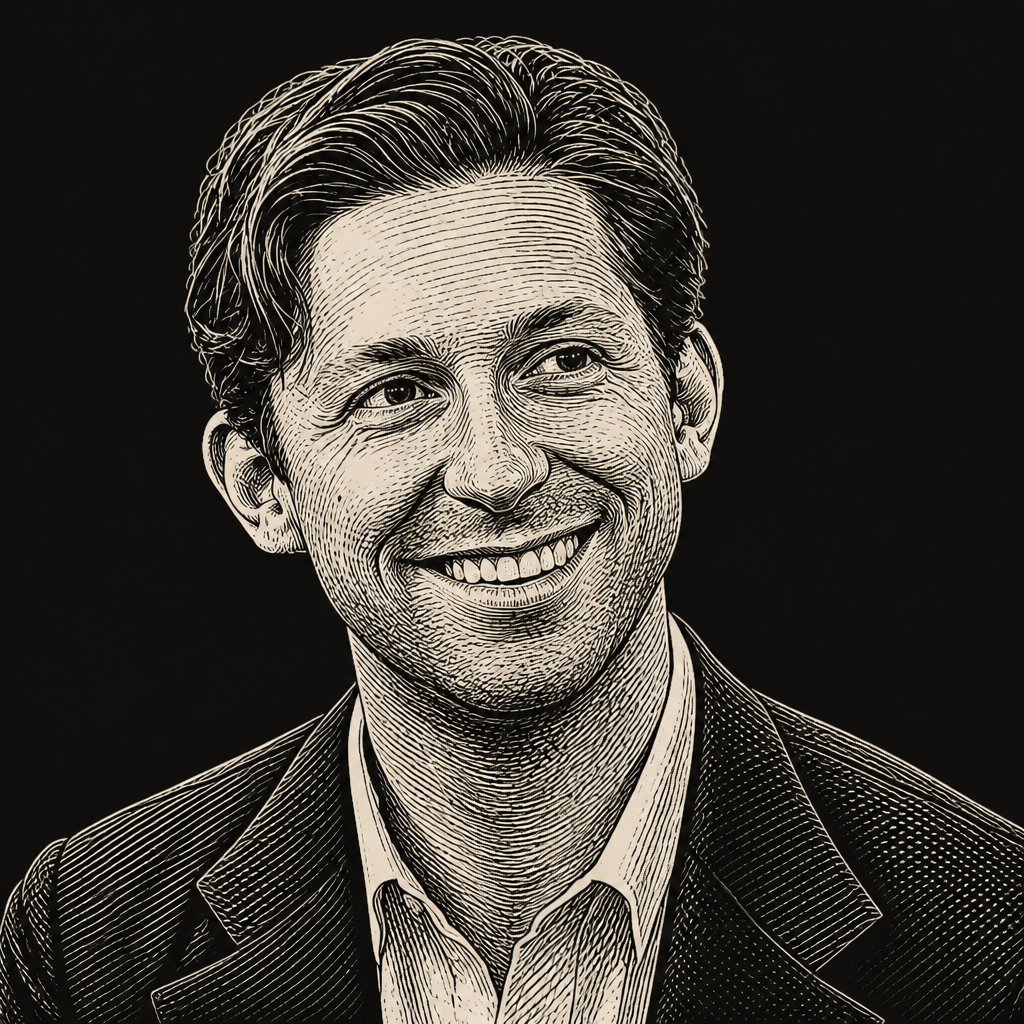
Washington appeared to be involved, though the extent was unclear. Coogan said Trump had posted memes about Huang and appeared either to have called into, or to have been represented in some way at, a Sunday board meeting. Coogan said reporting indicated that much of Nvidia’s executive team was excluded and that the interim CEO had apparently been blindsided. He described the stakes as shifting toward national-security and geopolitical strategy, rather than remaining solely a private company’s leadership decision. Coogan said US officials had decided that bringing Huang back posed no national-security risk; that was his account of the officials’ position, not a finding established in the discussion.
Coogan also summarized a Eurasia Group report that distinguished three possible kinds of intelligence ties: an agent whose primary work is espionage; a willing source who provides information on an ongoing basis; and someone who might provide information under pressure. As he described the report, it argued that allegations concerning Alice Wang did not fit the first category, while suggesting she might fall into the third. He cited her public social-media activity as one reason the report questioned whether she was operating as a conventional spy. The hosts did not resolve the underlying allegations.
For Hays, the outcome remained troubling. He said Huang had appeared to believe he was untouchable, despite having many enemies, and called his conduct a series of unforced errors. He also warned that restoring a founder without resolving the governance questions could reinforce the idea that rules do not apply to visionary leaders. In Hays’s view, that precedent could matter beyond Nvidia when Washington turns its attention to other founders.
Coogan said Nvidia’s stock had risen 30% on the day of Huang’s return but remained down 22% over the preceding month. Hays said his concern was broader than the share price: Huang would likely have to spend substantial time in Washington, and the underlying issues were still active. He described the return as a possible bandage on a situation that had exposed systemic risk in the Nvidia trade. The immediate leadership question was answered; what caused the crisis, and what might follow from it, were not.
China policy and open-source AI leave the rules unsettled
Hays’s central policy question was whether Huang’s return involved concessions about China. He said Nvidia seemed to have followed the letter of the law without accepting its spirit. Coogan suggested a possible understanding might amount to an instruction to follow both. Hays’s response was that the rules should not remain a matter of an informal handshake. He wanted greater clarity about the future of the Chinese market and Southeast Asia more broadly.
The question mattered to Hays partly because he saw the return as initiated from Washington. He wondered whether it came with a new understanding of how Nvidia would operate in those markets. The discussion left the substance of any such understanding open. Hays’s concern was that expectations about Nvidia’s conduct could shift without a clear public account of what the rules would be.
The hosts connected that uncertainty to the debate over open-source AI. Hays said open-source models had lost a prominent champion during the turbulence, even as he pointed to recent releases from Thinking Machines as evidence of continued activity in the field. Coogan expected open-source AI to become less popular, particularly if cybersecurity incidents were blamed on widely available models or on chips sent to China.
They offered competing accounts of cyber risk. Hays recalled investor Gavin Baker arguing that major cyberattacks had come from closed models. Coogan said that did not seem right to him. He pointed to people downloading the Artex model and causing harm, and referred to incidents involving a South Korean bank and a Japanese bank. His description did not establish the precise role of open-source models in those incidents; his broader concern was that the public could connect cyberattacks to open-source AI and react against the technology.
Coogan used a power-grid outage as an example of what might change public sentiment: people could ask why tools that enable cyberattacks were widely available. Hays acknowledged the appeal on the other side. Open-source AI is, in his words, pro-freedom and “cyberpunk in a cool way” because people can have intelligence in a box at home. Wider access also carries negative implications, he said, and he did not know the right answer. Neither host presented the tradeoff as settled.
Coogan cited a Bridgewater note that, as he described it, put the chance of a severely economically destabilizing cyberattack in the next 12 months at 30%. He framed the estimate as a warning based on trends, not as a “black swan”: he referred to increases in cyberattacks and zero-day vulnerabilities and said the note treated a destabilizing event as foreseeable. He argued that such an event could build public support for stronger measures against cyber threats.
He also described a Japanese government initiative that an unidentified participant called the “Top Gun” team at the Ministry of Economy. The participant said it had 10 billion yen allocated, which the hosts converted to roughly $63 million. Coogan characterized the approach as allowing authorities, if they suspected a server was being used to carry out an attack, to hack and disable it. The discussion did not establish the exact scope of the team’s authority. Coogan compared the idea to a targeted strike rather than assessing damages after an attack; Hays called it “stand your ground” on a digital surface. The exchange raised the possibility that efforts to disrupt cyberattacks could move governments toward direct operations against suspected infrastructure.
The investigation’s meaning shifted as the board changed course
Hays argued that Nvidia had time to manage the crisis differently. He recalled reporting about Alice Wang and Megaspeed the previous October and said the company had hired crisis-communications support the year before. In his view, management could have investigated and communicated earlier, rather than allowing the situation to develop into damaging coverage and Huang’s sudden resignation.
Coogan noted that Nvidia had begun an investigation but had not completed it. Hays’s criticism was that the company had had a year to prepare for the possibility that its CEO would become the focus of a scandal. He said there were ways to address the reporting without removing Huang from the company, and that management had seemed resistant to the situation until it became unavoidable. His point was not that the investigation had already reached a conclusion, but that the company’s handling of the crisis had left it reacting under pressure.
The investigation’s perceived stakes changed with the board’s decisions. Coogan read from a Bloomberg column by Matt Levine, who wrote that Nvidia had hired June Kim, a Wachtell Lipton partner and former federal prosecutor, on November 10 to conduct a “thorough and independent investigation” in light of reporting that Huang had been targeted by foreign intelligence. The board was expected to receive the report and use it to decide Huang’s future.
Levine’s analysis, as Coogan read it, focused on how the board’s position could affect the implications of the findings. Before Huang resigned, a report finding that he had done nothing wrong could have supported keeping him in his job. After his resignation, Levine speculated, a clean report could make the directors look as though they had forced out a founder and erased shareholder value without good reason. Coogan relayed Levine’s darkly comic suggestion that, after the board had removed Huang, the incentives around the investigation might point toward finding serious misconduct. That was Levine’s interpretation of the changed circumstances, not a description of the investigation’s actual remit or a claim that the investigators were directed to reach a particular result.
Huang’s reinstatement changed the scenario again. Coogan highlighted Levine’s possibility that Kim and the independent directors could conduct the investigation, find damaging information and lead to Huang’s removal a second time. Coogan said he was skeptical that anything would come of it, but the inquiry was unfinished. The board’s present confidence in Huang did not answer what the investigation might find or how the directors would respond. The hosts left open whether the resignation and return had changed the board’s willingness to act on whatever the inquiry concluded.
That uncertainty also made the directors’ own accountability part of the story. Coogan repeated Levine’s point that a finding of no serious wrongdoing could reflect badly on directors who had already forced Huang out; a finding of serious misconduct could raise questions about why the board had reinstated him. The discussion did not resolve what the board knew at each stage or what it should have done. But the sequence left the directors facing a decision whose consequences could be judged against both their earlier removal of Huang and their subsequent restoration of him.
Huang’s operational value is not the same as a sound succession plan
Hays called Huang one of technology’s greatest founder-CEOs, while arguing that the crisis exposed a weakness: the absence of other exceptional people able to see his blind spots and act where he could not. Huang’s record, in Hays’s view, did not erase the need for stronger people around him.
Coogan argued that Nvidia’s 42,000 employees did not make Huang replaceable. Leading an organization of that scale requires breaking internal bottlenecks, managing politics and keeping teams working together; a large workforce does not automatically coordinate or ship on time. Coogan said that, based on conversations with people who supported Huang, the ability to make a very large organization move was a central part of his value. This was an argument about operational leadership, not simply a claim that Nvidia had no capable executives.
Coogan said the market’s reaction suggested investors doubted that another executive could wield the organization in the same way. He said Nvidia had pointed to finance chief Colette Kress and discussed outside candidates, but the stock continued to fall during the 11-day period. In his account, those possibilities did not reassure investors. The point was not that Nvidia lacked talent, but that investors were unconvinced someone else could coordinate the company as Huang did.
Hays saw a governance risk in treating Huang as indispensable. If Nvidia is too important to fail, he argued, its leader has a responsibility to make it less dependent on him. People who had urged the board to bring Huang back should also press him to change how he operates the company. The return, Hays said, could not simply mean accepting the mistakes because Huang was important. He framed succession as part of the company’s obligation to its wider role in the American technology sector: if Huang were to leave again, the business should not be left without a credible way forward.
Coogan raised a complication. A leader without formal control may have little incentive to build a succession structure that could make him easier to replace, while a founder with durable board control might have more reason to prepare a strong organization for the future. Hays countered that Nvidia’s dependence on Huang was itself a reason to plan for a transition, including the possibility that he might leave again or lose his role. The exchange did not settle whether founder control encourages stewardship or entrenches dependence. It distinguished two questions: why Huang might be unusually effective at running Nvidia now, and whether the company is responsibly organized for a future without him.
Coogan floated an “Nvidia Academy,” by analogy with Apple’s leadership training, as a way to pass on a founder’s operating principles. Hays’s broader point was that Nvidia’s legacy should not rest entirely on Huang’s continued presence. Coogan’s account of Huang’s value helps explain why the market reacted so sharply to his absence; Hays’s concern is that this same dependence makes succession and stronger internal checks more important, not less.
The public welcome did not answer what the board still had to decide
Coogan described a Truth Social image attributed on screen to Donald Trump, depicting Trump embracing Huang, who held an Nvidia flag. He also described a video of employees applauding Huang in the company’s headquarters atrium. Coogan said the welcome appeared warm and that Nvidia employees he followed had posted excitedly about Huang’s return. The display of support was visible; it did not establish that the investigation or governance questions had been resolved.
The hosts joked about Huang’s Fendi sneakers and whether his jacket was leather. Coogan said Huang still had the aura of a rock star, while joking that he might have to earn the leather jacket again by getting the stock back to all-time highs. That levity sat alongside a more consequential point in the discussion: the return was being received as a restoration, even though Hays had argued that the underlying story was not over and that Huang might again face removal.
Coogan cited a post by Ross Douthat contrasting “one guy in a leather jacket” with mathematical breakthroughs as a measure of importance to the Nasdaq. He connected the point to the board’s choice: despite Nvidia’s claims about its AI capabilities, the company had not handed its relationships or strategic decisions to a model. In the hosts’ discussion, human leadership still mattered to the operation, and Huang’s role remained unusually difficult to replace.
Coogan also recalled Lloyd Blankfein’s observation that graveyards are filled with indispensable men, followed by the joke that someone might return from the graveyard if he were indispensable enough. The exchange captured the tension without resolving it: Nvidia’s reliance on Huang helps explain the decision to bring him back, but it does not settle whether the board should accept that reliance as permanent. Hays’s standard for the next phase was that the company make real changes in how it operates, so its future would not depend entirely on one person.