Anti Fund Raises $100M to Back AI, Defense, and Robotics
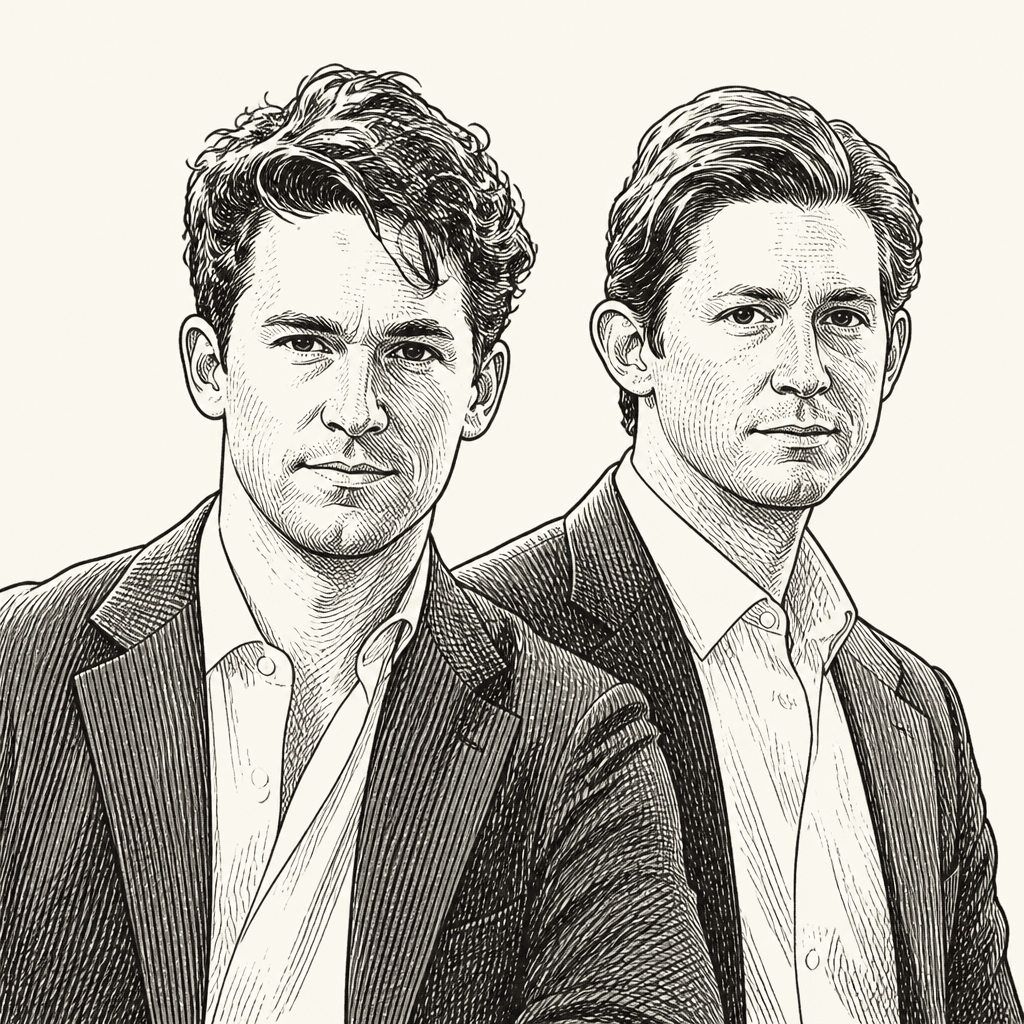
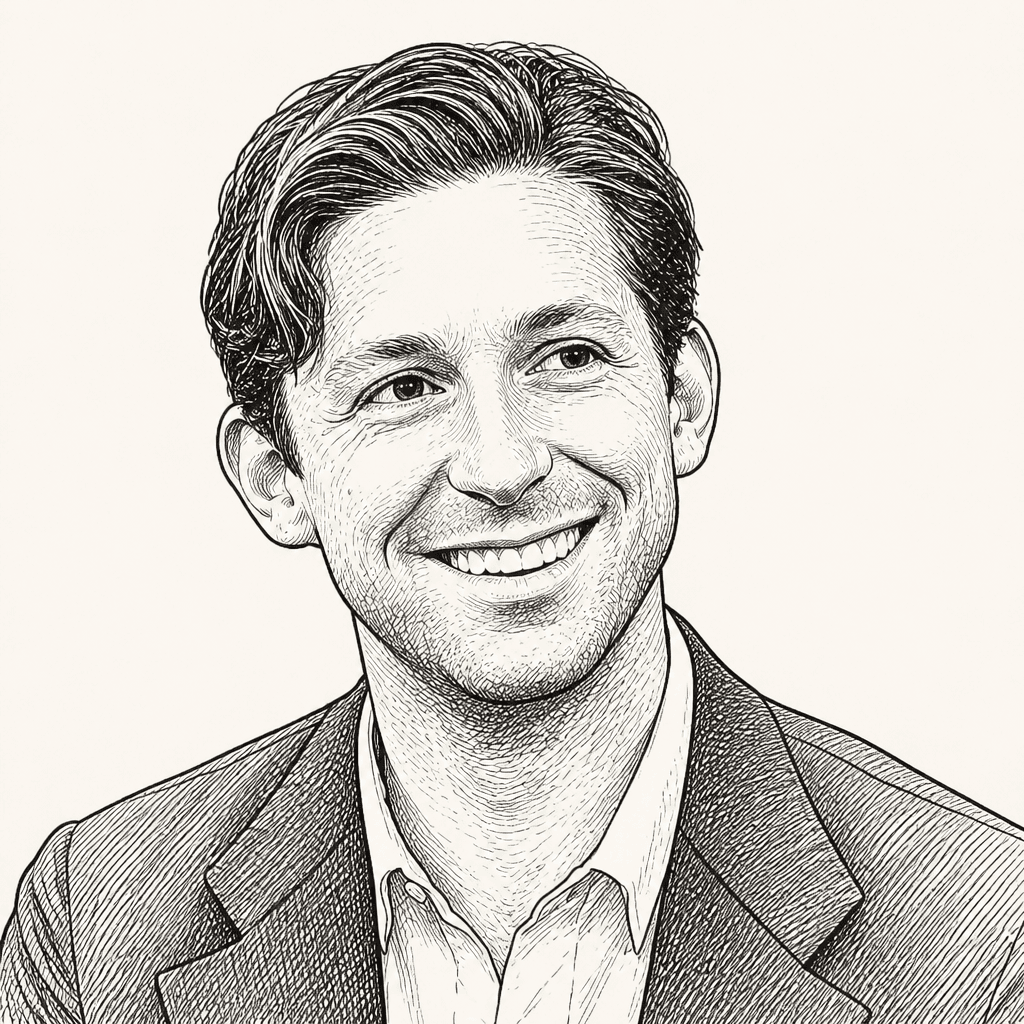
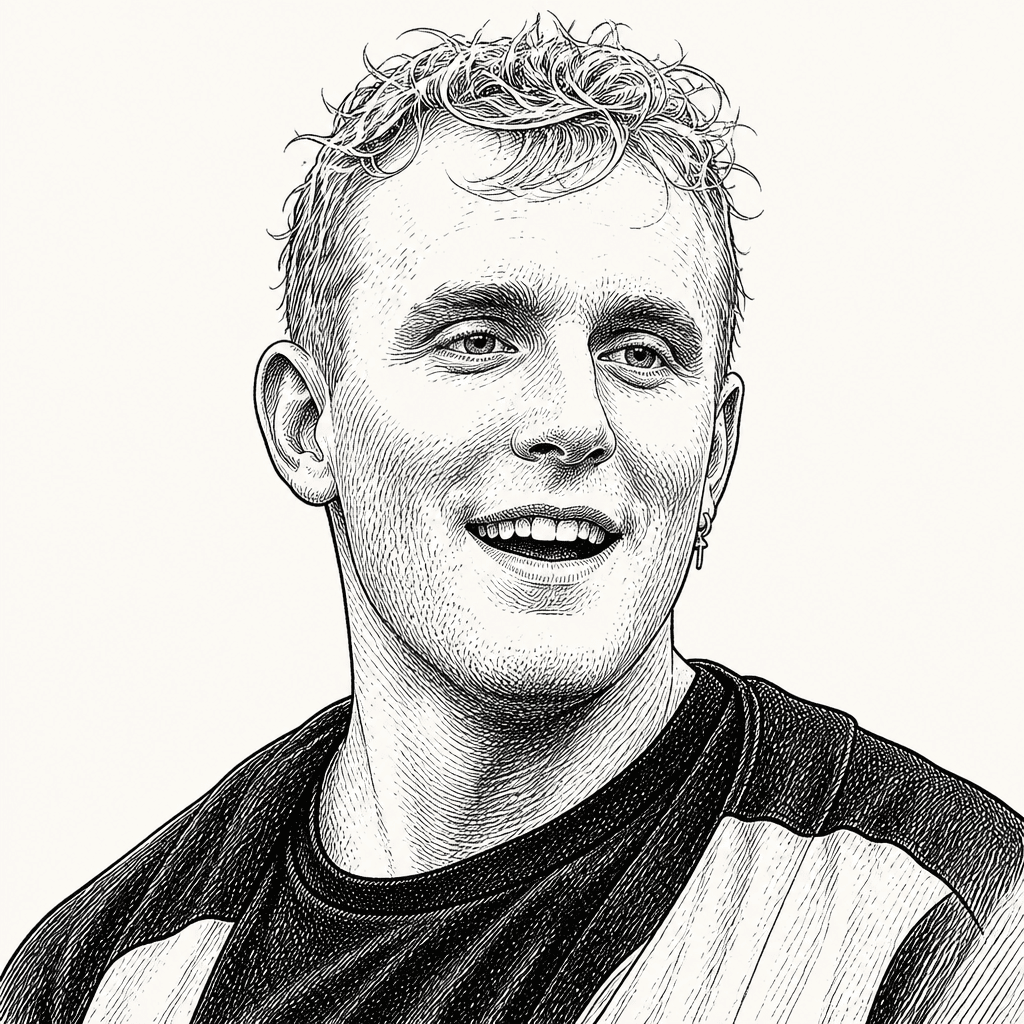
Jake Paul and Anti Fund co-founder Geoffrey Woo argue that their venture firm is moving beyond celebrity access into institutional frontier investing, with an oversubscribed $100mn-plus growth fund and a focus on AI, defense, robotics, energy, hardware and other capital-intensive technologies. In a TBPN conversation, Paul frames his media career and boxing promotion business as evidence that he can help technical companies build distribution, while Woo says the firm’s thesis is shifting toward AI infrastructure and the physical world.

Anti Fund is moving from personal capital and access toward institutional capital
Jake Paul described Anti Fund’s new growth vehicle as “100 million oversubscribed,” with a large amount of partner capital behind it. Paul said “a lot” of the money is the firm’s own, estimating the general partner commit at roughly 10% and then revising upward: “10, 12, 13, 14%.” The lead investor, he said, is Aquirian Holdings, which has backed them for a long time and “doubled down” into the growth fund.
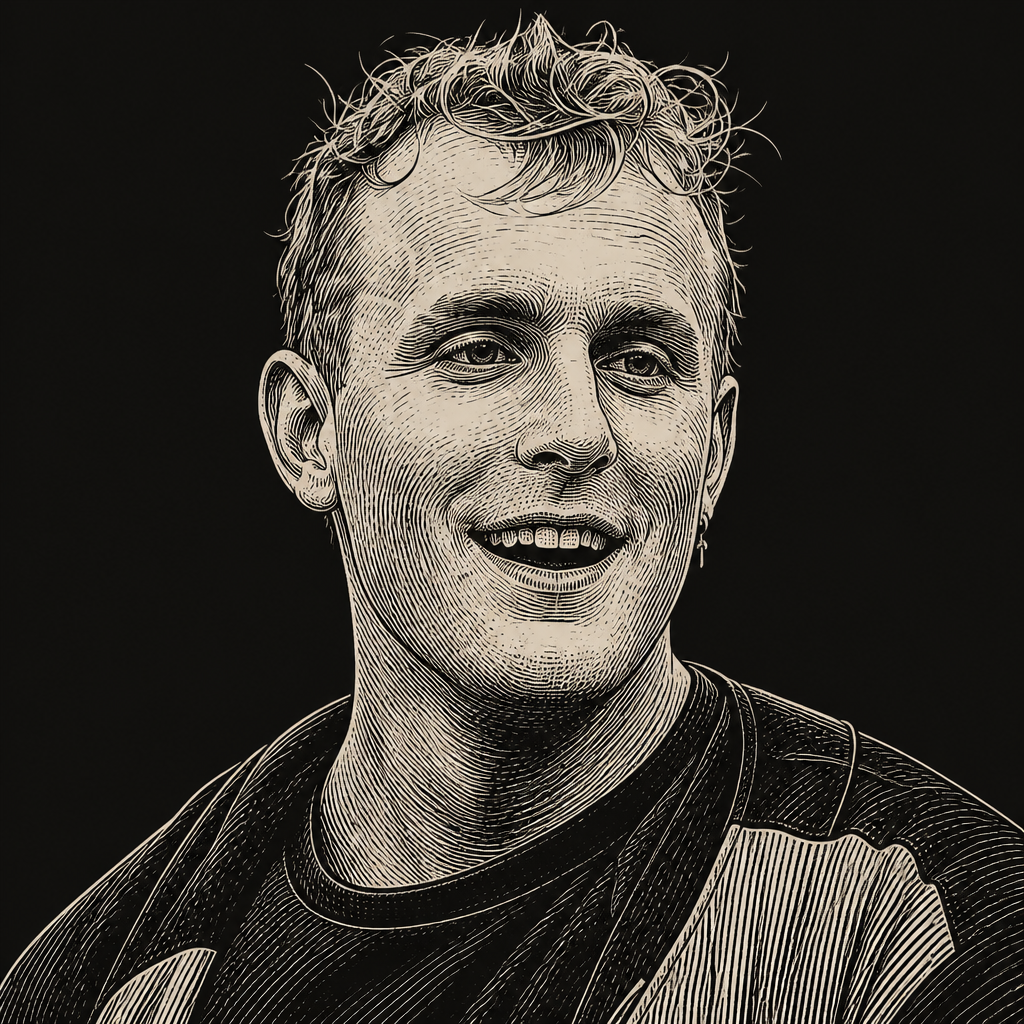
? geoffrey-woo framed the shift as a move from investing personal capital toward becoming a more institutional fiduciary. Aquirian, he said, manages more than $27 billion as an insurance holding company. The pitch to endowments and institutions, as Woo put it, is not just access or celebrity adjacency, but that Anti Fund can “compound money faster and better than other VCs can.”
The investing strategy, as Paul described it, is a barbell. On one side, Anti Fund writes larger growth checks into companies where access is scarce and where it believes the founder is the central underwriting variable. He named Palmer Luckey, Elon Musk, and Sam Altman as examples of founders he would not want to bet against. He also described working with Jared Birchall to get into SpaceX and xAI rounds, and said part of the attraction is the possibility of “fast DPI” and getting liquid relatively quickly.
On the other side is early-stage venture: taking risk on founders “from day one sometimes.” Paul said Anti Fund has fully deployed its first venture fund, is raising a second, is “pretty much fully deployed” on the first growth fund after roughly eight months of work, and is already moving toward a second growth fund.
Access is only one part of the firm’s claimed edge. Paul repeatedly returned to marketing as the practical service Anti Fund can provide to technical companies. In his view, many of the companies with the most sophisticated engineering have surprisingly basic user-growth instincts. “Pretty much everyone needs users,” he said. These companies may understand how to pitch investors, engineers, or direct customers once they are in the room, but struggle to tell a story that resonates outside a narrow technical audience.
You'd be surprised at the level of marketing knowledge that these companies have. It's like day one, very basic.
Paul’s diagnosis is that money and scale often make companies worse communicators. They raise large rounds, accumulate cash, and then default into corporate messaging: expensive commercials, polished brand campaigns, and language that does not travel. His counter-advice is often the opposite: scale down, become more relatable, and tell the story in a simpler way. He said the exact advice depends on the company, including whether the target audience is engineers rather than consumers, but that even a basic 30-minute marketing call can be useful to founders who have not built distribution muscles.
Paul treats media as a compounding distribution skill
Jake Paul’s claim to marketing competence rests less on a single platform than on repeated platform migration. He described moving from Vine to YouTube, Facebook, Snapchat, TikTok, Reels, and other formats over roughly 14 or 15 years. Snapchat, in his telling, was not just another posting surface: he and his brother Logan were early creators making full Snapchat stories, and Evan Spiegel invited them to Venice to ask how they liked the app and what should be changed.
Paul tied that history to the brands he has built or helped build: Betr, W, Anti Fund, and Most Valuable Promotions. He said he understands audience-building both personally and corporately. The core skill, as he framed it, is knowing “exactly how to talk to the audience and be relatable,” then translating that into brand growth.
The Vine origin story matters in Paul’s account because it connects competition, iteration, and monetization. He downloaded Vine on the first day it came out after seeing it promoted through Twitter, then began making videos in his school cafeteria and around school. He and Logan had already been making YouTube videos with a video camera, so short-form video was a natural extension. At first, the numbers were tiny: around 40 followers for Jake, around 20 for Logan. A brotherly argument over how to film a video turned into a competition when Jake mocked Logan for having fewer followers.
Paul said that rivalry changed everything. Logan began putting serious effort into Vine, Jake saw the quality improve, and both kept escalating. Within a couple of weeks, one of their videos went viral. They gained around 5,000 followers and felt, in Paul’s words, “famous.” More important, they believed they had found a repeatable level of effort required to make viral videos.
The business realization followed quickly. Paul’s first brand deal paid about $200 for a six-second video. At the time, he said, he was running a landscaping business and making $10 an hour. The contrast made the incentive obvious: digital attention paid better than working outside in the sun.
That history is also how Paul distinguishes owned distribution from borrowed fame. The competition with Logan has changed, Paul said. When they were younger, it was intense because there was no one else at their level in vlogging; they were each other’s benchmark. Now he describes the relationship as collaborative. Logan is a general partner in Anti Fund, they work together across projects, and each benefits from the other’s visibility. Paul summarized the family-media machine in a phrase: “the testosterone Kardashians” — a constant rotation of Paul faces across the week.
Capacity, in Paul’s account, comes from team, partners, and constant work. He said he has compounded every year since age 16, and credited people around him — including his videographer Gus and other team members — as “best in class.” He also cast himself as a “visionary” whose strength is seeing where attention and business are moving, then pivoting before the old playbook decays. Elon Musk is the model he invoked for operating across multiple large companies. Paul said he works around the clock, and that even when he is doing something fun, he is filming it as content.
Most Valuable Promotions is betting on women’s boxing and streaming distribution
Jake Paul rejected the idea that anyone can consolidate boxing into a clean monopoly. The sport, he argued, is too diversified: too many sanctioning bodies, belts, fighters, promoters, and managers. In his view, boxing will remain scattered.
Most Valuable Promotions’ answer has been to choose a neglected wedge. Paul described MVP as “the WNBA of boxing” because it has focused on women’s boxing and tried to corner that market. Amanda Serrano was the proof case he offered. Paul said they believed in Serrano from the beginning and helped take her from earning $500 a fight to $5 million a fight. Women’s boxing, he argued, deserved more promotion, and he said the fights are often more entertaining than men’s bouts — singling out Floyd Mayweather fights as less entertaining by comparison.
MVP now has, according to Paul, seven of the top ten pound-for-pound women fighters and roughly 40 women fighters overall, including up-and-coming talent. That roster is the niche he believes gives the company a structural position in a fragmented sport.
Distribution is the other bet. Paul said he saw boxing move through a TV era and then a pay-per-view era, and concluded that the next phase is streaming. Pay-per-view, in his view, has too much piracy and too many issues. Streaming subscriptions make fights more accessible: if a viewer already has Netflix or another subscription, the marginal decision is different from buying a separate pay-per-view event. He said he may still do pay-per-view fights at times, but sees the business moving toward streaming.
? geoffrey-woo added his own characterization of the Mike Tyson fight: it “broke Netflix,” he said, despite Netflix’s long-established engineering reputation.
Paul credited his MVP business partner, Nakisa Bidarian, as central to the company’s platform negotiations. Bidarian, he said, was CFO at UFC when it sold to Endeavor and helped lead that sale. Paul acknowledged that his partnership with Bidarian is part of his feud with Dana White, calling it “a sore subject” for White.
Paul’s explanation for MVP’s rise is that it behaves more like a startup than a legacy fight promoter. He said the fight world was “like taxi,” while MVP is “Uber.” The difference, as he described it, is not one grand innovation but execution discipline: treating fighters well, being on time, paying instantly, improving production, providing fighter kits, communicating quickly, and giving social media tips. He claimed fighters in the broader sport can fight and then not be paid for a year. MVP’s advantage, in his telling, comes from applying basic professional standards that he and Bidarian considered obvious but that were not standard in boxing.
We came into the world that was, I say it was like taxi, and we're Uber in the fight world.
That fighter-first posture, Paul said, is why MVP has been able to work with names such as Ronda Rousey, Francis Ngannou, Nate Diaz, and Mike Perry. It is also why Paul claims the company became the number one promoter in the sport in four years, despite competitors with decades in the business.
Paul is bullish on longevity, but not on replacing human sports
Jake Paul described the “America 250” event as a net positive for MMA and fight sports generally. He said Justin Gaethje’s win made him an “overnight superstar legend,” while Ilia Topuria’s path depends on how he comes back. Paul compared the brand dynamic to Conor McGregor, who has lost multiple times but retained attention because he keeps fighting, returning, and trying.
Asked about fighters absorbing damage that may stay with them forever, Paul said fighters are aware of the risk, but many are addicted to the sport and willing to sacrifice for the thrill, entertainment, and love of the game. He did not minimize the physical cost. Fighters know the sport is brutal, tough on the body, and potentially harmful long-term, he said, but many accept those terms when they enter.
Paul was dismissive of the Enhanced Games, saying he had “always thought it was dumb.” Jordi Hays and John Coogan pressed on the apparent spectacle of adding performance-enhancing drugs to Olympic-style competition. Paul’s objection was simple: the best athletes are not the best merely because of the substances available to them, but because of 20 years of dedication. He said there is no shortcut that replicates that.
Paul said he did not watch the event, had seen clips, and had heard the production was bad. He also said he heard no records were beaten until near the end and that some competitors not using performance-enhancing drugs beat runners, though he did not present that as a settled account. His more personal reference point was his fiancée, whom he described as an Olympic gold medalist who had recently won in Milan. According to Paul, she dismissed the idea that an enhanced competitor would beat her.
Paul is far more receptive to health-maxing, peptides, imaging, and longevity. The exchange around a new “imaging” or “medical” launch is unclear in the source: Coogan and Hays mention Midjourney while Paul uses it as a bridge to a broader point about the moment feeling technologically exciting. He recalled being in San Francisco with the Merge Labs team, where Alex Blania told him, as Paul relayed it, that “we’re all gonna live forever” by transferring minds into robotic bodies. Asked whether he believed that, Paul answered without hedging: “1000%,” then “100%.”
But he did not extend that techno-optimism to sports entertainment. Hays suggested that solving CTE or severe injury could expand the pool of athletes willing to participate in violent sports. Paul disagreed. If someone is afraid of getting hit in the first place, he said, they will not become a good fighter just because they could later transfer into a robotic body. More importantly, he argued that traditional human sports remain the better business model because story and shared constraints matter. People care that competitors are on the same playing field. Once robots, perks, or other enhancements enter, he doubts the audience will enjoy it as much.
On the narrower question of whether a humanoid robot could beat him in boxing, Paul conceded the practical point. If he is fighting a metal robot, he said, he would probably lose, and likely soon. Coogan joked about “the human spirit,” but Paul rejected that as an advantage against machines: a computer has no spirit and feels no pain. To him, the image is “I, Robot in real life,” and he said it is already happening.
Anti Fund’s frontier thesis runs through AI, compute, energy, and atoms
John Coogan asked whether Anti Fund’s current thinking favors software-only singularity-style bets or the harder frontier categories: bio, health, defense technology, hardware, robotics, and other areas that may not yet have obvious product-market fit or billion-dollar ARR.
? geoffrey-woo’s answer was both, but with a strong AI orientation. Anti Fund, he said, is “pretty AI maxis.” It is in OpenAI, then looks down the AI stack: inference providers, models, and semiconductors. He named Etched, an inference ASIC company, as one of the firm’s investments. He also said Anti Fund had just invested in Helion, a fusion company.
Woo’s view is that a large part of the software game may be won by a small number of very large players: OpenAI, Anthropic, SpaceX, Google, and perhaps companies such as Cognition. Coogan described that as the power law being realized. Woo tied the concentration to capital intensity: compute and models require enormous amounts of capital, and the models keep getting bigger.
I think getting into atoms is more and more important going forward.
That pushes Anti Fund toward the physical world. Woo said they were visiting El Segundo after the show, and identified defense tech, robotics, and manufacturing as increasingly important. Bio crossed with AI is another area he sees as early. He said they had been texting with Sam Altman, who characterized the category as still early rather than already having obvious winners. For Woo, the next wave is likely robotics, hardware, and bio.
Jake Paul’s framework for celebrity brands is much more skeptical. He said Anti Fund is often not excited by them unless the celebrity is at the Kardashian level. The firm has become more selective because, in Paul’s view, the upside in tech and software is larger than in consumer packaged goods. He returned to the fiduciary frame: whether for outside investors or their own money, the question is where time is best spent.
Woo sharpened the distinction. Celebrity, in his view, is a distribution solve — but only a partial one. Coogan added that distribution is not converting a million people once; it is a flywheel that must keep growing and reinvesting. Woo agreed and said product is most important: the right market and right product matter first, and distribution is gasoline on the fire.
That is also why Woo sees Paul as unusual among celebrity entrepreneurs. Many celebrities became famous by singing, dancing, or playing a sport from a young age, without having to hustle for a first brand deal or learn how to tell a business story. Hays added that many well-known people do not own their audiences. Someone who has posted every day for 15 years has a different asset than someone whose visibility is mediated by a league, label, or studio.
Woo used NFL players as the example. Their faces may not be recognizable because they wear helmets, and the NFL owns much of their distribution. Internet-generation creators, by contrast, have been speaking directly to audiences every day. Paul, in Woo’s view, combines both types of distribution: mainstream reach through Netflix and professional athletics, plus what Woo described as roughly 200 million followers across channels. The investment question, as Woo framed it, is how to monetize that combined internet-and-mainstream opportunity set.
Haters are not noise in Paul’s model; they are distribution
John Coogan asked whether haters are a source of strength, referencing Alex Karp’s claim that AI leaders have only haters and no fans, while Karp at least has both. Jake Paul’s answer was immediate: “100%.”
Paul said he does not think anyone who does big or good things in the world avoids haters. In his case, he said, they were present from the beginning. When his first Vine went viral, people at his school started hating instantly. He said he does not remember life without them.
His framework is explicitly algorithmic. Good news travels fast, he said, but bad news travels faster. Haters may say negative things, but people often remember the name and face more than the content of the criticism. From there, the creator or entrepreneur can decide what to do with the attention.
The arithmetic, as Paul presented it, is simple: if 10,000 fans are talking and 10,000 haters join them, 20,000 people are now contributing to clicks, views, conversation, and trending dynamics. Haters are “adding to the algorithm.” He also argued that the biggest and best-known people in the world are often among the most hated.