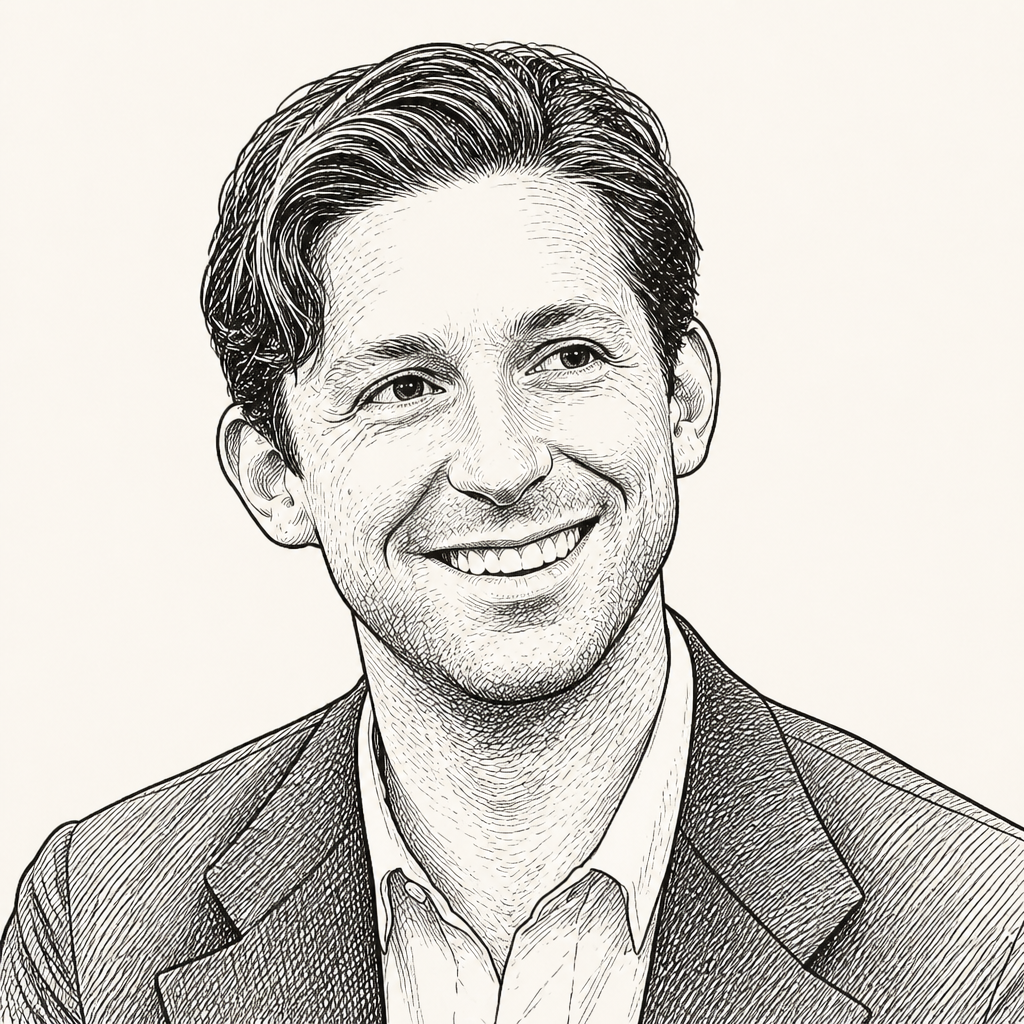
Travis Kalanick Sees Jensen Huang’s Return as a Fight Over NVIDIA’s Future
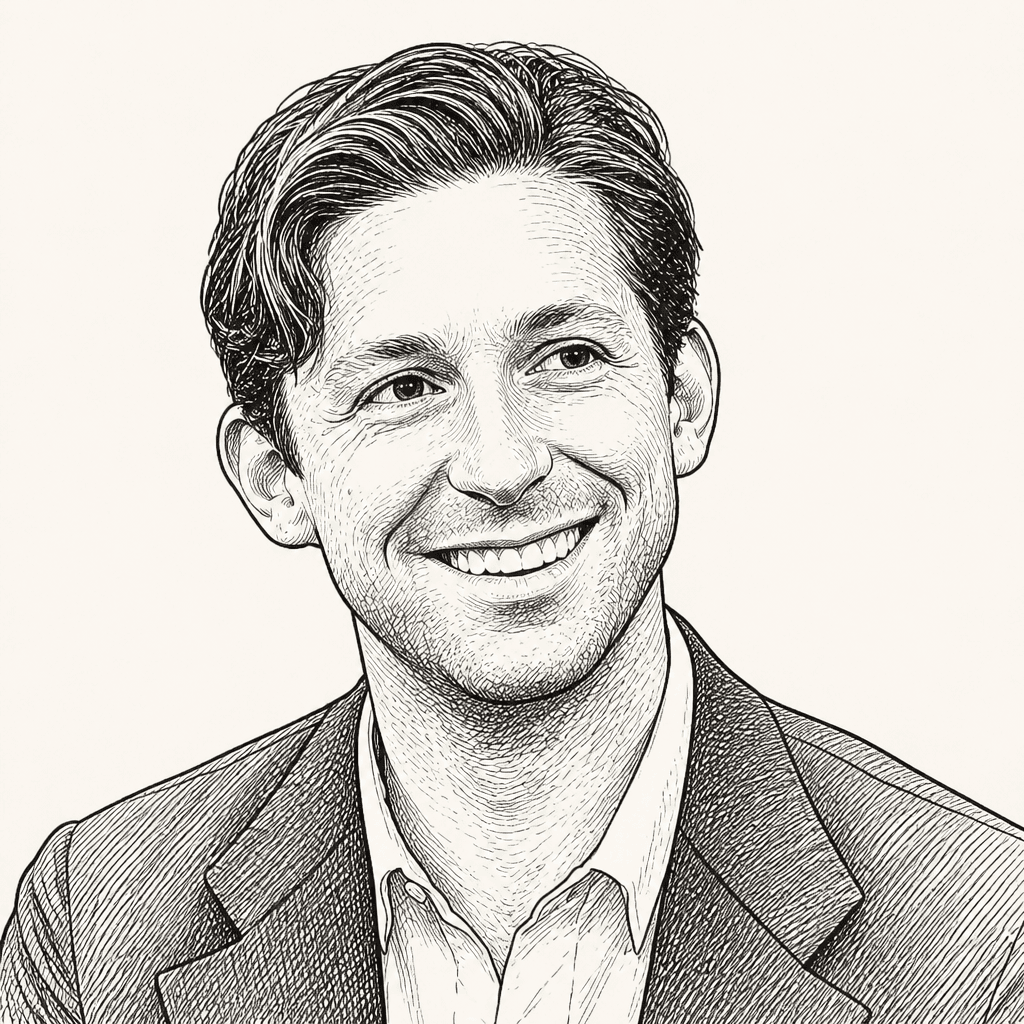

Travis Kalanick argues that NVIDIA founder Jensen Huang should return to the company, saying the allegations against Huang have been framed as part of a coordinated campaign and that accepting responsibility for personal failings need not mean accepting claims he considers false or leaving NVIDIA. Drawing on his own experience with public attacks, Kalanick recommends a deliberate response rather than reacting to each new development. He also warns that a contested departure could give a successor and board incentives to resist Huang’s return.

Kalanick sees a campaign in the timing and framing of the allegations
Travis Kalanick says he recognized the coverage around NVIDIA founder Jensen Huang through what he calls a “sixth sense,” developed after his own experience with repeated attacks. He describes six months of them arriving about once a week, often on Sunday nights. The regularity, he says, left him waiting for the next message from his communications team and anticipating the stress that came with it.
Kalanick applies that experience to the allegations involving Huang. He says the claims combined some truth with a misleading account of what happened. The hosts distinguish allegations about affairs—which Hays identifies as a thread of truth—from the claims involving Alice Wang, Alibaba and export controls. On the latter, Kalanick questions the implication that an introduction to Alibaba made Wang a spy. He says the introduction occurred before the relevant export controls and challenges what, in his view, the story established about illegality.
Kalanick’s argument is not that every underlying detail is invented. He says such campaigns can contain “some thread of truth” while distorting the nature of what occurred. His concern is that, under pressure, a person may start treating the crowd’s interpretation as objective truth. His first principle is to acknowledge what one actually did while refusing to accept half-truths or take responsibility for actions one did not commit.
Own what you did but fiercely resist accommodating the mob.
He also says the attack should be understood in relation to the people who might use an event as an opportunity. Hays notes that information about the matters under discussion had been available much earlier; Kalanick agrees and asks why an earlier short-seller report did not gain traction while later coverage did. He suggests that someone who passed along the earlier material might have helped set later events in motion without knowing it.
He would answer an attack from a war room, not a bunker
Travis Kalanick says his own response to the attacks he describes was too defensive. “I did the turtle shell thing,” he says, withdrawing and responding to each development as it arrived. He would not recommend that approach. Instead, he advises assembling a war room and deciding strategically what to answer, what to leave alone and when to move forward. The alternative, in his account, is a cycle of reacting to one item at a time.
He describes the cost of that cycle in physical terms. On Sunday nights, a text from his communications person saying they needed to talk could bring back the expectation of another painful round. He calls it a Pavlovian response, trained by repetition. In a joke that conveys the lingering association, he says that if someone texts him now asking for a call, he wants them to rate its seriousness from one to ten.
Kalanick says he published twelve principles for defending against an operation, but the interview develops only some of them. Alongside owning what happened without absorbing claims he considers false, he names a principle that “no matter how bad it gets, nothing is as bad as it seems.” He presents that idea as part of a sequence: first establish what you will and will not take responsibility for, then work out how to respond. He also says a person needs to identify their enemies and understand that an event may be useful to them.
That distinction between responsibility and capitulation informs his comments about Huang’s response. Coogan asks whether Huang might have acted earlier after hiring crisis-communications support, perhaps by taking a leave of absence. Kalanick calls this part of his response speculative. He says Huang is a very good person and suggests that personal failings may have been especially devastating for him to confront. He says there is no shirking responsibility. But accepting responsibility, in Kalanick’s reasoning, should not mean concluding that Huang should leave NVIDIA permanently. He says what Huang needs to do next is find the best version of himself, and insists that letting the company go to “the suits” is not it.
Kalanick says a contested founder departure is unlike Apple’s planned succession
Travis Kalanick says the comparison with Apple after Steve Jobs’ death, raised by Jordi Hays, helps explain why he sees Huang’s situation as different from an orderly succession. He says Apple’s transition was planned and optimistic. The company did not turn against Jobs or seek to remove people associated with him; it celebrated what he had built. Hays adds that Apple University trained employees in Jobs’ methods and mindset.
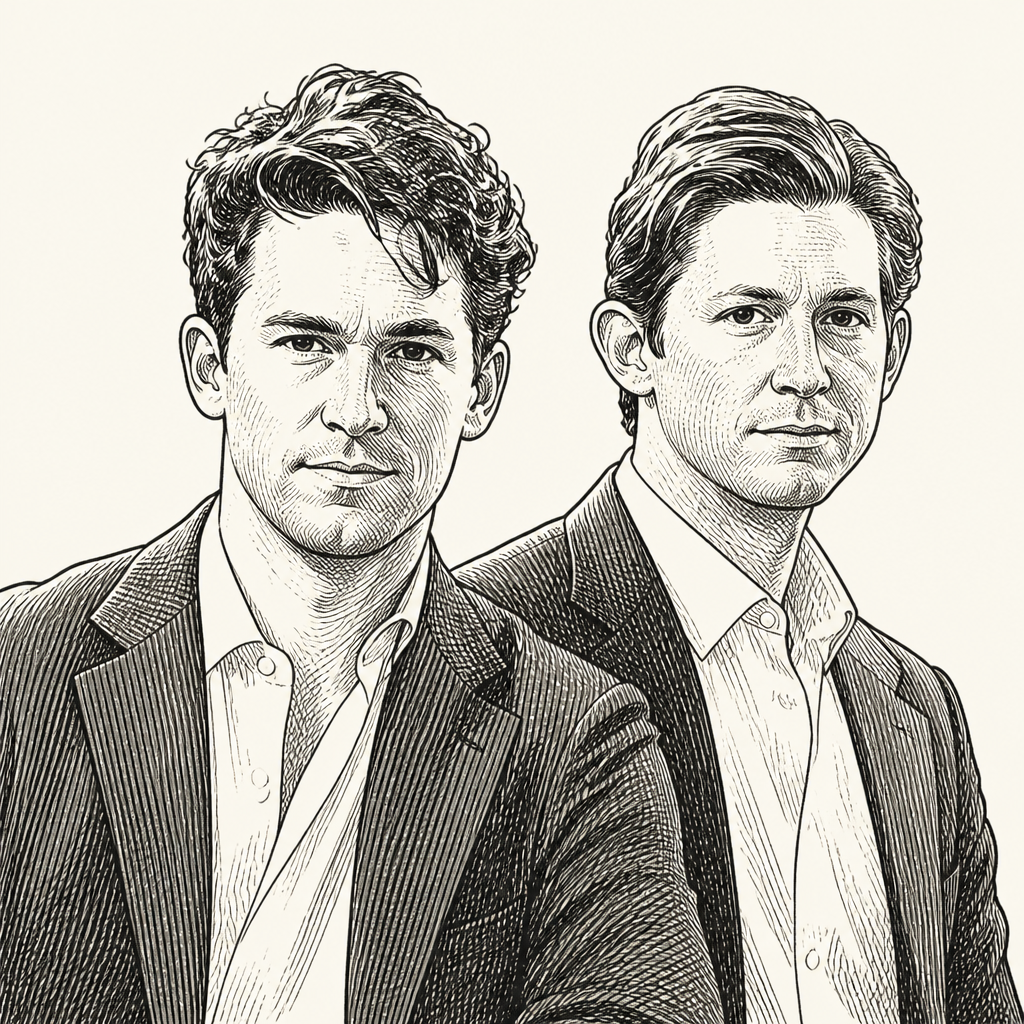
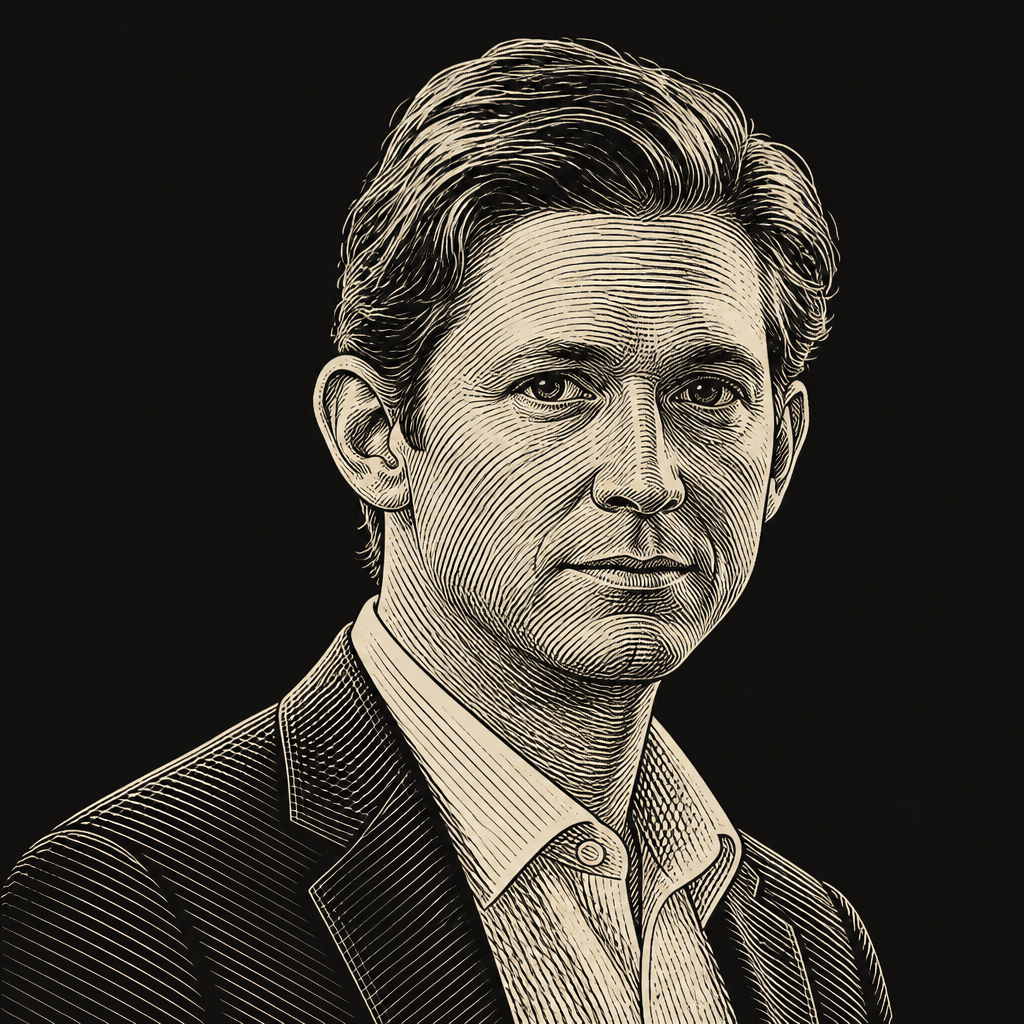
Kalanick’s concern is that a contested departure can create incentives that work against a founder’s return. In his account, a board that has brought in a new leader has reason to make that decision look sound. The incoming CEO, meanwhile, has a strong personal incentive to keep the job. Kalanick describes that as the new leader’s “number one KPI.” He reasons that this could make a successor resistant to Huang returning, even if employees or shareholders want it.
The outcome, Kalanick says, would depend in part on whether the incoming executive was empathetic and open to Huang’s return. If not, he says, supporters might have to turn to shareholder action, including votes on board members at the annual meeting. He says the meeting was expected in June and that some earlier action might be possible.
Kalanick is bullish on a return but says he cannot confidently assign a probability to it. He points to Huang saying he was willing to come back as the most important development: Huang, he argues, had now made clear that he was not ashamed to seek a return and considered it the right thing to do. That gives supporters something to organize around. During the interview, the hosts put prediction-market odds at 11%; Kalanick says he is still a buyer, while acknowledging that the situation is difficult to handicap.
He claims that most NVIDIA employees and shareholders—and “a majority of humanity”—would be excited to see Huang back. Hays points to NVIDIA employees posting public messages in support of his return. Kalanick says petitions are a start but that a walkout would be more powerful. He imagines employees leaving work and gathering at headquarters, joined by founders and other supporters. The megaphone, confetti and pyrotechnics in his imagined demonstration are playful elaborations; Kalanick does not spell out what a walkout would accomplish beyond making employee support more visible.
His support for Huang is tied to who gets to direct AI
Travis Kalanick gives several reasons for backing Huang: his belief that the coverage reflects an operation, his general support for founders, and his view that Huang is a good person who deserves support despite personal failings. He then widens the issue to the future of AI. The question, as he frames it, is whether people will use and benefit from AI on their own terms or be subject to an “overlord.”
That concern does not lead him to talk only about catastrophe. Referring to the film Her, he raises a different possibility: an AI that simply gets bored with people and leaves. He calls this an outcome people are not modeling, in contrast with the familiar prospect of AI causing human extinction. Coogan worries that discussion of superintelligence and rapid capability growth can become shorthand for Armageddon. Kalanick responds by criticizing what he sees as mixed messaging from AI leaders who warn that AI could kill humanity and then speak enthusiastically about building new technologies.
Kalanick connects that concern about human agency to Huang’s leadership: he says he does not want an overlord, and presents the ability to use and benefit from AI on people’s own terms as part of what is at stake in Huang’s return.
Atoms’ expansion plans meet a different local-politics problem than Uber faced
Asked about Atoms, Travis Kalanick says its mining business is going through what he calls “ultra hyper scale” and predicts it will be many times larger in twelve months than it was at the time of the interview. In food, he says, a factory to make food robots is planned for Pittsburgh in the first quarter. He expects the factory to enable production at scale and describes the robots as a way to help restaurateurs make a better living. He also mentions a planned “Robot Day” around the first quarter, without giving further details.
The hosts ask how companies can build local support for infrastructure. Kalanick calls concern that every town or state will reject data centers a “red herring.” He acknowledges that opposition can slow near-term plans for training models and running inference, but argues that the infrastructure will be built somewhere. He points to closed-loop water systems and the possibility of scaling energy supply. These are his reasons for treating local resistance as a constraint on timing and location rather than a barrier to the buildout.
John Coogan presses on whether Atoms should make its Pittsburgh factory a local cause, as Uber built support in cities where it operated. Kalanick agrees that the company should engage locally, but says the comparison has limits. Uber needed to be present in a city for residents to call a car; people can use AI without a data center in their own town. That difference, he suggests, makes the benefits of local infrastructure less immediate for residents—and makes it harder for AI companies to build local constituencies around it.