DeepMind Reorganization Leaves Alphabet’s AI Accountability Unresolved
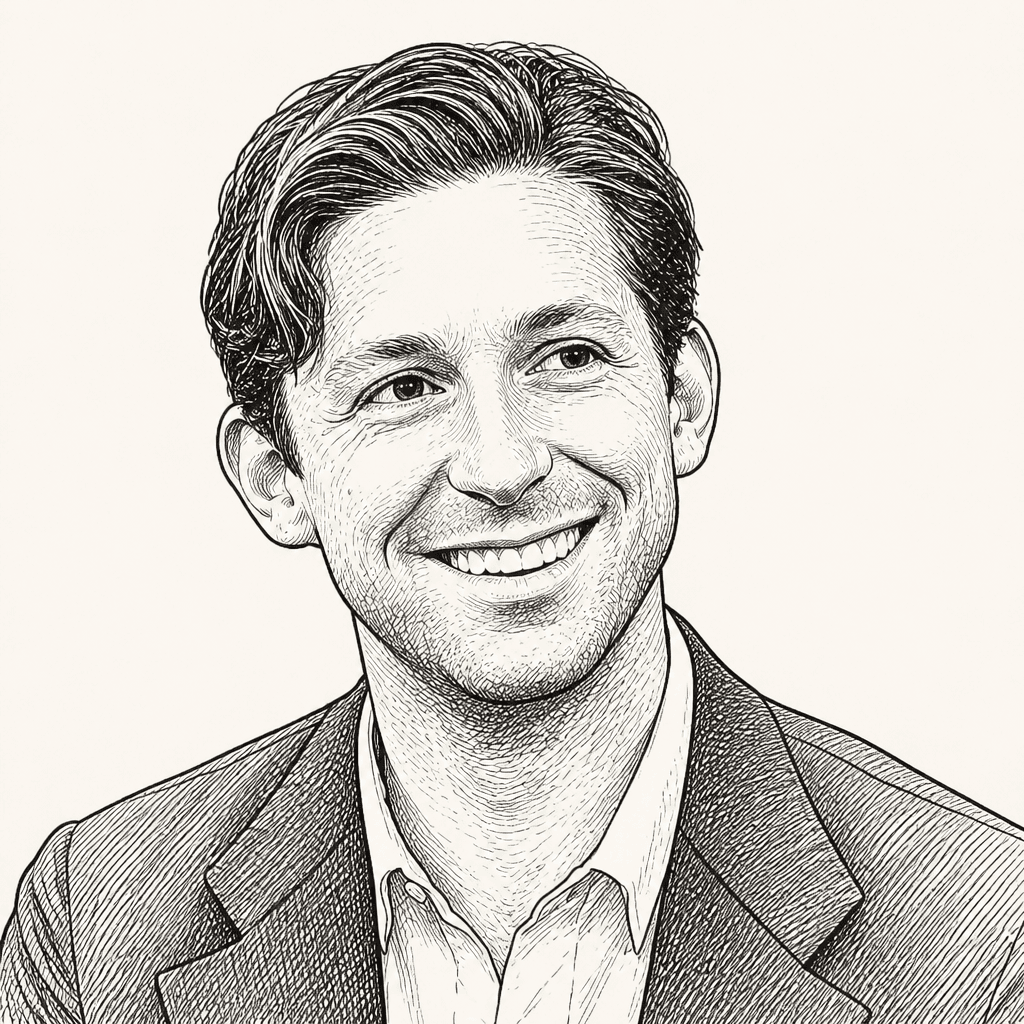
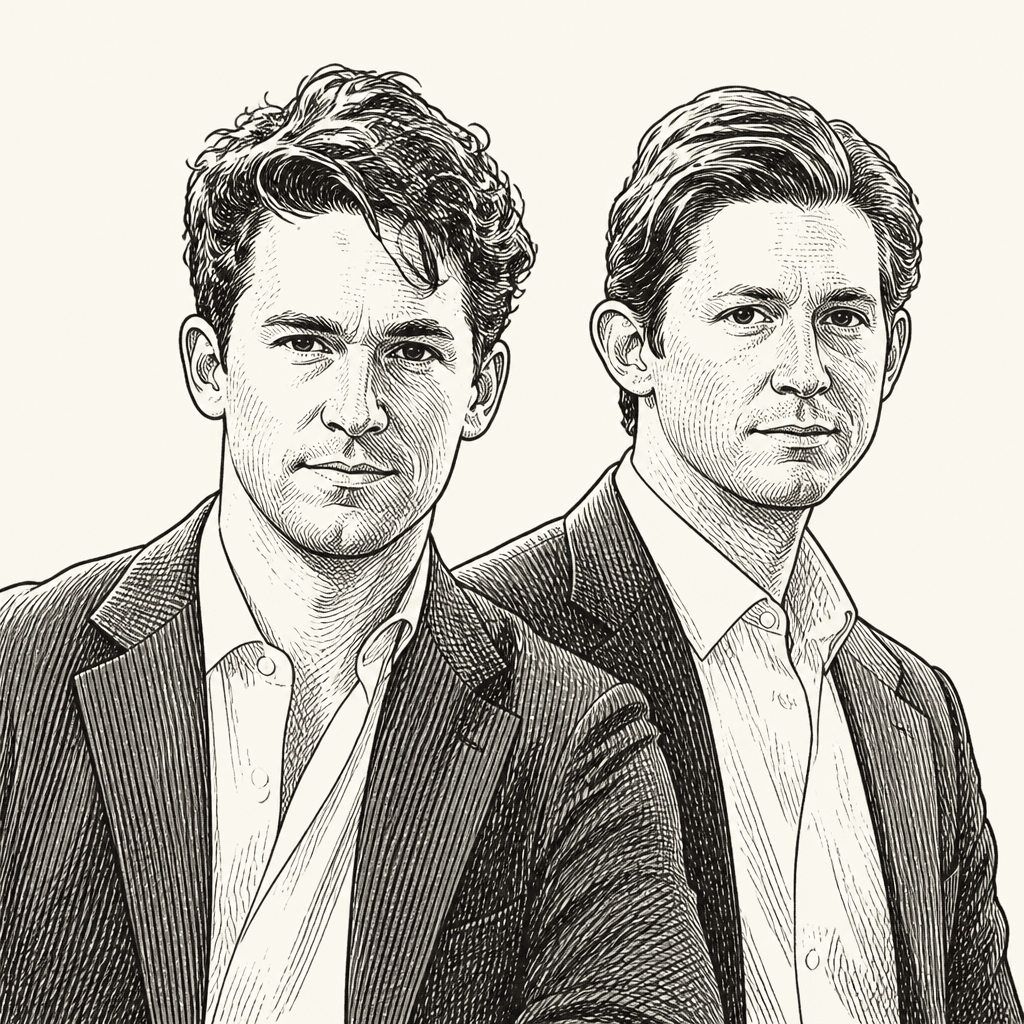
Alphabet’s decision to move Demis Hassabis out of DeepMind’s day-to-day leadership and install Koray Kavukcuoglu as operational head leaves its central AI question unresolved, John Coogan argues: who is accountable for aligning research, compute, product integration and recruiting. Coogan sees DeepMind’s cross-company role as a rationale for the new structure, while Jordi Hays argues that leadership departures and unclear commercial momentum raise doubts about Google’s ability to retain talent and compete at the frontier.
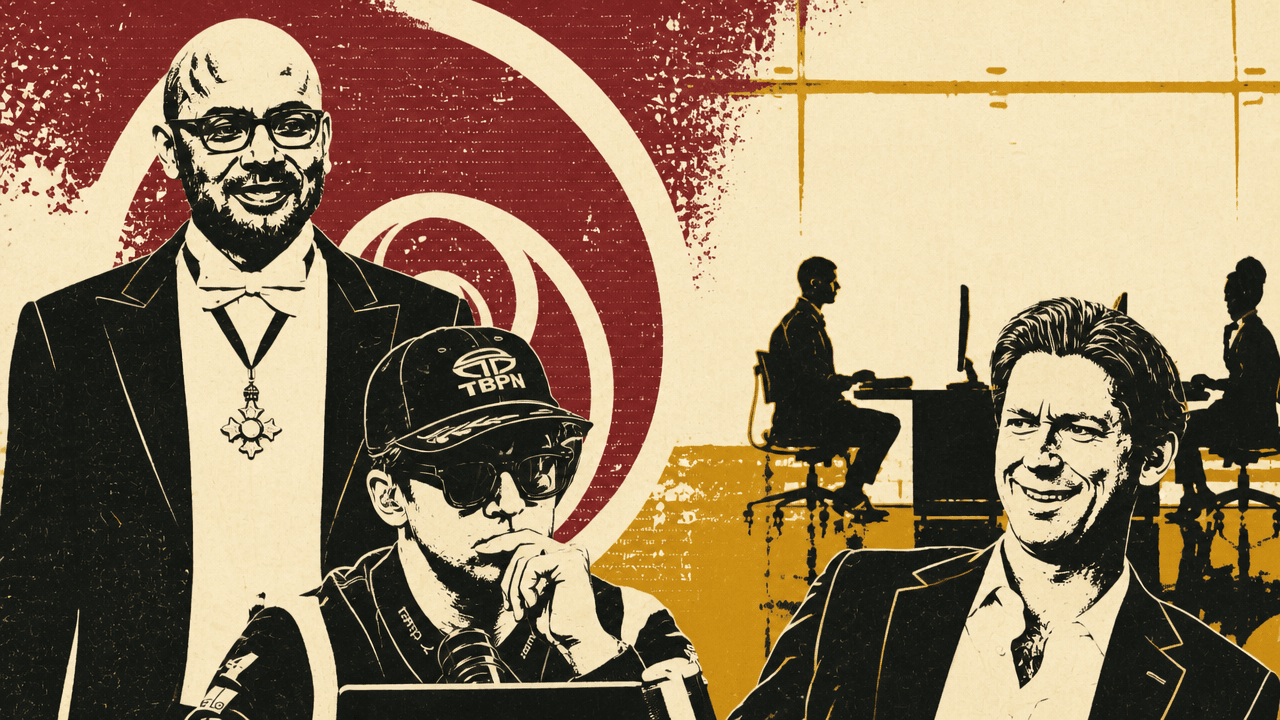
Alphabet has moved DeepMind’s operations while leaving its AI execution problem unresolved
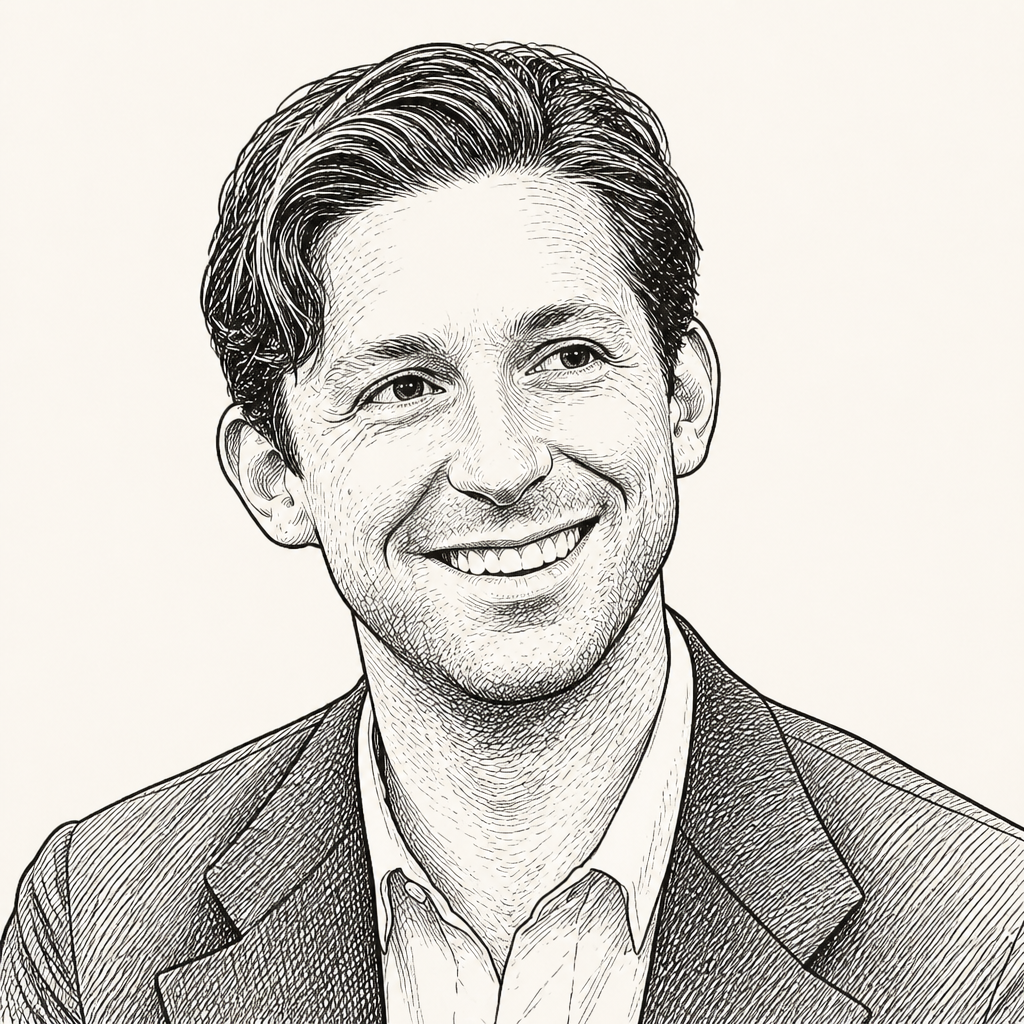
John Coogan framed the changes at Google DeepMind as more than a title shuffle. Demis Hassabis is relinquishing the day-to-day CEO role to become Google DeepMind chairman and Alphabet chief scientist. DeepMind CTO and Google chief AI architect Koray Kavukcuoglu is becoming senior vice president and will lead the organization. Google did not, however, name a new DeepMind CEO.
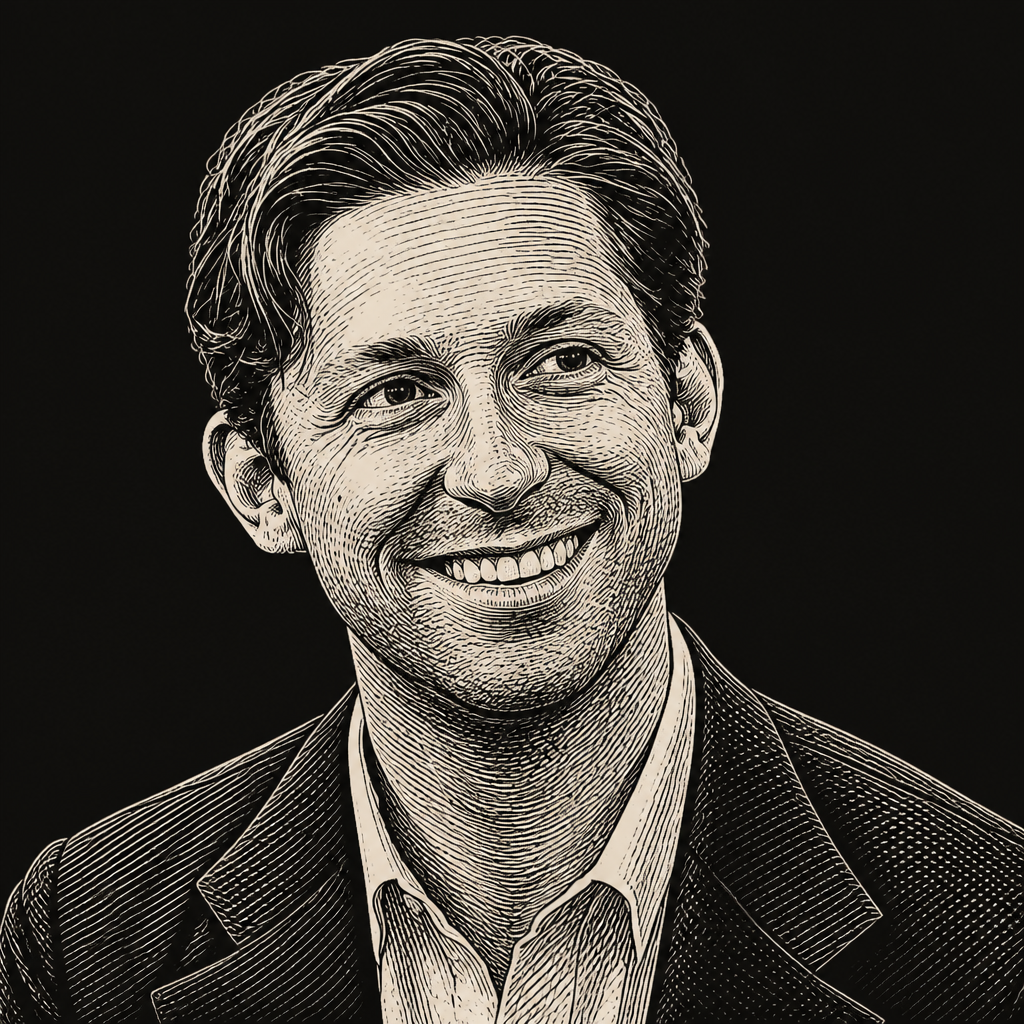
That structure reflects the way Coogan sees DeepMind operating within Alphabet. Unlike YouTube or Google Cloud, which have distinct products, revenue lines and executive owners, DeepMind’s research and models are distributed throughout the company. Gemini capabilities appear in Search, Chrome, Docs, Gmail and YouTube; the models support Google’s AI products, advertising and other services.
DeepMind was always a unit that sort of cut across everything.
Coogan’s example was YouTube’s Gemini feature, which can answer where a subject is discussed in a long video. That is DeepMind capability delivered through another Google product, rather than a standalone DeepMind business. In that reading, an SVP-led structure is not necessarily incoherent: DeepMind’s value comes from being integrated across Alphabet.
But the reorganization makes accountability more consequential. Hassabis will work with Sundar Pichai on “strategic and global AGI matters,” advise Kavukcuoglu and other DeepMind leaders, and focus on long-term strategy and scientific breakthroughs. Kavukcuoglu leads the operating organization. The unresolved question is who owns the decisions where research priorities, product integration, infrastructure allocation and recruiting pull in different directions.
Hassabis has described the transition as a way to create time and space for the big picture. He said he would lean further into Isomorphic Labs, where he said progress was rapid and promising, and reiterated his belief that AI’s foremost application should be improving human health. Coogan endorsed that test directly: a patient cured by a new cancer treatment is a clear demonstration that AI has delivered real value.
Jeff Dean’s departure intensifies the leadership issue. Dean, DeepMind’s chief scientist, is leaving after 27 years at Google to form a public benefit corporation with Google Senior Fellow Sanjay Ghemawat, aimed at accelerating discoveries in machine learning, science and engineering. Coogan dwelled on Dean’s unusual stature: a central technical figure in Google’s systems work, associated in the discussion with MapReduce and Google’s ability to scale infrastructure, and a non-founder whose reputation generated a long-running genre of programmer jokes.
Jordi Hays added Noam Shazeer’s recent exit to the picture. For Hays, the issue is not simply whether Google can appoint successors. It is whether the company can still recruit and retain the strongest researchers while recognizable AI leaders either leave or move out of operational command.
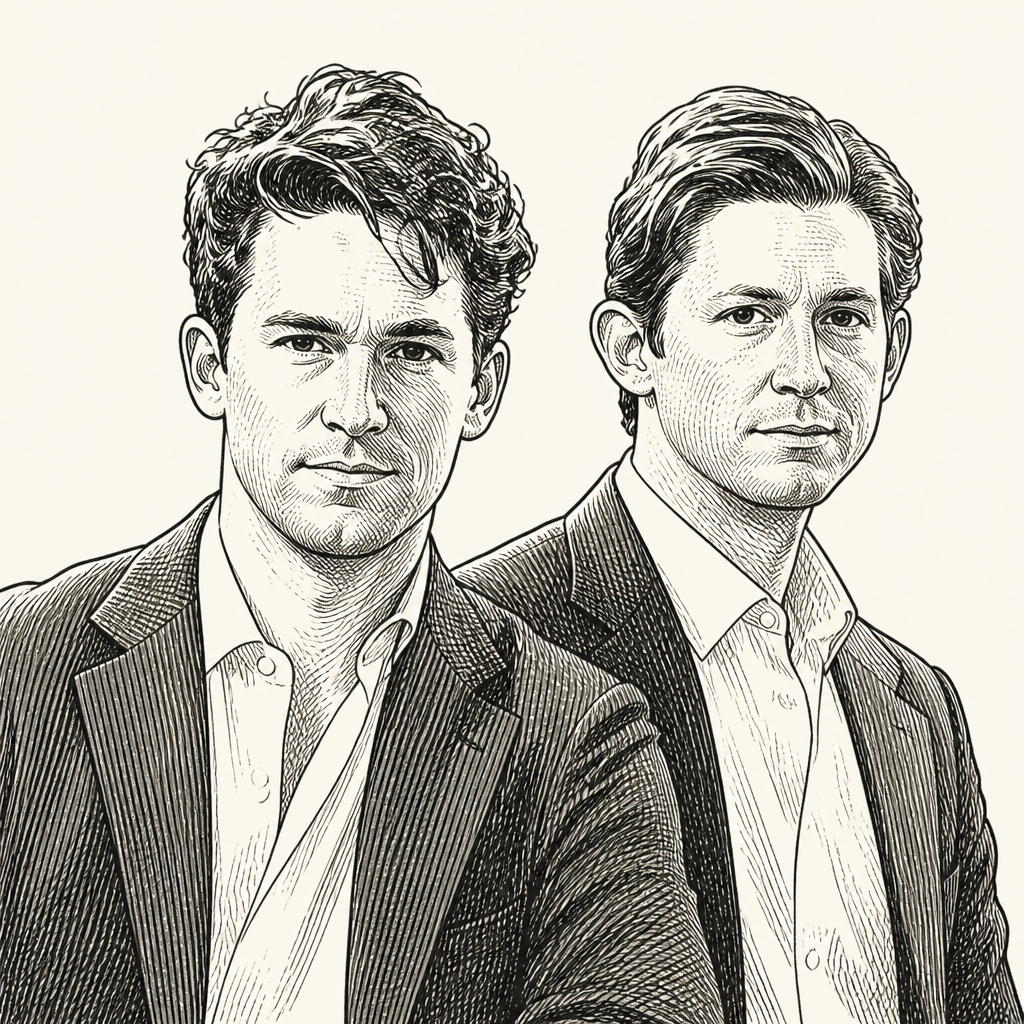
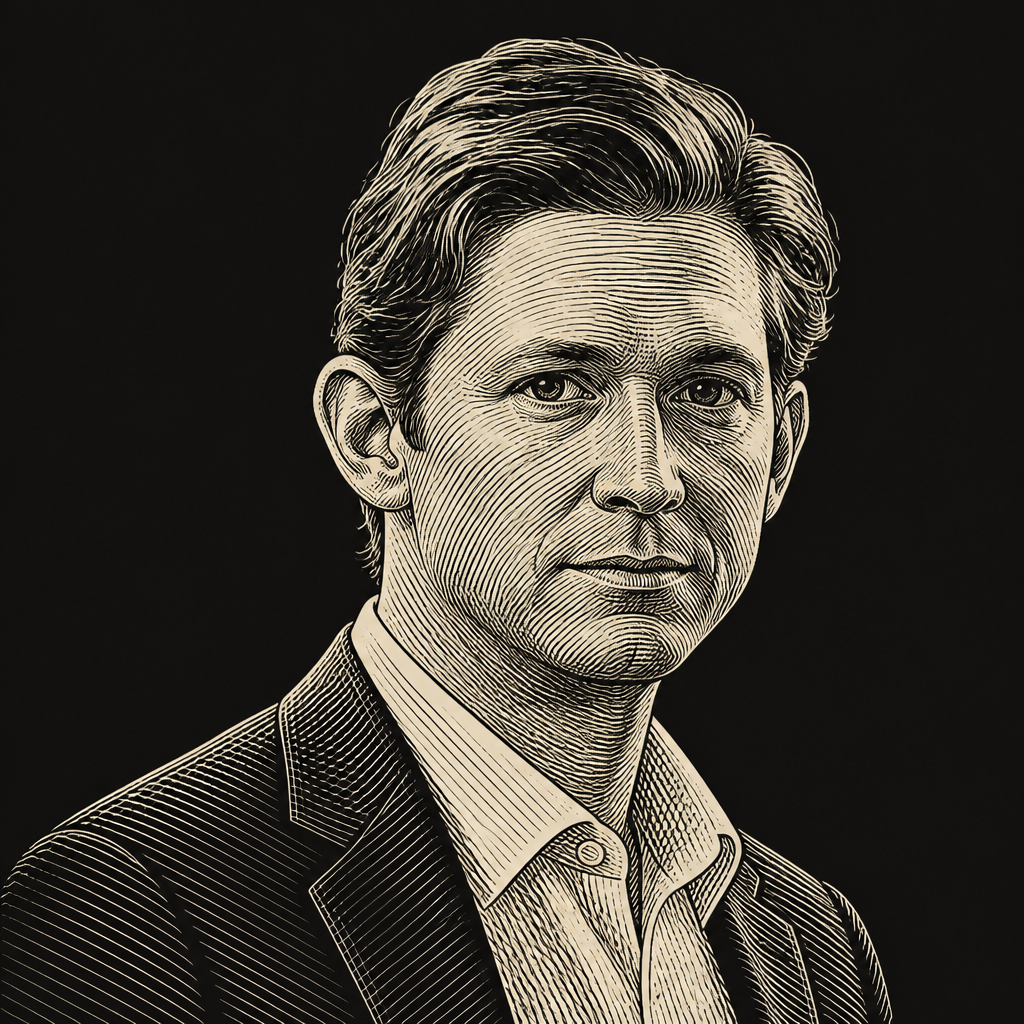
Hays’s view was that a shakeup had been expected. Google has contributed foundational AI research, has enormous distribution, infrastructure and capital, and has built notable products. Yet, in his view, it has appeared to lag for more than a year and has failed to turn earlier momentum into a durable story for shareholders. He particularly noted that Google has not broken out AI revenue in a way that makes its commercial impact legible.
Coogan resisted the more absolute diagnosis. Google has “completely got going,” he said, citing its video work and Veo 3. The disagreement is less about whether Google can make capable systems than about whether those capabilities have translated into a clear leadership position and sustained commercial momentum.
The hosts discussed Alphabet shares falling about 5% around the open before recovering to roughly 3.5% down. They treated that move as part of broader uncertainty over how Google’s AI advantages will be monetized and governed, rather than as a definitive verdict on the reorganization.
Compute illustrates the organizational tension. Google sells TPUs and cloud capacity while also competing to build advanced models. Tyler, a member of the production team, argued that a company convinced it was nearing a transformative intelligence threshold would want to preserve more compute for itself. Hays suggested that Google may not have been sufficiently “AI-pilled” to make that concentrated internal bet.
Coogan’s response was that Google is large enough to contain opposing mandates. One group may be evaluated on selling as much TPU capacity as possible to outside customers; another may want to reserve it for internal research and products. That is not necessarily a mistake, but it makes a single-minded frontier-lab strategy harder to sustain.
The hosts offered competing forecasts. Hays speculated that Alphabet could increasingly become a capital partner to other labs if its own frontier effort keeps losing ground, pointing to what he described as Google’s substantial Anthropic commitment. Coogan offered a less terminal version: Google could resemble Amazon or Microsoft, combining infrastructure, semiconductors and a strong commercial business with partnerships across the AI stack, rather than pursuing one fully integrated path to AGI.
Public frustration supplied a harsher account of DeepMind’s internal strain
Outside reaction ranged from skepticism to despair. Tenobrus wrote that Hassabis had been “ousted” and interpreted Dean’s independent venture as evidence that Dean had lost confidence in pursuing AGI at Google. Nathan Lambert called the moves a “major restructuring at Gemini” and wrote that the story would be studied as a case of an incumbent with every advantage failing to get going. Coogan pushed back on the latter claim: Google had got going, he said, even if it had not built the momentum Hays wanted to see.
The most pointed reaction came from Susan Zhang, who said she had been on leave from DeepMind since January. Her post presented an allegorical chronology: a “first big fail” in August 2024; the departure of an “only competent VP” in January 2025; a second failure in summer 2025; and executives who, in her account, were asleep, absent or unwilling to make hard choices.
If you’re high enough up there, you can pretty much be a terrorist and hold orgs hostage while continuing to ask for more and more and more, until there’s absolutely no more aura or gold left to plunder.
In a follow-up, Zhang said she had become burned out by people who “just say yes to everything to avoid ever making a hard call,” leaving “hungry minions to backstab each other until success finds a cursed hole to crawl out of.” The posts do not identify the executives or incidents behind the allegory. They nonetheless put a public account of internal frustration beside the formal leadership changes. Hays’s conclusion was blunt: the post did not make a return to the company seem likely.
The hosts also used a smaller AI Overview error as an illustration of the deployment challenge. Hays said Google’s product had confidently claimed that one acquaintance was married to another acquaintance’s wife. Coogan guessed that the system had fused names that appeared together in online material. For him, the harder problem is getting AI Overviews into a reasoning and fact-checking mode that reduces hallucinations; Hays added the economic constraint that any such process must be cheap enough to serve billions of users.
Hassabis’s new remit may put him closer to the rules of frontier AI
John Coogan noted that, only weeks before the management change, Hassabis had published “A Framework for Frontier AI and the Dawning of a New Age.” The essay advocates a frontier-AI standards body that would evaluate advanced models before release for risks associated with superintelligence.
According to Coogan, the framework includes open-source models and has prompted debate in Washington, as well as support from some AI researchers. He considered it plausible that Hassabis’s new remit—less operational management, more long-term strategy and global AGI work—fits the institutional role Hassabis has been urging.
Jordi Hays went further, suggesting that Hassabis could be a strong candidate to lead a future regulatory body. His scientific standing, combined with a role no longer centered on DeepMind’s daily management, could give him more room to engage directly with the governance questions surrounding frontier models.
That possibility would make the reshuffle a redistribution rather than a retreat from AI leadership: Kavukcuoglu runs the organization, while Hassabis serves as chairman and chief scientist and may become a more prominent policy voice. It still leaves Alphabet with the execution question at the center of the change.
AI anxiety has become a profitable position rather than an expensive hedge
John Coogan used Joe Weisenthal’s phrase “AI’s great reverse bank run” to describe an unusual financial arrangement around AI risk. Ordinarily, reducing exposure to disaster costs something. An investor who buys puts to protect gains must keep paying for the hedge. Someone who leaves the city for a rural farm to prepare for war gives up some of the city’s economic opportunities.
Weisenthal’s formulation was that people are “betting on left tail outcomes without sacrificing the right tail of financial opportunities” and that “doomers are getting fabulously wealthy.” His point was that people who spent years worrying about existential AI risk could also have been early to accumulate GPUs, own shares in GPU companies or join AI labs. As Coogan summarized it, “the put option on humanity” became a call option on the technology.
Coogan accepted the broad observation but qualified it. Plenty of people concerned about AI risk did not become wealthy from it; they worked in nonprofits, wrote books or conducted research without frontier-lab equity. Still, he agreed that people who saw early that AI might make the world “weird” were often better positioned to benefit from the boom.
Bitcoin and gold are only partial precedents. Bitcoin has at times been framed as protection against state collapse, while gold can hedge against inflation. But neither asset is generally treated as the thing that will cause the catastrophe being hedged. With AI, the feared catalyst itself has become an exceptionally profitable trade, at least so far.
Revolut’s expansion sits beside a dispute over a $20 million yacht commission
The major non-AI business report concerned Nik Storonsky, Revolut’s co-founder and chief executive, and a lawsuit over his purchase of the 335-foot superyacht Nixie. A Wall Street Journal article attributed to Julia Amann reported that luxury broker Cecil Wright & Partners had sued Storonsky in London’s High Court, alleging that his team bypassed the broker and bought the vessel directly from seller Patrick Dovigi after the broker had introduced the parties.
The broker alleges that the maneuver avoided roughly $20 million in commission on an estimated $400 million purchase. According to the article, Nixie has four terraces, a glass-bottomed swimming pool, a helipad, a private wellness spa, indoor and outdoor cinemas, and a Japanese teppanyaki grill. A spokesperson for Storonsky’s family office said the claim was without merit and would be defended.
John Coogan used the dispute to underline Revolut’s scale. The company, founded around low-fee foreign-currency transactions, was described as Europe’s most valuable startup after a share sale valuing the digital bank at $115 billion. It has more than 70 million customers and said it aimed to reach 100 million by mid-2027.
Revolut gained a full UK banking license in March after a lengthy process and has applied for a U.S. national banking charter. Jordi Hays suggested that difficult banking regulation may itself have helped create the company’s advantage, because Revolut has not faced the same degree of competitive entry that U.S. fintech businesses often confront.
Distillation, coding agents and model defaults offered smaller signals of the AI race
A post from NIK said ByteDance’s founder had banned employees from distilling U.S. frontier models, even if that meant accepting short-term losses. The post attributed the decision to concern that distillation could provoke Washington and again endanger TikTok. It also said Anthropic had accused DeepSeek, Moonshot, MiniMax, ZAI and Alibaba of distilling Claude, while not accusing ByteDance.
John Coogan responded by asking what ByteDance employees had been doing before the ban. Jordi Hays regarded the declaration partly as communications and marketing. Either way, the reported policy frames a constraint on Chinese model builders: extracting capability from U.S. frontier systems may offer a near-term advantage while creating political and commercial exposure.
Mark Zuckerberg announced Muse Code in beta as a terminal coding agent powered by Muse Spark 1.2, designed to plan changes, write code and validate results across large repositories. Coogan said its meaningful assessment would come through benchmarking, pricing and where it proves useful or weak on real tasks.
Alex Heath also reported that a Microsoft executive had sent an internal memo intended to end “tokenmaxxing” and make OpenAI’s GPT-5.6 Sol the default model for internal use. Coogan treated that as a favorable signal for OpenAI: according to Heath’s account, its largest partner appeared prepared to use the model as an internal default.