Condé Nast Plans for a Media Business Beyond Search Traffic
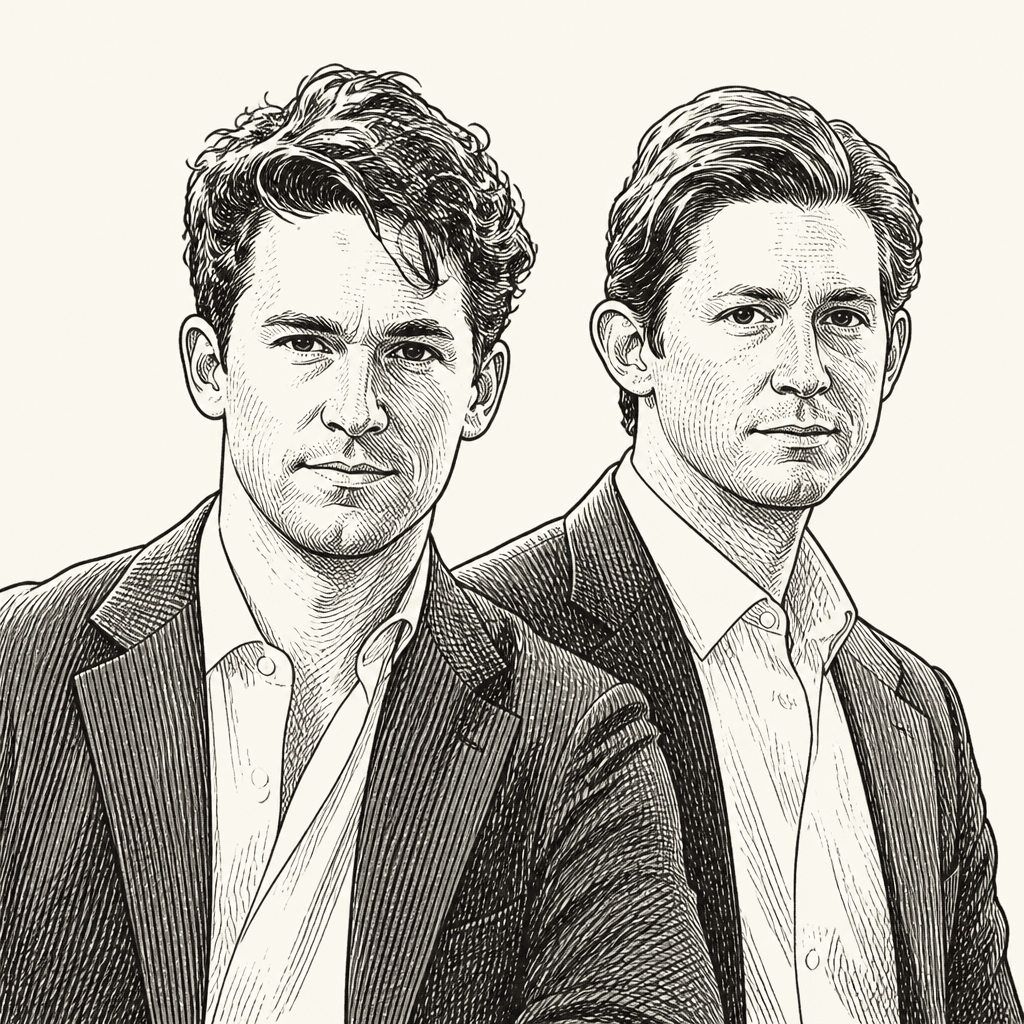

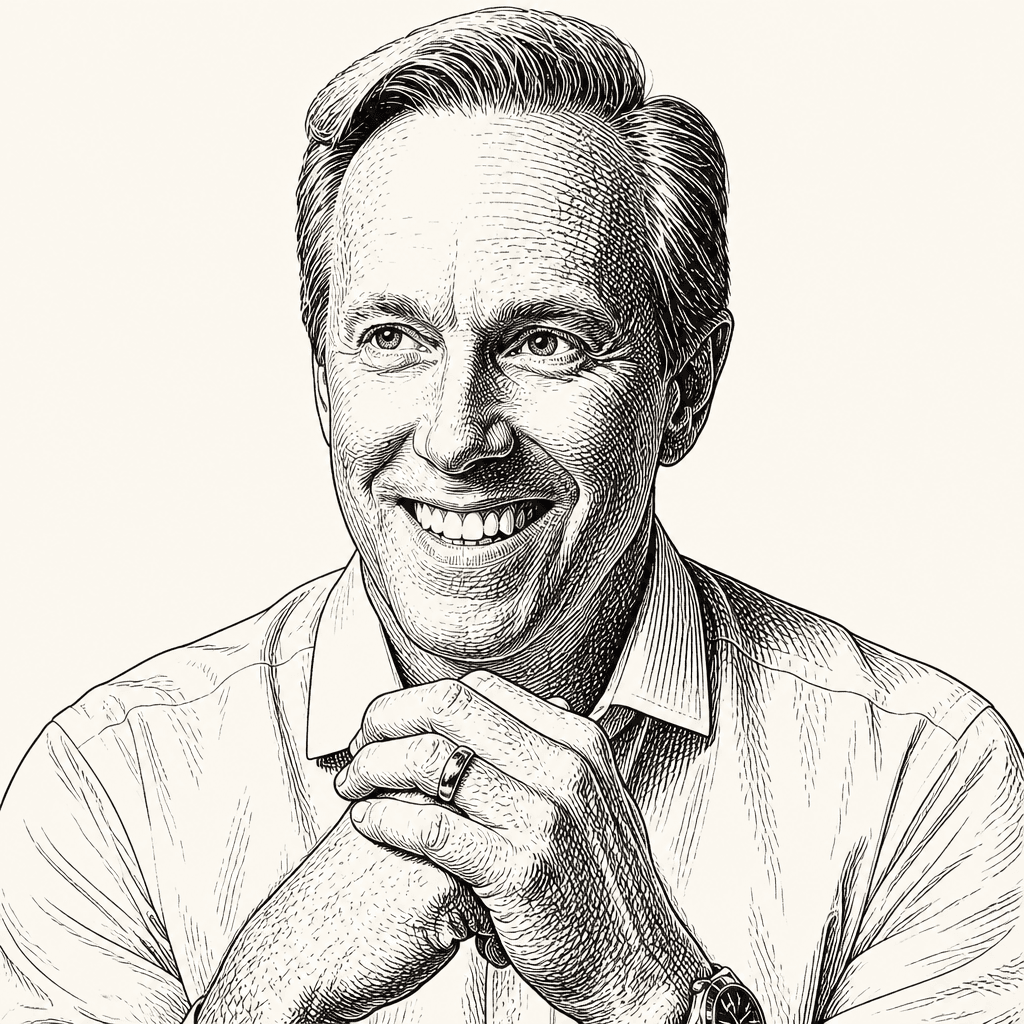
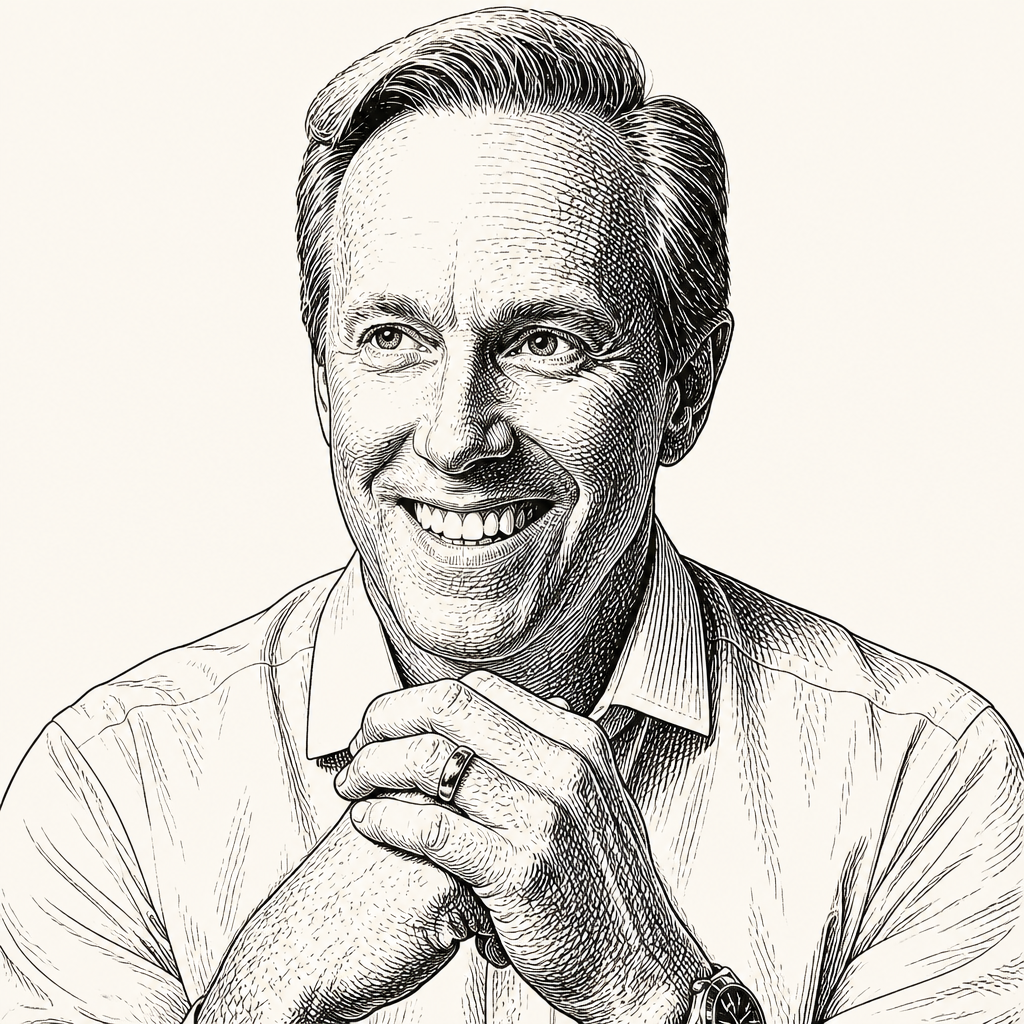
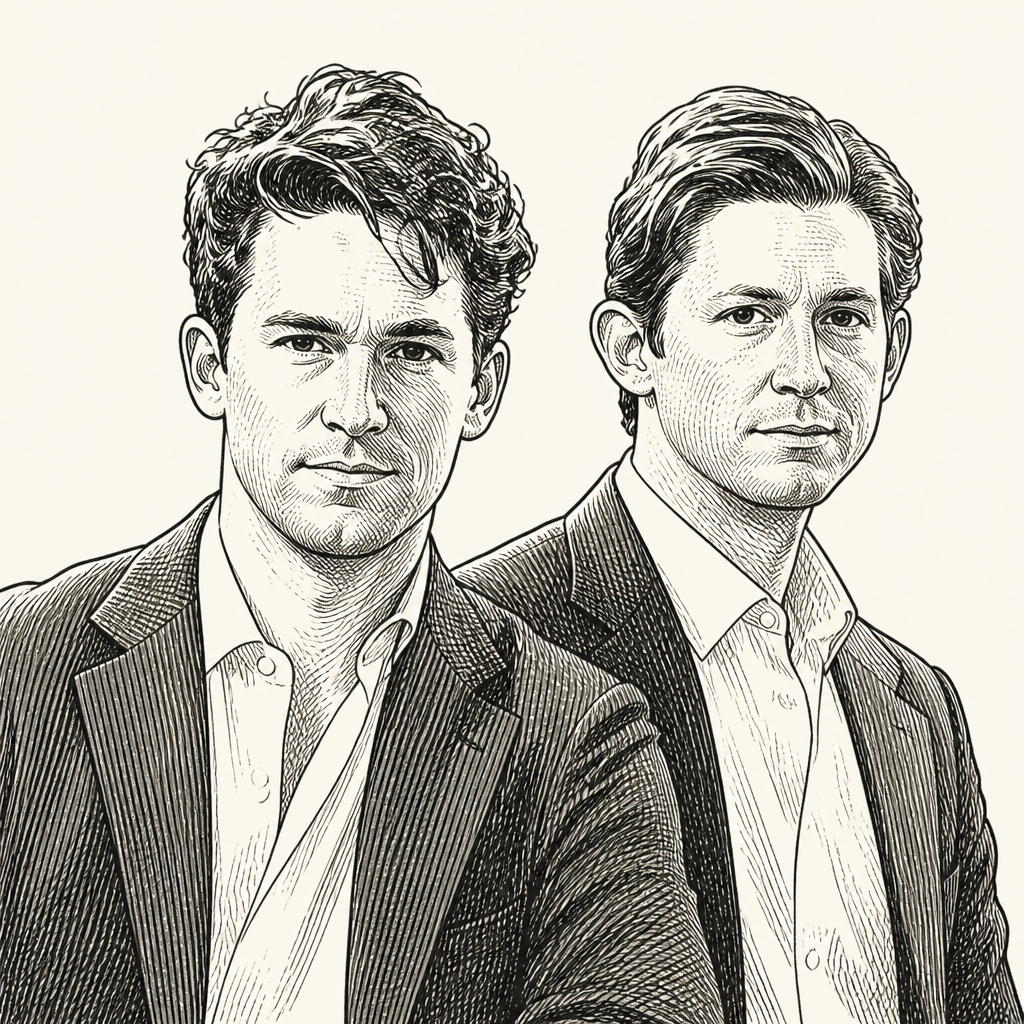
Condé Nast chief executive Roger Lynch argues in a TBPN interview that publishers should plan for a media market in which search traffic is no longer a reliable foundation and generic AI content is not a defensible advantage. His case is that brands such as Vogue and The New Yorker can become more valuable if they rely on direct audience demand, subscriptions, events, editorial authority and human-reported work, while using AI mainly to make product and technology teams faster.

Condé Nast is planning as if search no longer carries publishers
Roger Lynch’s operating premise for Condé Nast is that publishers should stop treating platform traffic as a dependable foundation. The strongest media brands, in his view, need plans that work even if search contributes very little: audiences that seek them out, pay for them, trust them, attend their events, and recognize their authority without needing Google or social platforms to intermediate every encounter.

Lynch described the change through a comparison Condé Nast prepared for a board meeting. A search result from seven or eight years ago showed a few sponsored links followed by the familiar “10 blue links.” The same search today, he said, produces an AI overview, then “rows and rows and rows of commerce links,” then sponsored material. For Google, he said, this has been good business. For publishers, “you’ve gotten crammed down.”
That shift has affected Condé Nast, but Lynch distinguished between a headwind and a broken model. Search algorithm changes had been negative enough that, for three years, the company budgeted for declining search traffic; each year, the decline exceeded the forecast. Lynch’s response was to tell his teams to plan as if search traffic were zero.
Assume there’s no search. You have to have your businesses planned as if search is zero.
He said Condé Nast does not actually expect search to be zero. It expects search to be “a single digit percentage” of traffic. But the planning assumption changed the way the company evaluated brands. Some brands had credible paths forward without search. Some did not. Condé Nast, he said, would reprioritize around the ones that did.
The result is a barbell view of media resilience. Large, authoritative brands in large categories can still rise above platform volatility. So can small brands with deeply loyal audiences in specific niches. Brands caught in the middle are more vulnerable: too broad to own a category, too shallow to command durable loyalty, too dependent on distribution they do not control.
Lynch pointed to Vogue and The New Yorker as the large-end examples. Vogue is Condé Nast’s largest brand, and he said it has grown revenue and profitability every year he has been CEO. The New Yorker, he said, just had its most successful year ever “by a long shot.” Pitchfork, by contrast, is small — about 1% of company revenue, according to Lynch — but has a loyal audience in music and is doing well.
The brands that have a harder time are those in the middle. Lynch said they may lack enough authority in a category, or may be too broad to go deep in any specific category. His broader warning was direct: this is not an era for trying to be too broad to too large an audience. A publisher needs either scale and authority in a major category, or a specific niche with a loyal audience willing to pay.
Advertising alone is a difficult foundation if the brand is making substantial investments in journalism. “If you have to make significant investments in journalism, supporting that just with advertising is a tough place to be,” Lynch said. The stronger model is content that people will pay for — but that requires not being caught in the middle.
AI slop makes original journalism more valuable, not less
The central AI claim was not that AI will be irrelevant to media companies. Lynch described aggressive AI use inside Condé Nast, especially in technology and product development. But he drew a strategic distinction around the company’s editorial advantage: Condé Nast, he said, has no competitive advantage in generic AI-generated content.
We’re going to always have human-created content. First of all, I know it’s what our audiences expect and want. And secondly, we have no competitive advantage over just creating AI generated content.
John Coogan made a similar point from the perspective of media consumption. In an era of “AI” and “slop,” he said, the status and value of being a true journalist, reporter, or writer should rise. He contrasted fast, perishable commentary with work someone spends six months reporting. Lynch agreed and said the flood of AI-generated and low-quality content should accrue to the benefit of companies that can stand out from it.


The New Yorker was Lynch’s example of the kind of work that a platform like Substack does not naturally reward. Substack, he said, is a strong platform for creators who want to publish frequently and build a direct subscription business around that cadence. But if a journalist wants to spend six or twelve months deeply researching a story, the incentive structure is different. “Substack is not the medium for that,” Lynch said. “It won’t reward that behavior. The New Yorker is.”
The distinction was not presented as a dismissal of Substack. Lynch called it “a great platform for certain creators.” Coogan said he subscribes to and admires many independent writers, especially those who scoop aggressively in technology. But he also described a rebundling desire: some writers would be better off in a shared company, on one bill, without having to sell ads or publish every day to satisfy a self-created business model.
Lynch’s point was narrower and more structural. Different formats reward different behavior. The New Yorker’s model rewards the long investigative piece backed by editorial infrastructure. He emphasized the publication’s “huge army of fact checkers” who comb through the work so that when it is published, it has been thoroughly checked. When those pieces appear, he said, subscription numbers spike. Subscribers reward that type of journalism.
That is also why Lynch argued against chasing formats that belong to other kinds of media companies. TBPN, he told the hosts, is good at ultra-fast commentary, and the business model fits that capability. Condé Nast trying to chase that would move it away from what it is good at.
Editorial independence is treated as a recruiting advantage
Roger Lynch said Condé Nast has become an attractive home for journalists partly because of what it does not have: no broadcast licenses under the FCC, no dependence on merger approval, and no political pressure mechanism of the kind that can affect companies with regulated assets or large pending deals.
He also credited the company’s ownership structure. Condé Nast is owned by a family that has owned it for seven decades, and Lynch said that in his seven years at the company, they have never called to interfere with editorial decisions. That means he does not need to interfere with editors.
The pitch to journalists, as Lynch described it, is that they will not get a call from the CEO or board asking why they wrote something about an advertiser. “The journalism comes first and will always come first,” he said.
That independence helps Condé Nast attract established writers. Lynch also said the company wants younger journalists because they can learn from the best editors and reporters inside the organization. The recruitment model is therefore not only star acquisition; it is also apprenticeship inside brands whose editorial standards and institutional memory matter.
The same culture-change logic shaped Lynch’s executive hiring. With the exception of Anna Wintour, he said, every other executive has turned over since he joined. He did most of that early. His explanation was blunt: if you want to change culture, change the people who do not reflect the culture you want.
He inherited a company with traits he valued — especially a deep focus on excellence — but also one he considered too internally competitive and political. He wanted a culture he himself wanted to work in, and executives who shared his view of culture. He also wanted leaders with more global perspective than the old structure required.
The old Condé Nast, as Lynch described it, was not a single global organization so much as a loose collection of separate companies around the world. Each country operated independently. There was no technology collaboration. In some cases, the units competed with one another.
His illustration was Milan. Three weeks into the job, he visited the Milan office and received a call that some of the Milan team was upset he was not visiting them. He thought he was already in the office. Then he learned Condé Nast had seven offices in Milan: Condé Nast US, Russia, France, and others, all in separate offices because they treated one another as competitors.
Lynch did not present the old model as irrational in its time. It worked when Condé Nast was principally a print publication business. But he argued it was wrong for the internet era because audiences no longer consume only local media. They want fashion, culture, travel, design, and journalism from Korea, China, Sweden, Israel, and elsewhere. The company had to reorganize around that more cosmopolitan consumption pattern.
The internal shift, then, was from territorial fiefdoms to a more collaborative global company. That global structure later became central to Condé Nast’s events strategy and its ability to turn U.S.-centered moments into global ones.
Subscriptions are growing, and price increases have not weakened retention
Roger Lynch said digital subscriptions are now a very important revenue stream for Condé Nast and grew 29% in revenue last year. They are growing by double-digit percentages this year, he said.
The growth is not confined to one flagship. The New Yorker remains a strong subscription business, but Lynch also cited Vogue’s “incredible growth” in digital subscriptions. Condé Nast has been launching more subscriptions for smaller brands as well, including Pitchfork and Tatler in the UK.
The company has also raised subscription prices “fairly materially” over the last couple of years. Lynch said the expected tradeoff was lower retention, but that has not happened. Retention has improved every year, even with higher prices. “The elasticity looks pretty good for us so far,” he said.
Jordi Hays suggested that independent creators may indirectly improve Condé Nast’s pricing position. A solo newsletter charging $20 a month for a few posts a week, Hays said, can make a Condé Nast subscription look like a strong value proposition if the brand offers reporting, photography, video, editing, and deeply researched features. Hays acknowledged that independent writers offer a different emotional product — many subscribers enjoy directly supporting an individual — but argued that the comparison changes how a large editorial bundle is perceived.

The subscription point also ties back to the barbell. Lynch said a niche can work if it has loyal readers willing to pay. But ad-supported-only journalism is hard when the editorial investment is significant. In this view, paid demand is not just a revenue line; it is evidence that the audience values the kind of work the brand is organized to produce.
Events work when they become cultural moments, not when they multiply
Events are one of Condé Nast’s fastest-growing businesses, Roger Lynch said, but not because the company is doing more of them. It is doing fewer events than when he started. The strategy is to focus on events that can become “cultural moments.”
The Met Gala is the clearest example. Lynch said that in the first seven days after the most recent Met Gala, Condé Nast recorded 3.1 billion video views of the content it created. That was up roughly 60% from the prior year, which itself was up 60% from the year before. The livestream of the red carpet drew 200 million viewers, he said.
The Vanity Fair Oscar party followed a similar pattern, with 65% year-over-year growth, according to Lynch. But he cautioned against treating that as a replicable weekly format. You cannot simply create a Met Gala every week. The playbook is fewer events, higher quality, and global coordination.
Lynch connected that growth directly to the reorganization of Condé Nast from separate country units into a single global company. Seven years ago, he said, the Met Gala was important in the United States and recognized by the global fashion community, but it was not the same global phenomenon. Now Condé Nast’s brands around the world promote the event, the livestream, and the content around it. The company’s internal integration helped turn the event into a worldwide cultural moment.
A related cultural-brand effect appeared in Lynch’s comments on The Devil Wears Prada 2. He said the movie had been a catalyst for interest in Condé Nast broadly. When he asked the company’s chief revenue officer what was driving a strong first quarter and a strong-looking second quarter, he said she answered, “the movie.” Lynch said he thought there was more to the strength than that, but the film had created intrigue around the company.
Commerce is built around influence, not owned products
Roger Lynch rejected the most literal version of “content to commerce.” Condé Nast is not trying to create “New Yorker protein powder,” as John Coogan joked. Its commerce strategy is based on influence, partnerships, and categories where its brands already shape taste.
Advertisers historically came to Condé Nast because of its influence with audiences in fashion, travel, home, and similar categories. Lynch said that influence remains true in the digital era, and the company’s larger reach may make it even more powerful. Commerce, therefore, is not primarily about inventing products. It is about using brand authority and audience trust to sell fashion, travel, and other products through partnerships.
That business has grown every year, Lynch said. He also described VET, an initiative Condé Nast announced last year and plans to launch soon. VET sits at the intersection of e-commerce growth, social commerce, and the creator economy. Condé Nast will use its relationships with luxury fashion companies to create a marketplace commerce platform that creators can use to connect with their audiences.
The initial focus will be a small number of fashion tastemakers. Condé Nast will provide the relationships and technology to power the marketplace.
Lynch also addressed the related question of journalists becoming influencers. He said Condé Nast does not apply a single rule across all brands because a New Yorker journalist and a Vogue journalist may approach public profile very differently. But he acknowledged that journalists who build profiles for themselves tend to be good for business, and the company supports that.
The tension Coogan raised was real: a journalist with a large personal audience can draw people into their work, but can also leave with that audience or say things that do not represent the publication. Lynch’s answer was not a policy doctrine. It was brand-by-brand judgment. In a house of brands, one size does not fit all.
AI is being used aggressively in product and technology, while editorial remains human
Condé Nast’s emphasis on human-created editorial work does not mean Roger Lynch is cautious about AI inside the company. In product and technology, he described major organizational changes centered on AI.
Lynch said Condé Nast brought in a new head of product and technology in December, a moment he characterized as fortuitous because of the rapid shift in AI capability around then. He told the new leader to question everything, start with a blank sheet of paper, rethink how the organization worked, and examine how AI could be used.
The first step was a set of small pilots: three- or four-person teams that eliminated roles that would previously have appeared on larger product teams. After six to eight weeks, Lynch said, the pilots produced enough information for the company to make larger changes. Last month, he said, Condé Nast made significant changes in that organization.
The shift was not about AI writing journalism. It was about using AI at the core of how Condé Nast develops technology and products. A project that previously required ten or twelve people might need a technical project manager, QA engineers, product analysts, and other roles. Lynch said the redesigned team might include a product manager who also serves as product analyst, perhaps a designer, and an engineer, with AI creating software and performing QA.
Those teams, he said, became three or four people and moved at three times the speed.
His implication for software engineers was direct: there will be fewer software engineering jobs, “without a doubt,” at least for now. But he also said product managers will be able to do things they could not do before, including creating code themselves using AI.
John Coogan noted that Condé Nast is not a technology company in the sense that it sells technology; it sells content and uses technology to serve that content. He contrasted that with smaller companies like TBPN, which hired a full-time software engineer even though a small media company historically would not have built custom software. Lynch’s example points to job compression inside existing product teams. Coogan’s example points to job creation where software becomes accessible enough to justify new custom tooling.
Audiences reacted sharply when AI entered the fashion image itself
The clearest boundary around AI came from an advertising example. Roger Lynch said that last June, an ad ran in Vogue’s print magazine using an AI-generated model. It “blew up.” People were angry somewhat at the advertiser, but mostly at Vogue.
Lynch said he “loved it” because it reaffirmed what he hoped was true: Condé Nast audiences want human-generated content. They want to know that what they are reading and seeing is real, not AI-generated.
For Lynch, that reaction was an important indicator of the company’s future strategy. AI can be used in many places to drive efficiency, reach audiences faster, and increase velocity. But the purpose of those efficiencies should be to enable more investment in human-generated content.
The fashion example made the issue concrete. John Coogan described a slippery slope in clothing imagery: even if a garment exists and the model is real, using AI to place the clothing on the model or adjust the fit can quickly become a representation of a product that does not exist. In some categories, especially fashion, the difference between rendering and reality directly affects trust.
The advertising question also led to a broader distinction between ads as product and ads as intrusion. Lynch said that in a print magazine, advertising is “absolutely a feature.” In digital, it can be both. Programmatic display advertising may be more of a bug than a feature, especially when it disrupts a beautiful reading experience. High-quality branded content is different.
Condé Nast’s biggest advertising category is branded content, Lynch said. He considers it a strong part of the business because it uses the company’s core advantages: its brands, audiences, and creativity. Display ads, print ads, and video ads remain part of the mix, but branded content is where the advertising product aligns most clearly with what Condé Nast can do better than a generic ad network.
The durable lesson is to follow audience behavior without surrendering the brand
Roger Lynch framed his Condé Nast strategy through earlier platform shifts in media. Before Condé Nast, he worked at the intersection of technology and content: a broadband business in Europe, IPTV, Sling TV, and Pandora. The pattern he emphasized was not that every new technology automatically improves the business. It was that incumbents damage themselves when they try to force audiences back into old behavior.
His example was the music industry. The recorded music business peaked in 1999, he said, and then fought consumer behavior for too long. Instead of seeing how customers were behaving and building a business around it, the industry tried to change the behavior back. Lynch described the response as suing teenagers, ISPs, parents, or whoever else might stop downloading.
That was disastrous, in his telling. Only after embracing downloads and then streaming did the industry begin growing again. He said the recorded music business has only just returned to its 1999 size, 27 years later.
The publishing parallel is not to accept every platform’s terms. Lynch’s conclusion is more disciplined: do not build the company around behavior that has already disappeared. Do not assume search referrals will return to their old role. Do not assume ad-supported traffic arbitrage can fund expensive journalism indefinitely. Do not assume generic AI content is an advantage for a company whose brands are built on taste, authority, reporting, and trust.
He also sees a countertrend toward physical and live experiences. Vinyl records have grown every year for 18 years, he said, and now as many people in their 20s buy them as people in their 50s or 60s. Some young buyers do not even own record players. Lynch interprets this as a search for authenticity in a world where digital content is abundant, free or free to consume, and therefore often less valuable or less authentic.
He sees an echo of that in young people buying physical magazines. Coogan added that fans often want to vote with their dollars and have a physical embodiment of taste. Lynch said money in music has moved to live performance: artists once toured to support record sales; now they release records so they can tour and sell tickets.
That is the through-line in Lynch’s view of Condé Nast: use technology where it strengthens the company, but do not confuse distribution tactics with the reason audiences care. Physical magazines can still matter, live events can become global cultural moments, subscriptions can grow when readers value the work, and human-created journalism can gain importance as synthetic content becomes abundant.