Physics and AI Conference Closes With Recordings, Papers, and Follow-Up Channels

Benjamin Nachman of Stanford and SLAC closed the 2026 Conference on Physics and AI with operational instructions rather than a technical synthesis. In remarks recorded at Stanford on June 12, he told attendees where to find conference outputs, how to provide feedback, and how to stay connected: recordings and accepted papers would go on the conference website, a survey would be sent to participants, and a QR-code mailing list would carry updates on future events.
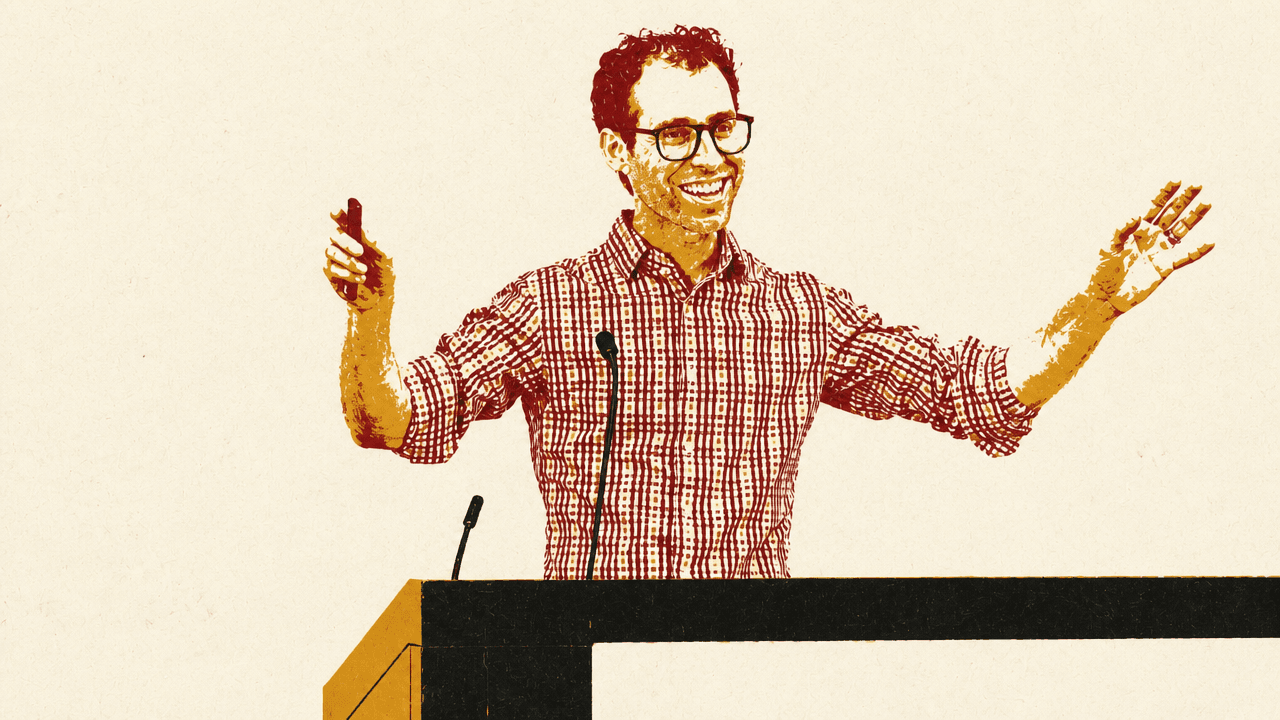
PAI26 closed as a Stanford-hosted meeting at the physics, data science, and AI boundary
The 2026 Conference on Physics and AI was framed by Stanford as a meeting for researchers working across physics, data science, and artificial intelligence. The source context identifies the conference as a collaboration between Stanford’s Center for Decoding the Universe, the American Physical Society’s Group on Data Science, and the NeurIPS Machine Learning and Physical Sciences Workshop team. It was recorded at Stanford University on June 12, 2026, during a conference held June 10–12.
The opening visual identified the event plainly: “Stanford University 2026 Conference on Physics and AI June 10–12, 2026.” A later slide introduced Benjamin Nachman for the closing remarks as “Associate Professor of Particle Physics and Astrophysics, Stanford University,” affiliated with the Center for Decoding the Universe and listed as Co-Director of DS Stanford.

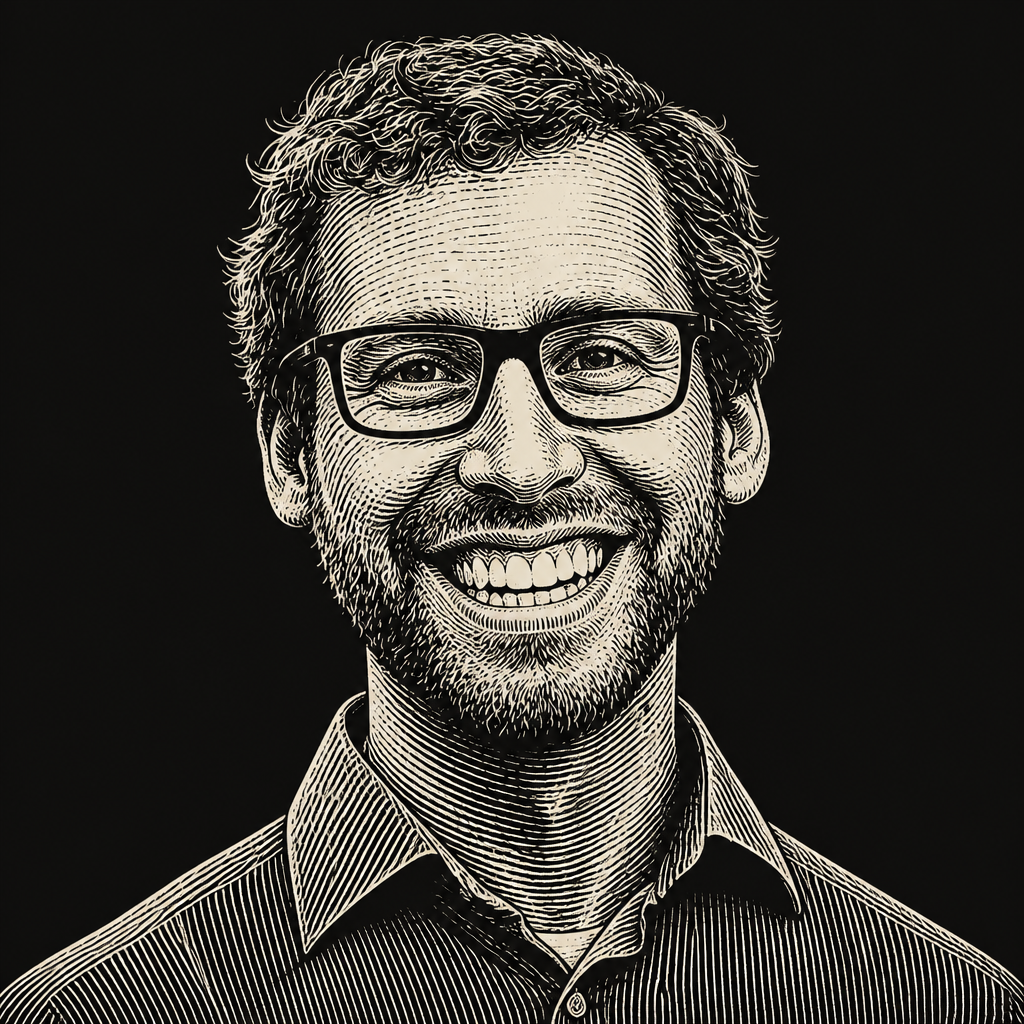
Nachman’s remarks did not attempt a technical synthesis of the conference. They were operational closing remarks: where the conference materials would appear, how attendees could give feedback, how they could stay connected, and whom the event depended on behind the scenes. The substance was less a final argument about physics and AI than a set of next steps for participants after the meeting ended.
Nachman points attendees to recordings, papers, feedback, and mailing-list updates
Nachman said many attendees had been asking about the conference “artifacts,” and he answered by distinguishing several channels and timelines. Recordings would be posted on the conference website. Accepted papers would also be posted there shortly after the conference. A survey would be sent to attendees. A mailing list, available through a QR code, would provide a way to hear about future events.
We will have all the recordings posted to the website. They'll be on the conference website. And we will also have all of the accepted papers posted there shortly after the conference.
The first follow-up item was the recordings. Nachman said “all the recordings” would be posted to the conference website. The source does not give a specific publication date for the recordings, only the destination.
The second item was the accepted papers. Nachman thanked participants for uploading their camera-ready versions and said the accepted papers would be made available “shortly after the conference.” Again, the source gives the channel and a general timing, not a precise release schedule.
The third item was feedback. Nachman said a survey would be sent to everyone and that organizers would “greatly appreciate” responses so they could improve similar events in the future. This was separate from the conference website: the source says the survey would be sent to attendees, not merely posted as a static resource.
The fourth item was continued contact. Nachman described the mailing list as a way to hear about “events like this and others.” He pointed attendees to a QR code and said it would remain available, so they could take a picture immediately or use it later. The mailing list was therefore presented not as a repository for conference outputs, but as an ongoing contact channel.
| Follow-up item | What Nachman said | Channel or timing |
|---|---|---|
| Recordings | All recordings would be posted. | Conference website |
| Accepted papers | Camera-ready versions had been uploaded and accepted papers would be made available. | Conference website, shortly after the conference |
| Survey | Attendees would be asked for feedback to improve future events. | Sent to everyone |
| Mailing list | Attendees could stay informed about similar and related events. | QR-code sign-up, available during or after the closing remarks |
The distinction matters because the closing remarks assigned different functions to different mechanisms. The website was the place to look for durable conference artifacts: recordings and papers. The survey was the route for attendee feedback. The mailing list was the route for future contact.
The closing emphasis shifted from logistics to the staff behind the event
Before sending attendees to the reception, Benjamin Nachman used the final portion of his remarks to thank the administrative staff. He said the event “would not have been possible” without the staff who helped make it happen, naming Laura and Casey and also referring to others at the front desk.
The acknowledgment was specific but brief. Nachman called staff forward, thanked Laura directly when she arrived from the back of the room, and said there were also “treats” for staff members who had already left. The point of the moment was not programmatic; it marked the conference’s dependence on administrative work that is usually outside the technical agenda.
He then thanked everyone again for the event and directed them to the reception outside the room. An unnamed speaker asked the room to thank Ben before leaving. Nachman’s final response was simply, “Thank you.”