Stargate Turns Rocky West Texas Land Into an AI Tax Base


Abilene local leaders Misty Mayo and Weldon Hurt make a pragmatic case for OpenAI’s Stargate project: a hyperscale AI data center can turn low-value rocky land into taxable property that supports infrastructure, schools, and economic diversification. They present the project less as a tech makeover than as an economic-development bet for a West Texas city that was skeptical of the scale and fit, but saw a chance to capture investment that would otherwise go elsewhere.

The economics start with land and taxes
Abilene’s argument for Stargate is practical: a large AI infrastructure project turns rocky, hard clay land into taxable value, and that value can support infrastructure, schools, and a broader industry base for the city. Misty Mayo describes Abilene as “midsize and mighty”: innovative, opportunity-filled, warm, friendly, and “serious about business.” Stargate matters, in her view, because it gives the city a way to diversify beyond its existing industry base.


Mayo says the project was initially difficult to evaluate because hyperscale data centers and artificial intelligence were unfamiliar. “The more questions we asked, the more skeptical we became,” she says. But the skepticism became part of working through the opportunity rather than a reason to reject it. Her central economic claim is that Stargate brings “new dollars on the tax rolls,” which can support community growth, infrastructure improvements, and opportunities for current and future residents.
It represents new dollars on the tax rolls, which actually then assists them to be able to grow the community.
Weldon Hurt makes the land-use case more directly. The site, he says, was not productive farmland or an obvious candidate for another high-value use. It was rocky, hard clay, “not agriculture land,” and “wasn’t very good for hardly anything.” For Hurt, that makes the property-tax benefit easier to defend: the data center improves the tax base without, as he frames it, displacing land that was already valuable for agriculture.
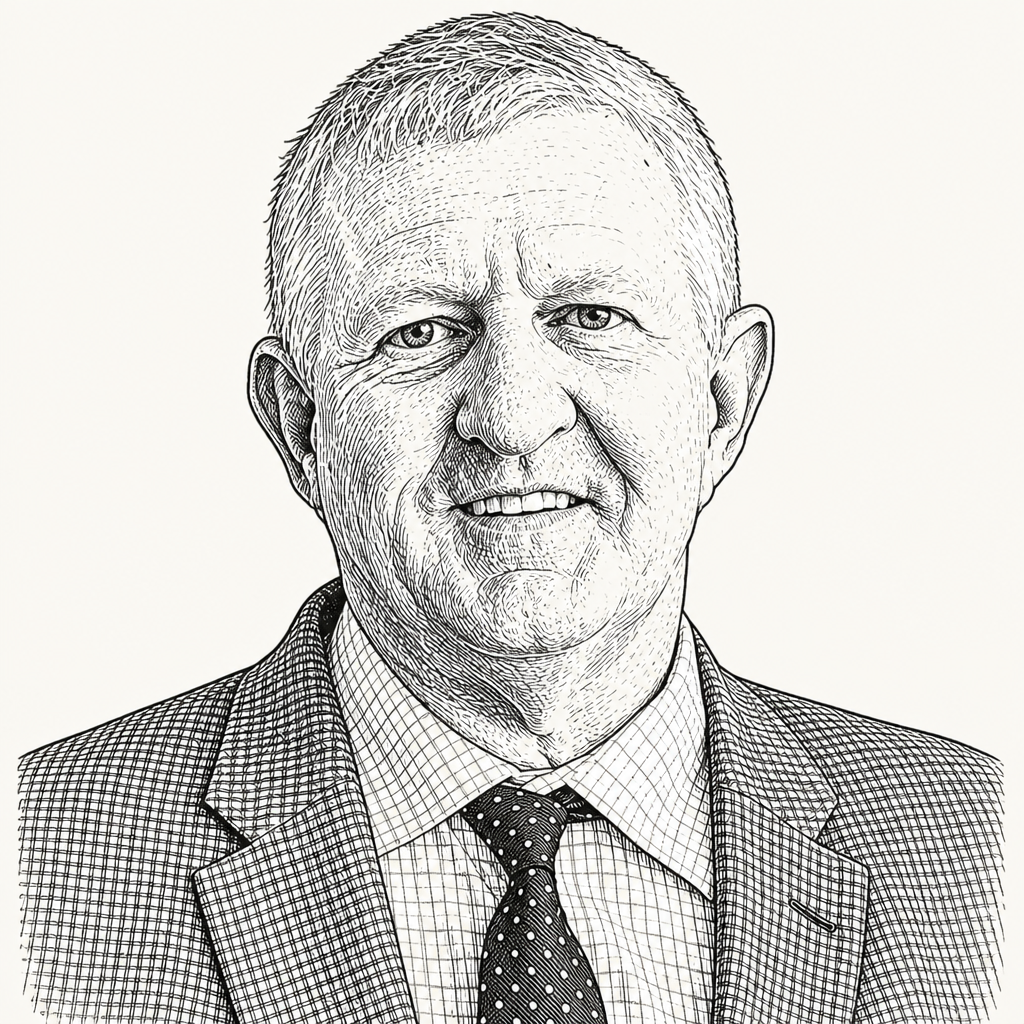

The tax argument also extends to schools. Mayo says the project’s tax benefits reach school districts, giving students access to new equipment and the prospect of being educated in new facilities. Her claim is specific rather than sweeping: revenue associated with the project can support local institutions that shape future opportunity.
The disbelief was about scale and fit
Weldon Hurt’s first reaction to the proposal was disbelief. Abilene, as he describes it, is a city with “a lot of culture and tradition,” Western heritage, and a railroad-town identity. Against that backdrop, the idea of a “big, huge data center in Abilene, Texas” sounded improbable enough that he wondered whether it was real.
It was just hard to imagine that, you know, okay, that you want to build a big, huge data center in Abilene, Texas. So it was just kind of like, is this really true?
That disbelief matters because the local leaders do not present Abilene as a city that always expected to become an AI infrastructure site. The city described by Hurt and Mayo is not a conventional technology hub. It is a midsize West Texas community weighing an unfamiliar category of development against its existing identity and economic needs.
Mayo’s skepticism came from the same unfamiliarity: a hyperscale data center and the artificial-intelligence industry around it were “so unknown.” The decision to treat the project as an opportunity depended on translating that unknown into a civic proposition: diversification, taxable value, infrastructure investment, and school-district benefits.
Hurt’s position is pragmatic. He says Stargate was going to be built, and it “could have been built in any other state” or another Texas city. If the technology is coming anyway, he argues, Abilene should use the opportunity when it comes.
Growth is framed as compatible with heritage
Weldon Hurt repeatedly ties the project back to Abilene’s identity. He says the city should not forget its culture, tradition, Western heritage, or the railroad history that helped bring it to this point. His support for Stargate is explicit: he wants Abilene to grow, and if the city can become a hub for this kind of technology and receive the benefits, he is “for it.”
Misty Mayo reaches for a longer time horizon. When she calls the project transformational, she says she thinks about great-grandchildren. In her framing, Stargate is not only an immediate revenue opportunity but a bet on “future prosperity for everyone.”
The tension inside that optimism is the one Hurt names directly. Abilene is described as warm, friendly, business-minded, and rooted in West Texas heritage — not historically defined by hyperscale technology infrastructure. Stargate is presented as a way to grow without making that identity disposable.