General-Purpose AI Finds Better Construction for Planar Unit Distance Problem
 Mark Sellke
 Mehtaab Sawhney
 Sebastien Bubeck
 Timothy Gowers
 Lijie ChenOpenAIWednesday, May 20, 20265 min read
OpenAI says a general-purpose reasoning model has found a new family of constructions for the planar unit distance problem, a combinatorial geometry question posed by Paul Erdős in 1946. The result challenges a decades-old expectation that roughly square-grid arrangements were essentially best possible, and mathematicians including Timothy Gowers and Mark Sellke describe it as a clear case of AI producing a breakthrough on a prominent open problem. OpenAI frames the result as evidence that AI can accelerate research by exploring long, delicate chains of reasoning, while leaving problem choice and interpretation to human experts.
A general-purpose model beat the grid-like expectation
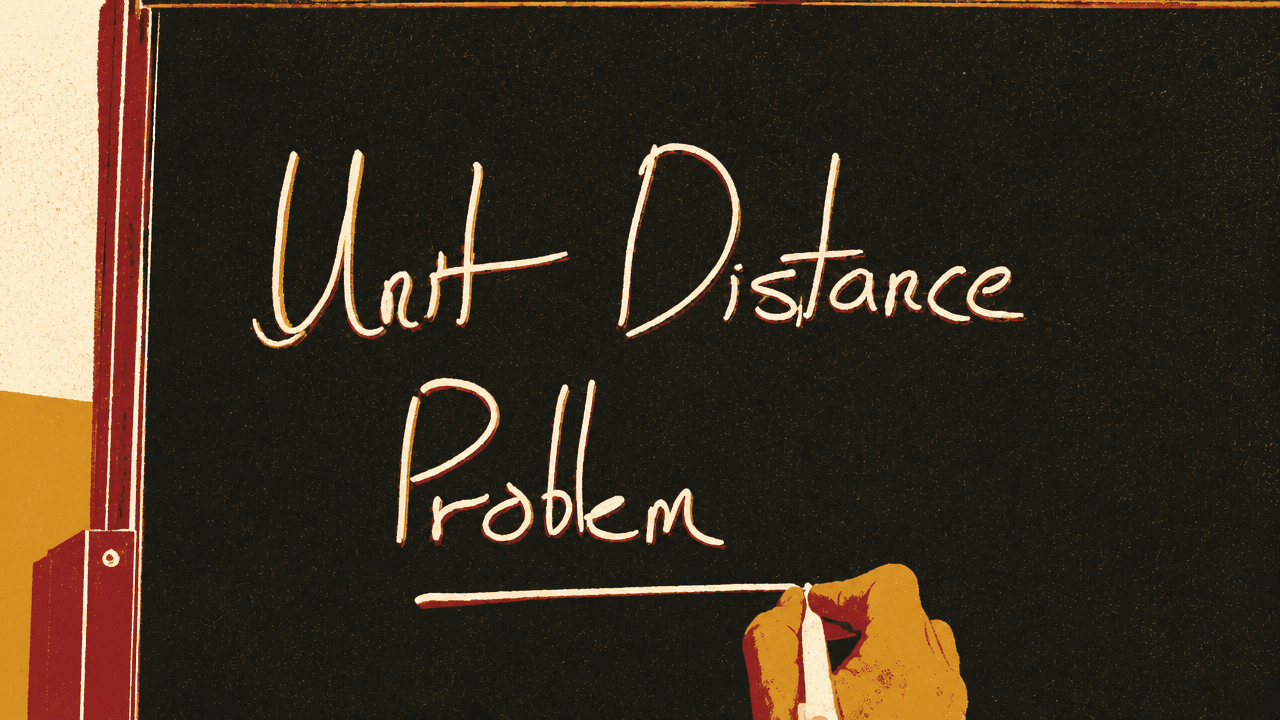
OpenAI announced that a general-purpose reasoning model found a new family of constructions for the planar unit distance problem, a famous question first posed by Paul Erdős in 1946. The problem asks, in plain terms, how many pairs of points in the plane can be exactly one unit apart. For nearly 80 years, according to OpenAI’s description, mathematicians believed the best possible constructions looked roughly like square grids; the announced result says the model found constructions that improve on that expectation.
Timothy Gowers describes the result as “the first really clear example” of AI solving not merely an unsolved mathematical question, but a well-known one. Mark Sellke calls it “the first mathematical breakthrough due to an AI,” on a problem he says has been described as the most well-known in combinatorial geometry. For “a whole subfield of mathematics,” Sellke says, it was “maybe the best known problem there is.”
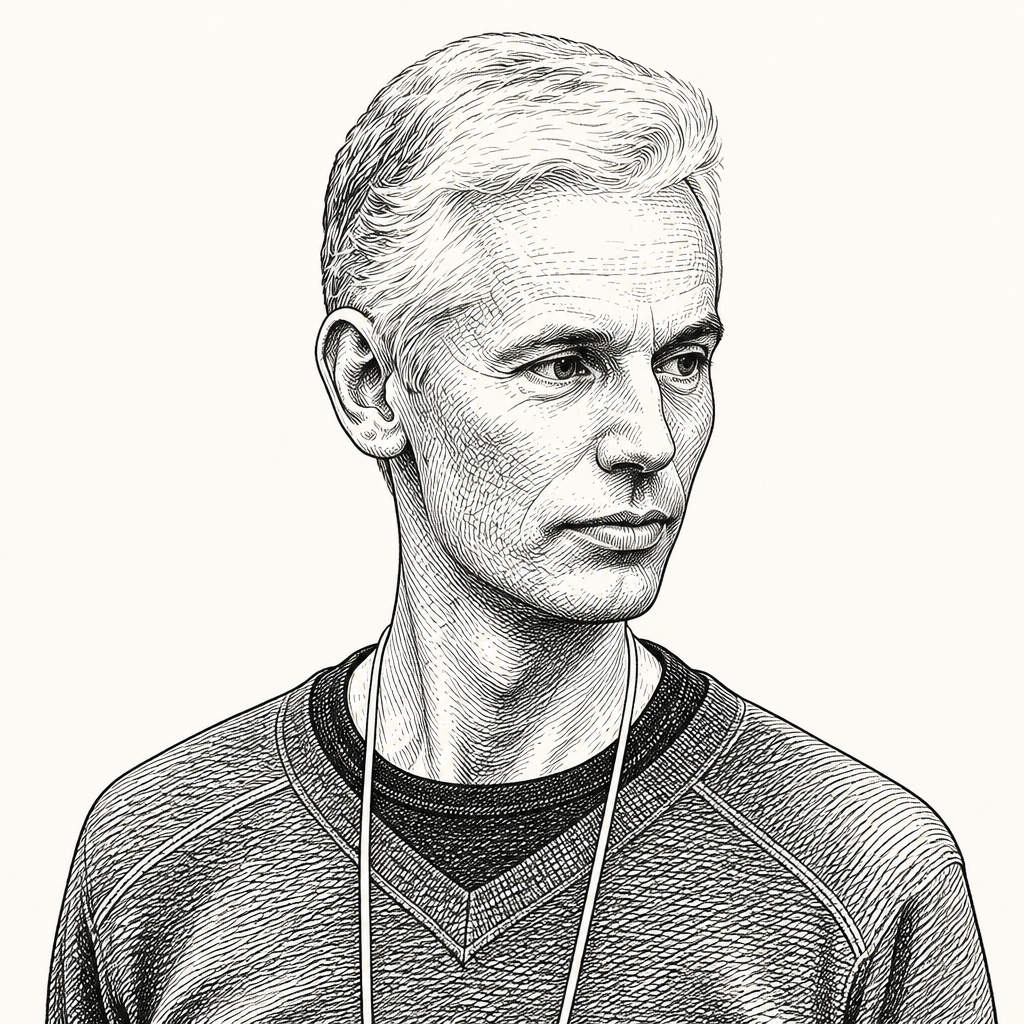
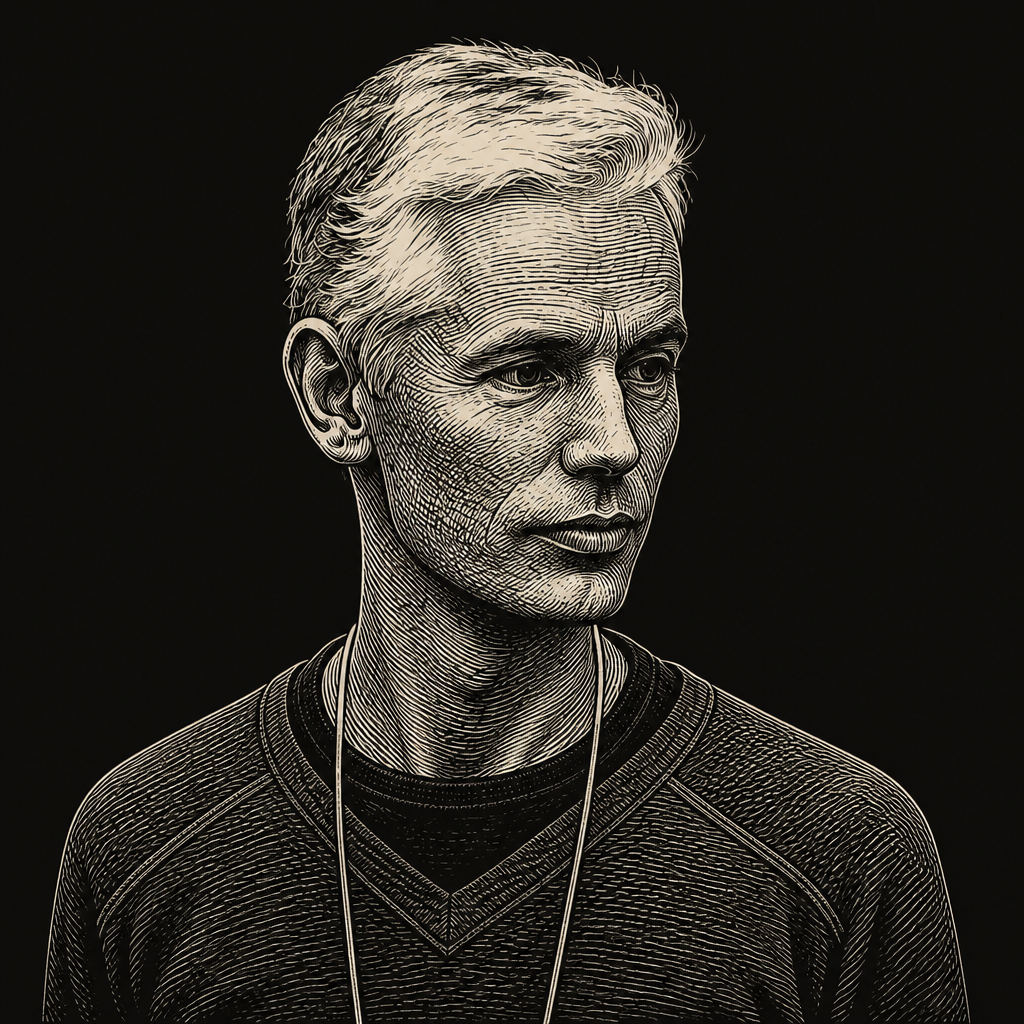
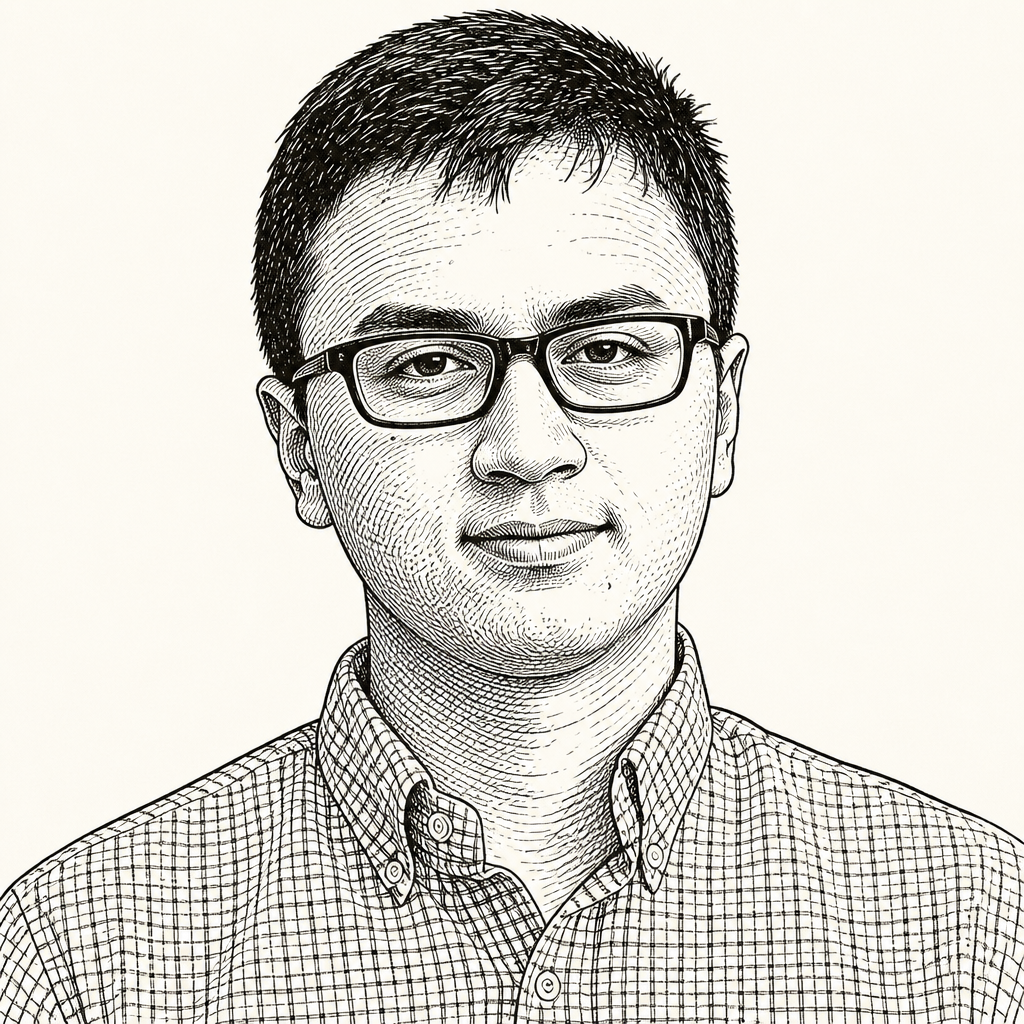
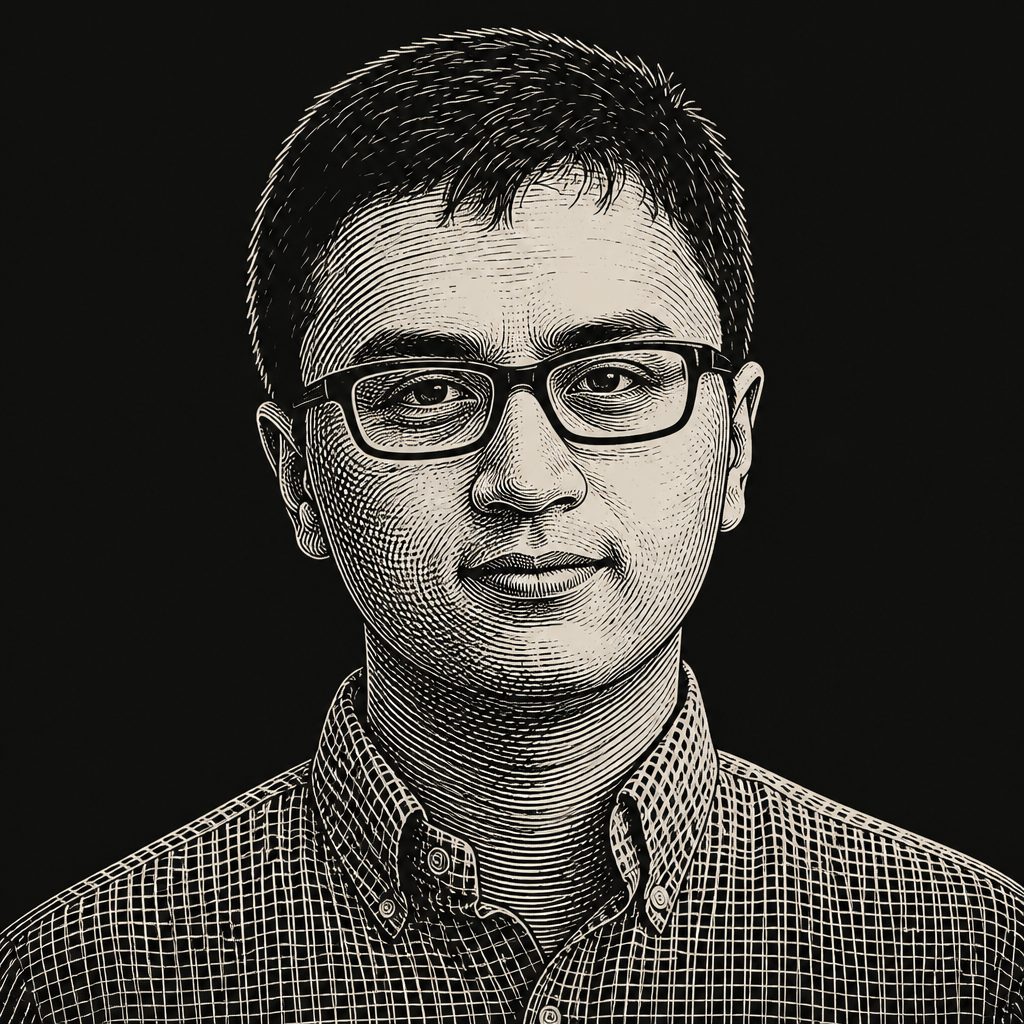
So I think what's significant about this moment is that it's the first really clear example of AI solving not just an unsolved math problem, but a really well-known unsolved math problem.
The mathematical break is not presented as a marginal polish on an existing solution. Sellke says the established construction was believed to be “basically best possible,” and that the model showed it “could actually be improved by quite a bit.” That is the sense in which OpenAI and the quoted researchers frame the result as challenging the long-running expectation that roughly square-grid constructions represented the best route.
The model was not built specifically for this problem, or even specifically as a math-problem system. It was a general-purpose reasoning model. That distinction is central to why the result is being treated as a milestone: Sebastien Bubeck says the team turned the model toward several Erdős questions that many people were interested in, and “to our surprise, it came back with a solution to one of the most important” ones.
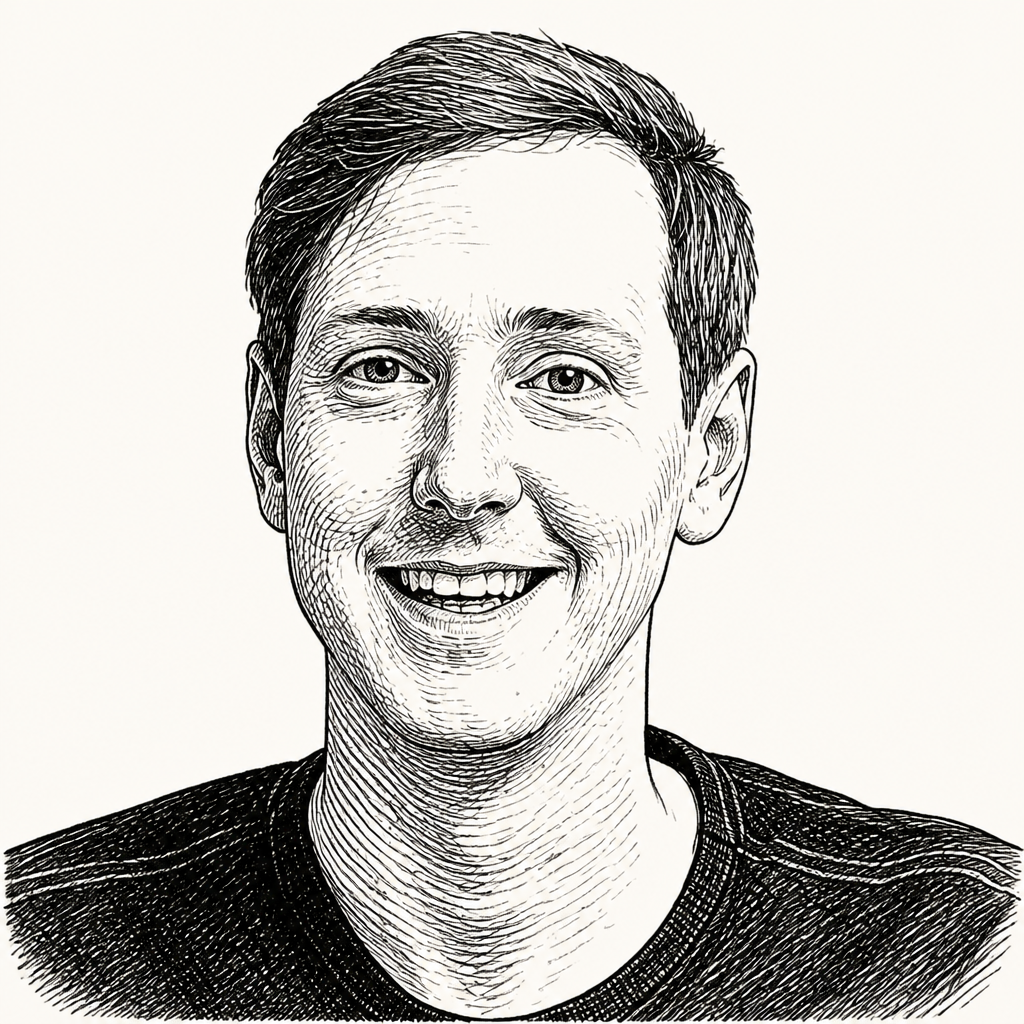
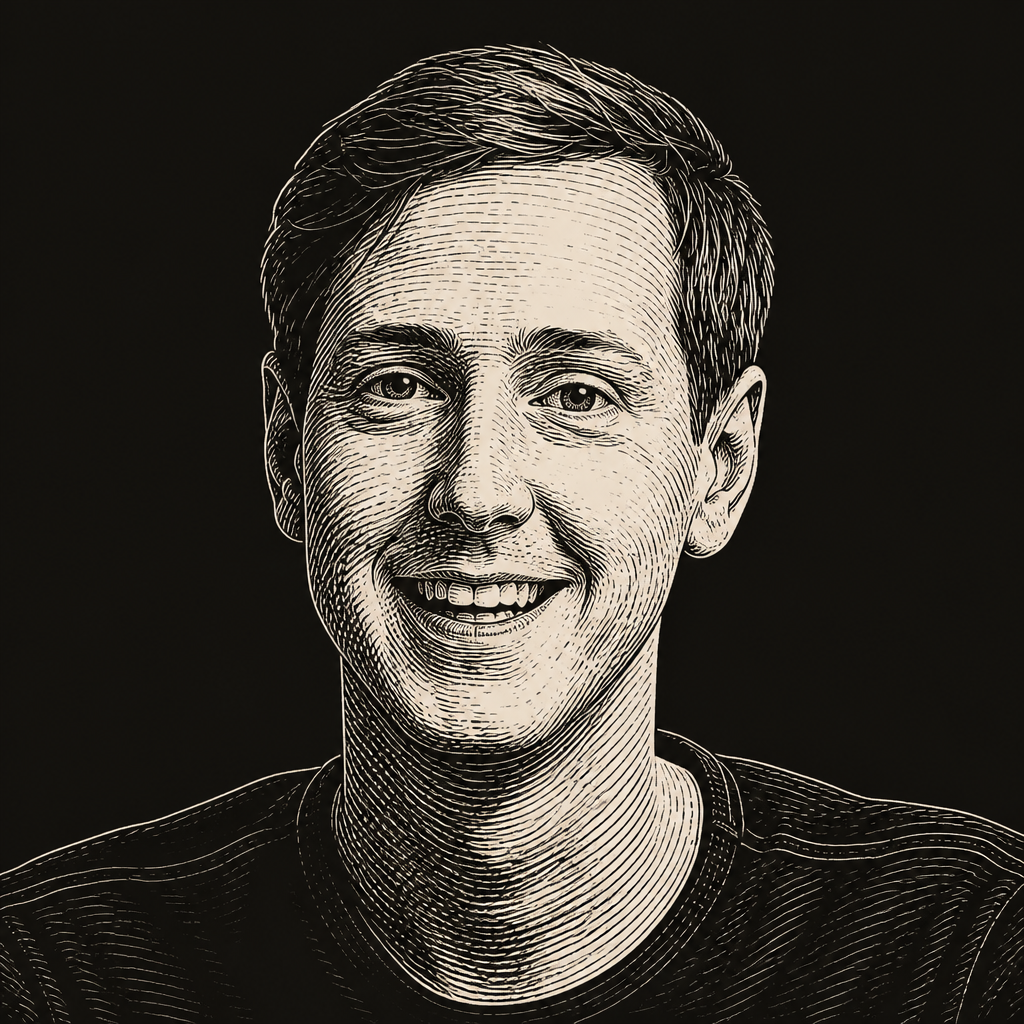
The initial reaction from researchers was disbelief rather than instant acceptance. Mehtaab Sawhney says that when he saw an early version of the model’s output, he “sort of didn’t really believe it.” It took time, he says, to read through it and work out what was happening. Bubeck recalls the same shock in plainer terms: “cannot be serious,” because the result sounded “too good to be true.”
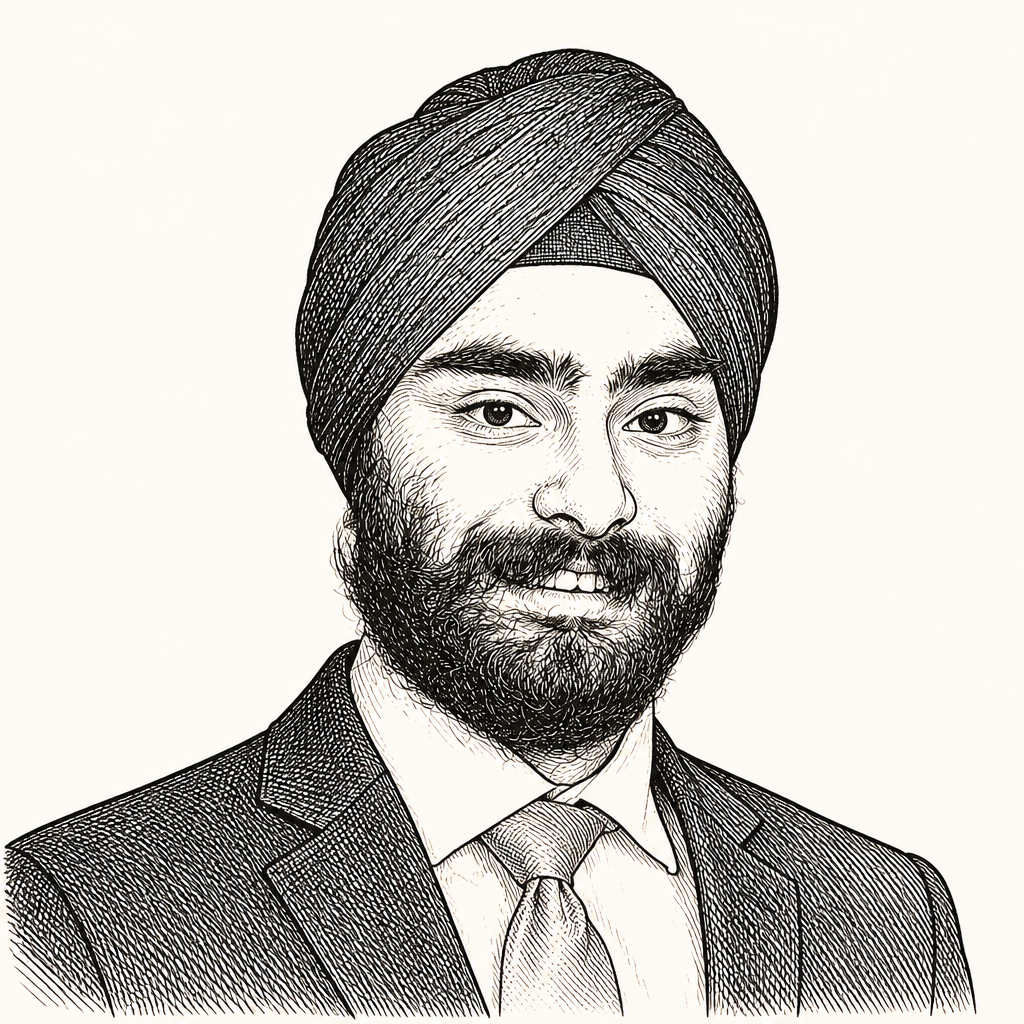
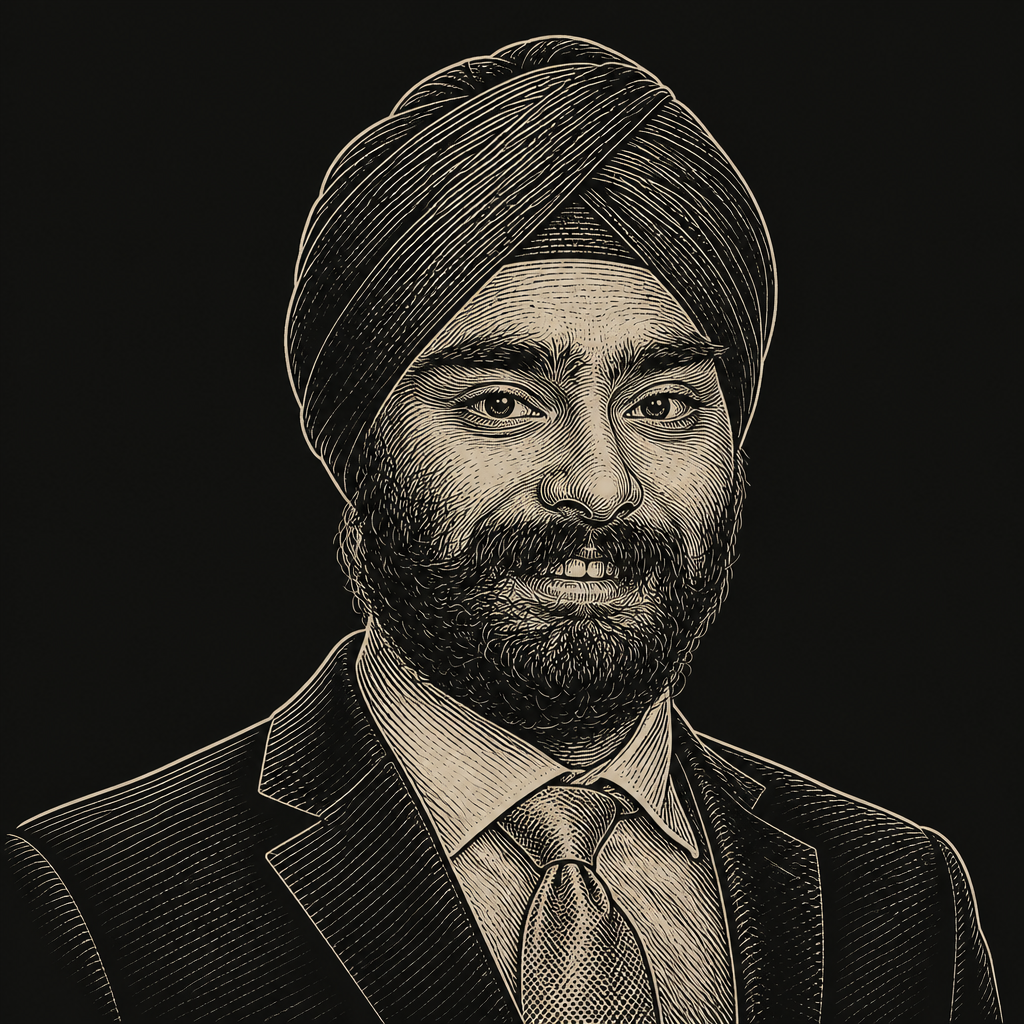
An elementary geometry question required deep number theory
The problem’s statement is simple enough to sound elementary: it is about points in a plane. The solution, as Mehtaab Sawhney describes it, is not elementary in the same way. It reaches into algebraic number theory, a much deeper mathematical toolkit than the surface geometry might suggest.
This problem is about points in a plane. It's a completely elementary geometric problem. But the solution involves really deep tools from algebraic number theory.
That contrast matters because it explains why the result is not framed as a brute-force search for a prettier point pattern. The advance is a construction whose proof connects a simple geometric question to distant mathematical machinery. In OpenAI’s broader language, the relevant capability is the ability to hold together long, difficult chains of reasoning and connect ideas across fields that might otherwise remain separate in the search for a solution.
Bubeck’s account of the model’s role is concrete. He does not describe the breakthrough as magic or as the output of a narrow combinatorial-geometry engine. He says the route was too delicate for humans to execute: there were too many decisions to make along the way of the proof. The model’s advantage, in his telling, was its ability to explore those possibilities more comprehensively and find a viable path through them.
Humans were not able to execute this approach. Like it was just too delicate. There were too many decisions to make along the way of a proof. And the AI has been able to explore all of these possibilities much more comprehensively. And doing that, it found a path. It found a way to the solution.
The human responses in the account underline how unexpected the timing was. Sellke says he “really couldn’t believe it” and had trouble sleeping for the first couple of nights. Lijie Chen says he was “literally shaking.” Chen adds that he had expected AI to do something like this eventually, but that this result shortened his timeline “a lot.”
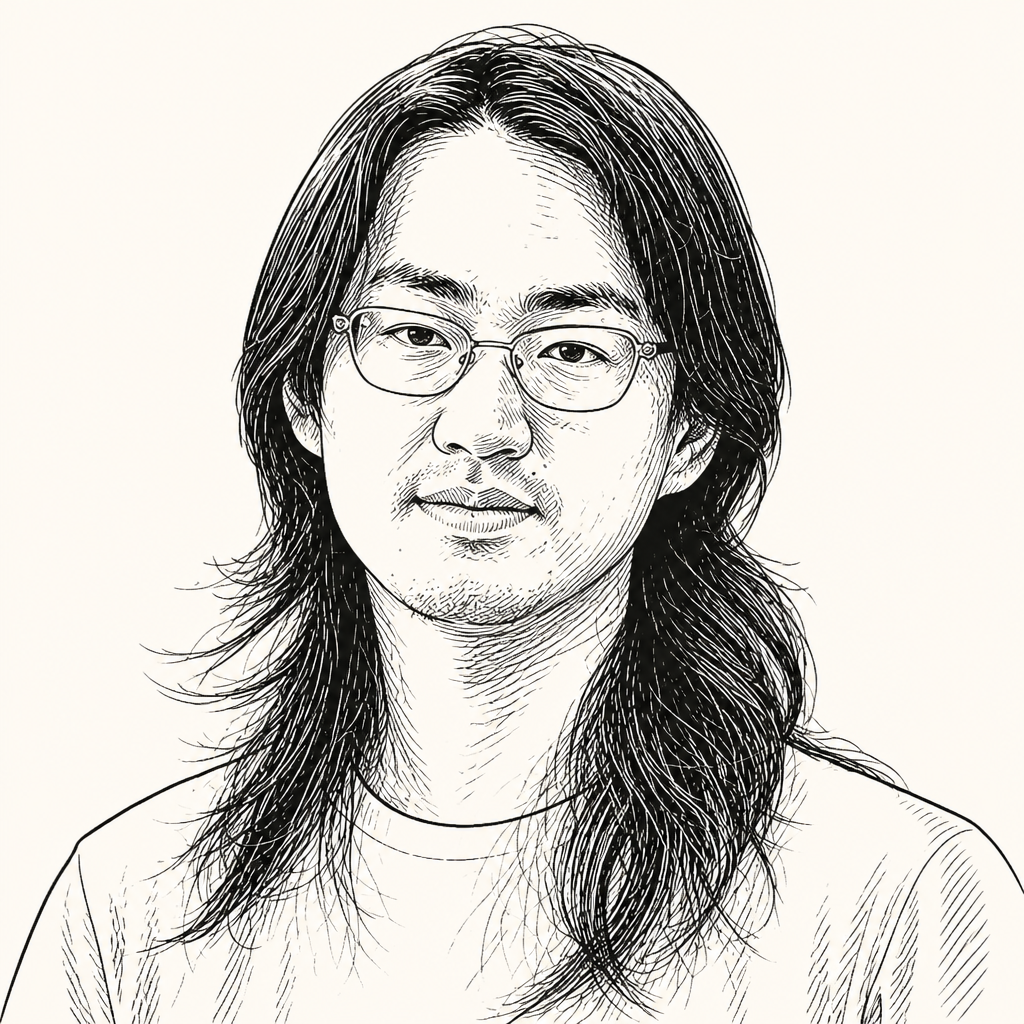
The important shift is not only that a model arrived at an answer. It is that the model navigated a proof landscape where many small choices could derail the effort, and where the useful route involved mathematics far from the elementary statement of the problem.
The milestone is framed as acceleration, not replacement
Bubeck draws the larger implication broadly: AI, he says, is able to make breakthroughs in science and can enable breakthroughs not only in mathematics, but also in engineering, physics, biology, and medicine. He calls the result a glimpse of “a golden era for mathematics.”
The acceleration claim is tied to the mechanism he described in the proof itself. The model’s value, in this account, was not simply that it generated an answer, but that it could work through a delicate search space with many branching decisions. OpenAI’s description extends that same capacity beyond mathematics: systems that can sustain long chains of reasoning, search through alternatives, and connect distant ideas may help researchers find paths they would not otherwise explore.
Human judgment remains central: experts choose the problems that matter, interpret the results, and decide what questions to pursue next. OpenAI’s description says expertise becomes “more valuable, not less.” AI can search, suggest, and verify, but the division of labor is not model instead of mathematician. It is model as a system that can help expert researchers explore proof paths too large, delicate, or unfamiliar to traverse unaided.
Timothy Gowers places the result in historical terms rather than merely technical ones. He calls it “a big step up from what we’d had before” and says he expects it will be remembered as “a really quite important moment in the history of mathematics.”