AI Is Lowering the Cost of Experimentation in Mathematics
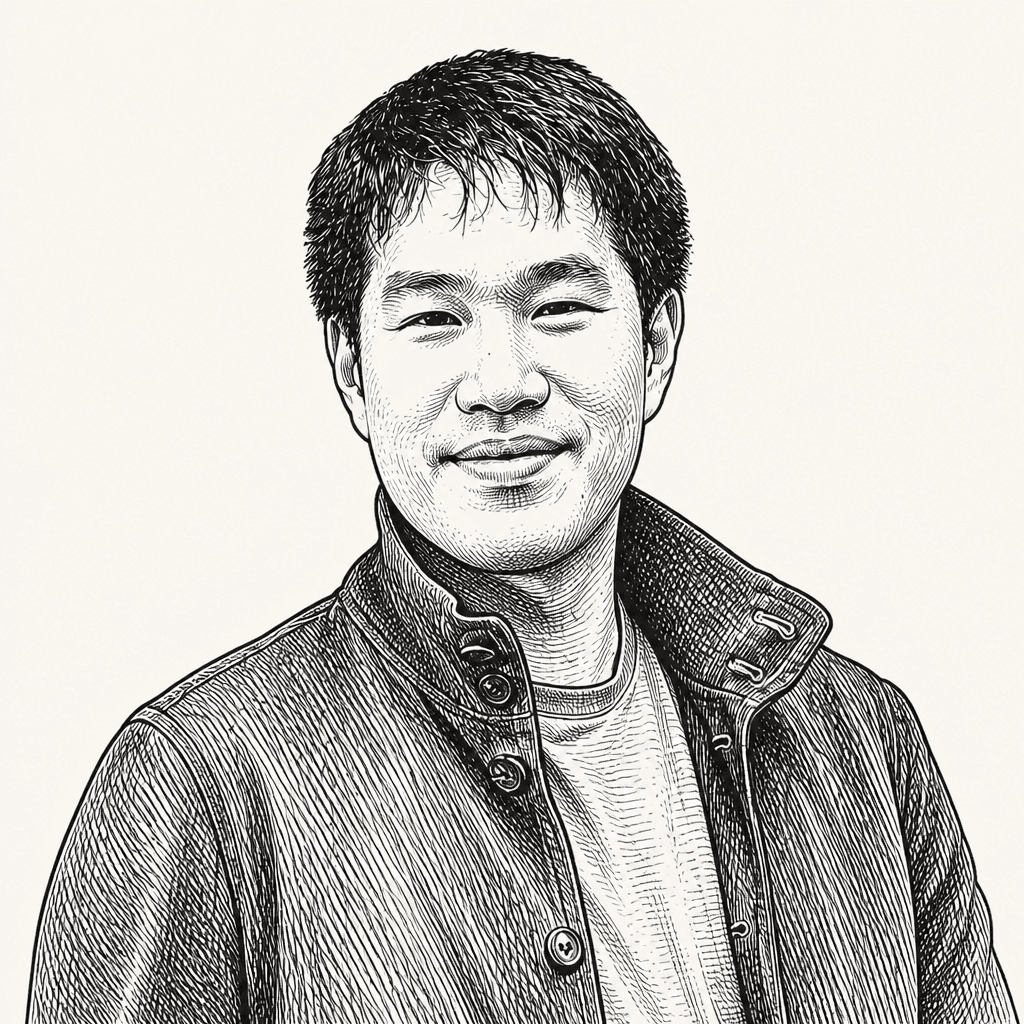
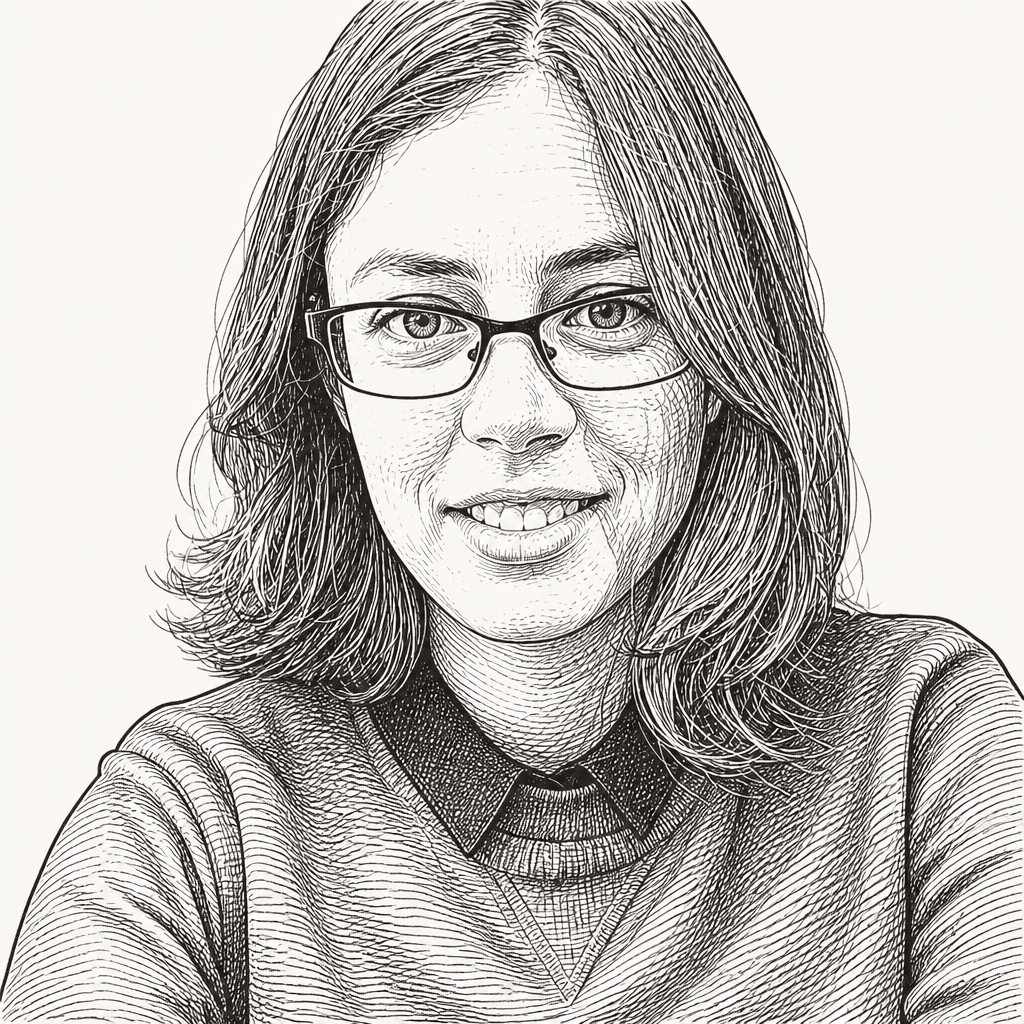
Fields Medalist Terence Tao argues that AI is changing mathematics by lowering the cost of experimentation: researchers can test unlikely ideas, offload tedious computations, search literature more effectively, and keep collaborations moving. OpenAI chief research officer Mark Chen frames that shift as part of a broader goal of building tools that help many scientists make discoveries themselves, rather than positioning AI companies as the primary claimants to scientific credit.
AI lowers the cost of trying mathematical ideas
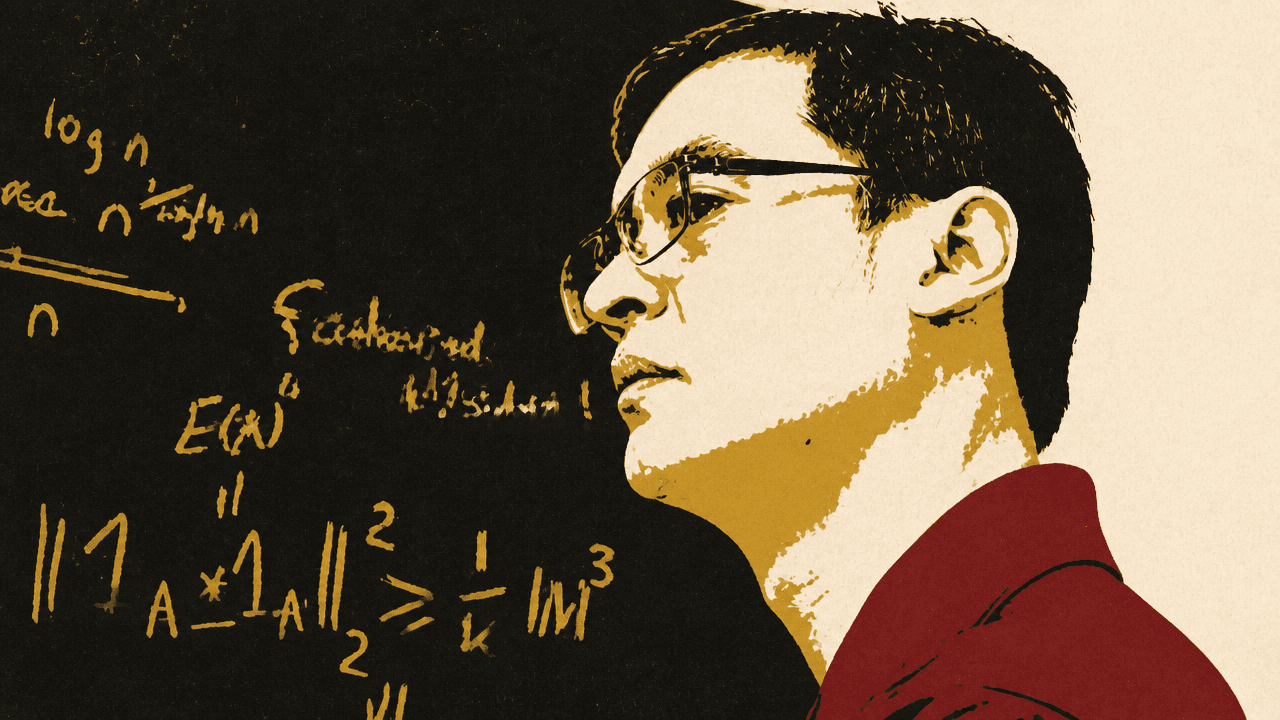
Terence Tao describes the change AI brings to mathematics as a practical reduction in friction. His emphasis is on working conditions: he can experiment more freely, test ideas he might otherwise avoid, delegate computations that interrupt collaboration, and search mathematical literature more effectively.
“AI has really been improving very rapidly,” Tao says. The immediate effect, in his account, is behavioral.
It allows me to experiment. I will try crazier things.
The point is not only speed. Tao’s examples are about which mathematical paths become worth trying when the cost of checking, searching, or computing falls. If an annoying calculation no longer has to stop a discussion, or if relevant literature can be found more accurately, the set of plausible next moves expands.
Tao gives a concrete collaborative example. Mathematicians can “vibe on the blackboard,” pursue the conceptual shape of an argument, and when a computation arises that neither person wants to do, “we can just get our AI tools to finish that.” The tool, in this account, removes a bottleneck that would otherwise interrupt the flow of work.
He identifies literature search as another area where AI has changed his own practice. Tao says he can search the literature “much more accurately and effectively” than before. The cumulative result, he says, is that he is doing “way more AI-assisted mathematics and collaborative projects.” His conclusion is blunt: “now I think it’s ready for primetime.”
The accompanying screens show laptop pages filled with mathematical equations and text, placing Tao’s comments in the ordinary materials of research mathematics: equations, derivations, technical prose, and computational support. A brief on-screen identification also names Dominique Maldague as an assistant professor in pure mathematics at UCLA, reinforcing that the setting is contemporary research mathematics rather than a general software demo.
OpenAI’s benchmark is enabling many mathematicians, not claiming the prize
Mark Chen frames Tao’s working-level account as part of OpenAI’s broader ambition. Chen says OpenAI cares about “being at the frontier in terms of automating science, the economy and ourselves.” But he distinguishes that ambition from institutional prize-seeking.
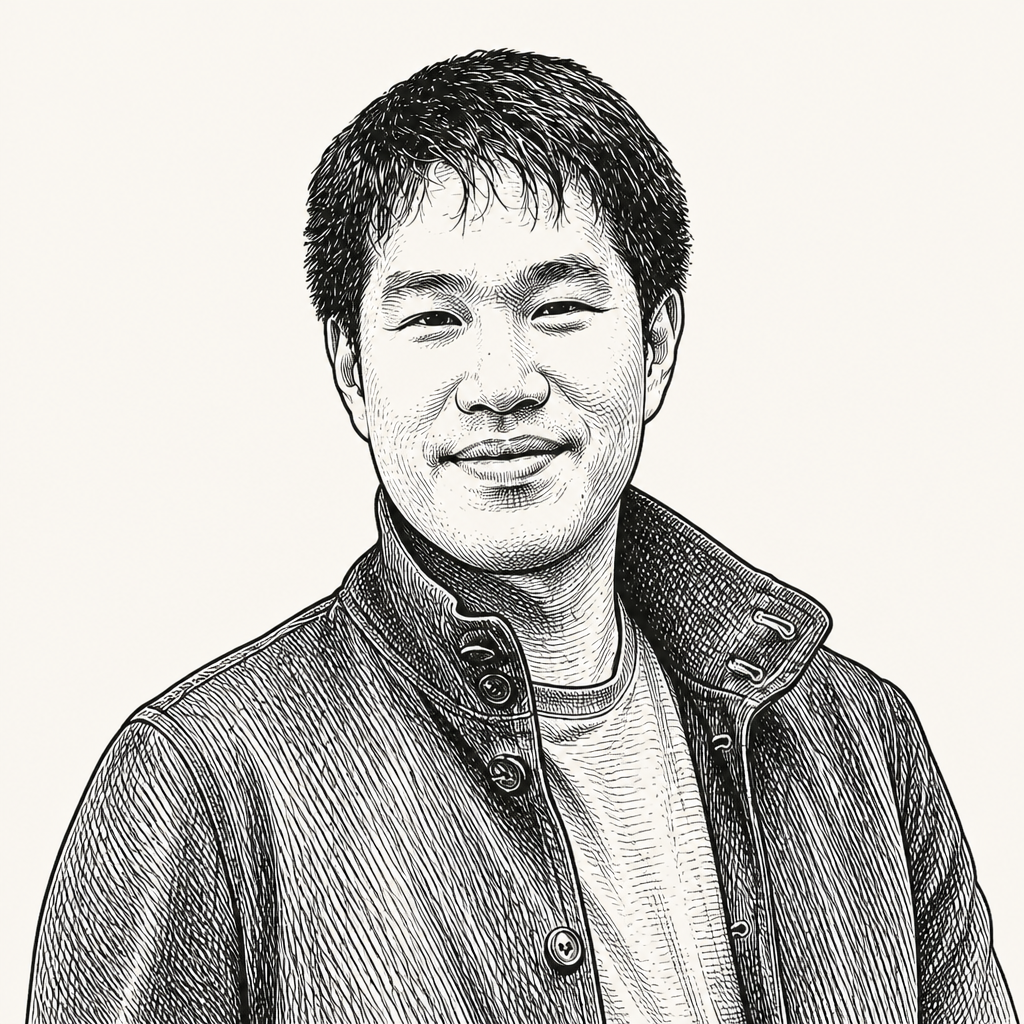
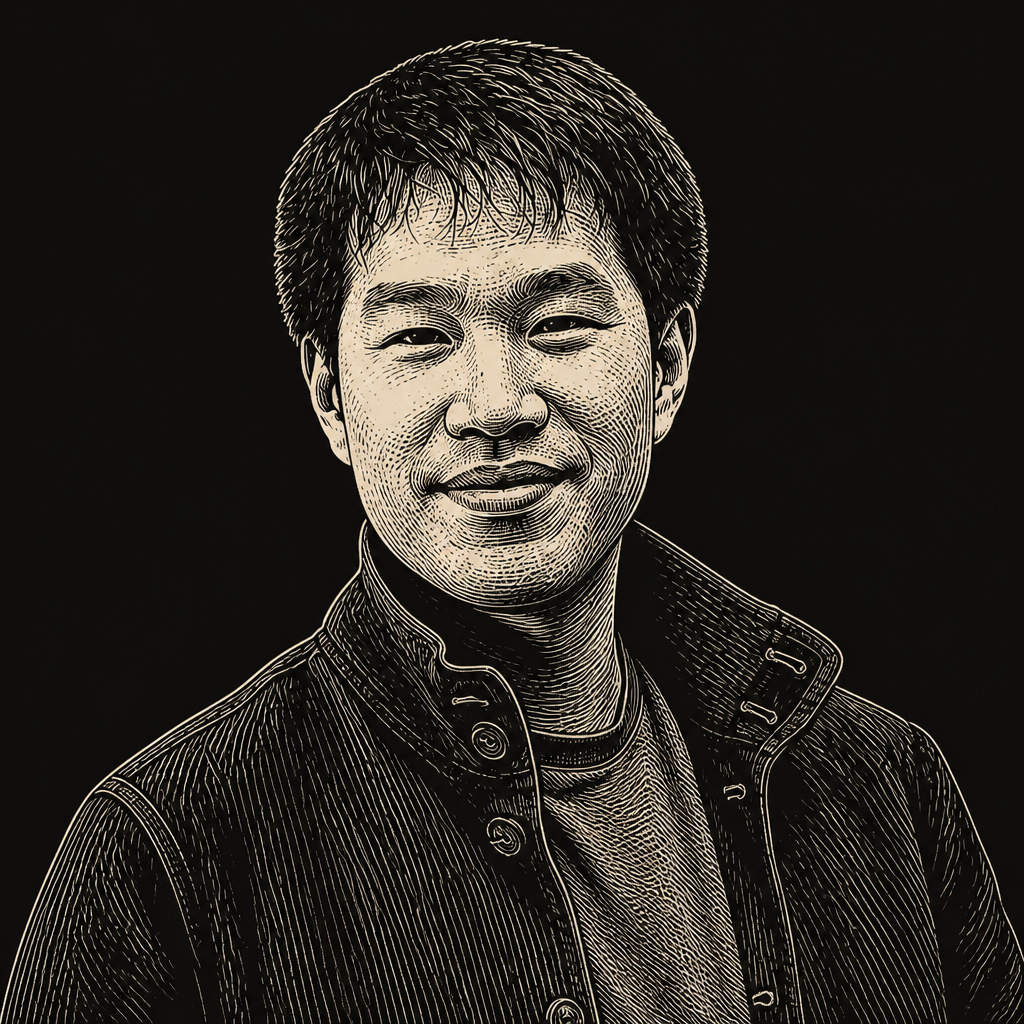
We care less about winning a Nobel Prize or a Fields Medal and more about enabling 100 mathematicians out there to do that for themselves.
That “100 mathematicians” line is the center of Chen’s framing. It casts AI in this setting as infrastructure for researchers rather than as a single autonomous claimant to scientific credit. The intended measure of success is not whether the toolmaker receives the symbolic rewards of discovery, but whether many mathematicians become more capable of reaching discoveries themselves.
Tao’s account supplies the practical version of the same idea. The value of the tools appears in reduced friction: easier experimentation, faster search, delegated computation, and more collaborative projects. Chen’s institutional claim and Tao’s user-level claim align on one point: the relevant unit of impact is not just an AI system producing an answer, but researchers gaining leverage over the many small intellectual costs that surround discovery.
The process may become worth sharing, not just the result
Terence Tao names the old condition as a world of “cognitive friction.” Until recently, he says, “every task required us to use our brain,” and because that condition was universal, researchers treated it as the ordinary cost of intellectual work. AI and related technologies, in his account, can bring these frictions “down to zero.”
That creates a second question in Tao’s remarks: what should be visible when AI-assisted work makes exploration easier? He says he hopes that as AI usage becomes more commonplace, people will post not only their final product, but also “all the different paths they used to get there.” Those paths, he says, are themselves useful information.
Tao does not present a detailed publishing model or a settled norm. His point is narrower: if AI makes it easier to try more routes toward a mathematical result, then the record of those routes may have value alongside the polished endpoint. The different paths used to get to a result could help others understand how the work developed, not merely what the final answer was.
He leaves the tension open. “I think we can find some way to have the best of both worlds,” Tao says. In his account, AI-assisted mathematics is not only about faster answers. It is also about whether lower-friction exploration can be paired with a richer record of how mathematical work develops.