GPT-Image-2.5 Splits Image Generation Between Control and Speed
OpenAI has introduced two GPT-Image-2.5 models for different image-production workflows: Sunburst, which it says offers sharper rendering, stronger prompt compliance and greater consistency across successive edits, and Flare, which it says generates images more than 50% faster than GPT-Image-2 at comparable quality. Both models support native transparent backgrounds and are available through the API, ChatGPT and Codex.
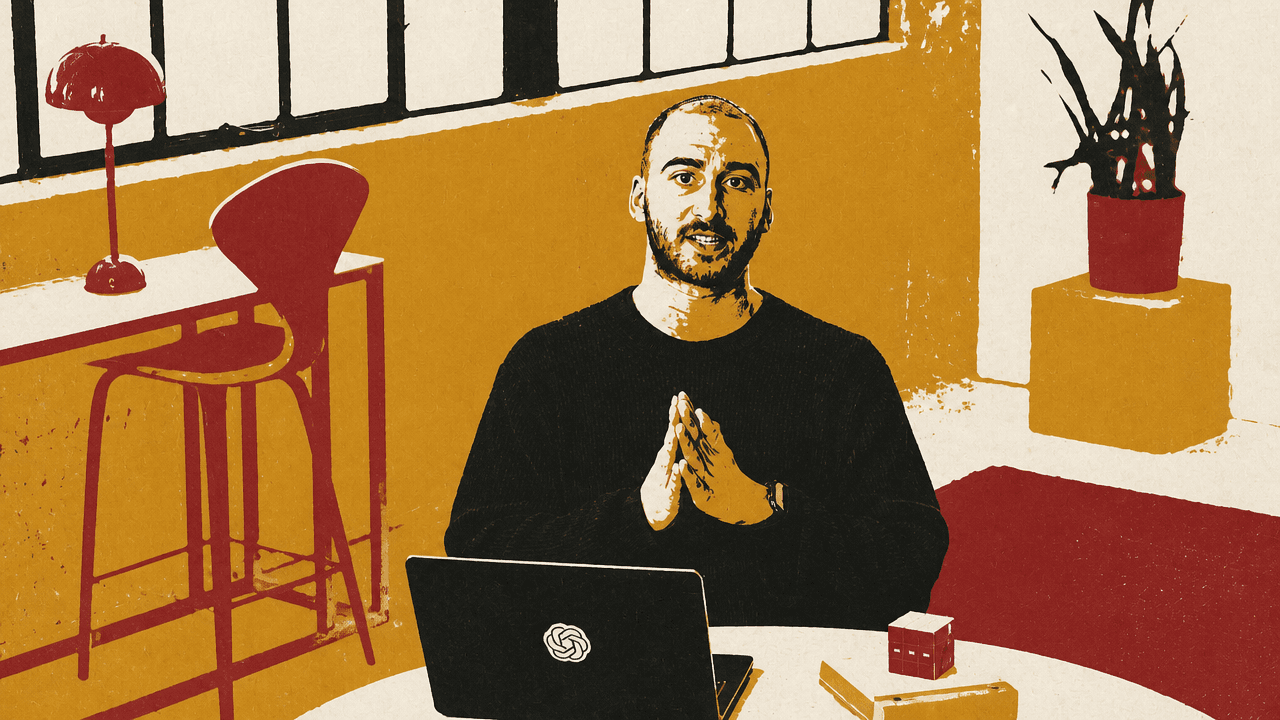
Two models divide capability from speed
OpenAI is introducing two GPT-Image-2.5 models with distinct roles: Sunburst for its most advanced image-generation workflows, and Flare for faster generation at what it describes as equal quality to GPT-Image-2.
Sunburst is positioned as the more capable model. OpenAI says it improves visual fidelity through sharper detail rendering, more natural lighting, and richer textures, while also offering greater control over image edits. Flare is positioned around throughput: OpenAI says it is more than 50% faster than GPT-Image-2, intended to let users explore more ideas in less time.
The distinction is operational rather than simply qualitative. The stated choice is to use Sunburst where generation quality, detailed instruction-following, and iterative refinement matter most; use Flare where rapid production of quality images is the priority. Both are available through the API, ChatGPT, and Codex.
Sunburst is meant to retain an image’s logic through revisions
Sunburst’s central claim is not only sharper first outputs, but stronger preservation of the visual decisions a user wants to retain while changing other parts of an image.
OpenAI demonstrates that with a portrait edited from a shared starting image through changes to the jacket, background, accessories, expression, and weather—ending with snow added to a summer scene. A separate living-room sequence moves from a shared source through minimalist styling, evening light, new furnishings and flooring, before turning the scene into an architectural watercolor. In each case, the point is that substantial changes can accumulate while the subject, composition, and prior decisions remain coherent.
That makes Sunburst a model for work that develops through revision rather than a single prompt. OpenAI frames the practical advantage as being able to explore alternative setups while better preserving the details that should not change.
The prompt-compliance examples make the other part of that claim more specific. They include exactly three moles above a woman’s eyebrow; a two-row, six-cell arrangement with named objects in fixed positions; a clock set to 4:40 with a precisely described hour-hand position; a five-floor building whose only balcony is on the third floor; and a man writing with his right hand while his left hand rests on the paper. The clock example is labeled “selected attempt 6 of 8.”
OpenAI emphasizes handedness, specified from the viewer’s perspective, as an example of the level of instruction Sunburst is intended to follow: “down to which hand someone writes with.” The model’s proposed value is therefore control in two forms: preserving what matters across multi-step edits, and following numerical, spatial, and perspective-sensitive constraints in a detailed prompt.
Flare’s value proposition is iteration time
Flare is OpenAI’s fastest image-generation model to date, according to the source. In a side-by-side generation demonstration, Flare completes an image of a capybara in a bathtub at 14.3 seconds, while GPT-Image-2 remains in a waiting state and ultimately completes at 47.8 seconds in the displayed comparison.
That example gives the speed claim practical meaning. Faster generation reduces the delay between trying a visual idea and seeing an output, which matters when the work consists of repeated variations rather than a high-control sequence of edits. OpenAI does not position Flare as a separate style or asset category. Instead, it describes the model as delivering equal quality while reducing the waiting time that constrains experimentation.
The two-model release treats speed and advanced control as separate requirements. Sunburst is aimed at the workflow where a user needs stronger fidelity and closer adherence to detailed directions across revisions. Flare is aimed at the workflow where the main constraint is how quickly a user can produce and assess another image.
Transparency is native to both models
Both Sunburst and Flare support transparent backgrounds. OpenAI demonstrates this with a dragonfly shown against black, checkerboard, and magenta backgrounds, identifying the transparency as original PNG alpha composited onto those backgrounds rather than an effect added afterward.
The demonstration calls attention to the dragonfly’s translucent wings, including a magnified view of membrane detail against magenta. Its purpose is to show that intricate, partially transparent visual elements remain usable when placed over different colors and surfaces.
OpenAI identifies infographics and games as examples of where that capability matters. In those settings, an image is often an asset placed into a larger composition rather than a finished scene with a fixed background. Both models can therefore produce transparent assets alongside their respective emphasis on high-control generation or fast iteration.