GPT-6 Astra Extends Higgsfield’s AI Videos From One Minute to Over 10
Higgsfield says GPT-6 Astra has extended the videos it can generate from around one minute to more than 10, addressing what founder Alex Mashrabov calls one of creative AI’s hardest problems: maintaining consistency over longer work. He presents the gain as part of a broader effort to help smaller teams make more ambitious projects, alongside tools for producing images with readable text and working through 3D revisions.
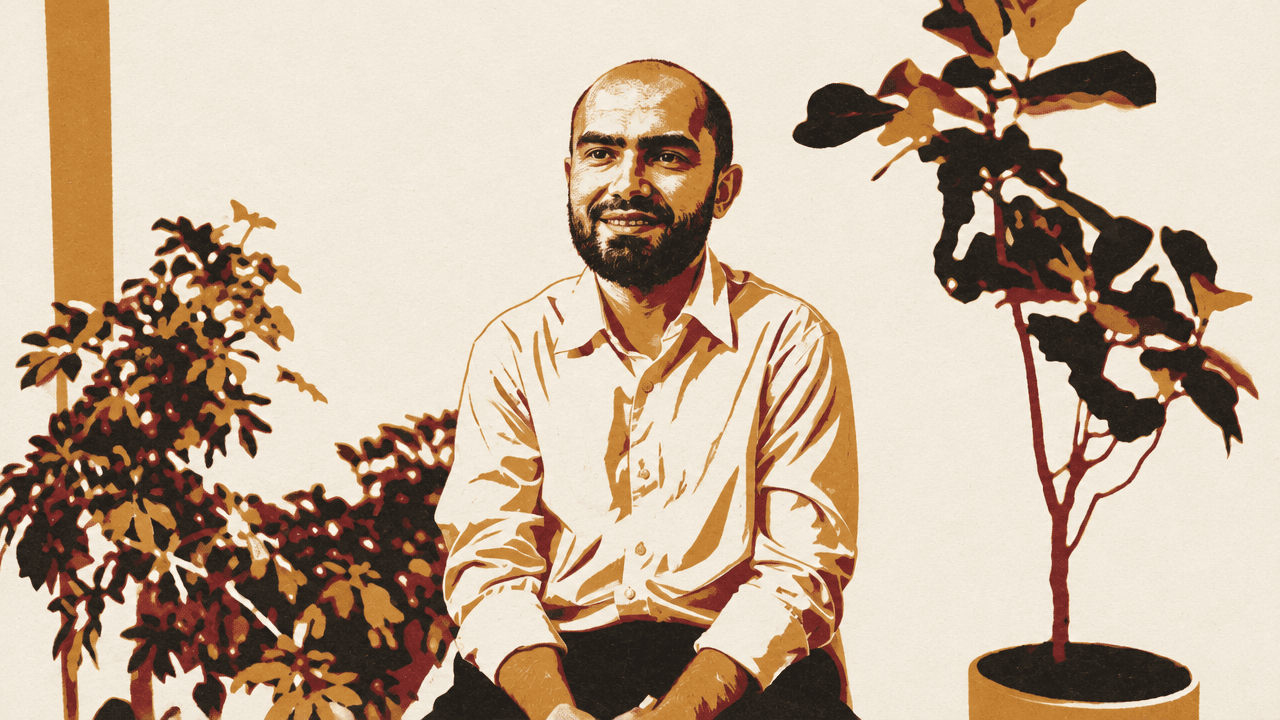
Astra moves Higgsfield’s video work past the one-minute limit
Higgsfield says GPT-6 Astra has taken the videos it can create from around one minute to more than 10 minutes. For ? alex-mashrabov, the significance is not duration alone: longer work has to remain consistent across its length. He describes longer-form consistency as one of the most difficult problems in creative AI.
That distinction matters to Higgsfield’s stated aim of helping smaller creative teams take on more ambitious work. A short generated sequence and a video lasting more than 10 minutes pose different demands on the work as a whole. Mashrabov’s claim is that Astra unlocks longer-form consistency; the source does not specify how the model achieves that or provide a comparison of the resulting videos. The stated change is practical and measurable: from roughly one minute to over 10.
The company’s examples place that increase alongside other ways it is trying to reduce the work between a creative idea and a finished result. The longer-video claim concerns continuity over time; the image and 3D examples concern what can be made, and how a creator can revise it.
Readable text and tool-assisted 3D target different kinds of production work
Mashrabov says GPT-Image-2.5 can reliably render text and infographics on top of imagery. That is a specific capability claim: words and information can appear within the visual itself. The examples include vertical-video concepts with labels for language, character, outfit, and location, alongside a grid of generated variations. Visible options include Korean, English, and Spanish, as well as choices such as “outfit of the day” and “cool girl outfit ideas.” The screen shows combinations and variations; Mashrabov’s spoken claim is about rendering text and infographics.
He also describes external tool calling as a way to take complexity out of manual 3D modeling. In the demonstration, a user loads Higgsfield in a ChatGPT interface and enters a prompt to use Blender. The screen then shows analytical text beside a basic 3D room blockout before shifting to a cinematic view: a man walks into a wood-paneled room and approaches a glowing box on a table.
The visible text gives the revision more specificity. It says the first 400 frames and both existing camera curves match the source exactly, but flags that the pull-back looks too fast and overshoots. The system says it is updating the motion on the new path; the interface then reports, “Zoom velocity updated.” The demonstration therefore includes not just a rendered scene, but a prompted tool workflow with an identified motion problem and a stated adjustment.
These are distinct examples of the work Higgsfield describes. One concerns placing readable information over imagery and exploring variations in a visual concept. The other concerns using an external tool in a 3D workflow and adjusting camera motion. Mashrabov connects such capabilities to the prospect of smaller teams doing more, while the displayed examples show particular tasks rather than establishing how broadly or reliably those tasks can be done.
Voice-to-movie extends the idea from images to a sequence
Mashrabov names “voice-to-movie” as an emerging capability. One generated shot shows a man in sunglasses and a white coat singing into a vintage microphone in a desert, with figures in red robes behind him. A small picture-in-picture window shows a 3D animated figure mimicking his pose. The image makes the voice-driven idea concrete as a music-video scene, though the source does not explain the workflow or show a spoken prompt producing it.
Mashrabov puts voice-to-movie alongside progress in Astra, image generation, and voice models. His broader claim is that these models reduce the barriers between imagination and creative vision. The examples span different points in production: longer videos, text and infographics within images, tool-assisted 3D work, and a voice-related filmmaking possibility. He does not claim that each removes the same obstacle; together, they express Higgsfield’s interest in giving smaller creative teams more room to attempt ambitious work.
A separate question asks what he would delegate to AI. Mashrabov says he would like AI to keep him more accountable and learn his context and commitments. That answer shifts from making creative material to supporting the person doing the work: he describes wanting an assistant that can take those commitments into account, not just generate an image or video.