Taiwanese Manufacturing Know-How Underpins America’s AI Industrial Buildout
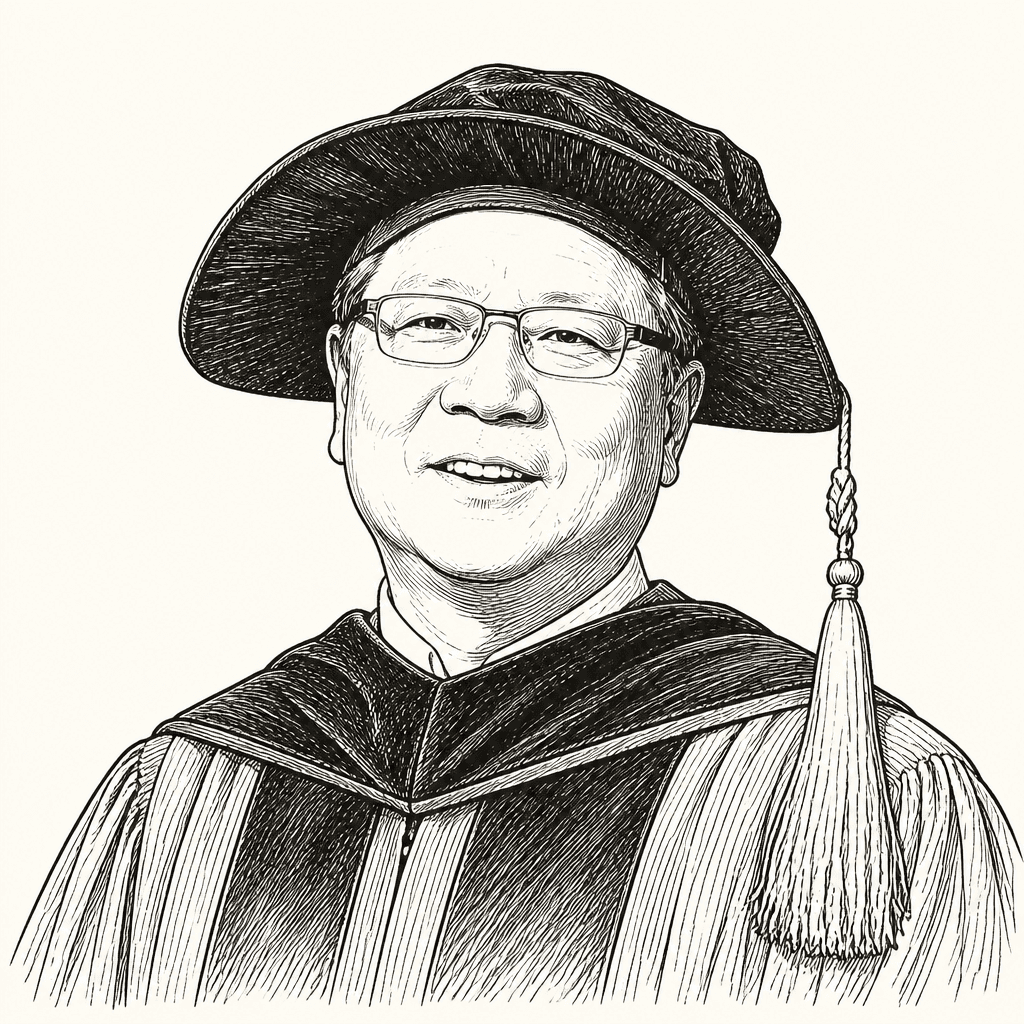
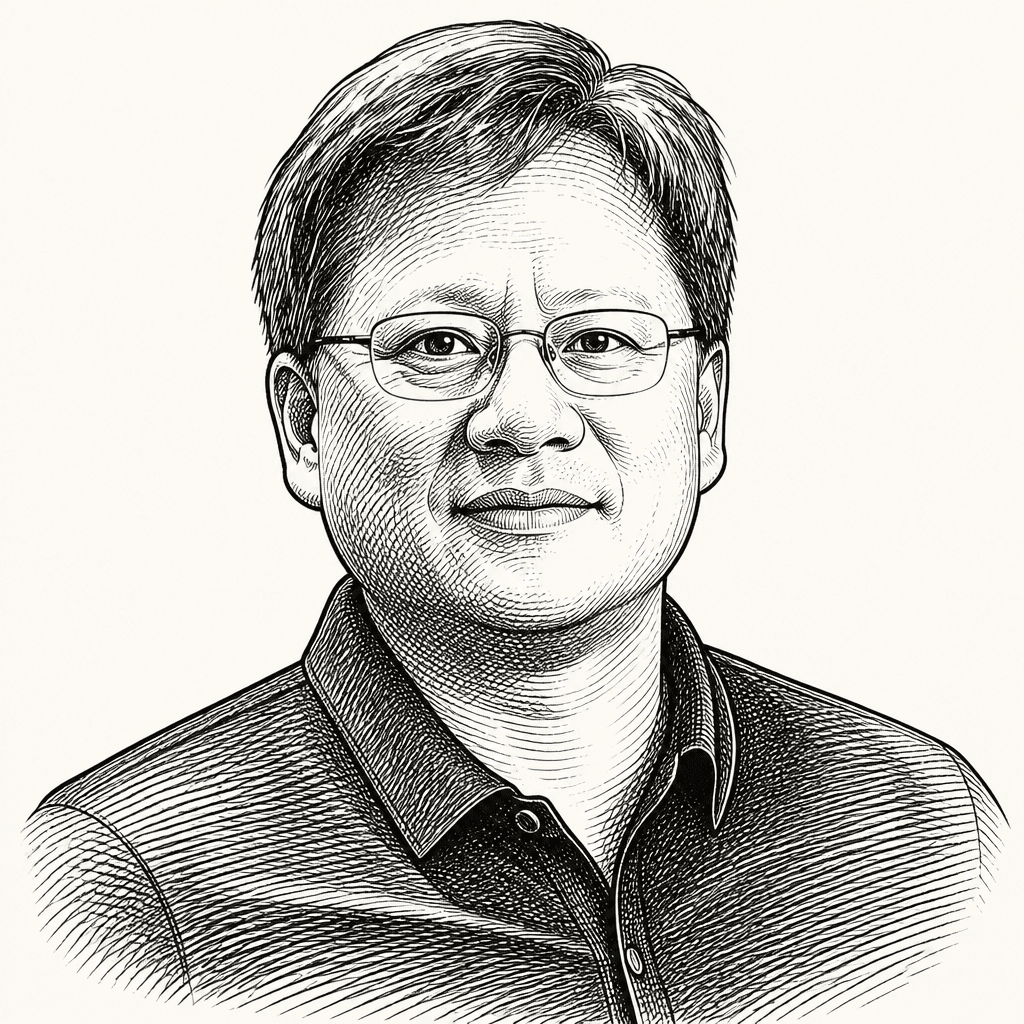
NVIDIA CEO Jensen Huang argues that building AI infrastructure in the United States requires more than domestic chip production: it depends on Taiwanese manufacturing expertise, skilled labor and a growing network of factories, power systems and data centers. Speaking with Wistron Chairman Simon Lin at Wistron’s Fort Worth facility, Huang casts AI systems as industrial equipment that turns electricity and hardware into generated intelligence. His broader case is that countries and companies should use imported AI capabilities, but cannot outsource the manufacturing capacity, institutional knowledge or culture needed to build their own.
U.S. AI manufacturing depends on Taiwanese production know-how
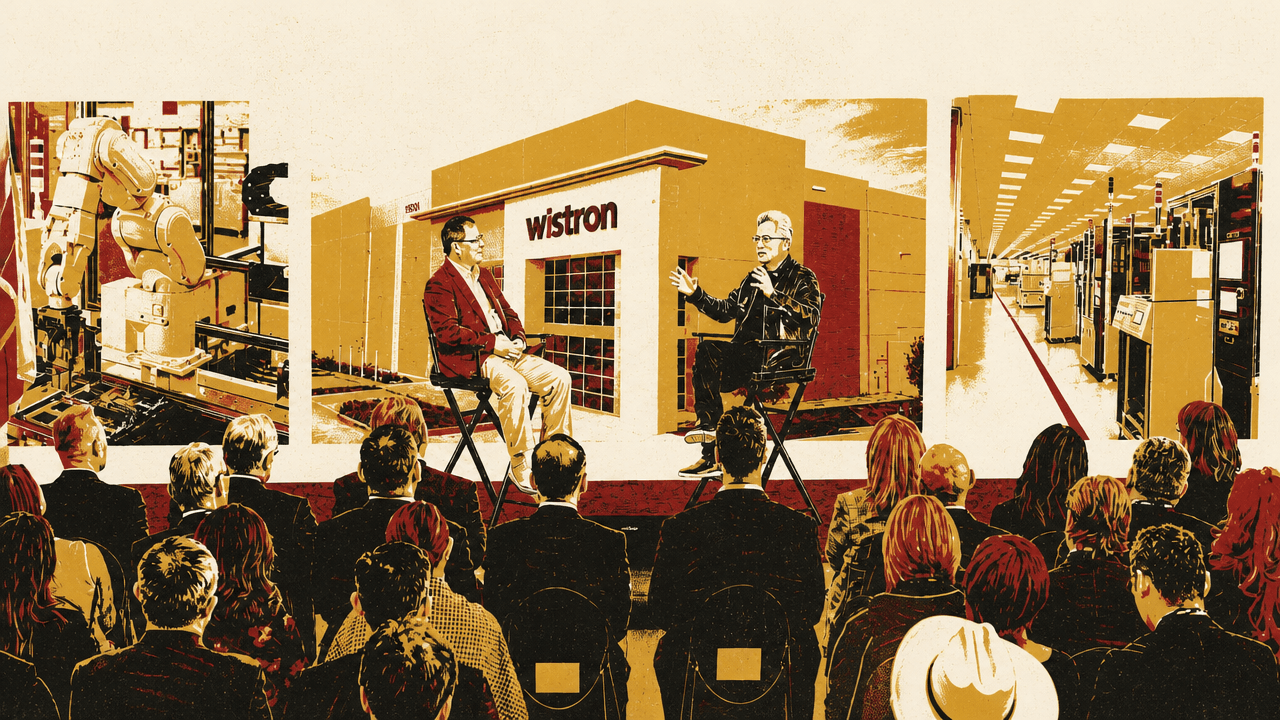
Wistron’s Fort Worth facility is producing NVIDIA’s GB300 Grace Blackwell Ultra Superchip and is slated to produce the Vera Rubin Superchip. Huang presents the site as part of an effort to expand U.S. manufacturing capacity and make supply chains more resilient—but one that depends on the industrial capabilities Taiwanese companies have built.
Jensen Huang describes Wistron as NVIDIA’s partner and friend for more than two decades. He says NVIDIA could not be doing what it is doing without Taiwan’s partnership, including TSMC and Wistron. Taiwan may be the United States’ fourth-largest trading partner, Huang says, but “Taiwan is my largest trading partner.”
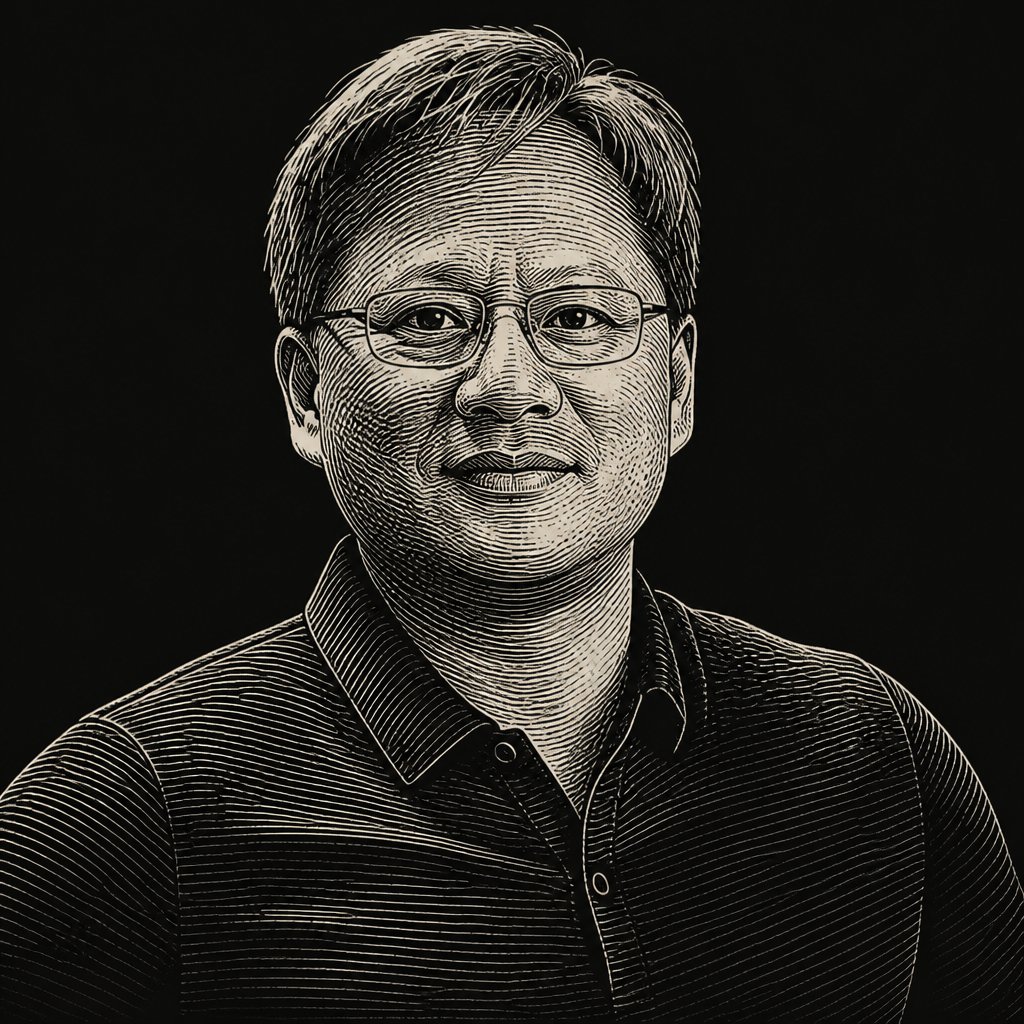
He recounts that President Trump and his administration wanted to reindustrialize the United States by expanding manufacturing capacity, increasing jobs, reshoring supply chains, and making those supply chains more resilient. Huang connects that ambition to a growing physical footprint: chip plants, packaging plants, computer-system plants, AI data centers, and AI factories.
The labor requirement extends well beyond semiconductor production. Huang points to construction workers, plumbers, electricians, and manufacturing workers as beneficiaries of the buildout, and says manufacturing employment in the United States has increased by several million people in recent years. But he also identifies a constraint: there are not enough people locally with the needed skills. Wistron has brought workers from Taiwan to help establish capacity.
His image of Arizona “looking like Taipei,” with Taiwanese restaurants following the industrial expansion, captures the practical reality of reshoring as he describes it. The movement of manufacturing capacity also brings technical workers and the communities around them. Huang expects Dallas–Fort Worth to acquire better beef noodle soup as another consequence of that migration.
The result is not a simple return to an earlier U.S. industrial model. Huang’s claim is that America can build a new manufacturing base for AI, but it is doing so through partnership with the industrial capabilities Taiwan has developed.
AI factories turn electricity and hardware into generated intelligence
The term “AI factory” is Jensen Huang’s attempt to make the physical economics of generative computing visible. A traditional data center stored recorded information—photos, videos, news, documents, and files—and returned it when requested. Generative computing instead processes a question through neural networks, potentially searching, reading, reasoning, writing, creating images, or generating tables before producing an answer.
That retrieval-based computing model is now being replaced by a generative model, where we generate intelligence based on your question.
For Huang, the chatbot or website is therefore a misleadingly small part of AI. It is the interface through which a user encounters the system, not the industry that makes the output possible. Behind it sit power systems, chips, data-center infrastructure, and machines such as the GB300 system assembled at Wistron’s facility.
Huang calls the GB300 behind him “the most powerful AI supercomputer in the world.” He says each system has 1.5 million parts, weighs two tons, costs $4 million, and is being produced in volume at Wistron with robots assembling those parts.
The factory analogy depends on what these systems produce: tokens. Huang acknowledges that tokens are fundamentally numbers, but says those numbers can become words, poetry, answers, images, or songs. The output is therefore not simply information retrieved from a database; it is generated material shaped to a user’s request.
Simon Lin characterizes AI factories as makers of tokens and says users already pay to consume very large quantities of them. Huang offers two illustrations of why token value should not be mysterious. He says each pixel in a Netflix viewing came from a token. Separately, he says he paid $24.99 for a movie over the weekend, though he does not know how that payment maps onto the billions of tokens involved. In his framing, the novel feature of generative AI is not that people value computational output, but that the output can be intelligence rather than entertainment.
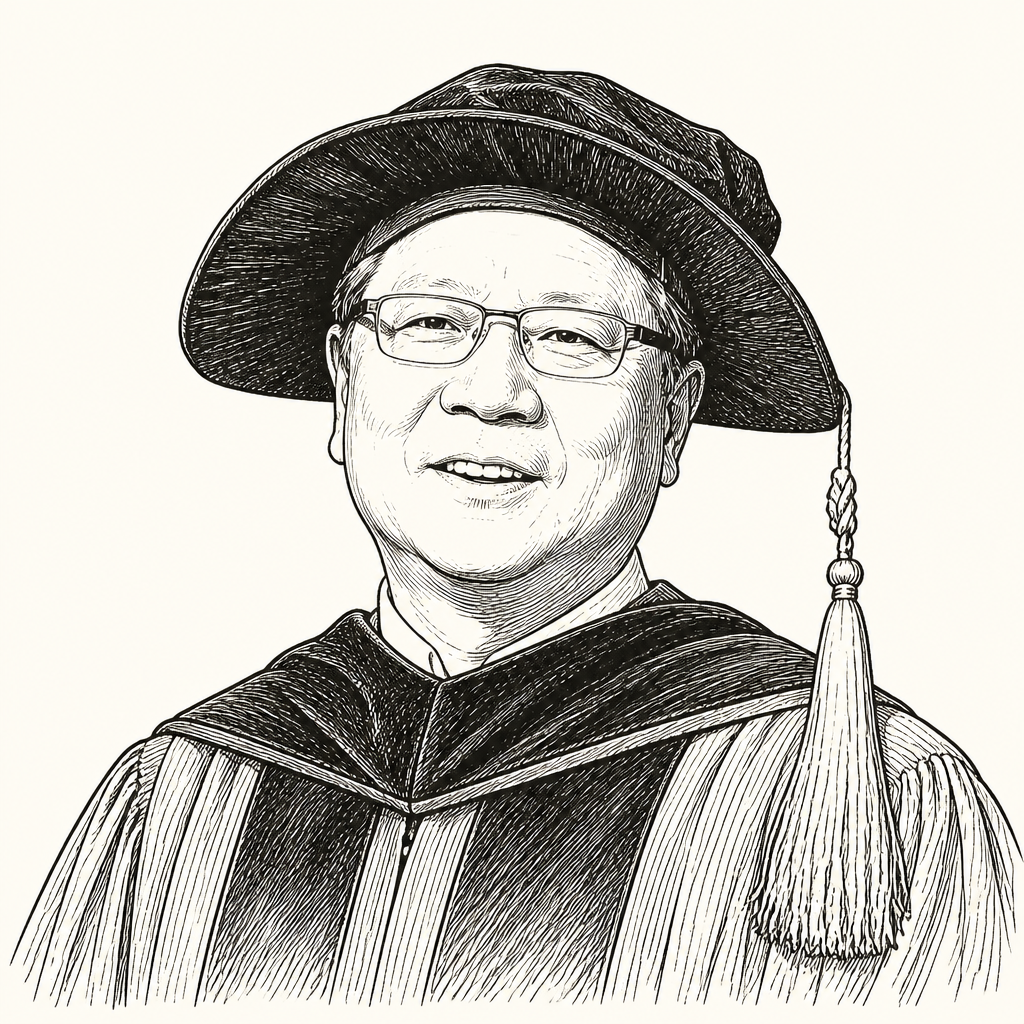
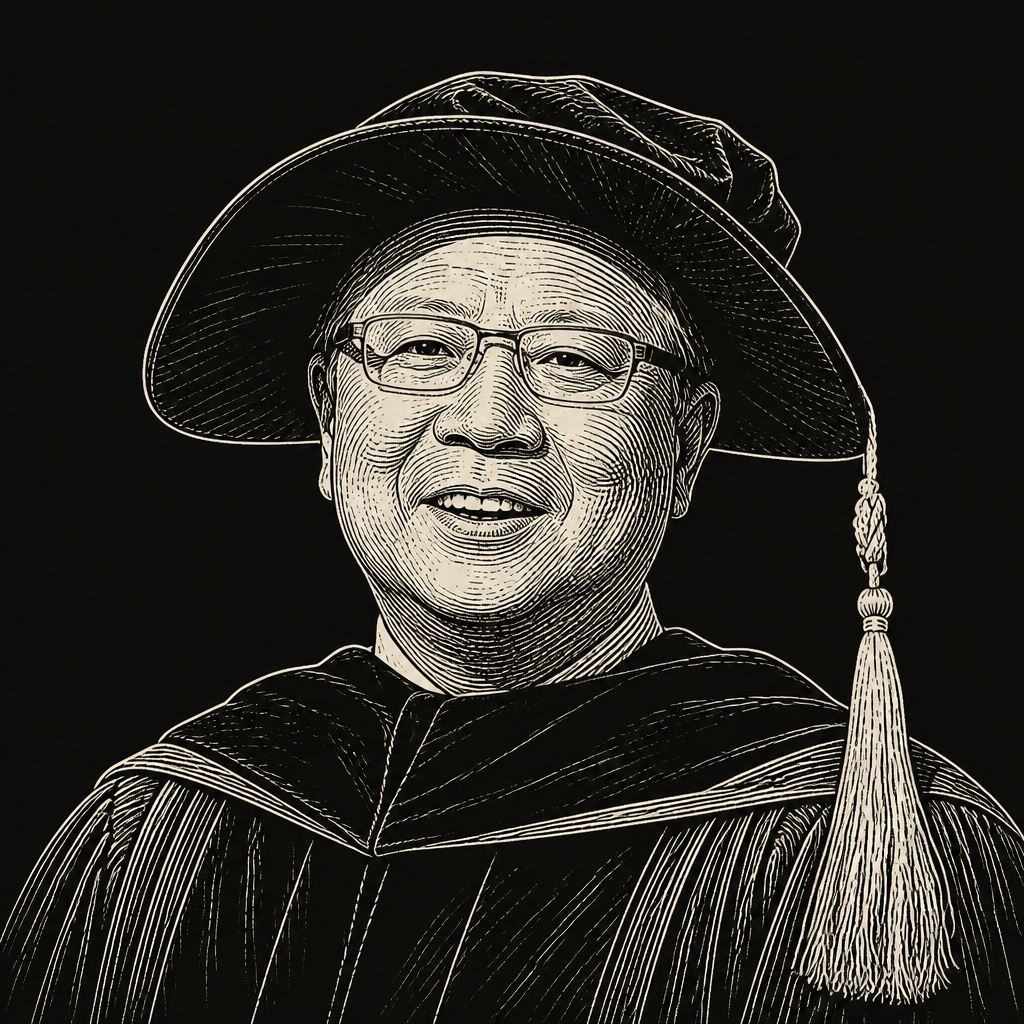
Humanity is largely driven by tokens today, and now we have tokens that are not movies, we have tokens that’s intelligence.
That claim has a direct implication for hardware demand. Huang describes the older retrieval-computing model as roughly the right size, growing at about 25% annually. Generative computing, by contrast, puts a supercomputer “between you and the file” in the data center. He estimates that the amount of chips required could increase by ten times.
The data center consequently becomes a productive facility rather than primarily a storage site. Electricity enters, computing systems generate tokens, and those tokens are sent out over the internet. Huang compares this process to agriculture and logistics: inputs arrive at a factory, are transformed into a useful output, and that output is distributed through a network.
In the future, these AI factories will be a fundamental infrastructure of society.
Huang uses a law firm to show what he means by AI becoming a new economic input. A law firm is currently low-capital-expenditure, he says: its intelligence is supplied by people, supported by “coffee and hamburgers.” In the future, it will combine human work with electricity that produces tokens. That makes even a relatively small professional-services business more capital-intensive.
He extends the logic to financial services, insurance, health care, transportation, manufacturing, education, and scientific research. The eventual gain, in his account, lies less in the model layer visible to users than in the diffusion of AI capabilities through those industries. This new layer of capital expenditure and industry will “probably” amount to trillions of dollars, he says.
Huang argues that AI infrastructure can support investment in sustainable energy and grid upgrades through market dynamics rather than government subsidy. He says modern AI factories are energy-efficient and use cooling systems in which liquid is recirculated through passive thermal processes, with little water use and no liquid lost. He also says the facilities create demand for construction, electrical, and manufacturing work.
Imported intelligence cannot replace capacity of one’s own
The strategic implication of Huang’s industrial argument is not self-sufficiency. Countries, companies, and communities should use off-the-shelf intelligence whenever it is available and useful, he says. They should import knowledge, culture, entertainment, and AI capabilities rather than attempting to recreate everything themselves.
But the ability to use imported intelligence is different from the ability to outsource one’s own.
Simon Lin raises the question in terms of communities: how can they use their own culture and intelligence to build better AI systems? Huang’s response makes culture and institutional knowledge part of the AI-capability question. A company cannot outsource all of its intelligence, he says; neither can a country. Nor can a society outsource its culture.
No country can outsource its intelligence. No company can outsource all of its intelligence. And also culture. No society can outsource its culture.
That distinction supports Huang’s case for both closed and open models. Closed models offer ready-made, off-the-shelf intelligence. Open models provide a different kind of access and capacity. He does not treat them as interchangeable, and he does not suggest that any country or company must choose one exclusively. The requirement, in his view, is access to both: being deprived of either would limit a country’s or company’s ability to cultivate its own capabilities.
The argument mirrors the manufacturing case at Fort Worth. Wistron’s facility demonstrates that industrial capability can be internationally assembled: Taiwanese companies and workers help establish U.S. production. But global partnership does not eliminate the need for domestic capacity. In Huang’s account, it helps create that capacity.
He applies the same principle to intelligence. A country should import as much knowledge and intelligence as it can use, while also generating and cultivating intelligence rooted in its own companies, institutions, culture, and needs. The future he describes is globally connected, but not one in which strategic or cultural capability can be wholly delegated elsewhere.