NVIDIA Says Agentic AI Is Forcing a Redesign of Enterprise Computing
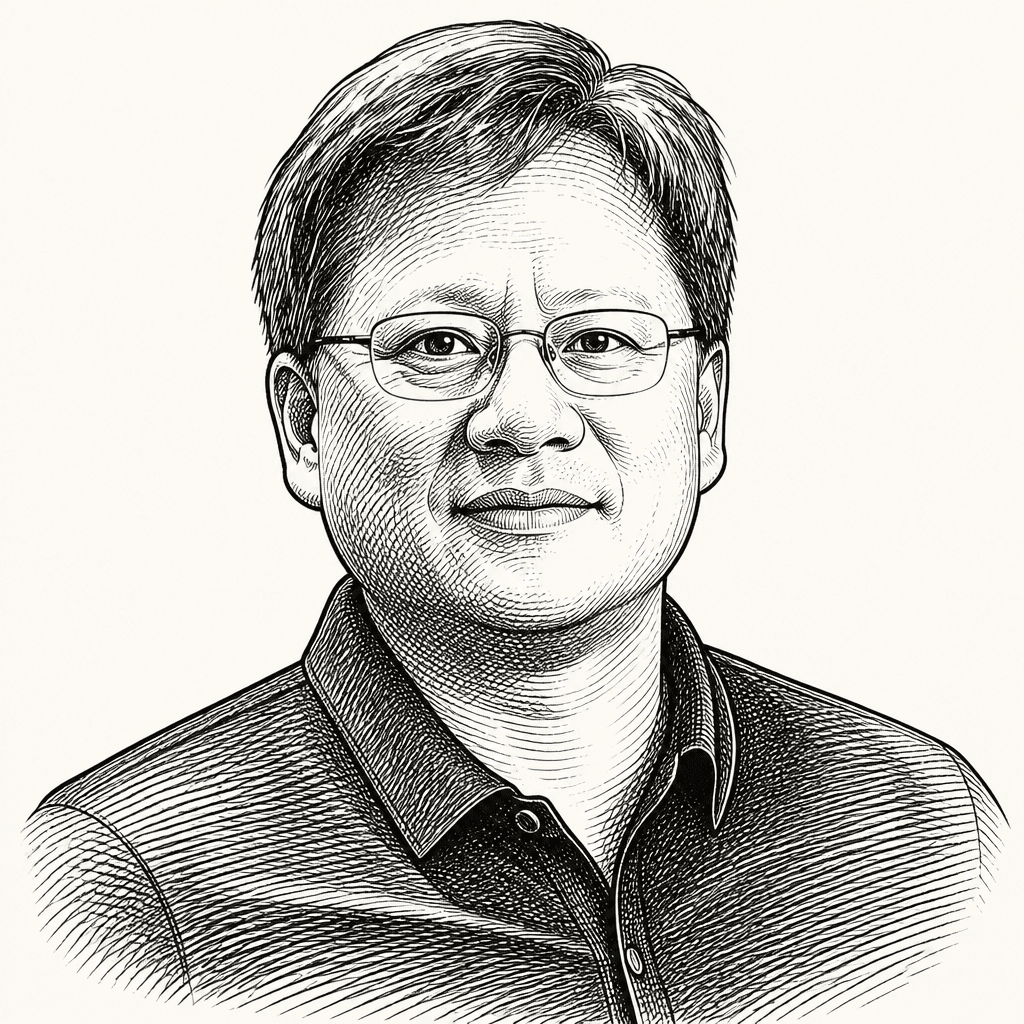

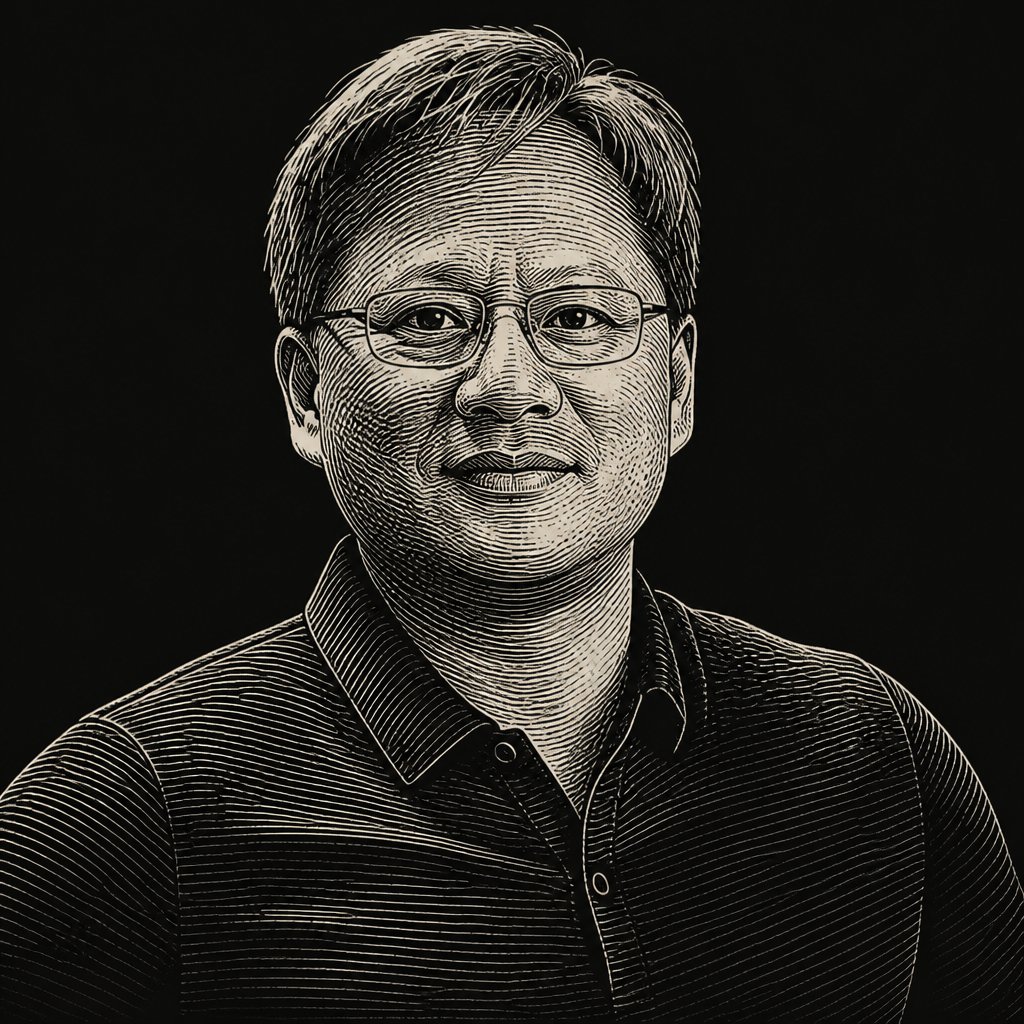
At GTC Taipei during COMPUTEX, NVIDIA founder and chief executive Jensen Huang argued that agentic AI and frontier models have already changed the computer industry. The company’s case was that enterprises now need full agent-building infrastructure, AI-capable PCs such as RTX Spark represent a break from the old laptop model, and production hardware including Vera Rubin will underpin the next phase of AI computing. NVIDIA framed that shift through Taiwan’s manufacturing ecosystem, presenting Taipei as both industrial partner and symbolic home.

NVIDIA’s computing thesis starts with agents
Jensen Huang described the change in computing as already underway: “The computer industry has been completely changed, because agents were realized, and it converged with the latest frontier models.” That was the central technology claim at GTC Taipei. NVIDIA’s account of the next phase of computing rests on the arrival of agentic AI, the availability of frontier models, and the need for new hardware and enterprise infrastructure to make those agents useful.
The agent claim was not presented as a narrow software feature. NVIDIA’s enterprise slide, titled “Announcing NVIDIA Agent Toolkit for Enterprise AI,” laid out a system diagram labeled “NEMOCLAW.” The visible components included Prompt, Orchestration, Context, Reason, Act, and Memory, connected to OpenShell, Tools & Skills, Security & Governance, CUDA-X, NIM/Microservices, and NVIDIA Open Models.
That architecture placed the agent inside an enterprise stack. It treated agents as systems that need reasoning, action, memory, tool access, orchestration, governance, model infrastructure, and deployment components. Huang’s claim followed from that stack: “This is the NVIDIA toolkit for agents. This is the reason why every enterprise company in the world has the ability now to create their own agents.”
The phrase “every enterprise company in the world” was the broadest capability claim in the remarks. NVIDIA was not positioning the agent toolkit as a single assistant or a demo chatbot. It was presenting a set of building blocks for enterprises to create their own agents, tied to NVIDIA’s model, microservice, security, governance, and accelerated-computing layers.
RTX Spark was cast as the AI-era PC break
The PC claim was even more sweeping. Over a visual labeled “NVIDIA RTX Spark,” Huang described RTX Spark as “a reinvention of laptop” and “the first completely re-engineered, reinvented line of PCs in 40 years.”
RTX Spark is a reinvention of laptop. This is the first completely re-engineered, reinvented line of PCs in 40 years.
The importance of that statement depends on the agent claim that preceded it. Huang was not merely saying that RTX Spark is a faster laptop line. He tied the change in PCs to the realization of agents and their convergence with the latest frontier models. In NVIDIA’s telling, the personal computer has to be reconsidered because the software workload is changing: agentic systems are becoming a normal part of computing rather than an external service or isolated application.
That is why RTX Spark was presented as a break from the 40-year PC model. The product label sat inside a larger argument about useful AI: if agents are now realizable, and if frontier models are the software substrate, then the PC becomes part of the infrastructure for AI work. NVIDIA’s claim was a redefinition of the laptop around AI capability, not a routine refresh of an existing category.
Vera Rubin supplied the production-stage hardware claim
Huang’s clearest production milestone was Vera Rubin. He told the audience, “Here I am standing in front of you. Vera Rubin is in full production.” He then described it as “the most ambitious endeavor in the history of our company.”
That positioned Vera Rubin as a company-scale infrastructure effort already beyond concept stage. In the remarks, its significance came from two assertions: production status and internal ambition. NVIDIA presented Vera Rubin as a defining hardware undertaking for the company and as part of the computing shift being described around agents, AI PCs, and enterprise AI systems.
The wording also connected the technology announcement to NVIDIA’s broader manufacturing and partnership context. “Full production” carried particular weight in Taipei because the event repeatedly placed NVIDIA alongside Taiwan’s industrial base. Vera Rubin was not treated as an isolated product mention; it sat within a story about building the next phase of AI computing with the companies and ecosystem that make large-scale technology production possible.
Taiwan was positioned as industrial home, not a backdrop
Huang opened by placing Taiwan at the center of NVIDIA’s own history. “Taiwan has always been like home,” he said. “It’s where our journey began, and it’s where the industry comes together.” Taipei 101 was shown at night with “NVIDIA GTC TAIPEI” illuminated on the facade, and Huang welcomed the audience to “GTC Taiwan.”
NVIDIA then placed TSMC, Foxconn, Wistron, Quanta, and GIGABYTE in the frame as Taiwan’s industrial context. The sequence associated the event with the companies and manufacturing ecosystem that surround NVIDIA’s hardware ambitions. Huang’s event-level explanation was direct: “We brought GTC to Taipei. To build, to connect, to show what’s possible, together.”
The partnership language mattered because it framed Taipei as more than the host city for a conference. In Huang’s formulation, Taiwan is where NVIDIA’s journey began and where the industry comes together. The production claim around Vera Rubin, the enterprise claim around agent toolkits, and the PC claim around RTX Spark were all presented inside that Taiwan-centered setting.
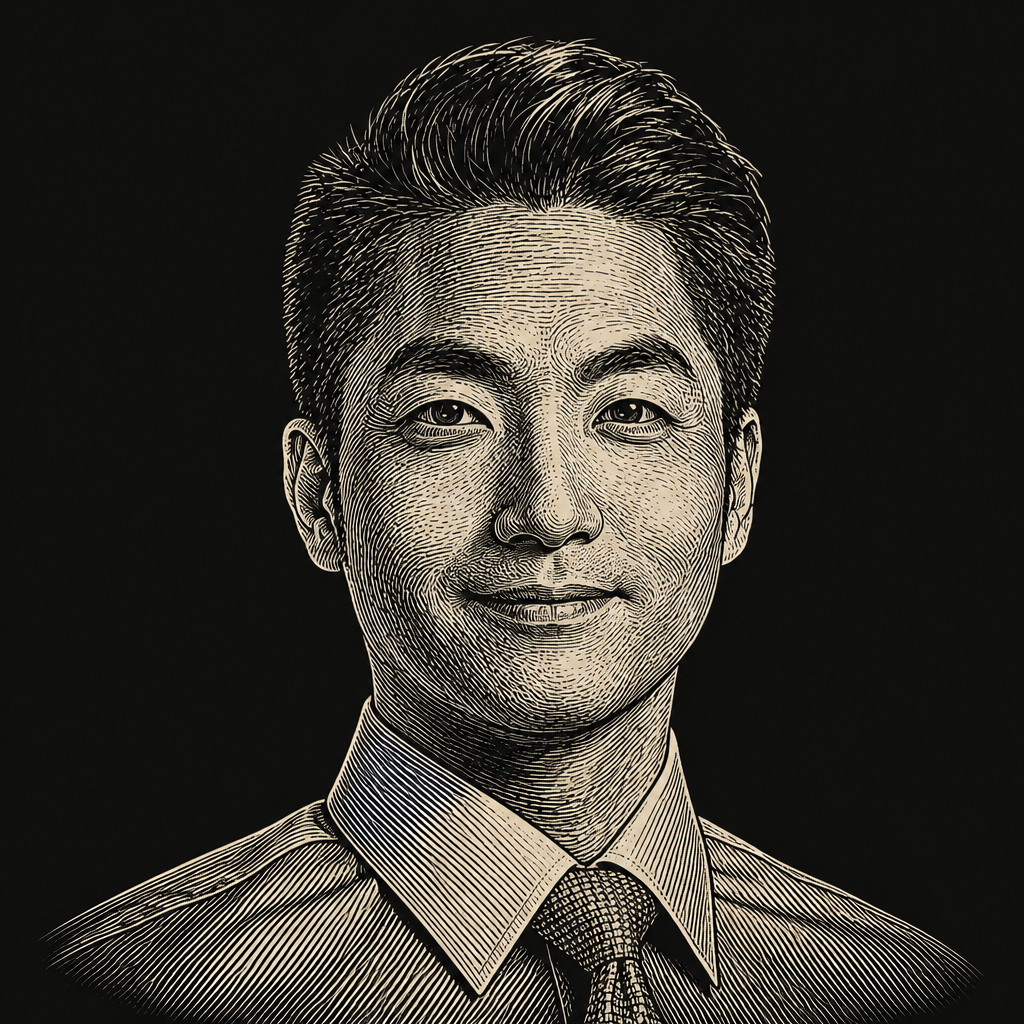
The civic message reinforced the same point from Taipei’s side. Wayne Chiang, identified as mayor of Taipei, said: “The world is watching NVIDIA shape the future of AI. And today, Taipei is proud to be part of that future.” Taipei 101 later displayed “TAIPEI NVIDIA” with a heart icon, extending the same partnership signal visually.

NVIDIA’s compact argument was that agentic AI has arrived, frontier models have changed the computer industry, enterprises now need agent-building infrastructure, PCs are being rethought around AI work, and production-stage hardware such as Vera Rubin is part of that shift. Taipei’s role was integral to that presentation: a symbolic home, a partner city, and the visible setting for NVIDIA’s account of what comes next in computing.