Firebird Plans 250 Megawatts of AI Infrastructure Across Armenia and Kazakhstan
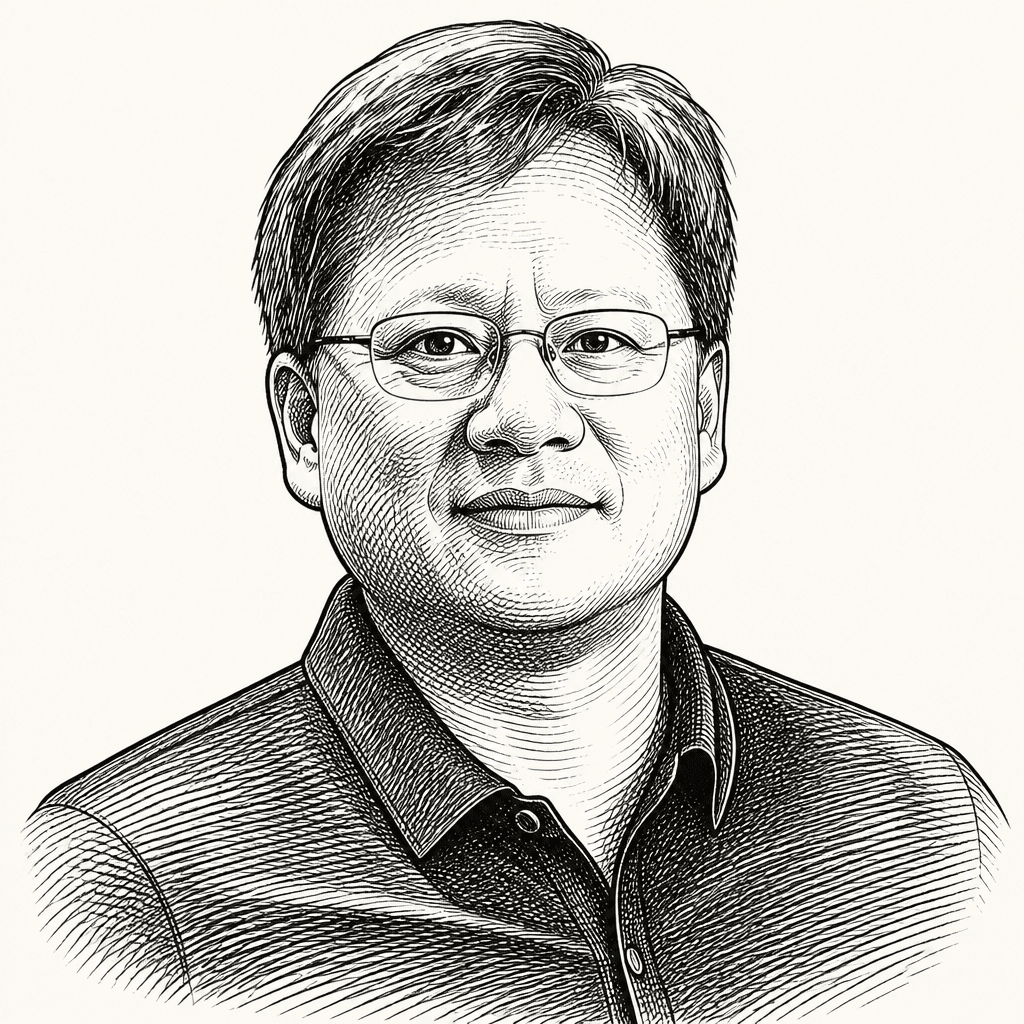
NVIDIA says Firebird has launched the CIS region’s largest AI factory in Armenia and plans to deploy 250 megawatts of NVIDIA AI infrastructure across Armenia and Kazakhstan within 12 months. Jensen Huang argues that broadly available AI services do not eliminate the need for countries to build local computing capacity: “No nation can outsource all of its intelligence.” He presents the buildout as infrastructure for domestic researchers, companies and governments, while seeking to attract global firms to develop and run AI in the region.
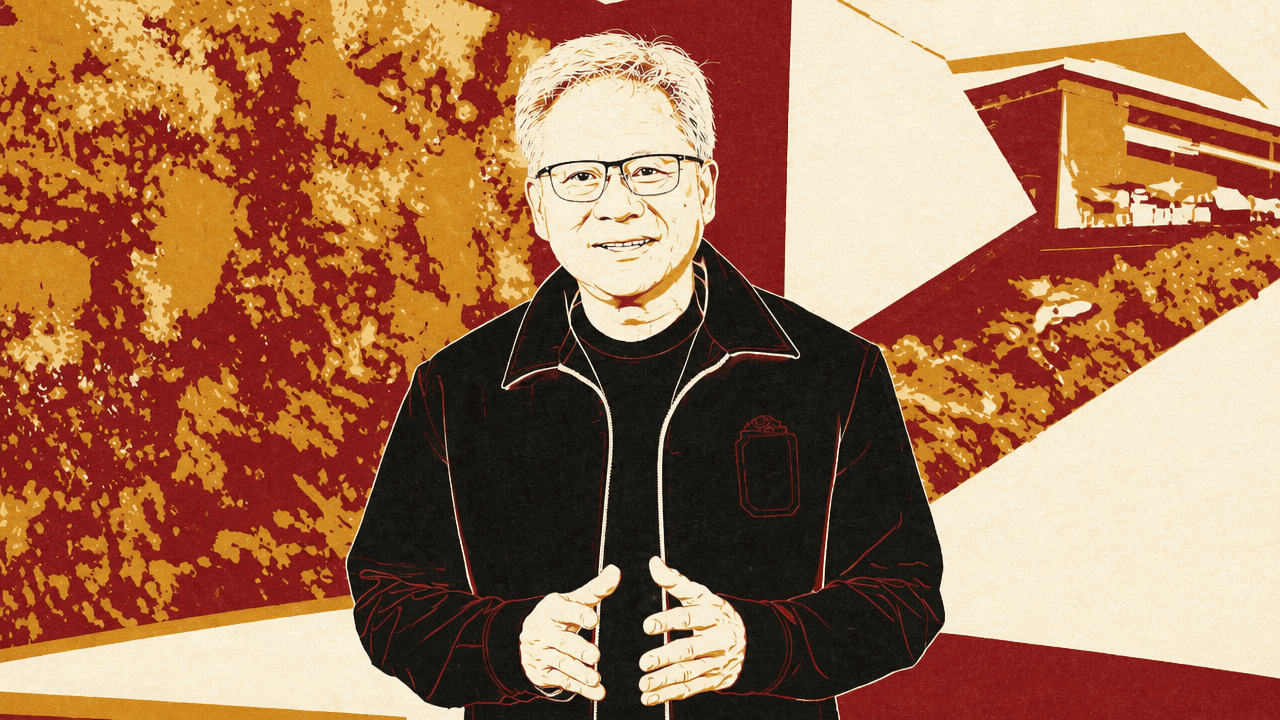
Firebird launches an Armenian AI factory alongside a 250-megawatt regional plan
NVIDIA describes Firebird’s newly launched facility in Armenia as the CIS region’s largest AI factory, built with NVIDIA accelerated computing and Dell Technologies high-performance AI infrastructure. Jensen Huang paired that launch with a broader commitment: over the next 12 months, Firebird plans to bring 250 megawatts of NVIDIA AI infrastructure across Armenia and Kazakhstan.
Huang addressed both Armenia and Kazakhstan and said the infrastructure would serve “your researchers, your startups, your industries, and your governments.” He framed Firebird and NVIDIA’s role as building AI infrastructure for the two nations, rather than merely providing access to AI services operated elsewhere.
The proposed capacity is intended to support local development while drawing outside activity into the region. Huang called the deployment a “magnet” for companies around the world to build and run AI there, and a “catalyst” for startups built on compute available at home. In his account, it would give builders in Armenia and Kazakhstan capacity to develop the next generation of AI and connect the region to the global AI economy.
The planned 250MW spans two countries, but no country-by-country allocation has been disclosed.The announcement sets out a 12-month regional capacity plan, not a detailed construction or deployment schedule. Huang did not specify the sites beyond the Armenian launch, when capacity would come online, or which organizations would receive access to it.
The strategic claim is that AI capacity cannot be wholly imported
Huang’s case for the buildout rests on a distinction between access to global AI services and the capacity to create and operate AI locally. He said services from companies such as OpenAI and Anthropic will be available around the world. But, in his formulation, that availability does not remove the need for countries and companies to build their own AI.
Intelligence, like energy, cannot simply be imported. Every company and every country must build its own AI. No nation can outsource all of its intelligence.
The argument is not a rejection of globally available cloud services. Huang instead describes a layered arrangement: external services may remain broadly accessible while countries develop the computing infrastructure needed to create, run, and adapt AI for their own needs.
His rationale is computational. AI will, he says, become integrated into applications, devices, and workflows; every query, agent interaction, and reasoning step generates tokens, and every token requires compute. “AI demand is now compute demand.” The constraint, in this view, is not only whether an organization can call a model through a network, but whether it has sufficient underlying capacity to develop and deploy AI at meaningful scale.
Huang characterized AI as a general-purpose infrastructure layer, comparable to electricity and the internet, rather than a service for a narrow set of use cases. He pointed to applications ranging from medical scans and fraud detection to manufacturing quality control, scientific discovery, and software agents that reason, code, and act for companies.
AI factories turn energy into intelligence. This is the infrastructure of the AI era.
For Huang, that is the operating logic of the Firebird deployment: energy powers infrastructure that supplies compute for AI work, giving local builders capacity at home while positioning the region as a place where global companies can build and run AI.