Automated Cognitive Intelligence Can Sustain Decades of AI Growth
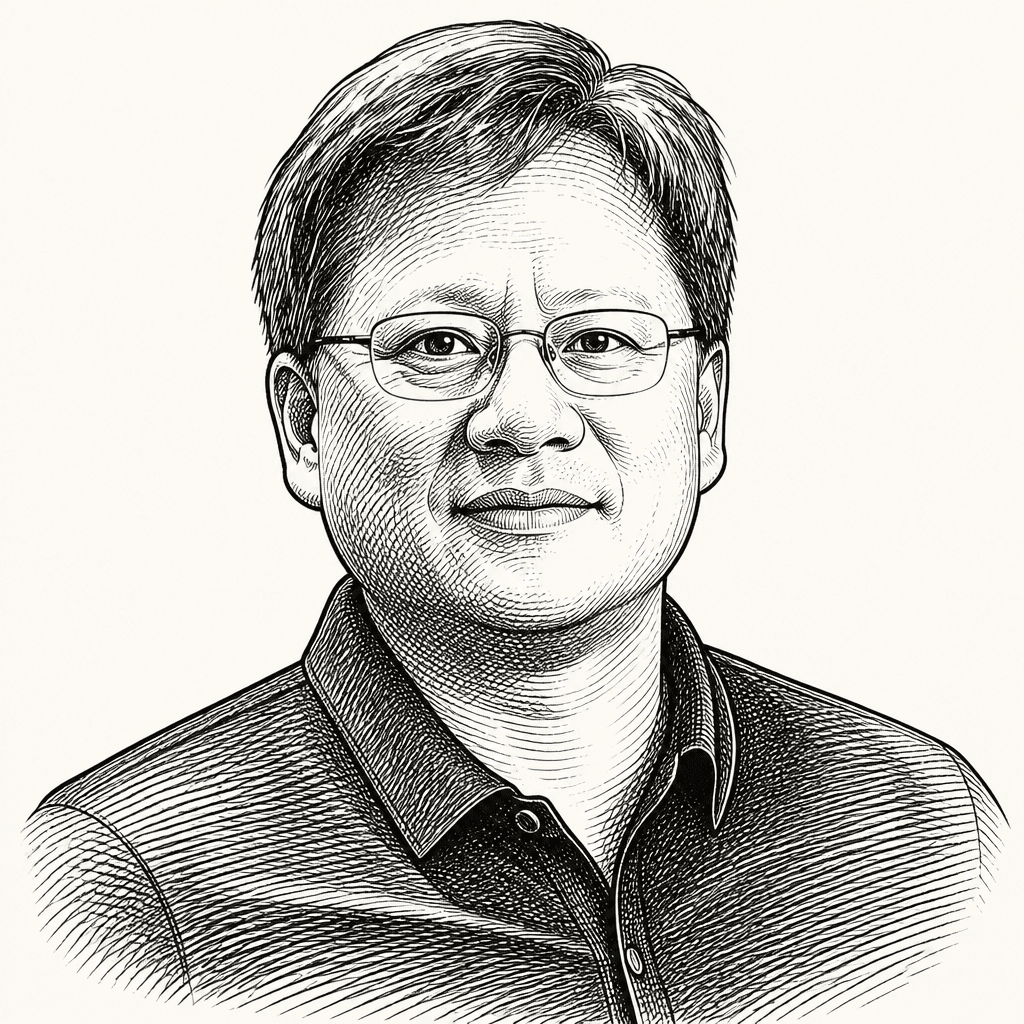
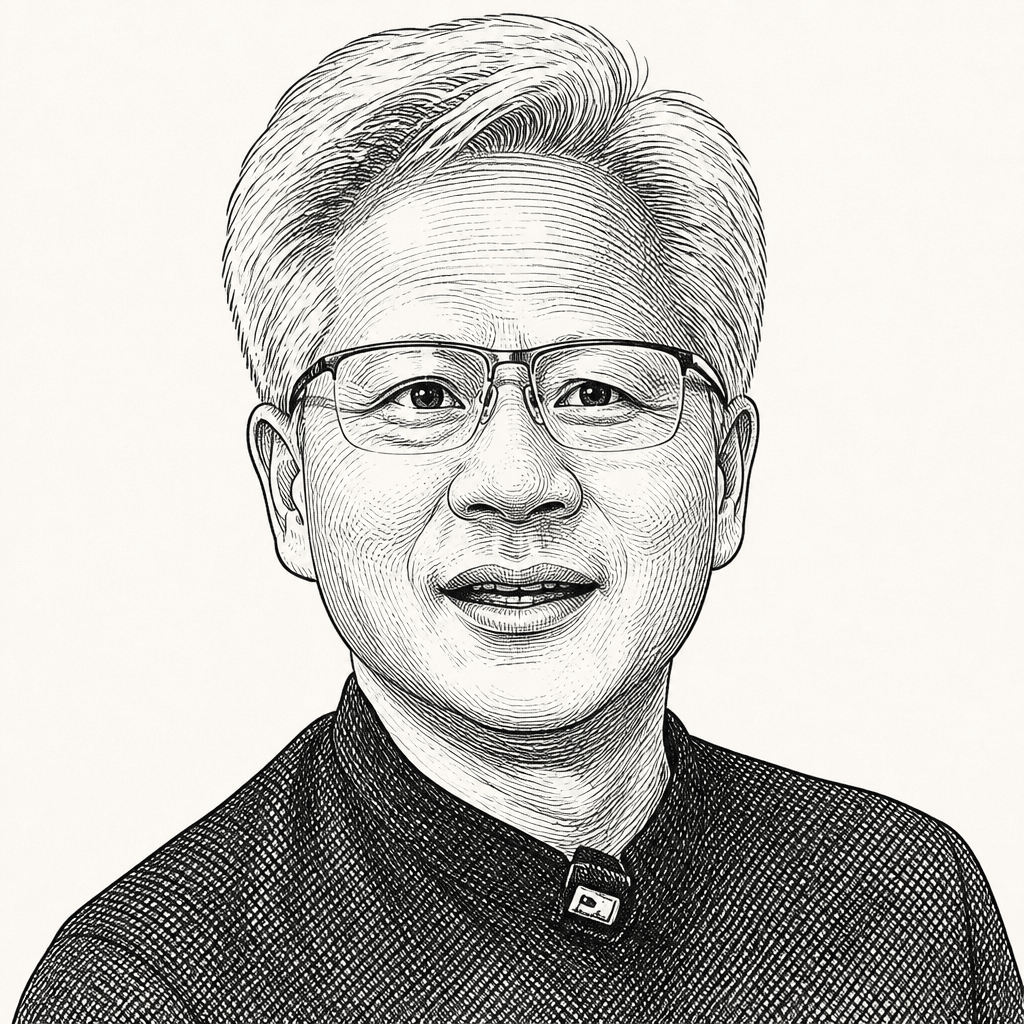
Asked about fears of an AI bubble during a TVBS exchange in Taiwan, Nvidia chief executive Jensen Huang argued that the durability of the industry rests on usefulness rather than market timing. Because AI can now automate cognitive intelligence, Huang said, demand for compute and AI capability should have “decades” of growth ahead, with Taiwan’s chip and packaging partners positioned inside that buildout. His advice to individuals was similarly practical: learn the technology and use it to improve their own work rather than stand aside.

Huang answered bubble fears with usefulness, not timing
Asked by Tingting Liu what he would say to people who fear an AI bubble, Jensen Huang did not offer a market forecast. He argued from utility: intelligence is useful, AI now makes cognitive intelligence automatable, and that capability has value across many industries and for many people.
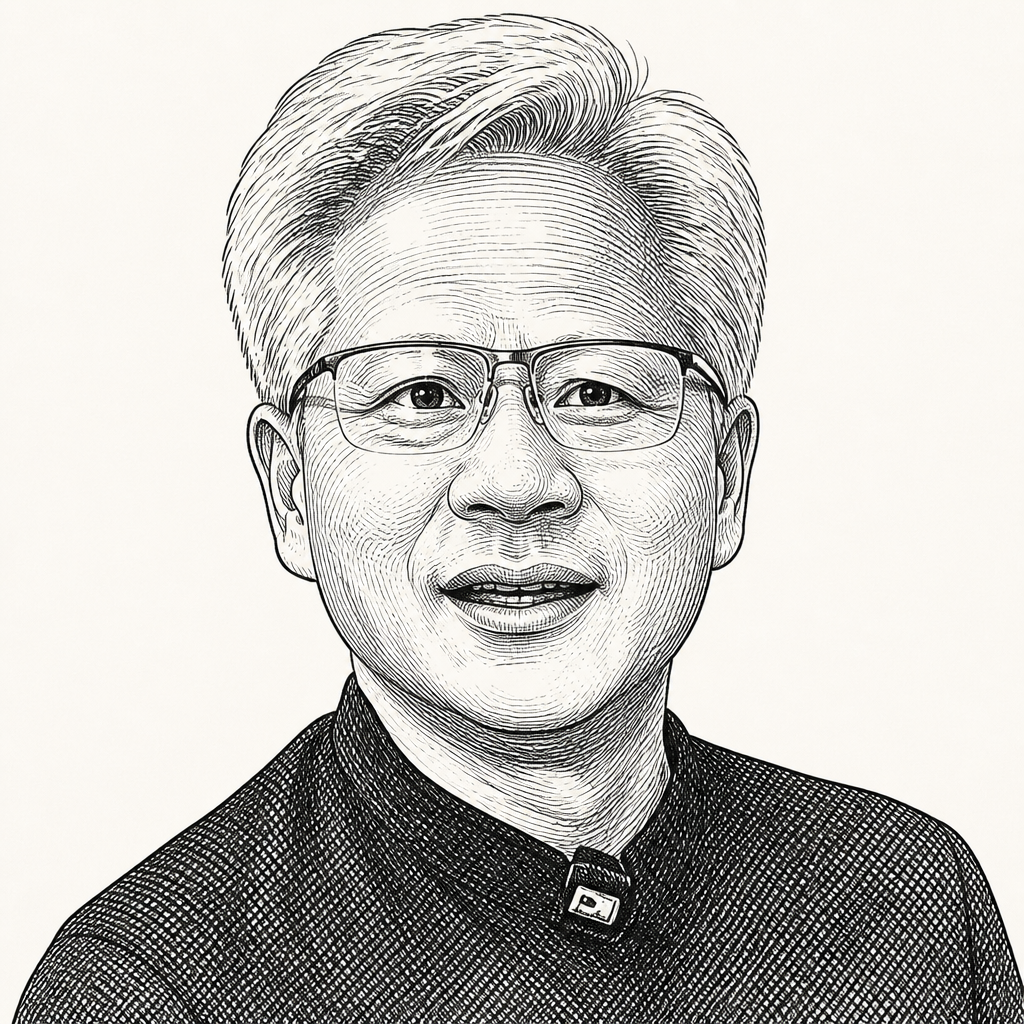
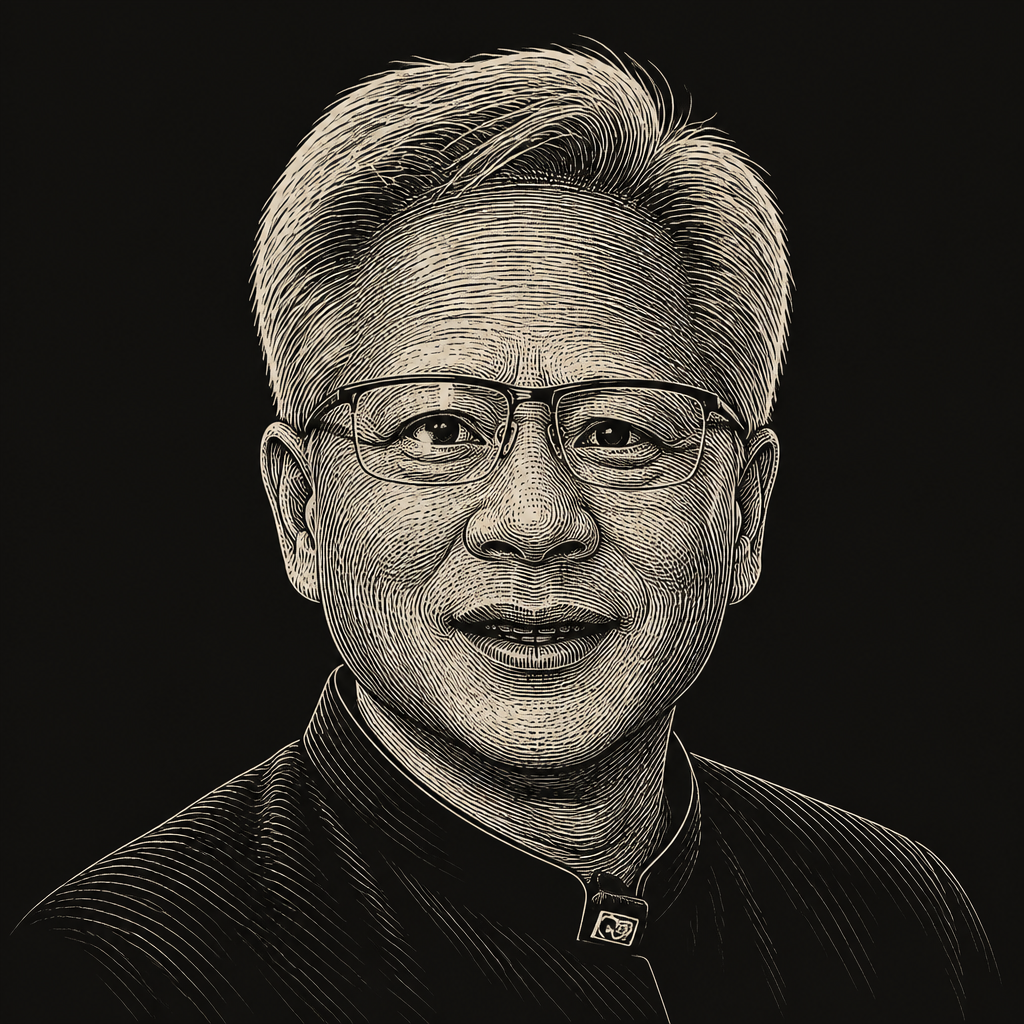
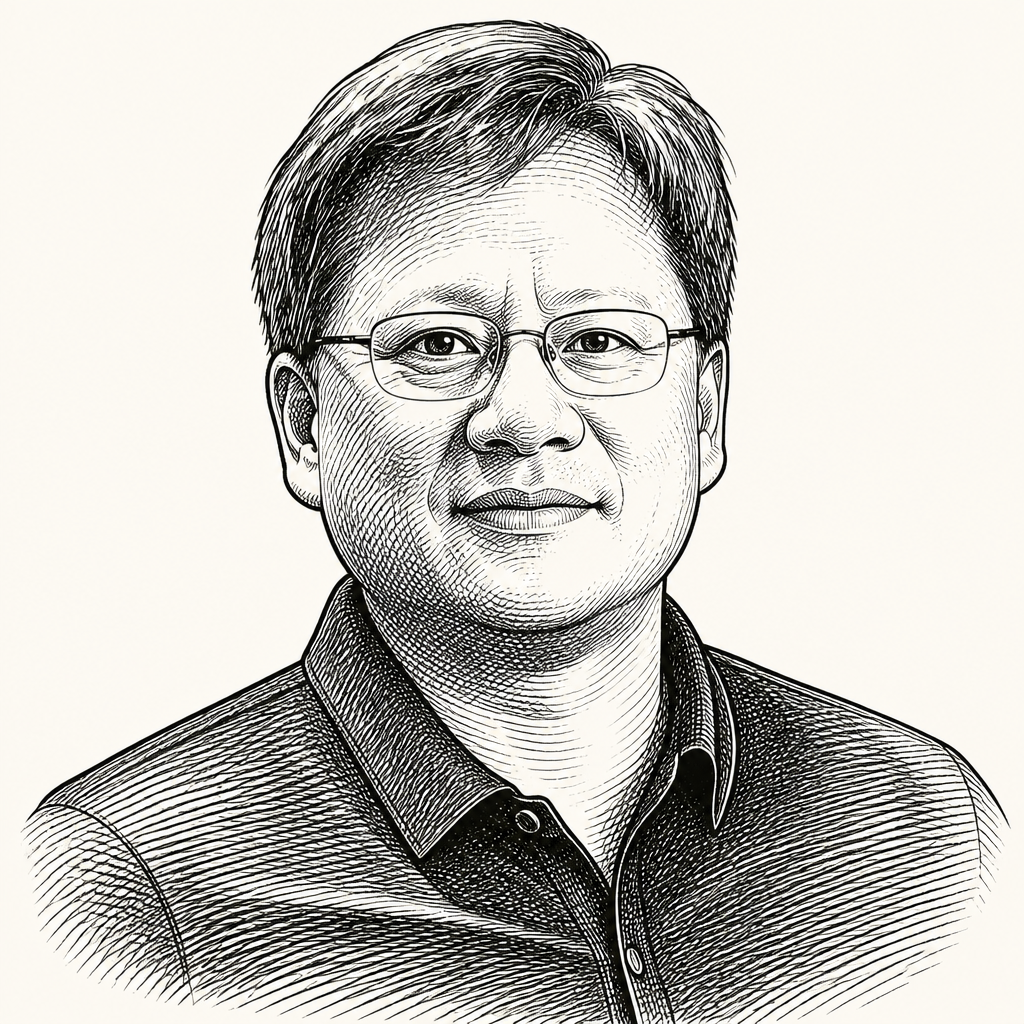
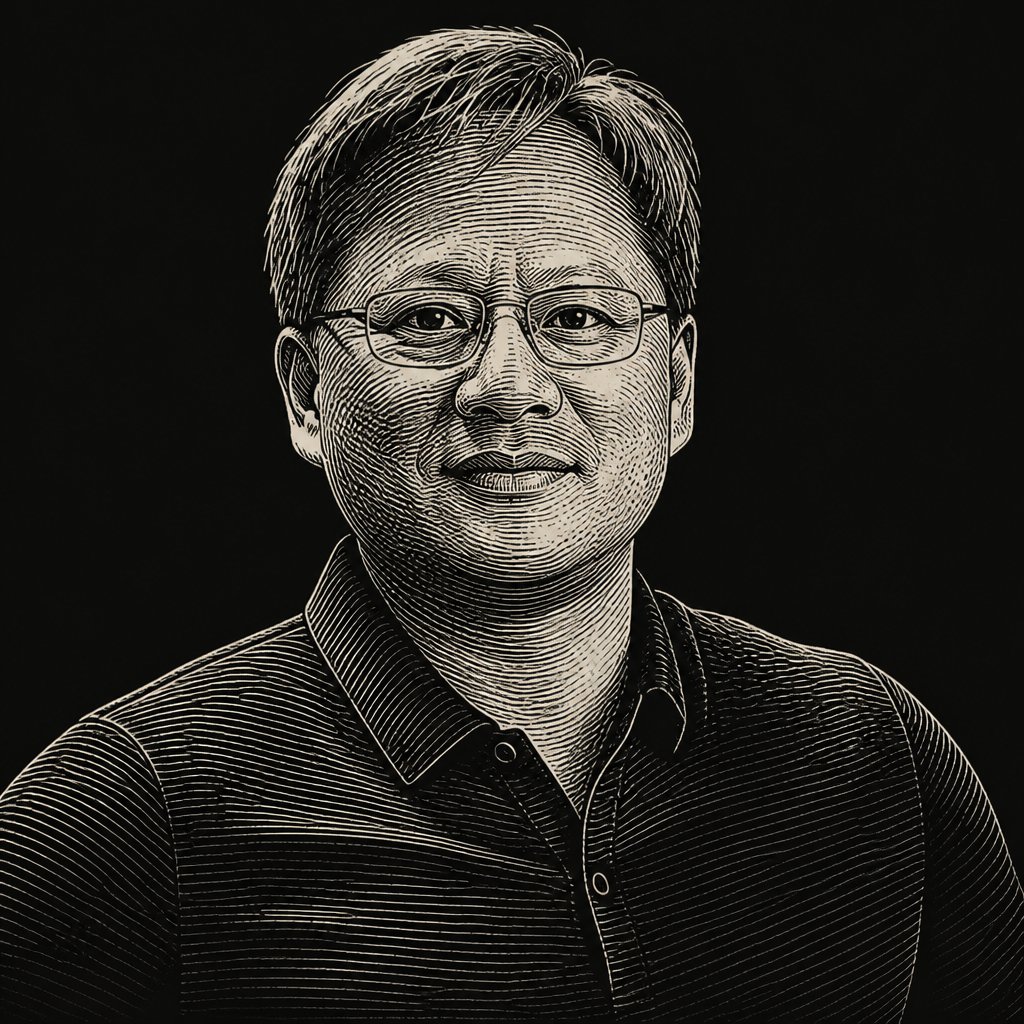
The overall industry has decades to go. And the reason for that is we know this. Intelligence is fundamentally useful. We now have the ability to automate cognitive intelligence.
From that premise, Huang said the industry has “many, many years of growth to go.” The answer treated the durability of AI demand as a function of what the technology can do, rather than as a question of current enthusiasm or valuation. If cognitive work can be automated, his claim was that the addressable usefulness is broad enough to sustain growth for decades.
Huang then turned the same premise into personal advice. A useful test, he said, is to ask what one would advise one’s children to do. His answer was not to stand aside from AI, but to engage it: take advantage of the technology, become good at it, and use it to raise the level of one’s own work.
The phrasing mattered because it moved the response from “is this a bubble?” to “what posture should people take toward the capability?” Huang’s advice was adoption and competence. People should not, in his words, “let AI leave us behind,” but should use it to “elevate yourself, elevate your craft.”
Taiwan was placed inside the compute buildout
Before the bubble question, Huang framed the Taiwan setting around the production of compute. After greeting the room and prompting the crowd to say hello for broadcast television, he said Taiwan was “so busy” because TSMC, SPIL, Amkor, and NVIDIA’s partners were involved in “creating more compute for the world.”
That remark supplied the infrastructure side of his later answer. Huang named the companies and partner network participating in the buildout, then tied the need for more compute to his broader view that AI has a long runway because automated cognitive intelligence is broadly useful. In the brief exchange, Taiwan was not treated as a backdrop; it was described as part of the system making that compute available.