Psychiatry Has Treatments but No Reliable Cures for Serious Mental Illness
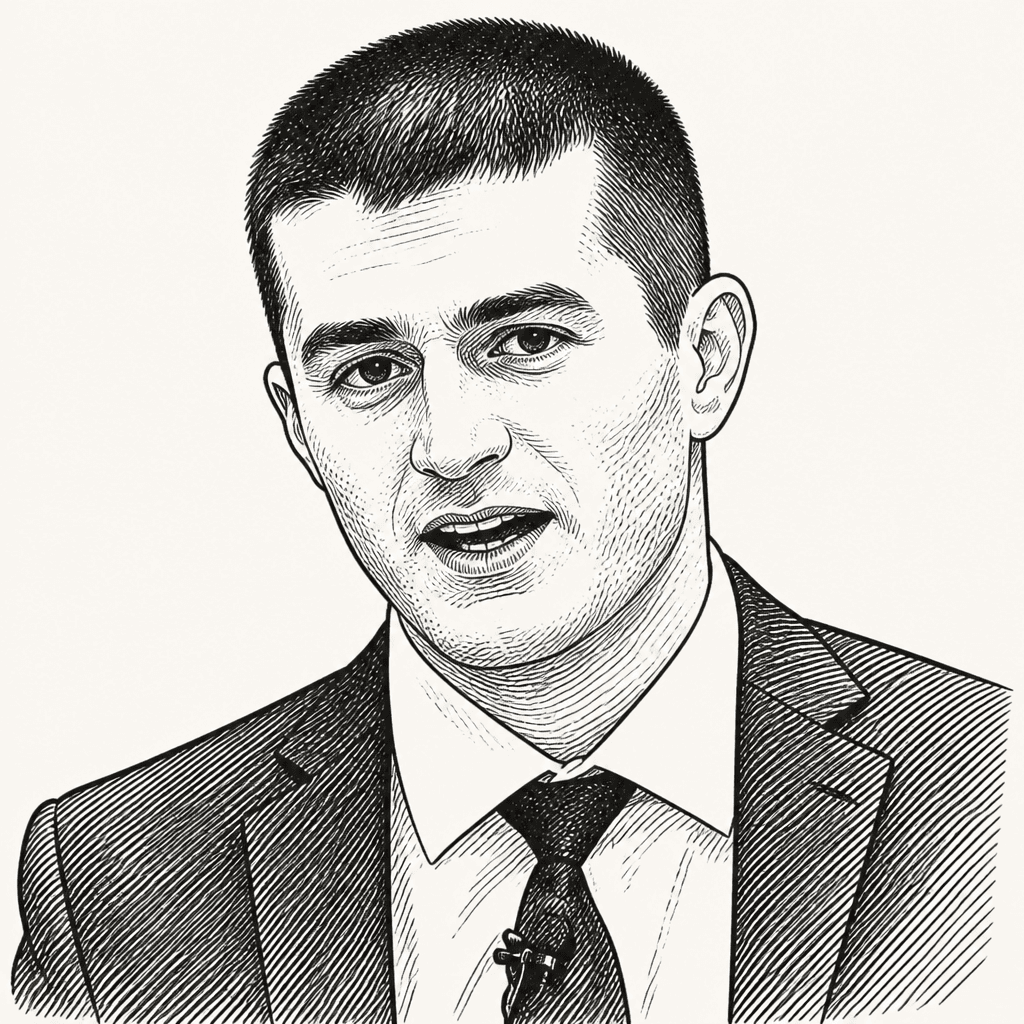

Historian Andrew Scull argues that psychiatry can relieve severe suffering but still lacks cures or biological explanations for its major diagnoses. In his account, the field’s history—from asylums, lobotomies and early shock therapies to modern drugs and diagnostic categories—shows how readily limited evidence and institutional convenience can be mistaken for medical understanding. Scull’s practical conclusion is not to reject treatment, but to judge it by individual benefit and harm while treating housing, continuity of care and patient agency as clinical necessities.
Psychiatry can relieve suffering, but it does not yet have cures
Andrew Scull describes psychiatry as a profession trying to address an extraordinarily complicated object: the mind, emotions, cognition, social connection, and, in the most serious cases, a person’s relationship to shared reality. Its patients may be overwhelmed by emotional turmoil, unable to sustain relationships, or living with hallucinations and delusions.


There has been progress, particularly since the middle of the twentieth century. But Scull resists presenting that progress as a chain of decisive medical victories. Antipsychotics, antidepressants, psychotherapy, and electroconvulsive therapy can substantially help some people. They do not reliably work for everyone, and psychiatrists generally cannot know in advance who will benefit, who will not respond, and who will find treatment costs worse than the symptoms being treated.
We don't have a psychiatric penicillin for any of the conditions we're going to be talking about.
That constraint makes treatment a series of difficult judgments rather than a straightforward application of known cures. In PTSD care, for example, confronting the traumatic episode can help a patient while making another worse. Drugs may reduce symptoms while producing movement disorders, metabolic changes, emotional flattening, or alterations in a patient’s felt mental life. The problem is not simply choosing between treatment of the brain and treatment of the mind. It is deciding what is likely to be tolerable and useful for a particular person under conditions of incomplete knowledge.
Scull’s concern is not that treatment is futile. It is that psychiatry has repeatedly represented limited interventions as if they had settled the underlying problem, then had to confront harms created by the intervention itself. He uses the term iatrogenic for those harms. It applies to drugs, but also to psychotherapy: treatment that asks a patient to revisit trauma can intensify distress rather than resolve it.
The crisis is most acute for people with serious mental illness. Scull says they die, on average, 15 to 25 years earlier than others, and that the gap has been widening rather than narrowing.
He does not assign all responsibility to psychiatry. Public policy, he argues, has abandoned many people with the greatest needs. In his account, the three largest sites of inpatient psychiatric care in the United States are Los Angeles County Jail, Cook County Jail in Chicago, and Rikers Island in New York. People cycle among short inpatient stays, homelessness or precarious housing, and incarceration; prisons and jails are not equipped to provide sustained treatment for serious illness.
This is not simply a return to the old asylum. It is a failure of the replacement that was promised. The original asylums became notorious for overcrowding, abuse, neglect, and long-term confinement. But deinstitutionalization did not establish adequate community facilities for people with the most severe illnesses. Scull calls the promise of community care “a shell game without a pea.”
Reliable labels are not necessarily valid diseases
Psychiatry’s modern diagnostic system was built to solve a genuine professional problem: clinicians often could not agree on what was wrong with the same patient. A substantial body of work in the 1960s showed that diagnosis was erratic. David Rosenhan’s 1973 study, On Being Sane in Insane Places, dramatized the issue by claiming that pseudo-patients were admitted and diagnosed with severe disorders. Andrew Scull calls Rosenhan’s study a scientific fraud, but treats it as an accelerant of an embarrassment the field already recognized.
DSM-III, published in 1980 under Robert Spitzer’s leadership, responded by making diagnosis operational. Rather than relying on broad theories about causes, clinicians would identify symptoms and apply specified thresholds. Meet enough items on a checklist and a patient could be assigned a diagnosis such as major depression, schizophrenia, or bipolar disorder.
That produced reliability. In principle, psychiatrists in Walla Walla, New York, San Francisco, and Atlanta could reach the same conclusion when presented with the same patient. It also suited several interests at once: insurers gained stable categories for reimbursement; drug makers acquired defined markets; and patients and families gained names for frightening and disorienting experiences.
Reliability means you and I faced with the same set of facts reach the same conclusion. But that conclusion may or may not reflect the underlying reality of things.
Scull compares DSM categories to older medical labels such as “fever” and “dropsy.” Those terms grouped together visibly similar conditions that later proved to have very different causes. Fever could mean malaria, typhoid, or another illness; dropsy could reflect heart, liver, or kidney failure. His concern is that schizophrenia, bipolar disorder, and major depression may similarly bundle heterogeneous conditions based on surface patterns.
The history of schizophrenia makes the point. Emil Kraepelin distinguished dementia praecox, which he considered a progressive severe illness, from manic-depressive illness, which he regarded as more remitting. Eugen Bleuler replaced dementia praecox with “schizophrenia,” but deliberately referred to the schizophrenias: a plurality of conditions beneath a broad label. Scull considers that plural insight important and often neglected.
The conventional language of positive and negative symptoms captures different forms of devastation. Positive symptoms are added experiences: hallucinations, delusions, believing others are plotting against you, or believing the television is speaking directly to you. Negative symptoms are lost capacities: initiative, emotional expression, language, motivation, and social connection. “Positive” is technical terminology, not a favorable judgment.
Major depression has likewise become, in Scull’s account, a broad catchall. The older category of melancholia referred to profound depression that could include psychotic features, near-immobility, suicidal intent, religious terror, and detachment from ordinary reality. Contemporary major depression spans that territory as well as less acute emotional distress. A broad category can make clinical and social support available, but it can also obscure consequential differences among patients.
Diagnostic expansion is not simply psychiatric imperialism. Families may need a diagnosis to obtain educational, clinical, or social services. Scull points to autism, where Allen Frances, chair of the DSM-IV task force, has argued that a large increase in diagnoses resulted substantially from loosened criteria rather than a straightforward rise in underlying cases. Families caring for children with serious difficulties may understandably resist narrowing a category tied to support.
Scull invokes historian Michael MacDonald’s formulation that mental illness is “the most solitary of afflictions” for the sufferer and “the most social of maladies” for those around them. Diagnosis can organize recognition and care. It also shapes family life, institutional decisions, and the social world in which a patient lives.
The brain-versus-mind divide mistakes the problem
Psychiatry moved from a psychoanalytic era that often neglected biology to a neuroscience-centered era that, in Andrew Scull’s view, too often neglected experience, social life, and mind. He summarizes that shift through Leon Eisenberg’s remark: “When I entered psychiatry, it was a brainless psychiatry, and when I’m leaving it, it’s a mindless psychiatry.”
The biological turn had understandable appeal. Genetics and neuroscience brought major funding into a field that had long been marginal within medicine. New tools encouraged the hope that mental illness could be understood as brain disease, with identifiable mechanisms and targeted treatments.
Under Steven Hyman and then Thomas Insel, the National Institute of Mental Health invested heavily in genetics and neuroscience. The expectation was that DSM categories might eventually be reorganized around underlying pathology rather than symptom checklists. The research generated what Scull calls interesting science, but it did not yield a biologically grounded replacement for DSM-III’s basic framework. By about 2008, the hoped-for recasting had been abandoned.
Scull cites Insel’s retrospective assessment of his 13 years leading NIMH: after roughly $20 billion spent, the lot of people with mental illness had “improved not one bit.” The point is not that biology is irrelevant. Scull says he would be astonished if major mental illnesses lacked a biological component. The mistake is treating biology as the complete explanation.
Brains are plastic, he argues. The brain a person has today is not merely the brain they were born with; trauma, deprivation, relationships, environments, and social conditions become embedded in it. The psychological and social cannot be cleanly separated from the biological.
Every approach simplifies. Freud simplified; DSM-III simplified; behavioral therapists, geneticists, neuroscientists, and drug developers simplify. The needed discipline is to remember that a useful simplification has not thereby become the whole reality.
Therapeutic urgency and powerless patients made desperate remedies possible
Nineteenth-century asylums began with a humanitarian aspiration. They were supposed to remove people from jails, attics, chains, beatings, and neglect; create an orderly environment; and help patients regain self-control and social habits. Early alienists claimed extraordinary cure rates—often 60, 70, or 80 percent—especially for people admitted early.
Andrew Scull believes early asylums sometimes helped patients recover. But the grand numbers did not hold. Perhaps 35 or 40 percent of patients were discharged rather than 80 percent. Every year added another group of people who had not recovered. Over time, the ratio of chronic patients to new admissions grew, institutions became overcrowded, and the asylum came to be defined by people who remained for years or decades.
When cure claims failed, one response was to blame patients. The language of degeneration portrayed chronic patients as evolutionary throwbacks with defective brains, diminished self-control, and inferior humanity. If they could not be cured, they could be confined. If released, the argument went, they might reproduce.
That logic supplied a path from therapeutic disappointment to eugenic sterilization. Scull notes that California was an early pioneer and continued sterilizing psychiatric patients until around 1960. The rhetoric could become openly exterminatory. He recalls a British psychiatrist who said that, if his patients had been puppies, they would have been tied in a sack with weights and drowned because they were not purebred.
Nazi Germany took this reasoning further. German psychiatrists and eugenicists absorbed international, including American, sterilization ideas, but a dictatorship could move from compulsory sterilization to murder. Under the T4 program, people with mental and physical disabilities were classified as “useless eaters,” transported to psychiatric centers, and killed. Scull says the mass murder of psychiatric patients was an early site for developing gas-chamber technology and disguising gas chambers as showers. He places the death toll at as many as a quarter million people.
The response of some psychiatrists was neither to accept custodial warehousing nor exterminatory ideology. Still working from the belief that mental illness was fundamentally biological, they looked for biological remedies. That search produced a recurrent institutional pattern: therapeutic urgency, weak evidence, prestige attached to intervention, and patients with little ability to refuse or make their accounts heard. In Scull’s phrase, they were “shut up in a double sense”—locked away, and deprived of credibility because their testimony could be dismissed as madness.
- 1910s–1930sHenry Cotton treats mental illness as focal infection, escalating from tooth and tonsil extraction to removal of stomachs, spleens, and colons.
- 1917Julius Wagner-Jauregg begins infecting patients with neurosyphilis with malaria to induce high fevers.
- 1933Manfred Sakel’s insulin coma therapy spreads as a purported treatment for schizophrenia.
- 1935–1949Egas Moniz introduces prefrontal leucotomy and receives the Nobel Prize in Medicine for lobotomy in 1949.
- 1938 onwardECT replaces chemical convulsive therapy and becomes widely used in psychiatric hospitals.
These treatments did not emerge from nowhere. General paralysis of the insane, or GPI, demonstrated that a condition combining psychiatric symptoms and neurological deterioration could have a specific biological cause: tertiary syphilis invading the brain. The discovery arrived amid the triumphs of germ theory, antiseptic surgery, vaccines, and later antibiotics. It made the hope of a physical cure for mental illness seem plausible.
Wagner-Jauregg’s malaria therapy was one consequence. He deliberately gave people with GPI malaria, intending fever either to stimulate immunity or kill the organism causing syphilis. He claimed dramatic cures and won the 1927 Nobel Prize. Scull says the claims were later shown to be wildly exaggerated. The treatment spread because GPI was otherwise fatal and controlled trials did not yet exist. Penicillin made the approach plainly obsolete.
Henry Cotton’s work at Trenton State Hospital shows how a plausible medical analogy could become grotesque. Cotton believed hidden infections released toxins that poisoned the brain. He began by extracting teeth and tonsils. When patients failed to improve, he removed stomachs, spleens, colons, and other organs, reporting cure rates of 80 percent. His work received elite lectures and favorable press. Yet Scull says 45 percent of people receiving his abdominal surgeries died within a year. Tooth and tonsil extraction continued at the hospital long after the abdominal procedures were abandoned.
Insulin coma therapy followed the same pattern. Manfred Sakel used massive insulin doses to induce prolonged hypoglycemic comas in people diagnosed with schizophrenia, often accompanied by seizures. Patients required intensive monitoring because they could enter permanent coma or die. Sakel claimed 80 percent cures. The treatment was not subjected to a randomized controlled trial until the 1950s, when it failed. John Nash received insulin coma treatment at Trenton and was at risk of lobotomy.
Lobotomy became the most notorious intervention. Egas Moniz introduced prefrontal leucotomy in 1935; Walter Freeman turned it into a mass procedure in the United States. Freeman’s transorbital method drove an ice-pick-like instrument through the eye socket after electrical shocks rendered a patient unconscious. He traveled in what he called the Lobotomobile, taught the technique in state hospitals, and sometimes performed 20 or 30 operations in an afternoon.
I can teach any damn fool to perform a lobotomy in 20 minutes, even a psychiatrist.
Lobotomy’s collapse took generational change as much as new evidence. Younger clinicians encountered its worst outcomes: people left incontinent, profoundly impaired, and stripped of prior capacities. Antipsychotic drugs offered a less visibly mutilating alternative. Yet lobotomy continued into the 1960s and, in some instances, the early 1970s.
Women disproportionately bore many of these interventions. Scull says roughly 70 percent of Cotton’s patients were female, while studies of lobotomy records repeatedly find female majorities. ECT has also often been more heavily used on women, partly because it is used for severe depression, a diagnosis more frequently assigned to women. Diagnosis and treatment, this history shows, are not applied outside gendered assumptions.
ECT is the exception that tests the pattern
ECT grew from the same interwar enthusiasm for dramatic physical intervention. László Meduna believed epilepsy and schizophrenia were biologically incompatible, and reasoned that inducing seizures might drive out schizophrenia. He first used camphor and then Metrazol, a chemical injection that caused violent convulsions. Patients could experience minutes of terror between injection and seizure and could sustain fractures of the spine, hips, and other bones.
Italian psychiatrists Ugo Cerletti and Lucio Bini replaced chemical convulsions with electricity. After experimenting with electrical stunning in animals and observing pigs stunned in a Rome slaughterhouse, they tried the treatment on a homeless man brought from the city’s train station. Andrew Scull recounts that, when the doctors decided to increase the current, the patient protested: “Not another one, that’s deadly.” They proceeded.
Early ECT was unmodified: no anesthesia, no muscle relaxants, violent convulsions, injury risk, and memory problems. In hospitals of the 1940s and 1950s, Scull says, it often functioned as a means of discipline and behavior control as much as a therapeutic intervention.
That history shaped public memory. One Flew Over the Cuckoo’s Nest fixed electroshock and lobotomy in the popular imagination as instruments of institutional domination. Scull considers the film exaggerated in particulars, especially as a depiction of 1970s ECT, but broadly truthful about ward poverty, boredom, disrespect, staff mockery, and abuse. In large state hospitals, patients often had most contact not with physicians but with low-paid, low-status ward attendants.
ECT nevertheless complicates a simple conclusion that all of the “heroic therapies” belong in the same discard pile. Modified ECT introduced anesthesia and muscle relaxants, largely eliminating fractures, though muscle paralysis required breathing support and anesthetic expertise. It is now used principally for severe, especially suicidal or treatment-resistant, depression rather than schizophrenia.
Scull does not place contemporary ECT among the therapies that can simply be thrown away. Controlled trials now provide enough evidence that it cannot honestly be described as a treatment that never works. Some patients with long-running depression, including people near suicide, describe it as lifesaving.
There are patients who were on the brink of suicide, who had long-running depressions, some of them, had ECT, and they describe it as lifesaving.
But the exception does not erase the warning. ECT often requires repeated use as maintenance therapy. Memory loss can be severe, worries about brain damage remain, and the mechanism by which ECT works is unknown. It remains hedged by legal restrictions in some settings and opposed by former patients, clinicians, and others who regard its history and harms as inseparable from its present use.
ECT therefore tests Scull’s larger standard: a treatment can have a brutal institutional history, an unclear mechanism, and genuine benefits for a subset of profoundly distressed patients. Neither horror nor success stories by themselves settle the question.
CBT won influence by treating what it could measure
The eventual contest between psychoanalysis and cognitive behavioral therapy was partly a contest over what counts as treatment success. Freud’s psychoanalysis emerged from work on hysteria and the proposition that symptoms could express repressed experience, trauma, and unconscious conflict. Through free association, patients were encouraged to speak without censoring themselves while an analyst helped identify resistances, hidden motives, and material excluded from conscious awareness.
Its ambition was expansive. Classical analysis, at five 50-minute sessions a week, sought not merely to suppress symptoms but to transform a person’s way of being in the world. That made it compelling to writers, artists, and intellectuals, and its account of trauma acquired wider significance after World War I, when shell shock became increasingly understood as psychological breakdown rather than a direct injury caused by exploding shells.
It also made psychoanalysis difficult to validate by the standards that became increasingly important after World War II. Rockefeller Foundation officials pressed analysts to demonstrate that their work was effective. Analysts replied that reconstructing an entire personality could not be reduced to a narrow outcome measure. The reply was not frivolous, but it became a structural weakness as medicine, universities, and funders placed more weight on reproducible methods and measurable results.
World War II accelerated the shift. American psychiatrists screened roughly 1.75 million recruits as psychologically unfit, yet breakdown in combat continued. In severe fighting conditions, Scull says, as many as a quarter of soldiers broke down. William Menninger, leading Army psychiatry, treated these cases as trauma and brought a diluted psychoanalytic orientation to military care. But the military also needed more therapists than it could rapidly train as physicians, drawing psychologists into clinical work.
After the war, clinical psychologists organized training around both research methods and supervised practice. They could seek grants, test interventions, and develop methods aimed at specific symptoms rather than entire personalities. By 1958, Scull says, about 80 percent of psychiatrists worked in outpatient settings rather than hospitals, where this more scalable form of treatment could find a large market.
CBT and related approaches rejected the psychoanalytic claim that treating symptoms was merely whack-a-mole. The symptoms were what troubled patients, their families, and their employers. A therapist could work with recurring patterns: destructive reactions to social rejection, conflicts with coworkers, avoidance, or habits that intensified anxiety and depression. The work involved exercises, practice, and a deliberate effort to develop more useful responses.
Aaron Beck, originally trained as a psychoanalyst, became a central figure in that shift. He also helped demonstrate how unreliable psychiatric diagnosis could be, contributing to the intellectual background for DSM-III. Along with Albert Ellis and Albert Bandura, he helped establish therapies that could be shorter, more specific, reproducible, and testable.
Andrew Scull does not treat CBT as a cure-all. He thinks it can work better than drugs for milder depression without producing drug side effects, and finds its basic premise plausible: people can fall into habits of thought and response that intensify distress. But he says the evidence is much weaker in serious disorders such as schizophrenia. Cochrane reviews, he notes, rate much of the evidence at low or medium confidence.
Psychoanalysis has become a niche product largely available to the wealthy. Scull is open to the possibility that remote and AI-mediated conversation could mechanize some forms of support, an interest accelerated by COVID-era isolation. But the decisive historical contrast remains institutional rather than technological: CBT gained ground because it could be packaged, repeated, studied, and aimed at specific problems, while psychoanalysis retained a broader but much less easily demonstrable ambition.
Drug treatment changed hospitals without resolving the underlying problem
Modern psychopharmacology began by accident. Before the 1950s, hospitals used alcohol, opiates, sedatives, and hypnotics largely to manage agitation or induce sleep. They were forms of control, not treatments believed to alter an underlying disorder.
Chlorpromazine was developed by the French company Rhône-Poulenc as an antihistamine. Henri Laborit, a French naval surgeon, used it as an anesthetic potentiator and gave it to patients awaiting surgery. Their anxiety fell sharply. In an era when lobotomy retained legitimacy, Laborit called the effect a “chemical lobotomy”: patients seemed no longer to care about the operation ahead.
Jean Delay and Pierre Deniker tried the drug on psychiatric patients in Paris. At escalating doses, people became calmer, less mobile, and less destructive. Hospitals initially valued chlorpromazine as a major tranquilizer, a term that reflected the usefulness of controlled wards more than a theory of cure. In Europe it became Largactil; in the United States, Thorazine.
SmithKline & French bought the American rights after other firms declined them. Andrew Scull says the company saw a market before many hospital psychiatrists did, promoted the drug aggressively to institutions and legislators, and was transformed by the result. Within two years, he says, two million people were taking Thorazine.
The label shifted from “major tranquilizer” to “antipsychotic” in the early 1960s, implying treatment of psychosis rather than sedation alone. Scull credits the drugs with genuine gains. For a significant number of people, they reduce hallucinations, delusions, and agitation—the positive symptoms of schizophrenia. They are far less effective against apathy, social withdrawal, poverty of language, loss of initiative, and emotional flattening.
They also impose costs. Some patients develop unbearable restlessness or Parkinsonian symptoms. Tardive dyskinesia can produce uncontrolled facial and bodily movement, tongue protrusion, twitching, strange sounds, and disturbed gait. The visible result can lead bystanders to assume they are seeing mental illness when they may be seeing an iatrogenic effect of treatment.
Clozapine eventually offered a different tradeoff. It was less likely to produce tardive dyskinesia and could help some people whose conditions had not responded to other drugs. But it could also destroy white blood cells, so its use required frequent blood monitoring. The treatment was not a simple advance; it shifted the balance of possible benefit and harm.
The 2005 CATIE study, funded by NIMH rather than industry, compared one older generic antipsychotic with four newer and much more expensive drugs. The newer drugs were not more effective overall. More consequentially, Scull notes, many participants stopped treatment because it was ineffective or intolerable.
| CATIE finding | What Scull reports |
|---|---|
| Relative efficacy | Four newer antipsychotics were not more effective overall than one older generic drug. |
| Relative cost | The newer drugs could cost about 10 times as much. |
| Treatment discontinuation | Between 67% and 82% of participants stopped treatment, depending on the drug. |
| Reason for stopping | Lack of efficacy or side effects patients could not tolerate. |
Second-generation drugs reduced some movement-related problems but created new metabolic risks. Patients could gain substantial weight, increasing the danger of diabetes, heart problems, and metabolic syndrome. Psychiatry lacks biological markers to tell clinicians, before treatment, who will benefit, who will not, and who will experience the worst harms.
Antidepressants followed a parallel path. Iproniazid was developed for tuberculosis, but patients with advanced disease who received it became unexpectedly cheerful, even dancing in hospital corridors. That observation opened a market for depression treatment. Early antidepressants, including MAO inhibitors and tricyclics, carried serious risks: overdose could be fatal, and food interactions could be dangerous.
SSRIs such as Prozac arrived in the late 1980s with a more appealing story. Depression, drug makers suggested, reflected insufficient serotonin, and selective serotonin reuptake inhibitors corrected that deficiency. Scull regards this as a heavily marketed simplification. The drugs slow serotonin reuptake, but he rejects the idea that depression can be straightforwardly reduced to a serotonin deficit.
In controlled trials, antidepressants beat placebo statistically, he says, but often not by a clinically significant amount. A one- or two-point difference on a 60-point rating scale can reach statistical significance without transforming a person’s life. Scull describes three broad outcomes: people who respond well and tolerate the adverse effects; a substantial group—he places it above 40 percent—that does not respond; and a middle group that receives partial relief at a cost.
The harms can include emotional numbing, loss of libido, sexual dysfunction, and difficult discontinuation. Some patients report intensified depression and disturbing sensations when trying to stop. These effects, and a patient’s sense that the richness of mental life has been diminished, are difficult to capture in conventional outcome measures.
Housing, monitoring, and agency are clinical infrastructure
For a person suffering from psychosis or severe depression, Andrew Scull’s practical position is not to reject drugs categorically. The suffering may be intense enough that medication should be tried. But it should be monitored carefully by a clinician attentive to adverse effects as well as improvement, rather than presented as a routine chemical correction.
That qualification changes what counts as treatment. If a clinician cannot predict whether a person will respond, monitoring is not administrative follow-up; it is how the treatment’s actual balance of benefit and harm becomes visible. A patient needs someone able to notice weight gain, restlessness, movement disorders, diminished emotional life, withdrawal problems, or a return of severe symptoms—and able to reconsider the regimen rather than treating noncompliance as the only problem.
The same logic extends beyond the consulting room. Scull argues that psychiatry has directed enormous resources toward drugs, neuroscience, and genetics while underinvesting in questions that could improve life more immediately: how to reduce homelessness; how to make life manageable for families living with someone who is hallucinating; how to reduce loneliness and isolation; and how to create agency for people who have lost it.
Housing is not, in this account, an ancillary social benefit for a patient discharged from “real” treatment. It determines whether a person cycles between a brief inpatient stay, a flophouse or street homelessness, and jail. Continuity of care determines whether medication effects and deterioration can be noticed early. Family assistance matters because mental illness extends beyond the patient, even though the interests of families and patients do not always align. And social connection matters because isolation itself damages people.
Scull emphasizes that organizations such as NAMI are often made up of family members rather than people who are themselves ill. Families may carry enormous burdens and need support, but their priorities do not automatically coincide with a patient’s wishes. A more caring system would take both realities seriously: it would not leave relatives to function as an untrained substitute for public care, and it would not treat the patient’s voice as disposable when illness makes communication difficult.
He remains pessimistic about policy repair because adequate provision for serious mental illness costs substantial money. There is no imminent cure that will rapidly make intensive support unnecessary. But that absence of cure is precisely why housing, stable relationships, regular clinical attention, and opportunities for agency should be understood as the infrastructure through which partial treatments become more or less livable.
Scull wants research to broaden as well. Better drugs would matter, and he is troubled that major pharmaceutical companies have largely left psychiatric drug development despite the partial benefits existing drugs can provide. Yet he also argues that academic incentives leave little room for work on housing, family burden, community support, or the daily conditions under which serious mental illness becomes manageable or destructive.