Identity and Environment Design Beat Willpower in Habit Formation

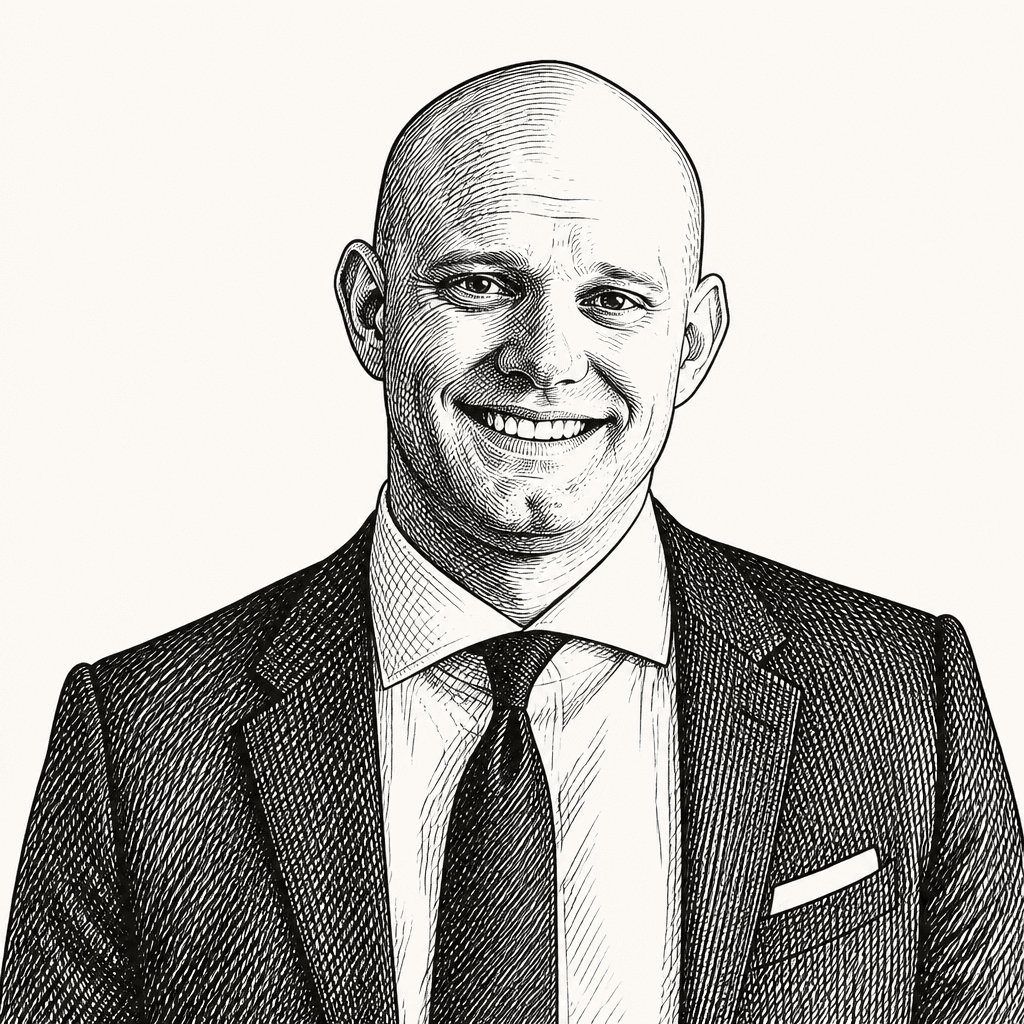
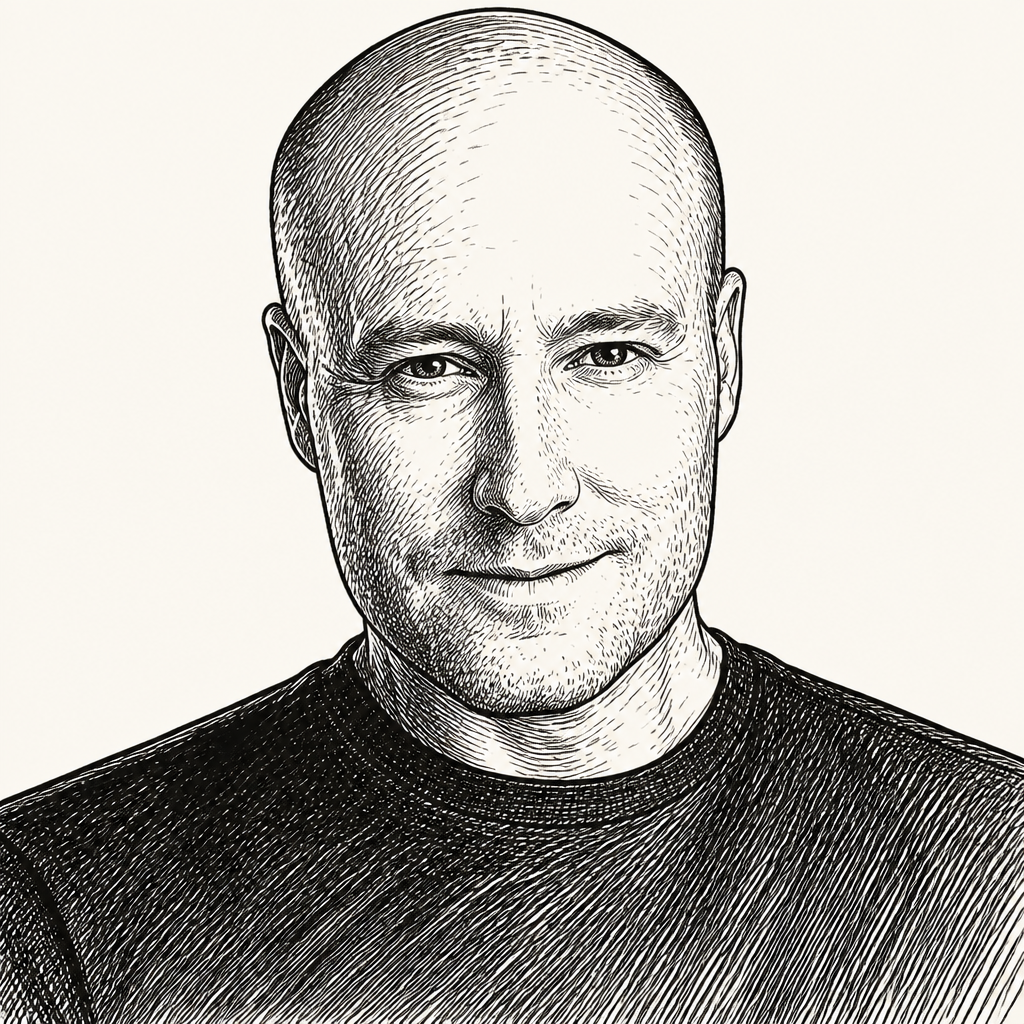
James Clear, author of Atomic Habits, argues that lasting behavior change depends less on willpower than on identity and environment. In a clip from Shane Parrish’s interview, Clear says repeated actions serve as evidence for the kind of person someone believes they are, while well-designed surroundings make desired behaviors easier to repeat. His practical advice is to stop treating discipline as the main variable and instead make good habits obvious, accessible, and aligned with the identity a person wants to reinforce.
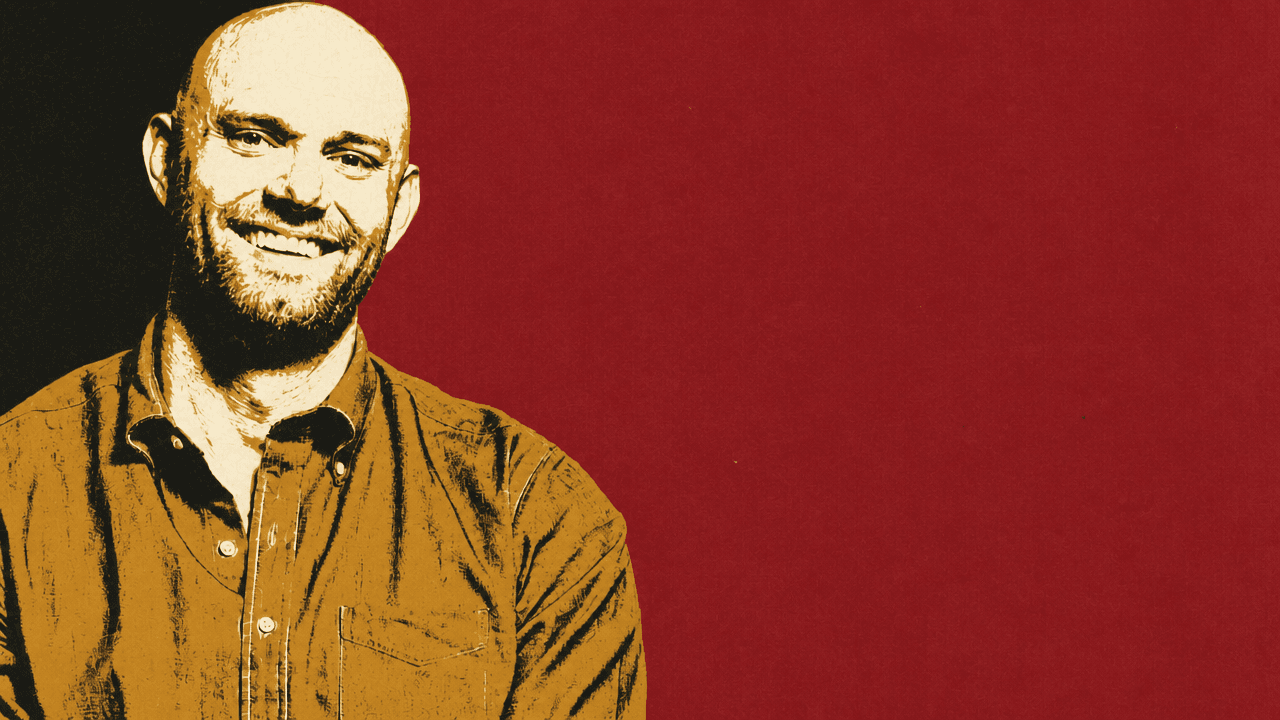
Identity makes habits self-reinforcing
James Clear treats identity as central to habit formation because habits are not merely tasks completed; they are evidence a person collects about who they are. His practical substitution is not to try harder in the abstract, but to build proof for the identity a person wants and redesign the defaults around that identity. Making the bed is a small embodiment of being clean and organized. Studying biology for 20 minutes is proof, however modest, of being studious. Going to the gym is “casting a vote” for being someone who does not miss workouts.
One action does not change the outcome by itself. One pushup does not transform a body. One sentence does not make a career. One sales call does not make someone an accomplished salesperson. But each action supplies evidence for an identity. Over time, that evidence becomes easier to believe.
The act of doing it is proof that you are that type of person.
Clear’s strongest claim is that pride changes the maintenance problem. At first, a person may feel they are forcing themselves into a behavior. But once the behavior is tied to an identity they value, the posture reverses. They are no longer simply trying to get themselves to do the habit; they are trying to preserve a part of themselves. Clear gives ordinary examples: someone who takes pride in the size of their biceps does not skip arm day; someone who takes pride in how their hair looks keeps up a daily hair-care routine.
That is why he recasts common goals away from outputs and toward identities. The goal is not to read a book, but to become a reader. It is not to run a marathon, but to become a runner. It is not to complete a silent meditation retreat, but to become a meditator. In his account, identity is not something that must be fully believed before action begins. Beliefs shape actions, but actions also reshape beliefs.
Clear’s practical advice is to “let the behavior lead the way”: start with a small action that gives even slight evidence for the identity. Repetition builds the case. As the identity becomes more believable, adherence becomes less brittle.
Discipline is often an environment advantage
When Shane Parrish asks how to make behavior change inevitable, Clear reframes the question as environmental design: how to create conditions in which the desired behavior is easy. He contrasts that with what he calls surface-level habit talk about discipline and willpower.

The example he uses is a professional athlete. People look at elite athletes and infer extraordinary discipline. Clear says he spoke with one former Philadelphia Eagles player who described a different reality during his career: the stadium environment supplied trainers, nutritionists, prepared food, designed workouts, and coaches who directed drills in the right order. The athlete was not simply willing himself into consistency. He was operating inside a system where “the conditions for success” had already been created.
The revealing part, according to Clear’s account of that player’s experience, came after retirement. The player said the hardest time to stick with the routine was after leaving that environment. From the outside, he looked like an unusually disciplined person. From the inside, he had been benefiting from an unusually supportive structure.
Clear’s point is that people routinely misattribute stable behavior to personal force when the surrounding system is doing much of the work. The useful question becomes less “How do I become a more disciplined person?” and more “How do I make the behaviors I want easier to do each day?”
Let’s forget about me being a more disciplined person or being someone with superhuman willpower. And let’s try to make it as easy as possible for me to do the things I want to do each day.
That shift also lowers the drama of habit change. Instead of fighting the same cues, defaults, and inconveniences every day, Clear wants people to alter the conditions that repeatedly make the wrong behavior easier than the right one.
Every room is already designed for a behavior
Clear’s first diagnostic is spatial: walk into the rooms where you spend the most time — office, living room, kitchen, bedroom — and ask what each space is designed to encourage. Which behaviors are obvious there? Which are easy?
His living-room example is intentionally plain. Many people feel they watch too much television, but in many living rooms all the chairs and couches face the TV. The room is arranged around that behavior. Clear is asking people to notice the defaults they have accepted as neutral.
The same logic applies to food. Clear describes buying apples and placing them in the crisper drawer at the bottom of the refrigerator. Out of sight, they were easy to forget, and some would go bad. When he bought a display bowl and put the apples on the counter, they disappeared in a couple of days. The habit did not require a new personality. It required making the desired action visible.
Clear ties this to a broader design standard: the behavior should be obvious, attractive, easy, and satisfying. In daily spaces, the good habit should become the path of least resistance. His concern is that many environments do the opposite. They make distraction obvious and easy, leaving the person feeling as if they are “swimming upstream” to do what they intended.
Environment design, in this account, is a behavioral audit. A kitchen counter, a desk, or a bedroom can make some behaviors visible, reachable, and effortless while leaving others out of sight or slightly harder to start.
Friction works in both directions
Clear’s second environmental question is how to make a desired behavior more obvious. His examples are deliberately small. If someone wants to run, they can set out shoes and running clothes the night before. He mentions a man who sleeps in running shorts so that, in the morning, he only has to put on shoes and a shirt before leaving.
The point is not that sleeping in running shorts is a universal prescription. It is that a behavior that feels like a test of resolve at 6 a.m. can be made less negotiable by removing steps before the moment arrives.
Clear uses his phone in the opposite direction: adding friction to an undesired behavior. He leaves it in another room until lunch so that roughly the first part of his workday is spent on his own agenda rather than responding to everyone else’s. He says that if the phone is next to him, he is like everyone else and will check it every few minutes “just ’cause it’s there.” In another room, down the hall and about 30 seconds away, he does not go get it.
That contrast is the operating principle. Desired habits should be made more visible, closer, and easier to begin. Unwanted habits should be made less immediate and slightly harder to perform. When the phone is beside him, the impulse is strong enough to repeat constantly. When it requires a short walk, the same impulse usually loses. Clear’s conclusion is that a little friction can go a long way in shaping behavior.
The broader method is consistent across the examples: make the good behavior more visible and easier; make the unwanted behavior less immediate and slightly harder. Identity supplies the reason to repeat the action. Environment supplies the conditions that make repetition more likely.