Patients Rarely Control the Money That Shapes Their Healthcare
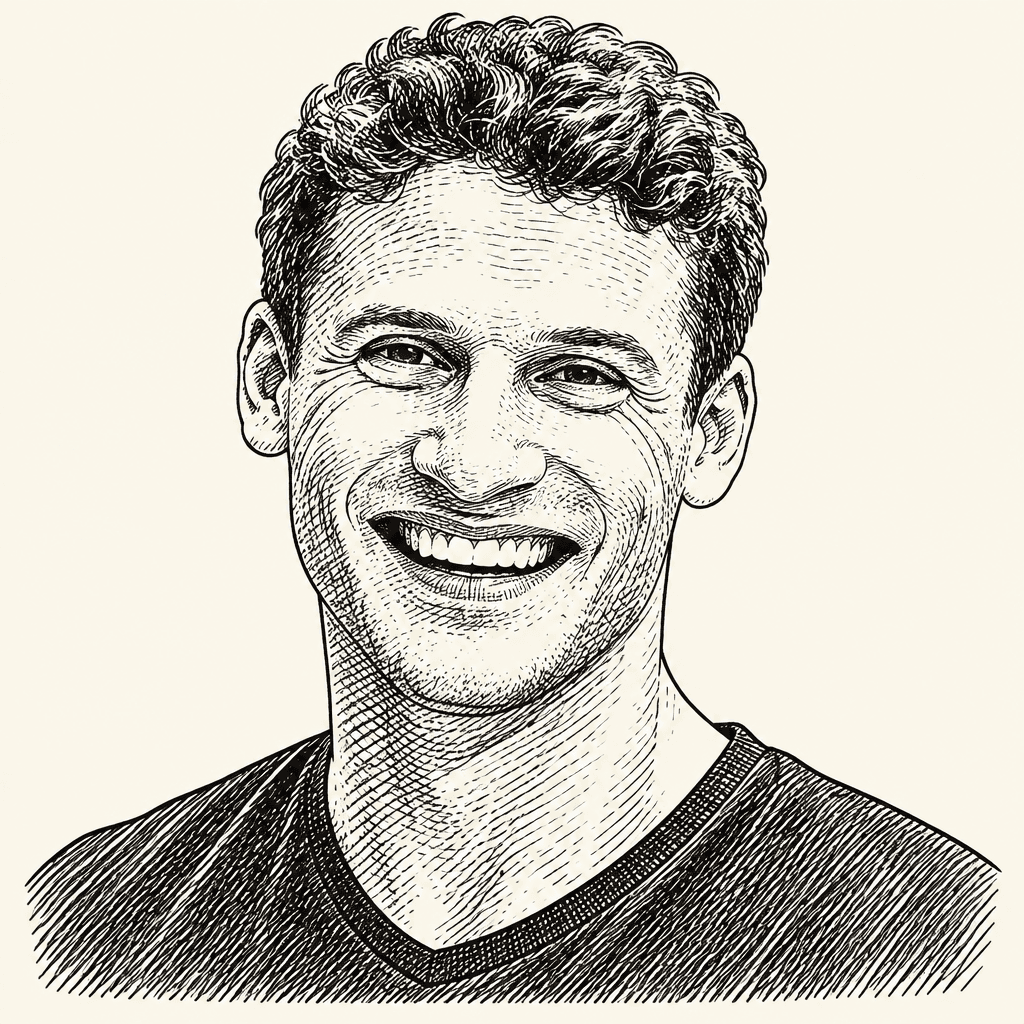
Ro co-founder and CEO Zach Reitano argues that a central flaw in US healthcare is that patients receive care without controlling most of the money spent on it. In his account, direct payment makes patients the customer and can push prices down while improving care; he cites cash-pay GLP-1 prices falling from $1,300 to $149 as an example. Reitano says healthcare spending should be judged by its results, and that patients should have more say in choosing and paying for care.
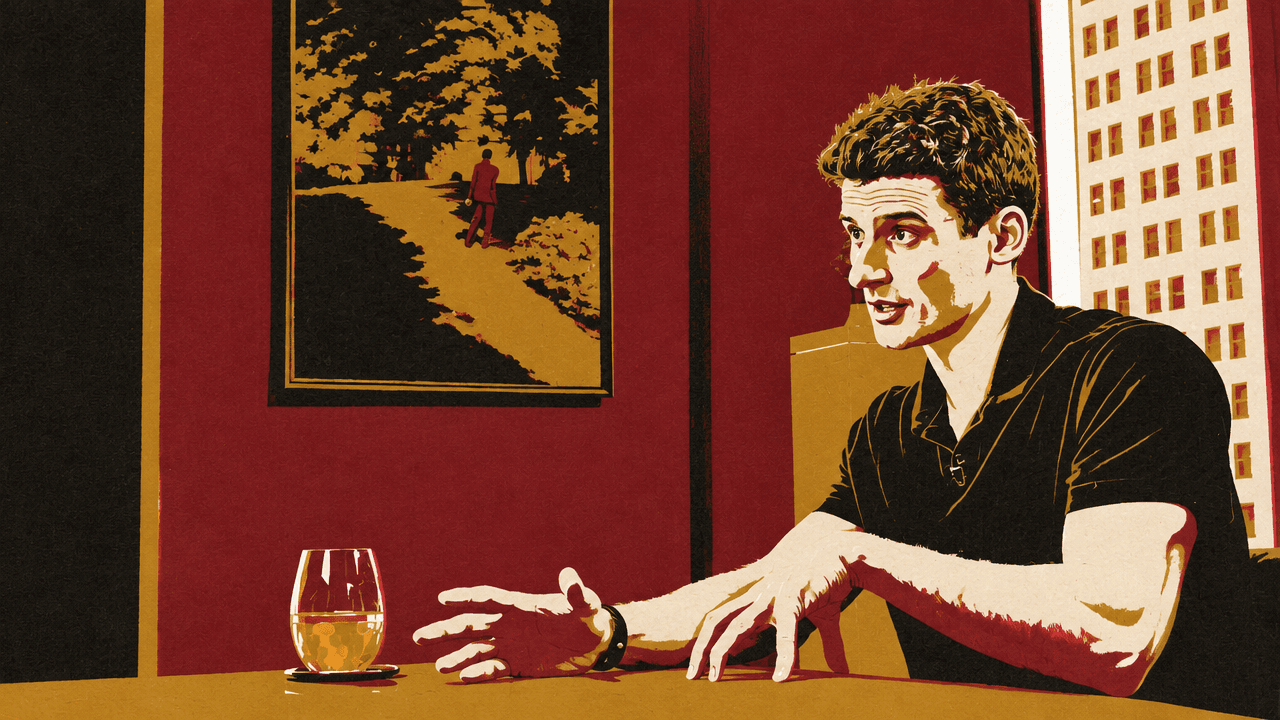
Healthcare spending is not the problem if patients get more for it
Zach Reitano rejects the idea that the United States spends too much on healthcare simply because the figure is large. Healthcare, he argues, is a precondition for everything else people want to do. In a world where other goods become cheaper and more abundant, he thinks another healthy year may be the good with the least diminishing value. The question, then, is not whether the US spends 18% of its GDP on healthcare, but whether people get enough in return.
Reitano sees the rising share of GDP devoted to healthcare as part of a wider pattern, not an American anomaly. He cited the UK’s share rising from 6% to 12% and Germany’s from 9% to 12%, while the US went from 9% to 18%. He also argued that the US system is better at acute care than its reputation suggests. People with cancer, heart attacks, or strokes have higher average survival rates than in other OECD countries, he said; the US also has fewer hospital stays and shorter ones. Its prices and administrative burden are higher.
He separates the ways people die into a “fast clock” and a “slow clock.” Gun deaths, car accidents, and overdoses pull down life expectancy, but chronic disease is the larger and steadily rising burden. Reitano said the US spends roughly half of its healthcare costs on 5% of people. His case is not that every dollar is well spent. It is that spending on health should be judged by what it accomplishes, and that the return should be much greater.
The flaw he thinks drives many of the system’s problems is a mismatch between who receives care and who pays for it. Patients are not the customer in most healthcare transactions, he said, because they do not control most of the money at the point of purchase. They pay indirectly through taxes and lower wages as well as out of pocket, but insurers, employers, and other intermediaries often shape the choices providers and companies make.
Reitano’s formulation is that patients are “the worst” people to own their healthcare decisions, “except for literally everyone else.” He is not arguing that patients should make clinical decisions without help. His claim is that patients’ preferences should have more influence over how care is chosen and paid for, with knowledgeable providers helping them make those choices.
Patient control can expose prices—and the limits of choice
For Reitano, the clearest examples of healthcare working well are services paid for directly by the patient. He points to LASIK and cosmetic surgery: in those markets, he says, costs have come down while quality and convenience have improved. Cash-pay care makes the patient the customer, and businesses have to compete for that customer’s money.
He sees GLP-1 drugs as a particularly revealing test of the model. For years, politicians and regulators tried to achieve transparent drug prices, he said. When drugmakers began selling directly to consumers, he argued, the gap between list prices and lower prices negotiated behind the scenes narrowed. He cited cash-pay prices falling from $1,300 to $149. In his account, removing pharmacy benefit managers and insurers from that transaction can lower prices while allowing drugmakers to make as much or more money, because increased volume can outweigh the lower price per prescription.
Reitano compared pharmacy benefit managers to an appendix: perhaps once useful, but now difficult to justify. In his view, software can perform functions they historically served. He also expects more intermediaries to be removed as direct purchasing expands. He did not argue that insurance should disappear from all healthcare; he described catastrophic coverage as an important part of an ideal arrangement. But he wants more routine spending to be controlled by patients.
His proposal is to give people a healthcare account they can use to choose care, with money rolling over from year to year, alongside coverage for catastrophic expenses. In that arrangement, providers would have to disclose prices and deliver on what they promise to win patients’ business. A law requiring price transparency, in his view, is a poor substitute for a market in which customers can refuse to buy from businesses that hide their prices.
The trade-off is that patients do not have the same information as clinicians, and a choice-based system cannot by itself ensure that people understand what care they need. Reitano accepts that patients are not ideal decision-makers, but argues that there is no better alternative to giving them ownership of their choices. His argument depends on people having reliable clinical advice and meaningful options, including prices they can compare. He points to the present system’s lack of transparency and trust as evidence that leaving decisions to institutions does not reliably protect patients.
Ro is Reitano’s attempt to build around that customer. He described the company as a vertically integrated care and treatment platform, not simply a collection of condition-specific services. Ro built its own electronic medical record, lab, pharmacies, pharmacy software, and provider network, so it could extend into new conditions using infrastructure it had developed over several years. Its four main categories are cardiometabolic health, sexual health, dermatology, and fertility. GLP-1s are its fastest-growing category.
Reitano said Ro had grown from a roughly $250 million annualized run rate to more than $3 billion, with fewer employees than it had in 2021. He called Ro the leading provider of GLP-1s in the country and said it signs up two to five times as many patients per day as competitors. He described the company’s offering as including access to treatments from both Novo and Lilly, insurance checks, cash-pay options, delivery or in-person pickup, and multi-month subscriptions he said can save patients $600 to $1,800 a year.
Those features matter, but Reitano does not see them as a permanent moat. He believes differentiation comes from continued innovation: a company that stops improving will be overtaken. Ro’s job, he said, is to help patients find the drug, dose, and treatment that fit their priorities around cost, quality, and convenience. He sees the company as a marketplace that lets patients compare options while giving pharmaceutical companies a way to compete on how well they serve patients.
GLP-1s could make chronic-disease care a consumer market
Zach Reitano sees GLP-1s as more than a fast-growing drug category. He describes them as a force that could change how healthcare is bought and delivered. Their approved uses, he said, have expanded from diabetes to obesity and overweight, and then to conditions including heart disease, sleep apnea, liver disease, and kidney disease. He noted that they are also being studied for neurodegeneration, pain management, addiction, mental health, and cancer prevention.
The drugs matter to him because they act upstream of major causes of illness. They also give consumers a reason to engage directly with a healthcare system that has traditionally relied on employers and insurers to make many coverage decisions. An employer may care deeply about its employees, Reitano said, but it makes decisions across many people and a shorter span of time than an individual considering their own lifetime health. He sees that difference in time horizons as a source of poor outcomes.
Reitano predicted that more than half of Americans could be on some form of GLP-1 in ten years. He based the forecast in part on his estimate that 75% of the US population has overweight or obesity, and his estimate that only 10% to 12% is metabolically healthy. He thinks some people may use the drugs preventively, and that improved tolerability and a better understanding of how they work could broaden their use. He also acknowledged that affordability, individual risks, and the ability to tolerate treatment matter.
That distinction came through when Patrick O'Shaughnessy asked Reitano to pitch him on taking a GLP-1. Reitano declined to give a blanket recommendation. He said a clinician should first understand the patient’s goals, family history, and risk tolerance, then consider the benefits and risks of different treatments. His own approach, he explained, has been built over 10 to 15 years with his father, a physician, through adding and removing treatments and tracking blood tests and other measures.
Reitano said he takes a statin, ezetimibe, Repatha, and a GLP-1, in part because of his family history and his own cholesterol measures. He described his LDL falling from around 130–140 to 10 after adding treatments. He tested treatments separately to understand their effects and identify potential side effects, and said he worked with his doctor to find a regimen that did not cause day-to-day side effects. For him, the potential downsides of medication—cost and side effects—have to be weighed against the asymmetric consequences of a heart attack or stroke.
He also described the long path from biological evidence to treatment as an example of how slowly medicine can move. In his account, researchers studying about 3,500 people in the Dallas Heart Study found a group with a faulty PCSK9 gene and very low LDL levels. Reitano said that group had an 85% to 90% reduction in heart-disease risk. He traced the subsequent development of Repatha and later PCSK9 treatments, including an oral version, across roughly a quarter-century. The delay, he argued, illustrates medicine’s challenge: important biological signals can take years to become usable interventions.
AI may help, but Reitano was specific about the difficulty. AI works especially well, he said, when there is structured data, a verifiable reward, and a short feedback loop. Medicine often has unstructured data and outcomes that take a long time to appear. He sees promise in combining genetic information with lab results, wearable data, and patients’ own reports to understand why treatments work differently and identify early signs of disease.
Judge technology by outcomes, not by the jobs it replaces
Zach Reitano objects to the demand that healthcare “remain human” when it is posed as a principle independent of patient outcomes. People and technologies, he argues, should earn their place by improving care. The status quo should not receive a pass simply because it is familiar, and a new technology should be expected to prove that it is substantially better—not merely marginally better.
He uses driverless cars to make the argument. Reitano cited about 40,000 annual deaths from car accidents, a number he compared with annual deaths from breast cancer. He said driverless cars have proved 10 to 20 times safer than human drivers in some settings. Yet, he argued, public debate often gives more weight to job displacement than to the lives that could be saved. He recalled a story about a driverless-car executive who was asked by a regulator, after describing reduced deaths, “What about the organs?” The question referred to organs recovered from people killed in car accidents. The executive’s unspoken response, as Reitano recounted it, was that the people might remain alive to keep their own organs.
For Reitano, the broader point is not that automation deserves automatic approval. It is that the current system has costs too, and society must compare outcomes rather than inputs. He worries that healthcare will repeat the same pattern: defending existing jobs and processes without asking whether new systems could produce better results.
He also pointed to what consumers are choosing. O’Shaughnessy mentioned a comparison in which GLP-1 revenue exceeded AI revenue. Reitano added that twice as many people pay for GLP-1s as pay for AI. He took this as evidence that healthcare technology is already producing a direct consumer impact at a scale AI has not yet reached.
Ro’s reset replaced expansion with focus
The company’s growth followed a difficult reset. Zach Reitano traced the decision to December 2021, when he was flying to visit his parents and reviewed the year’s results. Eleven months earlier, Ro had raised $500 million at a $5 billion valuation. But the company had grown only 9% in 2021, had hundreds of millions of dollars in the bank, and was burning cash without growing fast enough to escape what he called a “zombie company” state. He said its $800 million preferred-stock stack could leave employees’ work unrewarded.
On the same flight, he saw a Slack message criticizing the plastic packaging on the company’s holiday gift boxes. His first reaction was anger; then he decided the deeper problem was his own. The complaint seemed to him like evidence that Ro had lost its edge. The company, he said, had become “macaroon soft.”
He wrote a six-page memo to his co-founders arguing for a refounding built around a clear culture: retain people who were a strong fit and be willing to part with those who were not. In early 2022, Ro moved on from about seven vice presidents, then about 20% of the organization. Reitano stressed that layoffs were painful, and that he believed it would have been better to avoid the overexpansion that made them necessary.
The reset also meant putting every product under the Ro brand, expanding beyond the original Roman men’s-health identity, changing how teams worked, and making expectations explicit. One principle was “work hard”—not as a euphemism for caring, he said, but a direct expectation. He described the culture as “strong attract, strong repel”: a company should make clear what it is and whom it is built for. His analogy was a restaurant. A steakhouse should not be asked to replace its menu with a vegetarian one; but if a customer orders medium-rare steak and receives it well done, that is a problem to fix. Culture, like the menu, should be clear before people opt in.
Reitano said the company went from more than 600 employees to just over 400, then grew the business roughly tenfold. He credited both the GLP-1 tailwind and Ro’s execution. The wave alone, he argued, does not explain why the company became the category leader.
He named three operational choices behind the turnaround. First, Ro invested in its strongest people through compensation, equity, coaching, and resources. Second, it narrowed its focus and built sequentially rather than trying to advance many initiatives at once. Third, it increased the pace of coordination. Reitano said the leadership team met daily at 8:50 a.m. for two years, with meetings lasting as long as necessary to make decisions and keep work moving. The short interval made it harder for teams to lose momentum or get diverted.
Ro also abandoned long-term roadmaps in areas changing quickly. Reitano said that was not an excuse to avoid planning: the company still wanted rigor over the short term, while accepting uncertainty over the longer term. Long-range plans could become false precision when new information made later steps irrelevant. The durable part, he said, was the vision—helping patients achieve their health goals—while the methods could change with patient data, treatments, regulation, and technology.
Biology, AI, and new treatments could widen access
Zach Reitano sees three forces behind what he calls a patient revolution. The first is “biology coming online”: symptoms, lab tests, genetics, and wearable data can give providers more information about individual patients. The second is that tasks that once required a specialist may increasingly be handled through a prompt. Reitano contrasted the cost of a concierge doctor, which he put at $100,000 a year, with access to AI tools for $20 a month. He also noted that telemedicine has made it possible for clinicians to work remotely and reach patients in new ways.
The third force is the arrival of treatments that can substantially change the quality and length of people’s lives, though access is uneven. Reitano said information from genetics, labs, wearables, and patients’ own reports could help explain why people respond differently to the same drug. If providers can identify early signals—what he called the “faintest footsteps” of a disease—they may be able to change a person’s trajectory before illness becomes advanced.
Together, he believes, these changes could turn care that once felt like a luxury into a more widely available service. He imagined a new form of healthcare that could be offered for “the price of Netflix.” The possibility, in his account, rests on bringing together more patient data, AI, and treatments that can make a meaningful difference.
That ambition is personal for Reitano. He said his father, a physician, helped him through a heart procedure at 18 and later helped him navigate erectile dysfunction as a side effect of medication. When Reitano was 12 and stopped growing for about a year, his parents fought to get growth hormone covered; he said he injected it daily for roughly six years. He credits his parents’ efforts with helping set him on a different course.
Reitano described his ambition with Ro as extending his father’s work through software, operations, and technology: helping more people achieve their health goals. He sees health as a condition for wider social progress. Reitano argued that societies changed when they reduced infectious disease, infant mortality, and maternal mortality, and he believes that treating chronic disease earlier could produce similarly large effects—though he cannot predict exactly what those changes would be.
Marketing can make treatment easier to ask for
Zach Reitano’s consumer strategy begins with what patients want and looks for the overlap with what they need. He contrasted the two questions: a doctor may feel confident saying what a patient needs, but must ask the patient to learn what they want. Starting with want, he argued, forces a company to listen rather than assume.
That approach has sometimes made Ro easy to criticize. Reitano recalled the company being called “restaurant menu medicine,” a description he did not consider an insult. A menu gives people choices and prices; Ro’s task, he said, is to give patients ways to select care while remaining responsible for safety and outcomes. He said the company publishes outcome data and tracks responses to side effects. Messages are routed through an LLM; if a patient reports a side effect, the issue is categorized, a task is assigned to a provider, and a response-time target is attached. Reitano said Ro has a 24/7 response process for side effects, with responses in under 30 minutes.
For conditions surrounded by stigma, marketing can create what Reitano calls a “permission structure.” The aim is to make the public conversation more extreme than the private experience patients need to disclose, so patients do not have to be the first to speak. Ro’s campaigns use recognizable people with personal connections to the treatment. Reitano cited Serena Williams discussing GLP-1s after having children, as well as Charles Barkley, Chrissy Metz, and Megan Fox speaking about health issues. He said patients have told him that seeing Williams use the treatment helped them feel it was acceptable to seek it themselves.
Authenticity is central to the approach, he said. Reitano credited his co-founder Saman with leading the company’s marketing and said the celebrities Ro works with are using the product and sharing their own experiences. In a world where AI makes polished-looking advertisements cheap to produce, he argued, a celebrity’s face and lived story are harder to replicate.
Ro’s early GLP-1 subway campaign showed people who were clinically eligible for treatment and said, “A weekly shot to lose weight.” Reitano said the campaign drew criticism because many people were uncomfortable with medication for weight loss and saw it as a shortcut. He thinks that discomfort reflects a broader stigma: people accept that cholesterol levels can rise when someone stops cholesterol medication, or that birth control’s effects end when someone stops taking it, but treat ongoing weight-loss treatment as suspect. He argued that medications and health behaviors both require continued use to maintain their effects.
Reitano also questioned why people can discuss alcohol and unhealthy food casually while reacting with alarm to advertising for medication that involves an expert and has identifiable risks and benefits. He said the difference points to a social judgment about treatment, not just a neutral assessment of health. His claim is not that every patient should take medication; it is that social discomfort can distort how people judge the option.
The personal case for more healthy years
Zach Reitano pushed back against the tendency to assign a company’s success to one founder. He credited his wife, Cleo, who supported them financially when he was starting Ro, and the team that built the business. He and Cleo, he said, have taken turns supporting one another over the years. The founder narrative, in his view, can obscure the people who make the work possible.
When Reitano was 15 and homesick at boarding school, his parents visited. As they were leaving, his father asked him to say, “I love you.” Reitano later learned that his father was having another heart attack and had asked his mother to drive him to the hospital. His father said he did not want their last words to be an argument.
Reitano said the experience taught him not to leave love unspoken. He said that lesson has stayed with him in his relationships with friends and colleagues. It also helps explain why he frames healthcare not only as a question of cost or access, but as the possibility of giving people more healthy years to live the lives they want.