WeatherNext Predicted Hurricane Melissa’s Jamaica Landfall Three Days Early



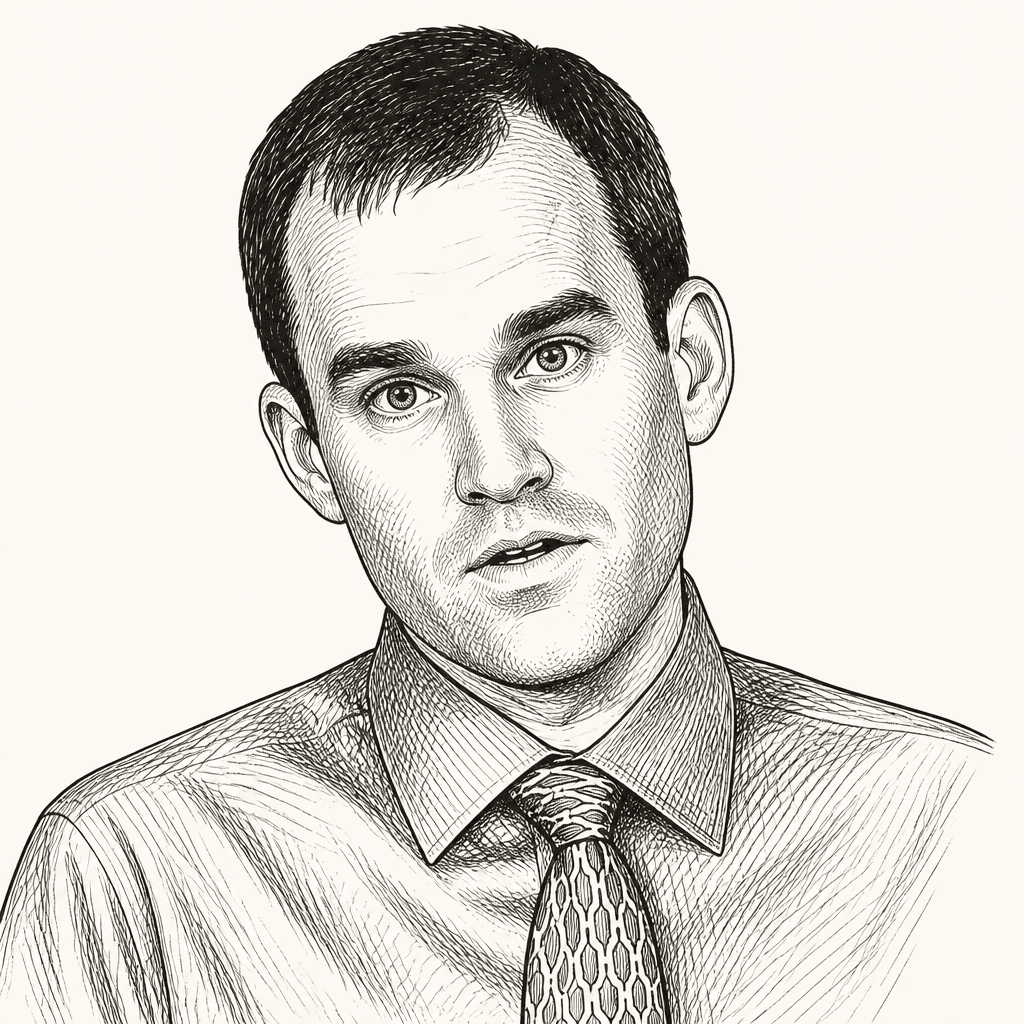
Google DeepMind presents WeatherNext, its AI-based global weather forecasting model, as having helped forecasters predict Hurricane Melissa’s Category 5 intensification and landfall in Jamaica three days in advance. Ferran Alet says the model provided a more accurate early signal than previous systems, while National Hurricane Center officials Michael Brennan and Robbie Berg say its confidence supported more aggressive warnings before the storm arrived. Jamaica’s Evan Thompson argues that the added notice gave authorities time to move people out of danger.
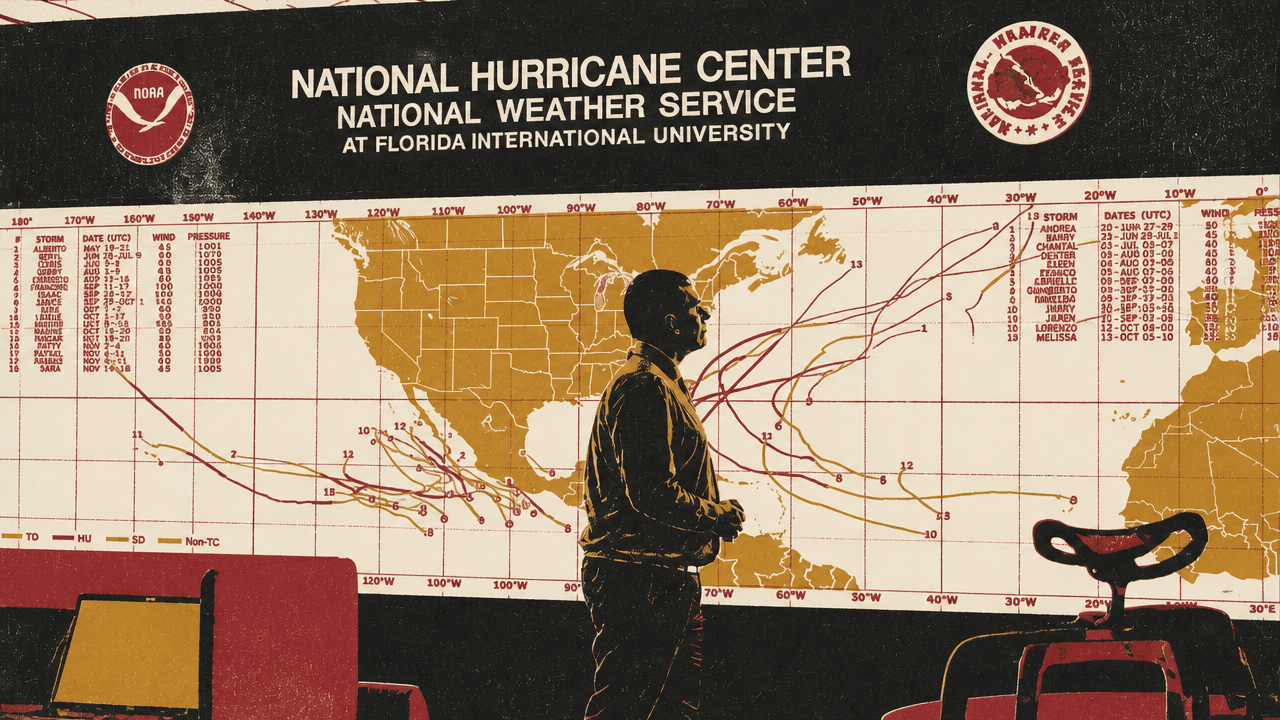
WeatherNext narrowed a high-stakes hurricane forecast three days before landfall
Michael Brennan frames tropical storms and hurricanes as unusually hard forecast targets because their structure and intensity can change quickly. That volatility matters operationally: a forecast has to anticipate not only where a storm will go, but how strong it will become.
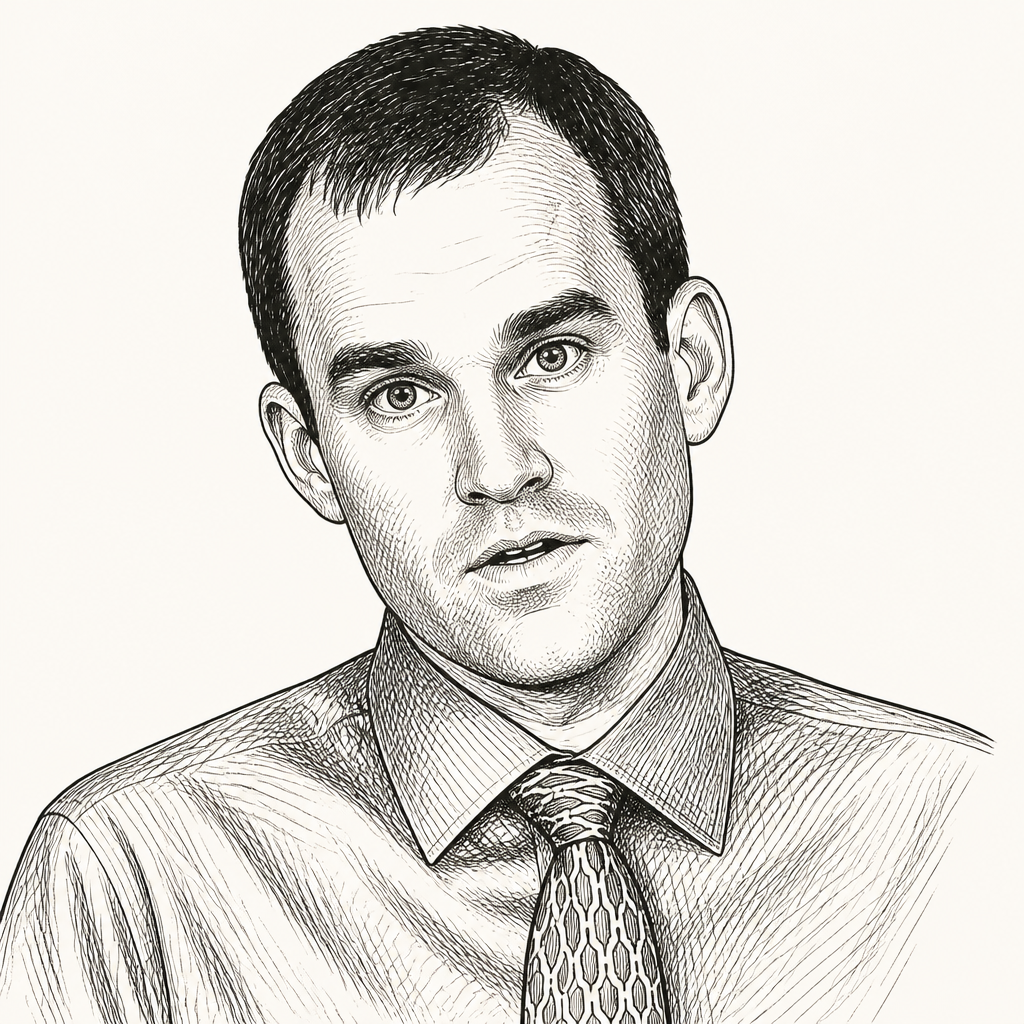
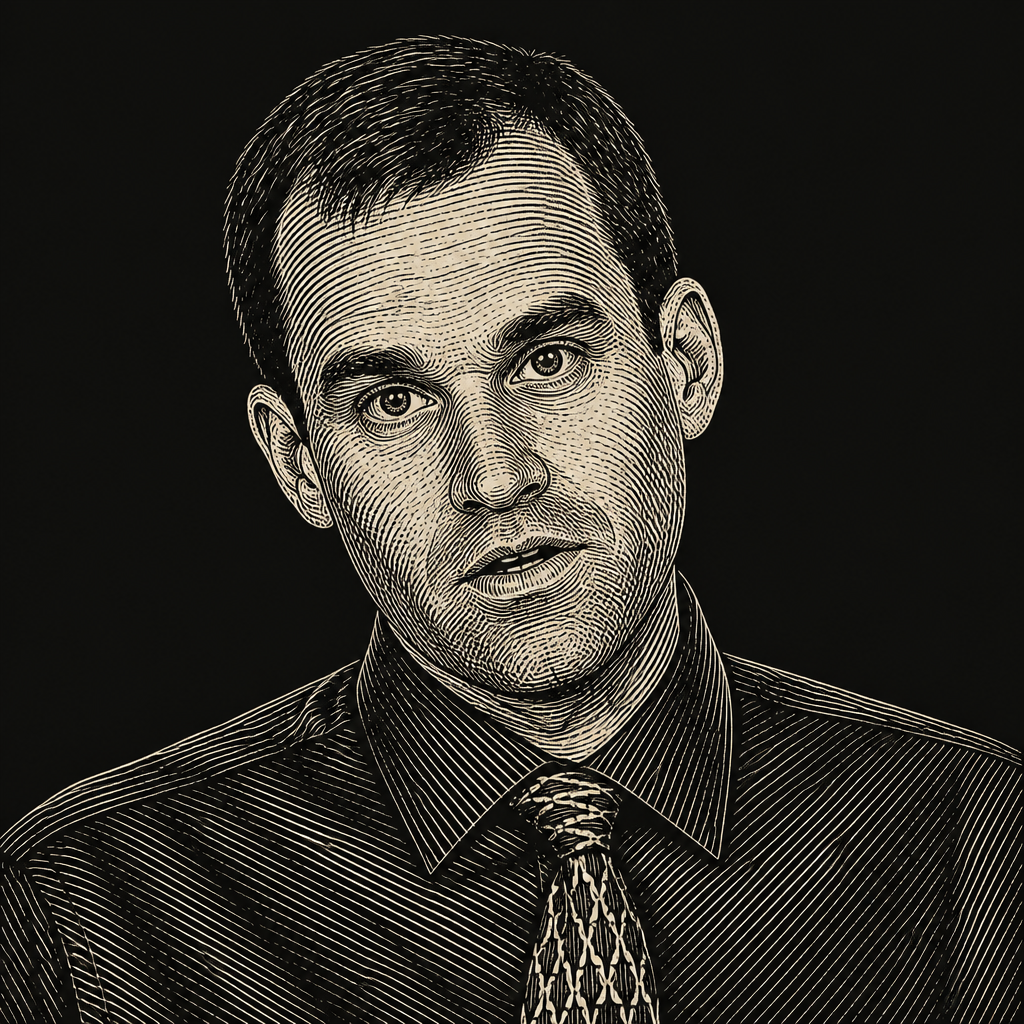
Ferran Alet describes WeatherNext as Google’s AI-based global weather forecasting model, built to forecast hurricane track and intensity — “where hurricanes are going to go and how strong they’re going to become.”


In October 2025, forecasters faced two sharply different possibilities for Hurricane Melissa: a weak storm over Haiti, or a Category 5 hurricane striking Jamaica. The forecast question was not only path, but whether Melissa would intensify into an extreme landfall threat.
An animated map labeled “Hurricane Melissa, October 2025” marks Haiti and Jamaica, with multiple projected storm paths colored across a seven-day lead-time scale from “-7” to “0” days. The paths converge over time, giving a visual account of the forecasting problem Brennan and Alet describe: early uncertainty narrowing as the storm approaches landfall.
According to Alet, WeatherNext predicted Melissa’s intensification and Jamaican landfall three days early, and did so “with greater accuracy than previous models.” The useful signal, as Alet describes it, was earlier support for the forecast of intensification and Jamaican landfall.
The forecast mattered because it supported urgent warnings
Robbie Berg says forecasters used WeatherNext’s “high confidence signals” to issue urgent messages about life-threatening weather hazards before the hurricane reached Jamaica. The point was not simply that the model produced a forecast, but that its confidence helped support public warnings while there was still time to act.


That is also how Michael Brennan describes WeatherNext’s role. He says it was “a really valuable tool” in helping the National Hurricane Center make “more accurate and aggressive forecasts for Melissa.” In context, the value was earlier confidence about both intensity and landfall location, giving forecasters support for stronger warnings ahead of impact.
WeatherNext was a really valuable tool in helping us make these more accurate and aggressive forecasts for Melissa.
Brennan’s forward-looking conclusion is that WeatherNext and other AI models will become part of the Hurricane Center’s “routine forecast toolkit.” The model is therefore positioned as an operational forecasting tool: one that contributed to the forecast process by strengthening confidence in the severe Jamaica landfall scenario.
Jamaica’s officials treated early notice as a life-safety advantage
Evan Thompson describes the expected impact in blunt terms: “It’s going to cause catastrophic life-threatening damage.” A text overlay across hurricane imagery and wind footage states that, in October 2025, Category 5 Hurricane Melissa became “the most powerful storm to hit Jamaica since records began.”


Thompson connects the early warning to public action. He says it allowed authorities to give advance notice to the public and tell people to move from certain areas. In the supplied context, those warnings are described as evacuation warnings issued to protect vulnerable communities.
Because of that early warning, we were able to give that advance notice to the public to say move from certain areas.
He goes further: the warning “saved their lives,” and also helped save “the livelihoods that they want to secure.” That explains why the extra lead time is treated as consequential. The benefit was not merely a better forecast score; it was the ability to translate confidence into protective action.
A volatile hurricane created a choice between two very different forecast scenarios. WeatherNext gave forecasters an earlier, high-confidence signal for Melissa’s intensification and Jamaica landfall. Meteorologists and local authorities then used that signal to support urgent warnings days before impact.